Introduction to Esports
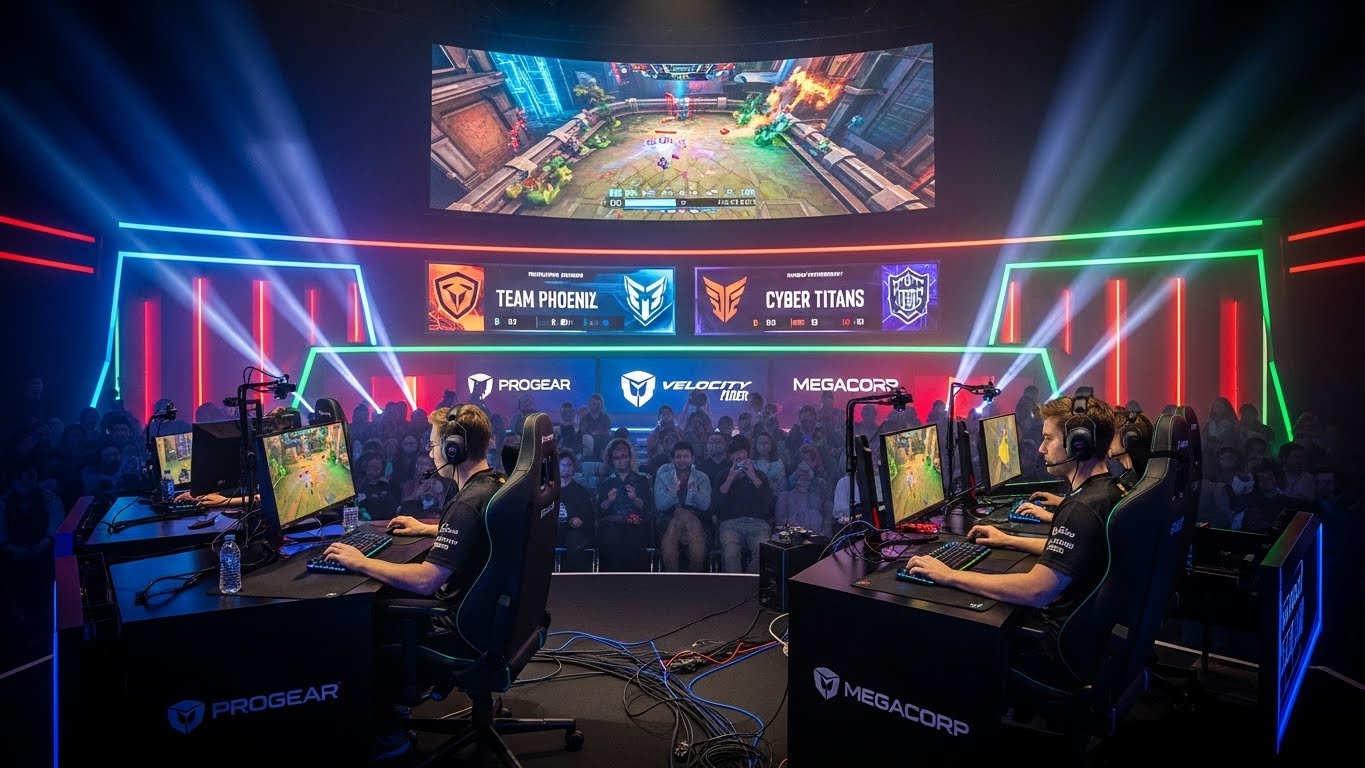
Esports, short for electronic sports, represents one of the fastest-growing industries in the modern world. It refers to organized, competitive video gaming where individuals or teams face off in popular titles across various genres. What began as friendly arcade competitions and small-scale LAN events has transformed into a global phenomenon with millions of players, professional organizations, massive sponsorships, and audiences that rival traditional sports. The rise of Esports marks a cultural and technological revolution that blends entertainment, skill, and innovation into a digital spectacle.
The Early Beginnings of Esports
The origins of Esports can be traced back to the 1970s when gaming was still in its infancy. The first known video game competition took place in 1972 at Stanford University, featuring the game “Spacewar.” Although the event was modest in scale, it symbolized the birth of competitive gaming. The 1980s saw the rise of arcade games like Pac-Man, Donkey Kong, and Space Invaders, where players competed for the highest scores displayed on leaderboards.
The real turning point came in the 1990s with the emergence of multiplayer gaming and the expansion of the internet. Games like Doom, Quake, and StarCraft allowed players to compete from different parts of the world. This was the foundation upon which modern Esports was built. Tournaments such as the Red Annihilation Quake Championship in 1997 introduced the idea of large-scale organized competitions.
The Growth of Competitive Gaming
As technology advanced, the early 2000s saw the formalization of Esports. Competitive gaming organizations began to emerge, providing players with platforms to compete professionally. South Korea played a major role in shaping the Esports landscape. The country’s government and media embraced gaming, leading to the creation of professional leagues and televised matches. Games like StarCraft became national sensations, turning gamers into celebrities.
With the introduction of platforms like Twitch and YouTube Gaming, audiences could now watch live competitions from anywhere in the world. This accessibility helped transform Esports from a niche activity into a mainstream entertainment medium. Tournaments began offering prize pools worth millions, and global sponsors started investing heavily in teams and events.
Popular Esports Titles and Their Impact
The world of Esports encompasses a wide range of game genres, each with its own dedicated fan base and competitive structure.
1. Multiplayer Online Battle Arena (MOBA) Games:
Titles such as League of Legends and Dota 2 dominate the Esports scene. These games feature intense strategy, teamwork, and real-time decision-making. The annual tournaments like The International and League of Legends World Championship attract millions of viewers and offer some of the largest prize pools in history.
2. First-Person Shooters (FPS):
FPS games like Counter-Strike: Global Offensive, Overwatch, and Valorant focus on accuracy, reflexes, and tactical coordination. Teams train for months to perfect their strategies, making these games among the most competitive genres in Esports.
3. Battle Royale and Survival Games:
Games such as Fortnite, PUBG, and Apex Legends have brought a new flavor to competitive gaming. These titles combine survival mechanics with shooting gameplay, drawing both casual and professional players into large-scale tournaments.
4. Sports Simulations:
Traditional sports have found their digital counterparts in games like FIFA, NBA 2K, and Madden NFL. Professional athletes and gamers alike compete in these virtual leagues, merging the world of sports and gaming seamlessly.
5. Fighting Games:
Classic titles such as Street Fighter, Tekken, and Super Smash Bros. have long-standing competitive communities. Their one-on-one gameplay highlights individual skill, reflexes, and precision.
The Business and Economics of Esports
Esports is not just a pastime; it is a multi-billion-dollar industry. Major companies invest in teams, leagues, and events, while sponsors see immense marketing potential through brand visibility in global tournaments. Streaming platforms generate advertising revenue, while merchandise sales, ticketing, and digital goods further fuel the economy.
Game developers also play a vital role in this ecosystem. By supporting competitive scenes, organizing events, and creating balanced gameplay environments, developers ensure that Esports remains engaging and sustainable. Many companies now design games specifically with Esports in mind, ensuring they are accessible to both casual and professional audiences.
The Esports ecosystem also includes a wide range of careers beyond playing. Event organizers, coaches, analysts, commentators, and marketing professionals all contribute to the industry’s infrastructure. The professionalization of Esports mirrors that of traditional sports, with organizations managing player contracts, health, training, and public image.
The Role of Streaming and Digital Media
Streaming platforms have revolutionized how people engage with Esports. Twitch, YouTube Gaming, and Facebook Gaming have created spaces where players can showcase their skills and fans can interact with their favorite personalities in real time. These platforms provide both entertainment and community, allowing viewers to chat, donate, and even learn strategies from the best players.
Esports streaming has also democratized fame. Anyone with talent and dedication can build a following, bypassing traditional media barriers. Some streamers transition into professional competition, while others become influencers or commentators. This new form of digital celebrity culture underscores the deep connection between technology, entertainment, and personal branding.
The Professionalization of Esports Athletes
Professional Esports athletes dedicate countless hours to training. Like traditional sports players, they focus on improving their reflexes, teamwork, and mental endurance. Teams employ coaches, analysts, and even sports psychologists to optimize player performance. Physical health has also become a major focus, with players adopting exercise and nutrition routines to enhance concentration and prevent fatigue.
Esports players often start young, sometimes entering professional teams in their teenage years. Their careers may be shorter than traditional athletes due to the intense focus and reaction speed required, but many transition into coaching, content creation, or management after retirement.
The Global Esports Community
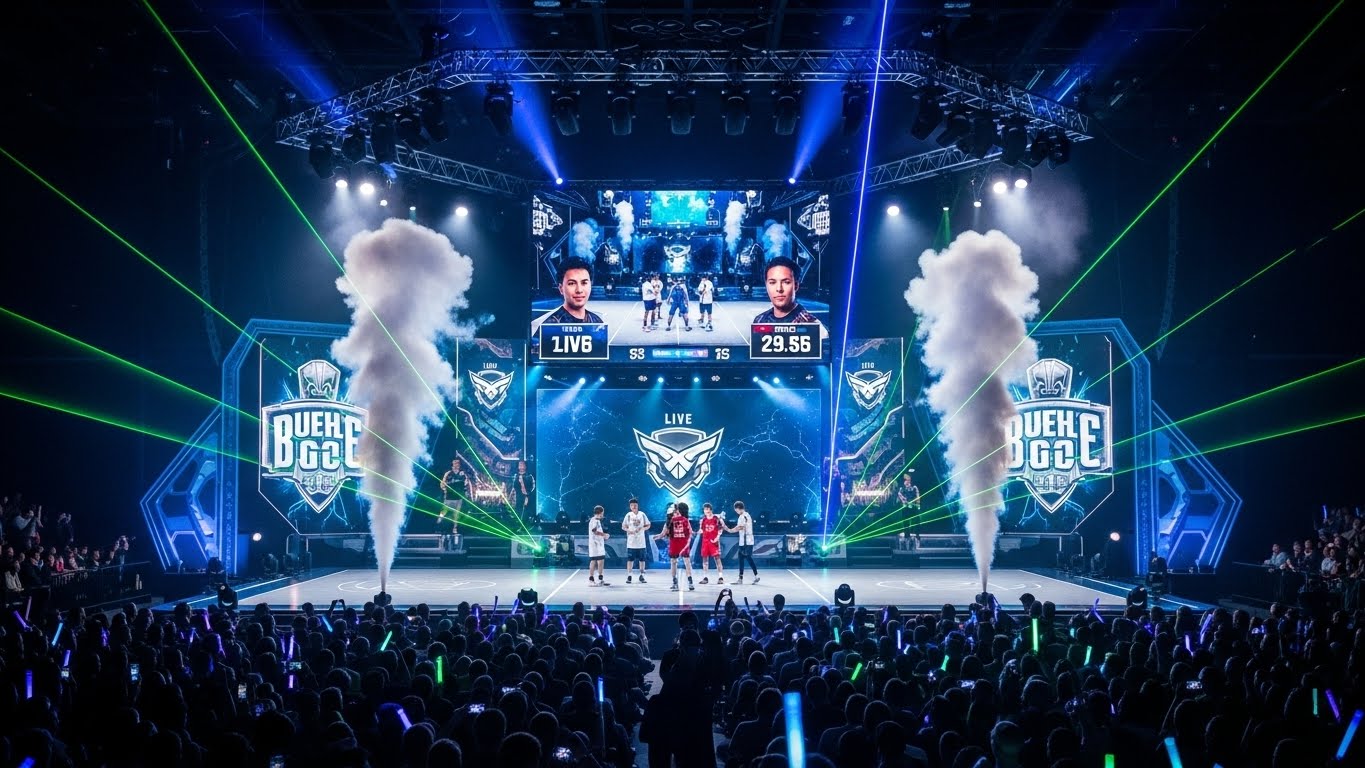
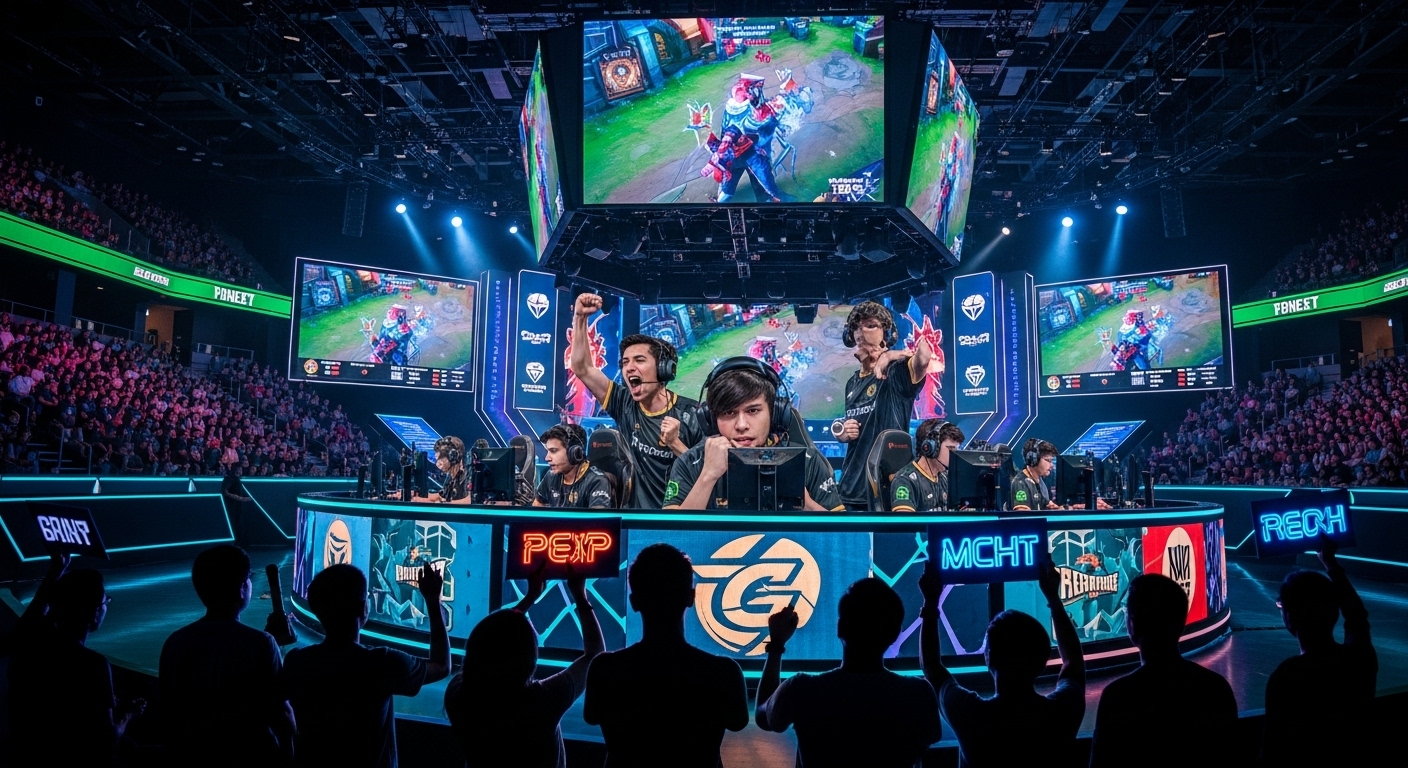
Esports transcends geographical and cultural boundaries. Major tournaments attract fans from all corners of the world, creating a global sense of community. Events like the League of Legends World Championship or The International are broadcast in multiple languages, with live audiences filling massive arenas.
Countries such as South Korea, China, the United States, and parts of Europe have established themselves as Esports powerhouses. However, emerging regions like Southeast Asia, the Middle East, and Africa are rapidly growing in influence, with new talent and audiences expanding the global reach of the industry.
Esports and Traditional Sports Comparison
The debate over whether Esports should be considered a real sport has sparked discussions across the world. While Esports lacks physical contact, it requires mental agility, teamwork, precision, and dedication—traits shared with traditional athletes. Moreover, Esports events feature organized leagues, professional coaching, and fan engagement similar to conventional sports.
Many traditional sports organizations have recognized the potential of Esports and begun investing in digital teams. Football clubs, basketball franchises, and even racing organizations now operate Esports divisions. This collaboration bridges the gap between digital and physical competition, enriching both worlds.
Education and Esports
Educational institutions are increasingly acknowledging the value of Esports. Schools and universities have begun offering scholarships for competitive gamers and programs related to Esports management, marketing, and game design. These initiatives not only promote gaming as a legitimate career path but also teach valuable skills such as teamwork, strategy, and communication.
Furthermore, academic research into Esports focuses on its psychological, economic, and social aspects, deepening the understanding of how gaming impacts modern society. The integration of Esports into education also helps challenge outdated stereotypes about gaming being an unproductive activity.
Challenges Facing the Esports Industry
Despite its success, Esports faces several challenges. Maintaining player well-being is a growing concern, as long hours of practice can lead to physical and mental strain. The industry also struggles with issues like cheating, match-fixing, and toxic behavior within communities.
Financial sustainability is another issue. While top-tier tournaments attract large investments, smaller organizations often struggle to remain profitable. Ensuring fair wages, ethical sponsorships, and long-term career opportunities for players remains essential for future stability.
There is also an ongoing need for regulatory structures. Unlike traditional sports governed by federations, Esports lacks a single global authority. As a result, rules, player contracts, and event management vary widely between games and regions.
The Future of Esports
The future of Esports looks brighter than ever. With advancements in virtual reality, augmented reality, and artificial intelligence, gaming experiences are becoming more immersive and interactive. The next generation of Esports may involve new forms of competition that blur the lines between digital and physical reality.
As technology evolves, the spectator experience will continue to improve, offering real-time statistics, augmented replays, and interactive fan engagement. Esports may even become a permanent fixture in global sporting events, further legitimizing its status as a mainstream sport.
The ongoing integration of Esports into entertainment, education, and business sectors ensures that it will continue to expand its influence for decades to come. Whether it’s through massive tournaments, personal streaming channels, or mobile gaming competitions, Esports represents the essence of modern digital culture.
The Cultural Influence of Esports
Beyond competition, Esports has reshaped pop culture. From music collaborations and fashion partnerships to movie adaptations and influencer marketing, gaming now drives global trends. Esports athletes are recognized alongside celebrities, and gaming events rival major sports in media coverage.
The inclusivity of Esports is another major factor in its cultural appeal. Unlike traditional sports that often require specific physical abilities or resources, gaming allows anyone with access to a computer or console to compete at a high level. This accessibility has helped create diverse communities that celebrate creativity, strategy, and shared passion.
Conclusion
Esports has evolved from humble beginnings into one of the most influential industries of the 21st century. It represents the convergence of technology, entertainment, and competition in a way that transcends cultural and physical boundaries. The rise of Esports has redefined what it means to be an athlete, a fan, and even an entertainer in the digital era.
The story of Esports is one of innovation, resilience, and global connection. From arcade halls to international arenas, from hobbyist competitions to billion-dollar tournaments, Esports continues to inspire and unite millions around the world. It is more than just gaming—it is a movement, a community, and a vision of the future of competitive entertainment.