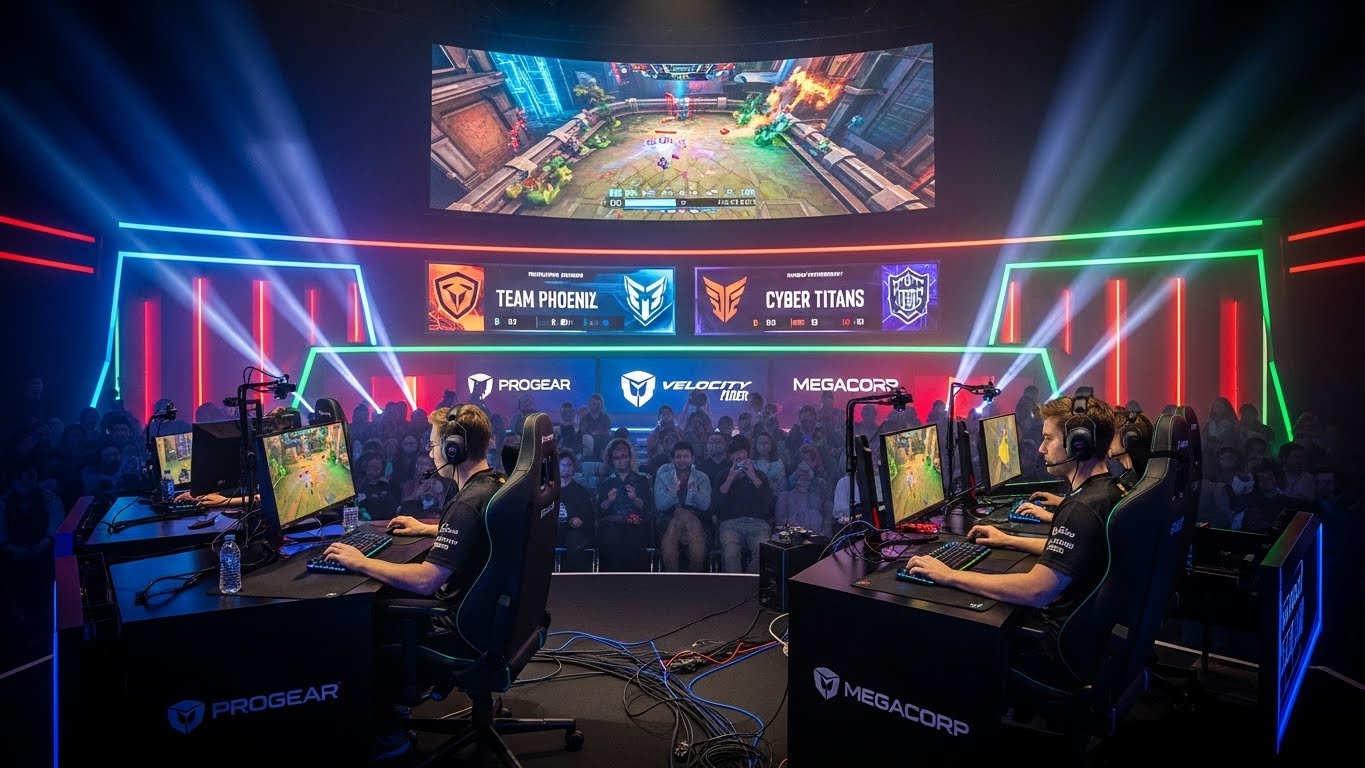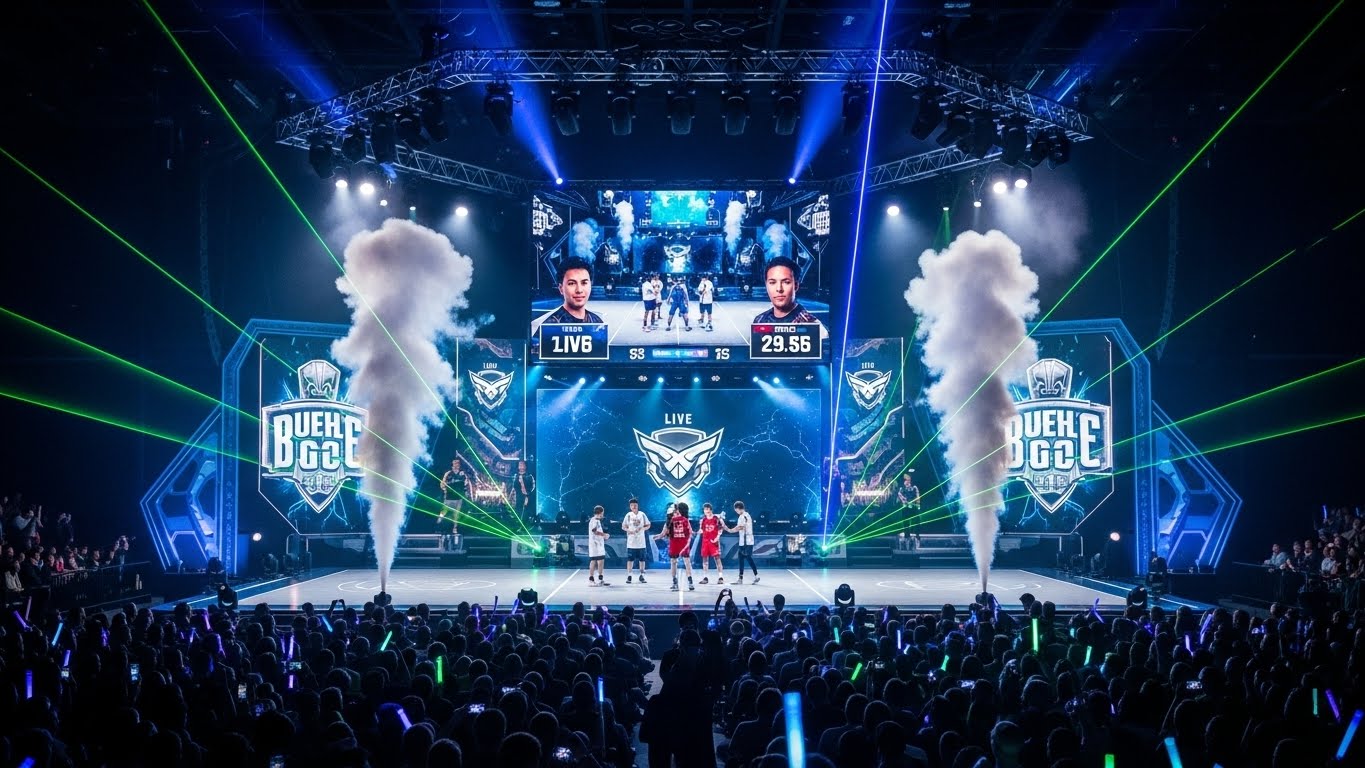
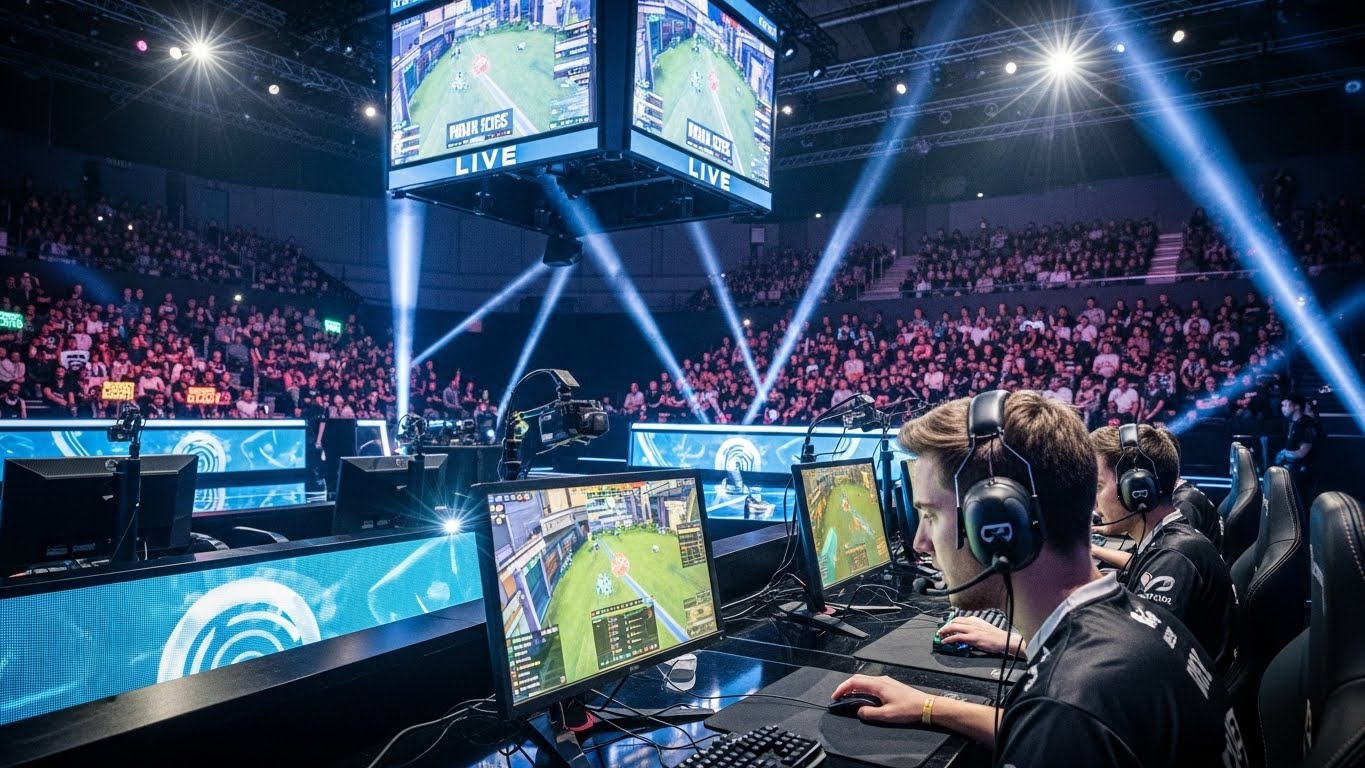
Esports has emerged as one of the most influential forms of modern entertainment, transforming competitive gaming into a global phenomenon. What began as casual contests between friends has evolved into professional tournaments watched by millions around the world. Esports now represents a blend of skill, strategy, technology, and culture, redefining how competition is perceived in the digital age. This blog explores the journey of esports, its structure, its cultural impact, and the future it is shaping.
The Origins of Competitive Gaming
The roots of esports stretch back to the early days of video games, when players competed for high scores in local arcades. These early competitions were informal but sparked a desire for recognition and mastery. As gaming technology advanced, competitive play became more structured, with organized matches and small-scale tournaments.
The introduction of home consoles and personal computers expanded access to competitive gaming. Players could practice extensively, refine strategies, and compete against others beyond their immediate surroundings. The rise of online connectivity marked a turning point, allowing gamers from different regions to face each other in real time, laying the foundation for modern esports.
Understanding What Esports Truly Is
Esports, short for electronic sports, refers to organized, competitive video gaming played at amateur and professional levels. Unlike casual gaming, esports emphasizes skill development, teamwork, and structured competition. Players train consistently, follow rules, and participate in leagues and tournaments that mirror traditional sports formats.
Games featured in esports span various genres, including strategy-based games, first-person shooters, sports simulations, and team-based battle games. Each genre demands specific skills, strategic thinking, and adaptability. This diversity contributes to esports’ broad appeal and competitive depth.
The Professional Esports Ecosystem
The esports industry operates within a well-defined ecosystem. Professional teams recruit talented players, offer contracts, and provide training facilities. These teams often include coaches, analysts, and support staff who help players improve performance and maintain consistency.
Tournaments are organized at regional, national, and international levels, with structured seasons and championship events. These competitions attract live audiences and online viewers, creating an atmosphere similar to major sporting events. The professionalism of esports demonstrates its legitimacy as a competitive discipline.
Skills That Define Esports Excellence
Esports demands a unique combination of physical precision and mental strength. Players must develop exceptional hand-eye coordination, reaction speed, and accuracy. Even milliseconds can determine victory or defeat in high-level competition.
Mental skills are equally important. Strategic planning, situational awareness, adaptability, and decision-making under pressure define elite players. Team-based esports require strong communication, trust, and leadership, highlighting the importance of collaboration and emotional intelligence.
Training and Discipline in Esports
Professional esports players follow rigorous training routines. Daily practice sessions focus on mechanics, strategy, and teamwork. Players analyze gameplay footage to identify weaknesses and refine tactics. This analytical approach mirrors the preparation seen in traditional sports.
Discipline plays a crucial role in maintaining peak performance. Players manage schedules, practice consistently, and follow routines designed to enhance focus and endurance. The commitment required to succeed in esports dispels the myth that competitive gaming lacks seriousness or dedication.
Physical and Mental Health Considerations
Although esports is digitally based, physical health remains important. Extended gaming sessions can strain posture, eyesight, and muscles. As a result, many professional teams incorporate fitness routines, stretching, and ergonomic setups to support physical well-being.
Mental health is increasingly recognized as a critical factor in esports. Competitive pressure, public expectations, and performance anxiety can affect players. Teams now prioritize mental resilience through rest, balanced schedules, and psychological support, ensuring long-term sustainability in players’ careers.
Esports as a Career Path
Esports has opened doors to diverse career opportunities. While professional players often receive the most attention, the industry supports many roles beyond competition. Coaching, commentary, event management, content creation, game development, and marketing are essential components of the esports ecosystem.
Educational institutions have begun integrating esports programs to teach teamwork, leadership, and digital skills. These initiatives demonstrate how esports can support personal development and career growth, extending its value beyond entertainment.
Community and Fan Culture
One of esports’ defining strengths is its passionate community. Fans support teams, follow players, and engage in discussions across digital platforms. This sense of belonging creates strong emotional connections between audiences and the competitive scene.
Esports communities are global and inclusive, bringing together people from different cultures and backgrounds. Fans celebrate victories, analyze matches, and share experiences, forming social bonds that extend beyond the games themselves. This community-driven culture is central to esports’ continued growth.
Cultural Impact of Esports
Esports has significantly influenced modern culture. Competitive gaming terminology, aesthetics, and personalities have entered mainstream awareness. Professional players are admired for their skill and dedication, often becoming role models for aspiring gamers.
Major esports events resemble cultural festivals, combining competition, entertainment, and technology. Music, fashion, and digital media are often integrated into these events, showcasing esports as a dynamic cultural movement rather than a niche activity.
Technology as the Backbone of Esports
Technology underpins every aspect of esports. High-performance hardware, reliable internet connections, and optimized software enable competitive play at elite levels. Game developers continuously update and balance games to ensure fair competition and engaging experiences.
Broadcasting technology has also revolutionized esports viewership. Audiences can watch matches live with expert commentary, analysis, and immersive visuals. These technological advancements enhance accessibility and engagement, expanding esports’ global reach.
Global Expansion and International Competition
Esports is a truly global phenomenon. Players from different continents compete on international stages, representing diverse regions and cultures. Global tournaments bring together the best talent, creating moments of shared excitement and intense rivalry.
Fans follow international competitions with enthusiasm, supporting teams regardless of geographical boundaries. This worldwide participation highlights esports’ ability to transcend language and location, uniting people through shared passion and competition.
Educational and Skill Development Benefits
Participation in esports fosters valuable life skills. Team-based games encourage communication, leadership, and cooperation. Strategic gameplay enhances problem-solving, critical thinking, and adaptability. These skills are transferable to academic and professional environments.
Esports also promotes digital literacy, teaching players to navigate technology, analyze data, and engage responsibly in online spaces. These benefits demonstrate esports’ potential as a tool for learning and personal growth.
Challenges Facing the Esports Industry
Despite its rapid growth, esports faces challenges. Player burnout, lack of standardized regulations in some regions, and issues related to fair treatment remain concerns. Ensuring player welfare and ethical practices is essential for long-term success.
Additionally, managing online behavior and promoting inclusivity are ongoing challenges. Building respectful, supportive communities requires collaboration between developers, organizers, and players. Addressing these issues will help esports mature sustainably.
The Future of Esports
The future of esports is filled with opportunity. Advances in immersive technology, mobile gaming, and interactive broadcasting will continue to expand participation and viewership. New competitive formats and games will keep the industry evolving.
As esports gains broader recognition, it may become more integrated into education, mainstream entertainment, and global sporting culture. Its adaptability and innovation position it as a defining force in the future of competition.
Conclusion
Esports represents a powerful evolution in competitive entertainment, blending technology, strategy, and human ambition. It has transformed gaming into a global platform for skill, collaboration, and cultural expression. Beyond digital screens, esports reflects dedication, resilience, and the universal desire to compete and excel.
As the industry continues to grow, esports will redefine traditional ideas of sports and competition. It offers opportunities for careers, community building, and personal development, proving that digital arenas can inspire real-world impact. Esports is not just the future of gaming; it is a lasting pillar of modern global culture.