Introduction
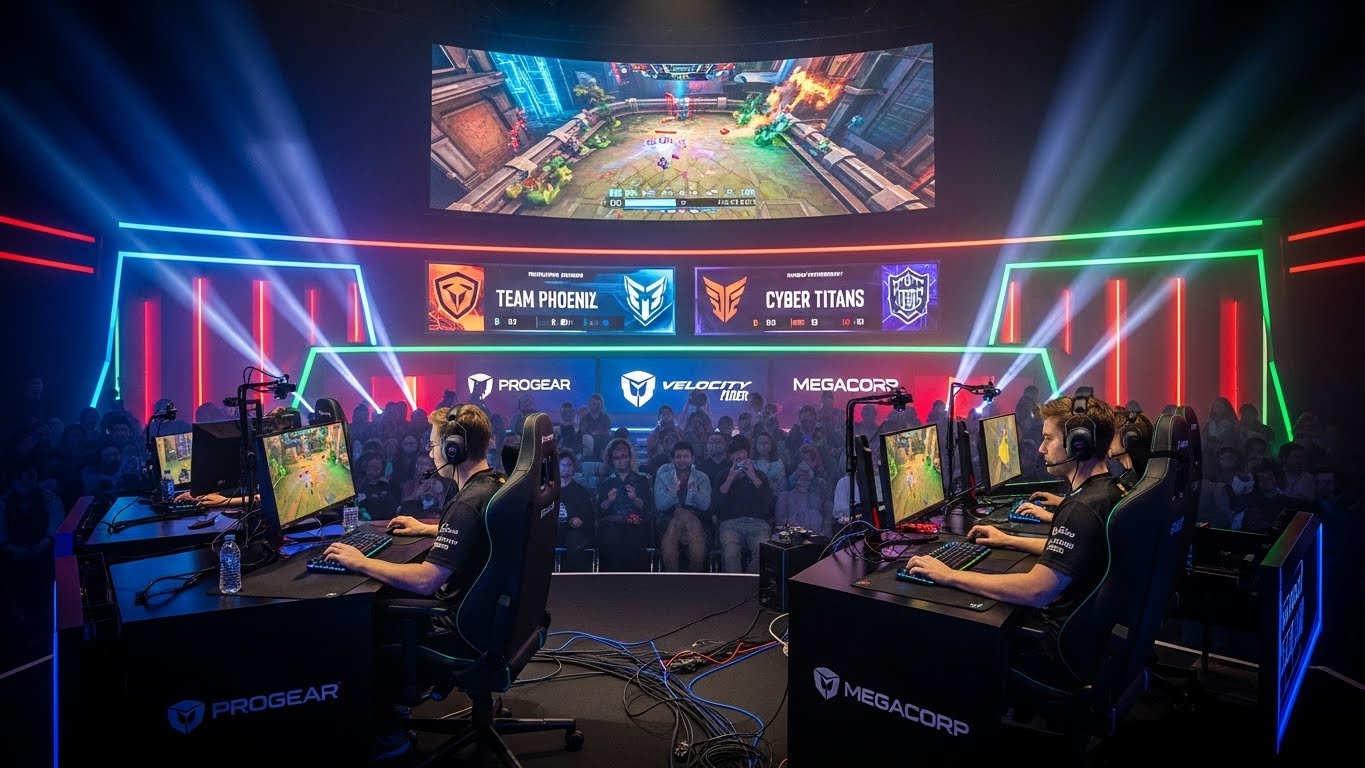
Over the past two decades, the world has witnessed a phenomenal transformation in how people perceive competition, entertainment, and digital interaction. What was once a pastime activity confined to small gaming arcades or bedrooms has evolved into a global cultural and economic powerhouse known as Esports. The term “Esports,” short for electronic sports, represents organized, competitive video gaming, where individuals or teams compete against each other in various video game titles for fame, glory, and significant financial rewards. The journey of Esports from humble beginnings to a billion-dollar industry is a story of innovation, community, technology, and passion.
The Origins of Esports
The history of Esports dates back to the early 1970s when competitive gaming first made an appearance at universities and small community events. One of the earliest known video game competitions was held at Stanford University in 1972 for the game “Spacewar.” The event was small but marked the beginning of what would become an international movement. By the 1980s, with the rise of arcade games such as Pac-Man and Donkey Kong, competitions began to appear in local gaming centers and even television programs.
In the 1990s, the gaming landscape underwent a significant transformation. The introduction of the internet and multiplayer connectivity revolutionized how players could compete. Games like Doom, Quake, and StarCraft allowed people to play against opponents from around the world. South Korea, in particular, became a hotbed for professional gaming. The country’s focus on technological infrastructure and broadband internet led to the establishment of professional gaming leagues, dedicated TV channels, and sponsorship deals that would later inspire the rest of the world.
The Early Days of Online Competitive Gaming
As the internet became more accessible, online multiplayer gaming flourished. The late 1990s and early 2000s saw the emergence of iconic titles such as Counter-Strike, Warcraft III, and Halo, which were among the first games to attract a dedicated competitive following. LAN parties became popular events where players brought their computers together to compete in local networks.
The sense of community and camaraderie built through these events laid the groundwork for professional Esports organizations. Amateur players began forming teams, developing strategies, and competing in regional tournaments. As the competition grew, sponsors and game developers started taking notice, leading to the creation of structured tournaments with cash prizes.
The Role of Technology in Esports Growth
Technology has played a pivotal role in shaping Esports into what it is today. Advancements in gaming hardware, internet speeds, and streaming platforms have made it possible for millions of people to compete and watch games in real time. High-definition graphics, responsive controls, and immersive sound have turned gaming into a cinematic experience.
The introduction of live streaming platforms such as Twitch and YouTube Gaming revolutionized the way fans interacted with Esports. Viewers could watch their favorite players compete, chat with others in real time, and even learn professional techniques. This interaction transformed gaming from a solitary hobby into a social phenomenon. The accessibility of streaming allowed even amateur players to showcase their talents to a global audience, further fueling the industry’s growth.
The Professionalization of Esports
The professionalization of Esports marked a turning point in its history. What began as small, community-driven tournaments evolved into highly organized, multi-million-dollar leagues. Professional teams now operate like traditional sports organizations, complete with coaches, analysts, nutritionists, and managers. Players sign contracts, train for hours daily, and compete in global tournaments watched by millions.
Games like League of Legends, Dota 2, and Counter-Strike: Global Offensive became pillars of Esports culture. These titles offered deep strategic gameplay, balanced competition, and massive international tournaments. The League of Legends World Championship, for example, draws millions of viewers annually and offers prize pools comparable to some traditional sports events. Dota 2’s “The International” consistently breaks records with its community-funded prize pools, sometimes exceeding tens of millions of dollars.
The Global Expansion of Esports
Esports is no longer a niche interest confined to specific countries or demographics. It has become a global phenomenon that transcends cultural and linguistic barriers. Asia, particularly South Korea and China, remains a dominant force in the industry, producing many of the top professional players and teams. North America and Europe have also developed strong competitive scenes, supported by major investments from corporations and sports franchises.
In recent years, regions like the Middle East, Africa, and South America have also begun to embrace Esports, hosting international tournaments and developing local gaming infrastructure. This expansion reflects the universal appeal of gaming. Unlike traditional sports, Esports is not limited by physical geography or weather conditions; all that’s needed is a computer, console, or mobile device and a stable internet connection.
The Rise of Mobile Esports
While PC and console gaming dominate the professional scene, mobile Esports has rapidly gained popularity, especially in developing countries. Games like PUBG Mobile, Mobile Legends, and Free Fire have transformed smartphones into gateways to competitive gaming. Mobile Esports offers accessibility and inclusivity, enabling millions of players without high-end gaming setups to compete professionally.
Mobile tournaments attract massive audiences both online and offline, with some events filling stadiums. The success of mobile gaming demonstrates the adaptability of Esports and its ability to evolve alongside technological trends.
Esports as a Career Path
The perception of gaming as a legitimate career has shifted dramatically over the past decade. In the early 2000s, professional gaming was often viewed as a hobby rather than a profession. Today, however, Esports athletes can earn substantial incomes through tournament winnings, sponsorships, streaming, and brand partnerships. Top players and teams are now treated like celebrities, enjoying fame and recognition similar to that of traditional athletes.
Beyond players, Esports has created thousands of jobs in event management, marketing, broadcasting, content creation, coaching, and game development. Universities around the world now offer Esports management programs, scholarships, and research opportunities, further solidifying its legitimacy as an industry.
The Role of Sponsorships and Branding
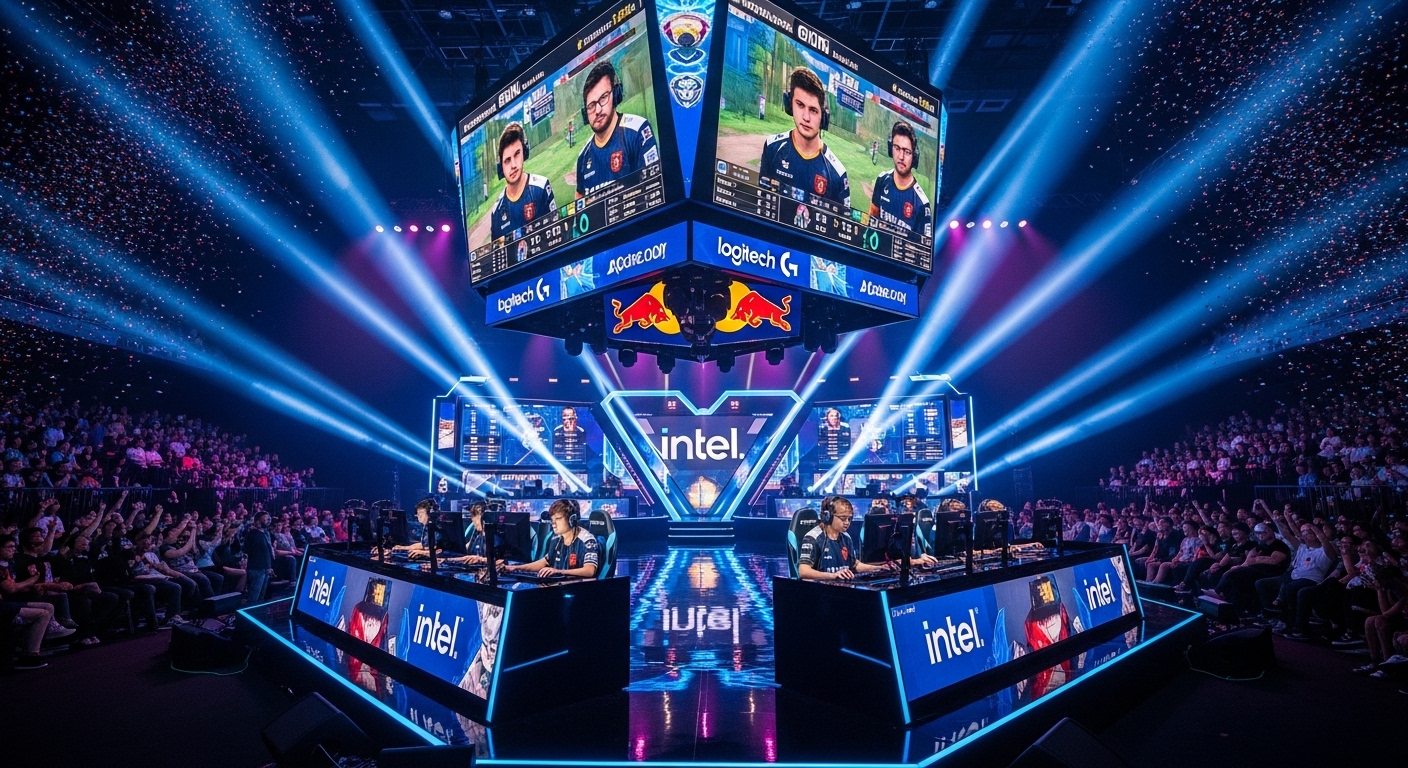
Corporate sponsorship has become one of the main driving forces behind Esports’ rapid growth. Global brands from various industries, including technology, energy drinks, automotive, and apparel, have invested heavily in Esports events and teams. Sponsorship deals provide financial stability to players and organizations while promoting products to a younger, tech-savvy audience.
Major companies have recognized the power of Esports to reach the digital generation. Traditional advertising methods often fail to engage younger audiences, but Esports provides a direct connection through live events, social media, and influencer partnerships. This symbiotic relationship between brands and the gaming community has played a crucial role in mainstream acceptance.
The Cultural Impact of Esports
Esports is more than just a competition; it is a cultural movement that has reshaped entertainment, communication, and social interaction. It has created a global community where individuals from different backgrounds connect through a shared passion for gaming. Online platforms have allowed fans to build friendships, form communities, and even collaborate creatively.
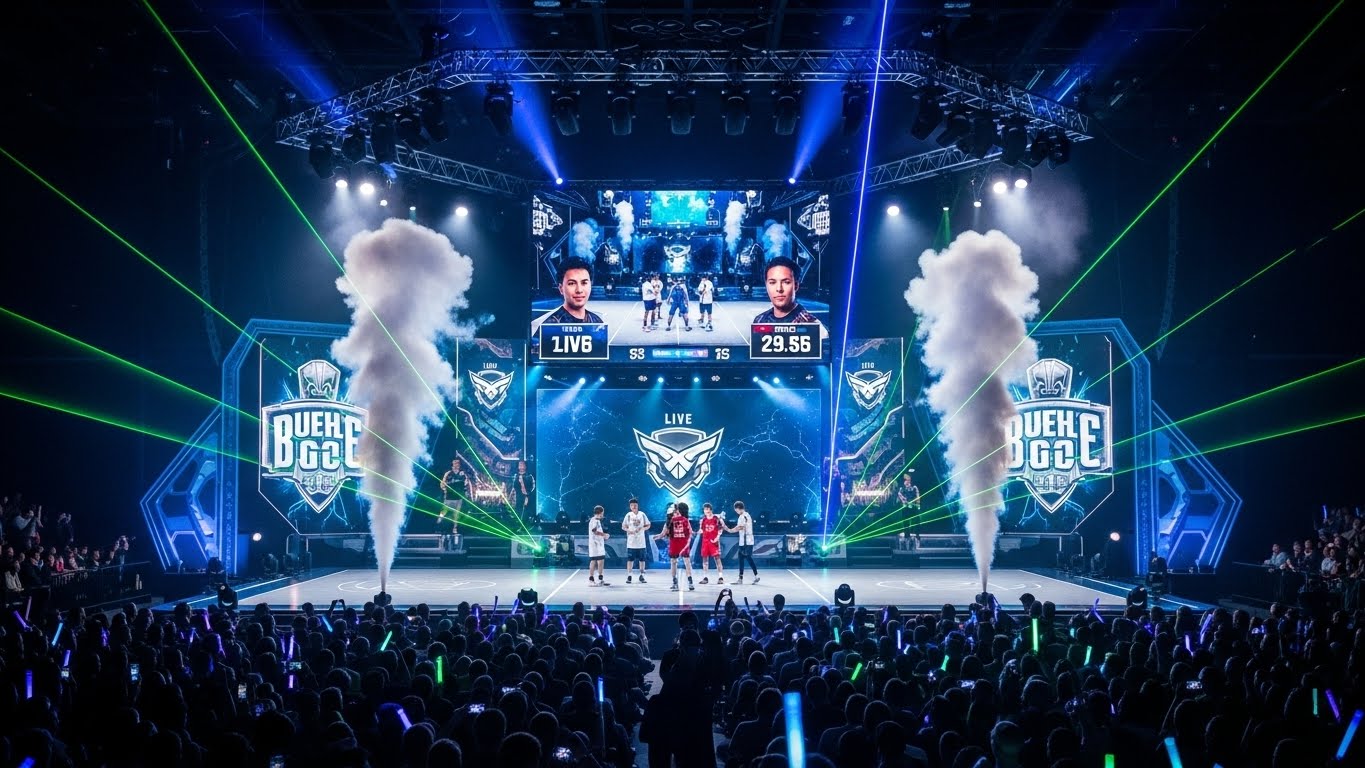
The aesthetics of gaming—such as character design, music, and storytelling—have influenced fashion, art, and media. Esports tournaments are not just contests but grand spectacles filled with music performances, visual effects, and celebrity appearances. The blend of gaming and pop culture has made Esports one of the most dynamic entertainment forms of the 21st century.
Challenges Faced by the Esports Industry
Despite its rapid success, Esports faces several challenges. One of the major concerns is player burnout. Professional gamers often train for 10 to 12 hours a day, which can lead to physical and mental exhaustion. Maintaining a balanced lifestyle is difficult, especially for younger players who enter the competitive scene early.
Another challenge lies in regulation and standardization. Unlike traditional sports governed by federations, Esports lacks a unified global structure. Each game developer typically manages its own competitive ecosystem, which can create inconsistencies in rules, player rights, and tournament organization.
Toxicity and online harassment also remain issues within the gaming community. Developers and organizations are working to foster more inclusive and respectful environments, but there is still progress to be made. Additionally, the rapid commercialization of Esports raises concerns about maintaining authenticity and fair play amid growing financial pressures.
The Role of Education and Institutions
Educational institutions have started recognizing the importance of Esports in modern society. Schools and universities now have dedicated Esports clubs, varsity teams, and even degrees focused on Esports management, marketing, and production. These programs not only prepare students for careers in the industry but also teach valuable skills such as teamwork, communication, and strategic thinking.
Moreover, Esports can serve as a gateway to STEM education. Games often require players to understand complex systems, data analysis, and problem-solving—all of which align with STEM fields. By integrating gaming into education, institutions are finding innovative ways to engage students.
The Future of Esports
The future of Esports looks brighter than ever. As technology continues to evolve, so will the gaming experience. Virtual reality and augmented reality are expected to play significant roles in the next generation of Esports. These technologies could make competitions more immersive, offering players and viewers experiences unlike anything seen before.
Artificial intelligence will also contribute to improving player performance and audience engagement. AI-driven analytics can help teams develop better strategies, predict opponent behavior, and enhance training routines. Additionally, blockchain technology and digital collectibles are opening new avenues for fan engagement and monetization.
Mainstream recognition of Esports continues to grow. Major broadcasters, sports leagues, and governments are investing in Esports infrastructure. Some countries have even begun to recognize professional gamers as athletes, providing them with the same legal status and benefits as traditional sports players.
The Psychological and Social Benefits of Esports
While often criticized for promoting screen time, Esports also provides numerous cognitive and social benefits. Competitive gaming improves hand-eye coordination, decision-making, and multitasking skills. It fosters teamwork, communication, and resilience, especially in team-based games where collaboration is essential.
For many individuals, gaming offers a sense of belonging and community. Online platforms create opportunities for friendships across borders, promoting cultural understanding and cooperation. Esports can also serve as a source of motivation and inspiration, encouraging players to pursue excellence and creativity.
Conclusion
Esports has come a long way from its modest origins to becoming a defining cultural and economic force in the modern world. It has redefined entertainment, blurred the lines between physical and digital sports, and created opportunities for millions of people worldwide. The journey of Esports reflects humanity’s innate drive to compete, innovate, and connect.
As technology advances and society continues to embrace digital experiences, Esports will undoubtedly continue to grow, evolve, and inspire future generations. It is not just about playing games; it is about building communities, fostering creativity, and celebrating the limitless potential of human skill and imagination. The world of Esports stands as a testament to how passion, technology, and collaboration can transform a simple pastime into a global phenomenon that shapes the future of entertainment and culture.