Esports has evolved from humble beginnings into a global phenomenon that continues to shape the entertainment industry. In the span of just a few decades, competitive gaming has grown from an obscure hobby to a multimillion-dollar industry, attracting massive audiences, sponsorships, and professional players. In this blog post, we will explore the origins of esports, its current landscape, and the factors contributing to its rapid growth, while examining the broader implications of this cultural shift.
The Origins of Esports: From Arcade Games to Online Tournaments
The origins of esports can be traced back to the early days of gaming, with the first competitive video game tournaments occurring in the 1970s. One of the first significant events was the “Space Invaders Championship” held in 1980 by Atari. While this event was a small-scale competition, it marked the beginning of competitive gaming’s potential. However, it wasn’t until the 1990s that esports began to gain more widespread attention.
The rise of online multiplayer games such as Warcraft and Quake in the late 1990s and early 2000s laid the groundwork for the competitive scene that would come to define modern esports. Players could now compete against each other from across the globe, and the concept of online tournaments began to take shape. The introduction of dedicated esports leagues and tournaments, such as the World Cyber Games (WCG) and Electronic Sports World Cup (ESWC), further solidified esports’ position as a legitimate form of competition.
The Growth of Esports: A New Era of Professional Gaming
As technology continued to advance, so too did the world of competitive gaming. The early 2000s saw the explosion of multiplayer online battle arena (MOBA) games like League of Legends, real-time strategy games (RTS) such as StarCraft II, and first-person shooters (FPS) like Counter-Strike and Call of Duty. These games quickly became staples of the esports scene, with dedicated professional teams, organizations, and players emerging in the process.
One of the pivotal moments in the growth of esports was the launch of Twitch, the live-streaming platform specifically designed for gamers. Established in 2011, Twitch provided an accessible way for both casual and professional gamers to showcase their skills, interact with fans, and even monetize their streams. The platform became a game-changer for the esports community, enabling fans to watch tournaments live and creating opportunities for players to build careers out of their gaming talents.
As esports gained momentum, larger corporations and tech giants began to take notice. Companies like Intel, Red Bull, and Coca-Cola jumped on board, sponsoring tournaments and establishing partnerships with top esports organizations. This influx of investment helped professionalize the scene, with players being paid salaries, tournaments offering multi-million-dollar prize pools, and esports organizations building infrastructure to support their teams.
The Global Reach of Esports: A Worldwide Community
What sets esports apart from traditional sports is its ability to bring together people from all corners of the globe. Unlike physical sports that are limited by geographical boundaries, esports allows players to compete from any location with a stable internet connection. This has resulted in the creation of a truly international community of gamers, with millions of fans tuning in to watch their favorite teams and players from across the world.
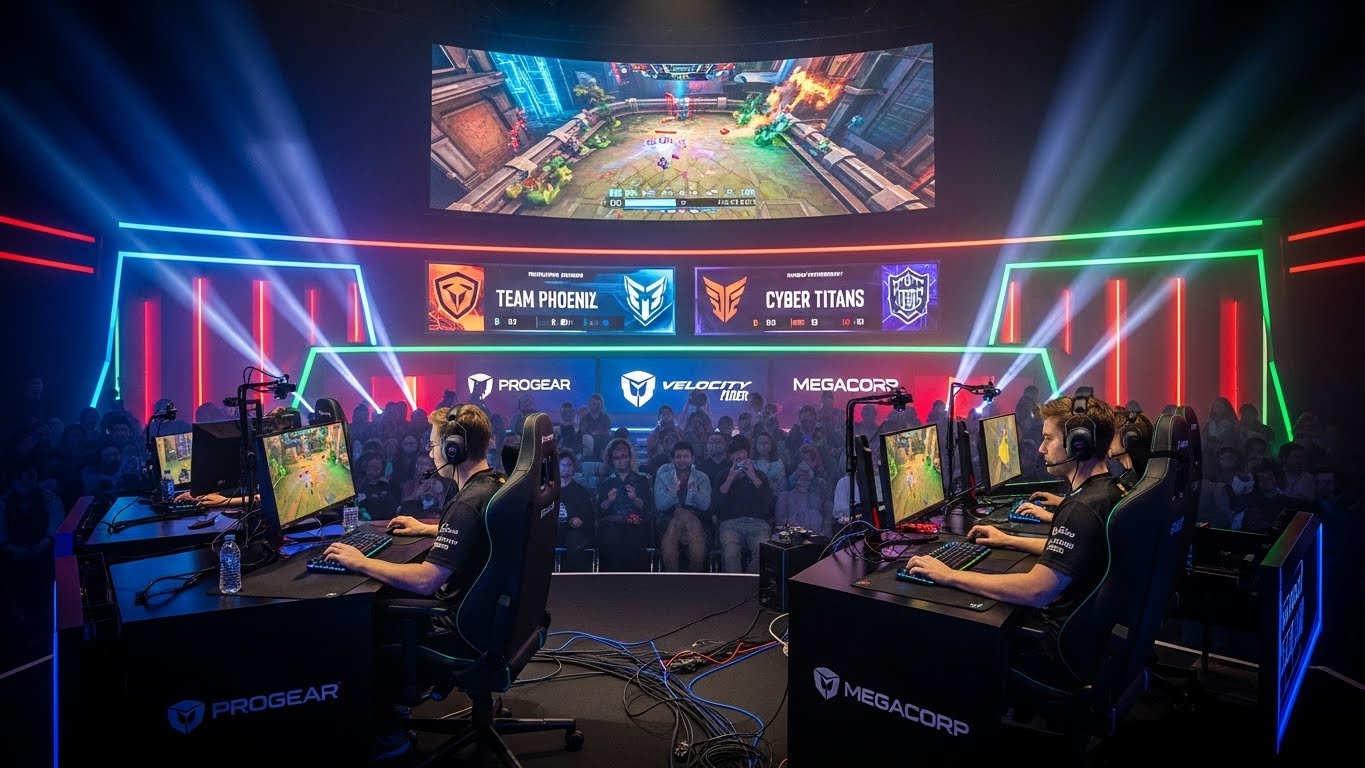
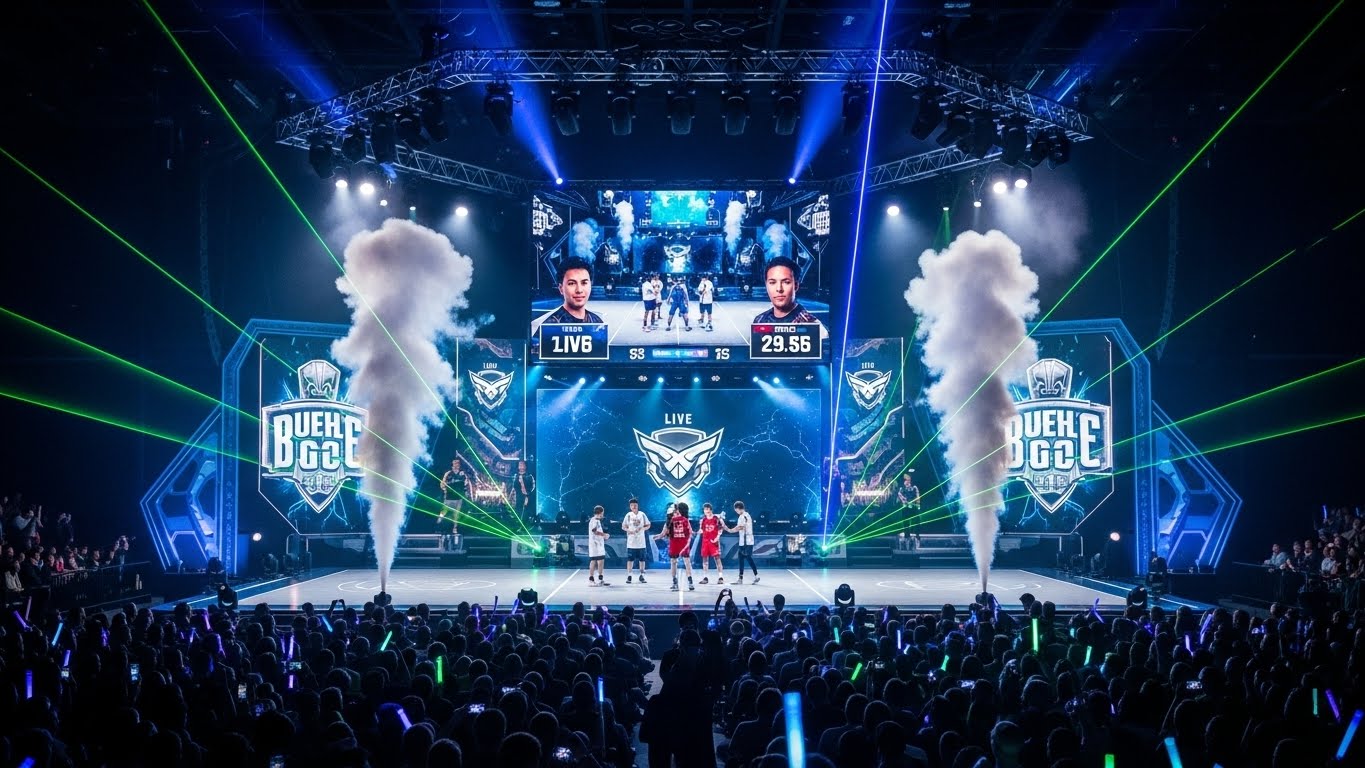
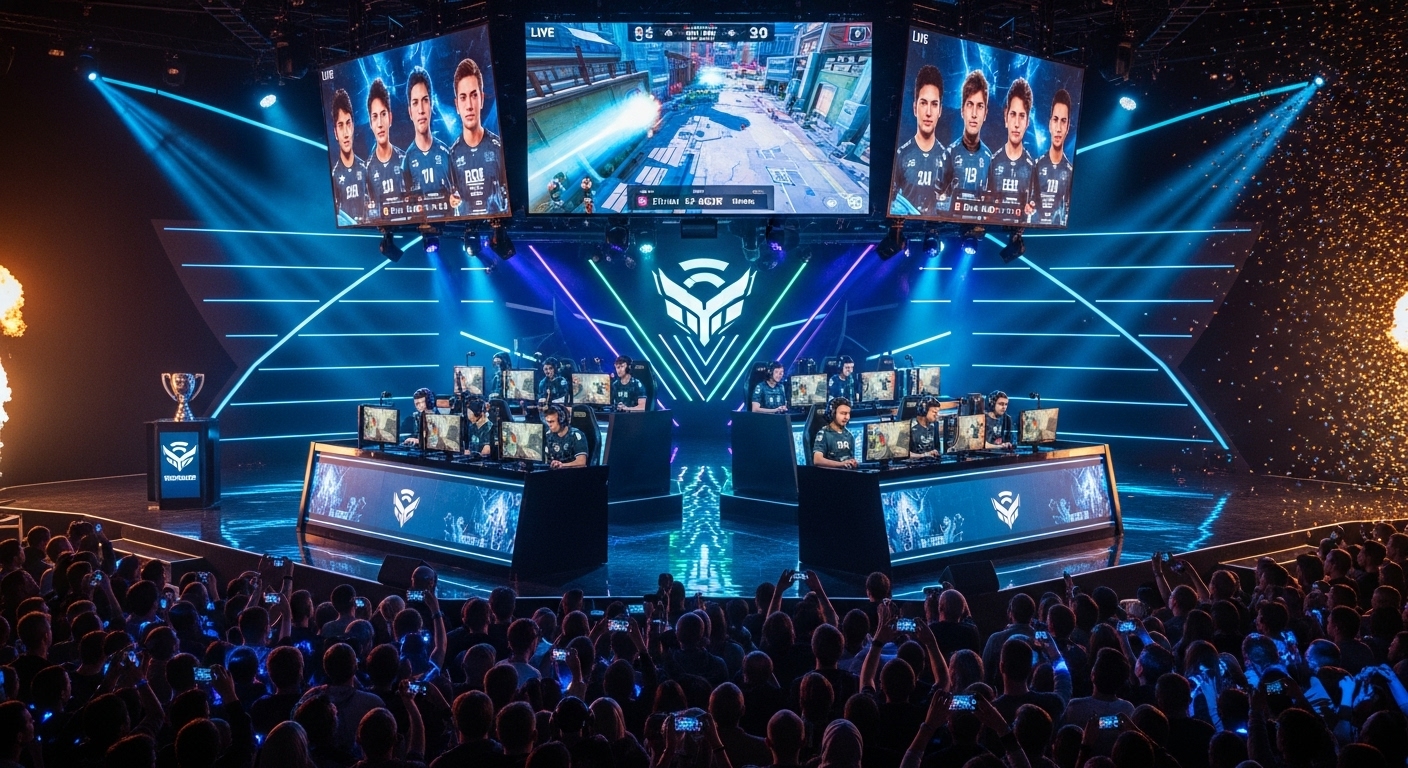
One of the most significant contributors to the global reach of esports has been the proliferation of esports tournaments. Events such as The International (for Dota 2), League of Legends World Championship, and CS:GO Major Championships attract massive live audiences and are broadcast to millions of viewers through streaming platforms like Twitch and YouTube. These tournaments have become cultural events in their own right, with sold-out arenas, live commentary, and high-profile sponsorships.
The rise of esports in regions such as South Korea, China, Europe, and North America has been particularly notable. South Korea, often considered the birthplace of modern esports, has a rich esports culture, with players treated like celebrities and tournaments drawing huge crowds. China and Europe, too, have become hotbeds for esports talent, with professional leagues and franchises flourishing in these regions.
Esports as a Career: Professional Gamers and Their Impact
For many, the idea of making a living playing video games seemed like a far-fetched dream. However, esports has now provided a legitimate career path for thousands of professional gamers worldwide. Players compete in tournaments, join esports organizations, and sign sponsorship deals with brands to sustain their careers.
A professional gamer’s journey typically begins in the amateur scene, where players build a reputation by competing in smaller tournaments and participating in online leagues. As they rise through the ranks, they may attract the attention of professional teams, which often offer them contracts that provide salaries, coaching, and support. The most successful players can earn substantial income through tournament prize money, sponsorships, and streaming platforms.
In addition to the players, there are also many other roles within the esports ecosystem that contribute to its growth. Coaches, analysts, team managers, content creators, broadcasters, and event organizers all play pivotal roles in the success of the industry. The rise of esports has also created opportunities for those interested in fields like marketing, public relations, and broadcasting, further expanding the reach of the industry.
Esports and its Influence on Popular Culture
Esports has also had a significant impact on popular culture. Once viewed as a niche hobby, gaming is now mainstream, with esports being featured on television, in movies, and even in traditional sports events. Major sports networks like ESPN and Turner Sports have begun to broadcast esports tournaments, while prominent celebrities have expressed interest in the scene. The influence of esports can also be seen in the music industry, with artists like Imagine Dragons and Zedd collaborating with gaming organizations and events.
The integration of esports into the broader entertainment industry has helped validate its cultural significance. Video games, once thought of as a pastime for children and outcasts, are now recognized as a legitimate form of entertainment and even art. This shift in perception has led to more widespread acceptance of esports, with schools and universities offering esports scholarships and academic programs in game design, esports management, and broadcasting.
The Future of Esports: Challenges and Opportunities
While the growth of esports has been nothing short of remarkable, the industry faces several challenges as it continues to evolve. One of the biggest hurdles is sustainability. While esports has seen explosive growth in recent years, questions remain about whether the industry can maintain its momentum over the long term. Will the audience continue to grow, or will interest plateau? The answer lies in the continued evolution of the games themselves, the quality of the tournaments, and the ability of the industry to adapt to changing trends in technology and consumer behavior.
Another challenge is ensuring the mental and physical well-being of professional players. Esports requires intense focus and long hours of practice, which can take a toll on a player’s mental health. Some players have experienced burnout or struggled with the pressure of constant competition. Organizations are beginning to invest in player health programs and support systems, but maintaining a healthy work-life balance will be crucial as the industry matures.
Despite these challenges, the future of esports remains bright. The rapid advancement of technology, including virtual reality (VR) and augmented reality (AR), will likely open up new possibilities for the industry. We may see even more immersive experiences for both players and fans, further blurring the lines between gaming and reality. As esports continues to gain mainstream recognition, we can expect to see it grow into an even more integral part of global culture, with new innovations and opportunities on the horizon.
Conclusion: A New Era of Entertainment
Esports has come a long way from its humble beginnings in the arcades of the 1980s. What was once a niche hobby has now become a global industry that continues to grow in size and influence. From its international reach to the rise of professional gaming careers, esports is shaping the future of entertainment. While challenges remain, the continued evolution of technology and the growing cultural acceptance of gaming suggest that the best is yet to come. Esports is no longer just a pastime—it is a revolution in the world of competitive entertainment, and its impact will be felt for generations to come.