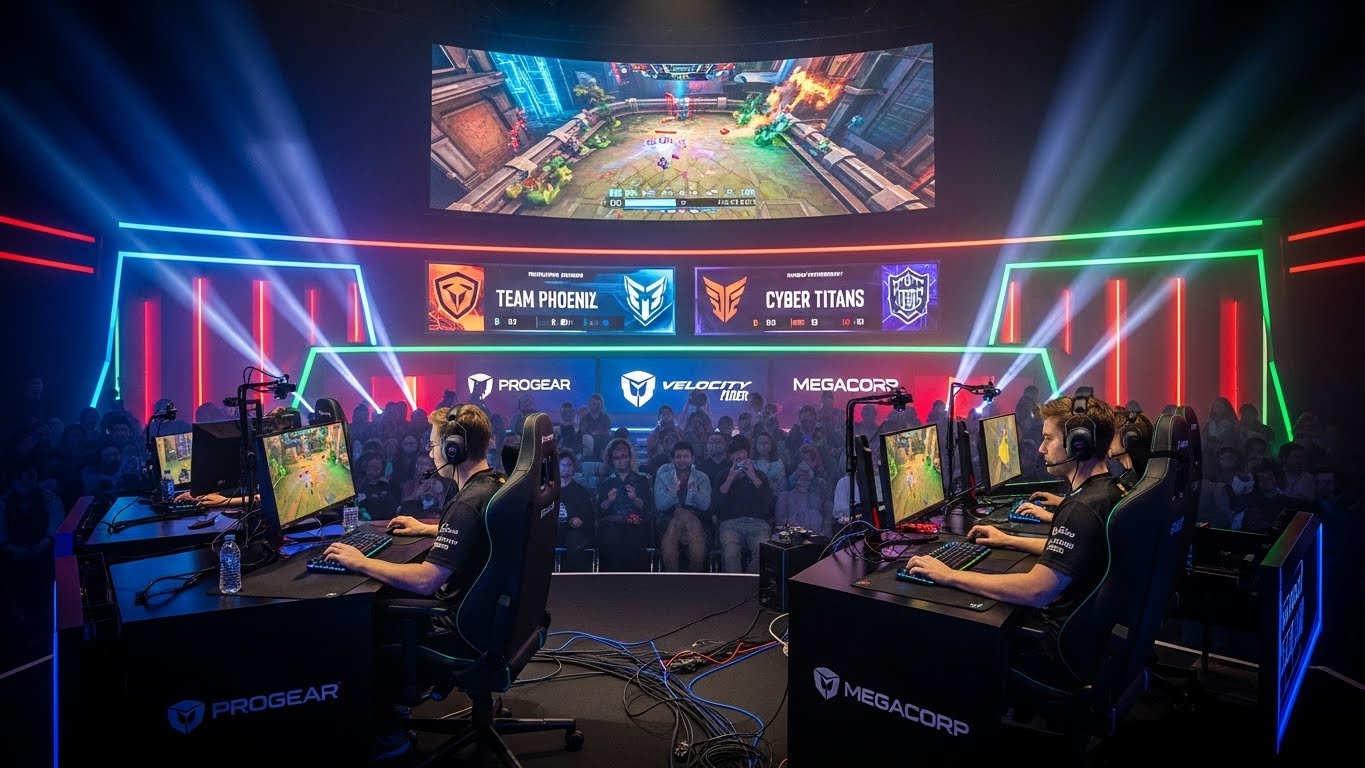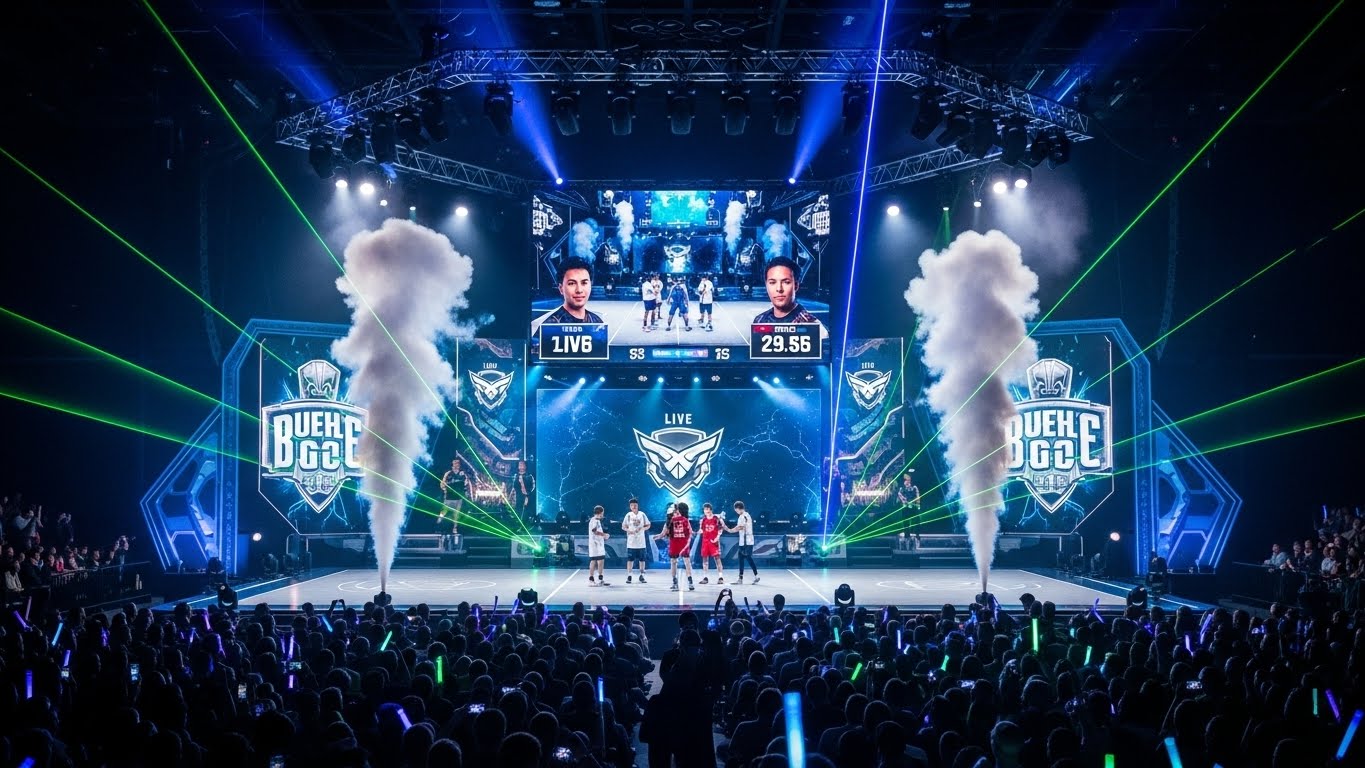
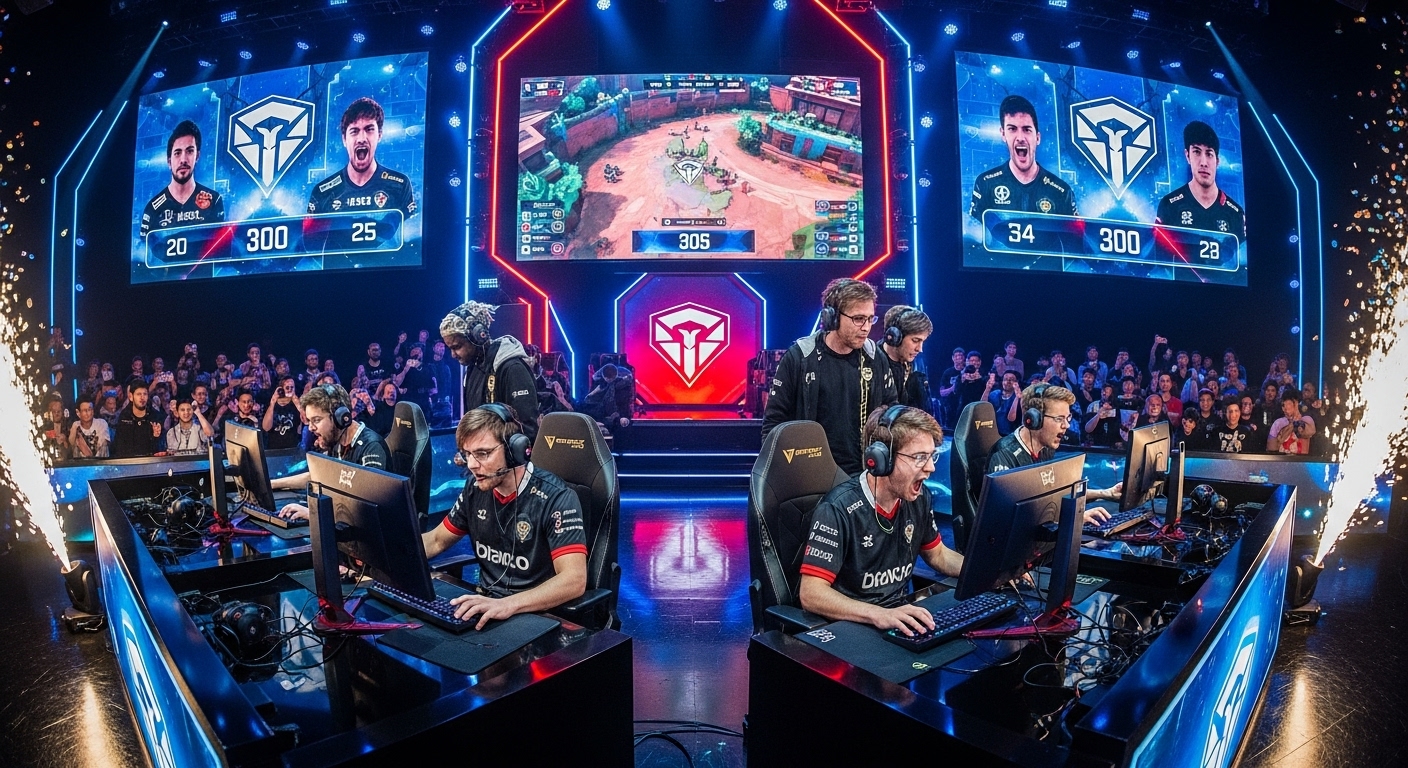
Esports, or electronic sports, has rapidly evolved from a niche activity into a multibillion-dollar industry with a global fanbase, professional players, and massive tournaments that attract millions of viewers. Once seen as a hobby or a form of entertainment for “gamers,” esports now rivals traditional sports in terms of popularity, revenue, and cultural influence. Whether it’s players competing for large prize pools in games like League of Legends, Dota 2, or Fortnite, or the dedicated fans who watch them on streaming platforms like Twitch and YouTube, esports has emerged as a driving force in the digital age.
In this blog post, we will explore the rise of esports, its impact on gaming culture, the economics behind it, the competitive aspect of professional play, and the future of this rapidly growing industry.
The Origins of Esports: A Growing Passion for Competitive Gaming
Esports isn’t a recent phenomenon. It has its roots in the early days of video gaming, where players would compete informally with friends or in small local events. However, the origins of organized esports can be traced back to the late 1990s and early 2000s, when tournaments started to gain traction in South Korea and other parts of Asia.
One of the key milestones in esports history was the launch of StarCraft, a real-time strategy game developed by Blizzard Entertainment. Released in 1998, StarCraft became hugely popular in South Korea, where players began competing in tournaments that were broadcast on television. The rise of dedicated esports teams, sponsorships, and organized leagues during this time laid the groundwork for what would become a global esports movement.
In the years that followed, games like Counter-Strike, Warcraft III, and Quake further solidified competitive gaming as a legitimate sport, and large-scale tournaments like the World Cyber Games and Electronic Sports World Cup began to attract international attention.
By the mid-2000s, esports was becoming more mainstream, especially with the advent of streaming platforms like Twitch. Players no longer needed to be in the same location to compete; they could now stream their gameplay to an online audience and compete against others from all over the world. The accessibility of the internet and advancements in streaming technology played a pivotal role in the exponential growth of esports.
The Global Appeal of Esports: A Diverse and Expanding Audience
Esports’ appeal transcends traditional barriers of geography, age, and culture. While South Korea was one of the earliest adopters of esports as a mainstream form of entertainment, other countries, particularly in North America, Europe, and China, have embraced the phenomenon as well.
In countries like the United States and Canada, competitive gaming has evolved from small tournaments to massive professional leagues and organizations, with esports players becoming celebrities in their own right. China, with its vast population and growing interest in technology, has also become a powerhouse in the esports industry, particularly in games like League of Legends, Arena of Valor, and Dota 2.
Moreover, esports has reached an entirely new audience with the rise of online streaming. Platforms like Twitch, YouTube Gaming, and Facebook Gaming allow viewers to watch their favorite players, teams, and tournaments live, with interactive features that let them engage directly with content creators. In fact, the number of esports viewers has surpassed 500 million globally, and this number continues to rise as the industry matures.
Unlike traditional sports, esports also attracts a younger demographic, with a significant portion of its audience aged 18 to 34. This younger audience is tech-savvy, spends considerable time online, and has a deep connection to gaming culture, making esports a natural fit for them. The ability to watch esports events on demand, follow favorite players on social media, and interact with fellow fans in real-time has helped to build a dedicated global community around competitive gaming.
The Economics of Esports: From Sponsorships to Streaming Revenue
Esports is no longer just a hobby or a small subculture; it has become a significant part of the global entertainment economy. The revenue generated by esports comes from various sources, including sponsorships, advertising, merchandise, ticket sales, broadcasting rights, and streaming platforms.
Sponsorships and Advertisements
One of the largest sources of revenue in esports comes from sponsorships. Major brands such as Intel, Coca-Cola, Red Bull, and Nike have all invested heavily in the esports market. These companies see esports as an opportunity to reach a highly engaged, tech-savvy audience that is difficult to access through traditional advertising channels.
Esports tournaments, teams, and individual players often sign sponsorship deals that include product placements, logo displays, and advertising rights during live streams and events. As the esports audience continues to grow, these sponsorships become more lucrative, further fueling the industry’s expansion.
Broadcasting and Streaming Rights
The rise of streaming platforms like Twitch and YouTube Gaming has revolutionized the way esports events are consumed. Live streaming has become the go-to platform for fans to watch their favorite games and players in action. The broadcasting rights to major esports tournaments are now highly sought after, with platforms like YouTube and Amazon’s Twitch paying large sums to secure exclusive content.
Streaming also offers monetization opportunities for content creators. Streamers can earn money through viewer donations, subscriptions, ad revenue, and sponsorship deals. This has turned some professional players and streamers into full-time entrepreneurs who make substantial incomes through their gaming and streaming careers.
Prize Pools and Ticket Sales
Esports tournaments, particularly those associated with games like Dota 2, League of Legends, and Counter-Strike, boast multi-million-dollar prize pools. The International, the premier Dota 2 tournament, has set records for the largest prize pool in esports history, with over $40 million in 2021. The ability for players to win large sums of money from these tournaments has drawn attention to esports as a viable career path.
In addition to prize money, esports tournaments often generate revenue from ticket sales, where fans pay to attend live events and experience the action in person. Large esports arenas, such as the Barclays Center in New York and the Mercedes-Benz Arena in Berlin, host some of the biggest global tournaments, selling out for events and offering a live experience that complements the online viewership.
Professional Esports: The Life of a Competitive Gamer
Professional esports players are not just “gamers” in the traditional sense; they are athletes in a highly competitive environment. To succeed in esports, players must train rigorously, maintain peak mental and physical health, and stay ahead of rapidly changing game dynamics.
Training and Practice
Just like athletes in traditional sports, professional esports players spend hours each day training and practicing their skills. This can include honing individual gameplay mechanics, studying opponents, analyzing previous matches, and collaborating with teammates to improve team dynamics. Players also often work with coaches who help them strategize, stay motivated, and avoid burnout.
Esports training can be grueling, with some players practicing for 8-10 hours a day. Staying sharp in fast-paced games like Counter-Strike: Global Offensive or Overwatch requires intense focus, quick reflexes, and constant adaptation.
Teamwork and Communication
Many popular esports games are team-based, which means that players must develop excellent communication skills and work together to execute complex strategies. Games like League of Legends and Overwatch require players to coordinate with teammates in real-time, often under extreme pressure. This makes teamwork and collaboration a crucial element of success in esports.
Esports teams operate much like professional sports teams, with players signing contracts, attending boot camps, and traveling to compete in tournaments. These teams are also supported by analysts, managers, and other staff who help prepare the players both mentally and physically for competition.
Health and Well-being
The lifestyle of a professional gamer can take a toll on physical and mental health. Long hours spent sitting at a desk, intense focus, and constant exposure to screens can lead to health issues such as repetitive strain injuries, eye strain, and sleep deprivation. Many professional players now work with nutritionists, physiotherapists, and psychologists to maintain their overall well-being and prevent burnout.
The Future of Esports: Innovation and Global Growth
As esports continues to grow, the future promises exciting innovations and expansions.
Virtual Reality (VR) and Augmented Reality (AR)
The integration of VR and AR into esports could open up entirely new dimensions of gaming. Imagine stepping into a fully immersive environment where the physical movements of players are translated into their in-game actions. This could revolutionize not just how games are played, but also how they are spectated, offering a more interactive and immersive experience for viewers.
Esports in Mainstream Media
Esports is already finding its way into traditional media. Major networks like ESPN and NBC have started broadcasting esports events, and the integration of esports into the Olympics has even been discussed. As more traditional sports outlets recognize the appeal and professionalism of esports, its visibility will increase, attracting even more sponsors, fans, and players.
Esports as a Career
With the growing recognition of esports as a legitimate career path, more young people are choosing to pursue gaming professionally. Universities are offering scholarships for esports athletes, and high schools are starting to establish esports teams. The rise of esports academies and coaching services will continue to support the next generation of professional gamers.
Conclusion: The Ever-Evolving Esports Ecosystem
Esports has undergone an incredible transformation from its early days as a hobby to becoming one of the most lucrative and influential industries in the world. With its expanding audience, lucrative sponsorships, and dedicated players, esports is not just a passing trend; it’s a fundamental part of modern entertainment culture