Introduction
In the last decade, a new form of competition has captured the attention of millions worldwide: esports. Competitive gaming has transformed from a niche hobby into a global phenomenon, attracting professional players, fans, sponsors, and investors alike. Today, esports tournaments fill arenas, draw massive online audiences, and even rival traditional sports in terms of popularity and revenue. But esports is more than entertainment—it is a cultural revolution that influences technology, careers, social interaction, and the way we perceive competition. This blog explores the rise of esports, its impact on society, and its potential for the future.
The Origins of Esports
Esports traces its roots back to the late 20th century, when arcade gaming and early computer competitions emerged. Early tournaments were modest, often held in local arcades or college campuses. Games like Pong, Pac-Man, and later competitive titles like StarCraft laid the foundation for competitive gaming culture.
With the advent of online connectivity in the late 1990s and early 2000s, esports began to evolve. Multiplayer games such as Counter-Strike, Warcraft, and Dota allowed players from around the world to compete in real-time, creating global communities and organized competitions. These developments marked the beginning of esports as a serious and structured form of competition.
The Global Explosion of Esports
In the 2010s, esports experienced an unprecedented surge in popularity. High-profile tournaments for games like League of Legends, Fortnite, and Call of Duty attracted millions of viewers online. Streaming platforms enabled fans to watch live matches, interact with players, and follow their favorite teams and personalities.
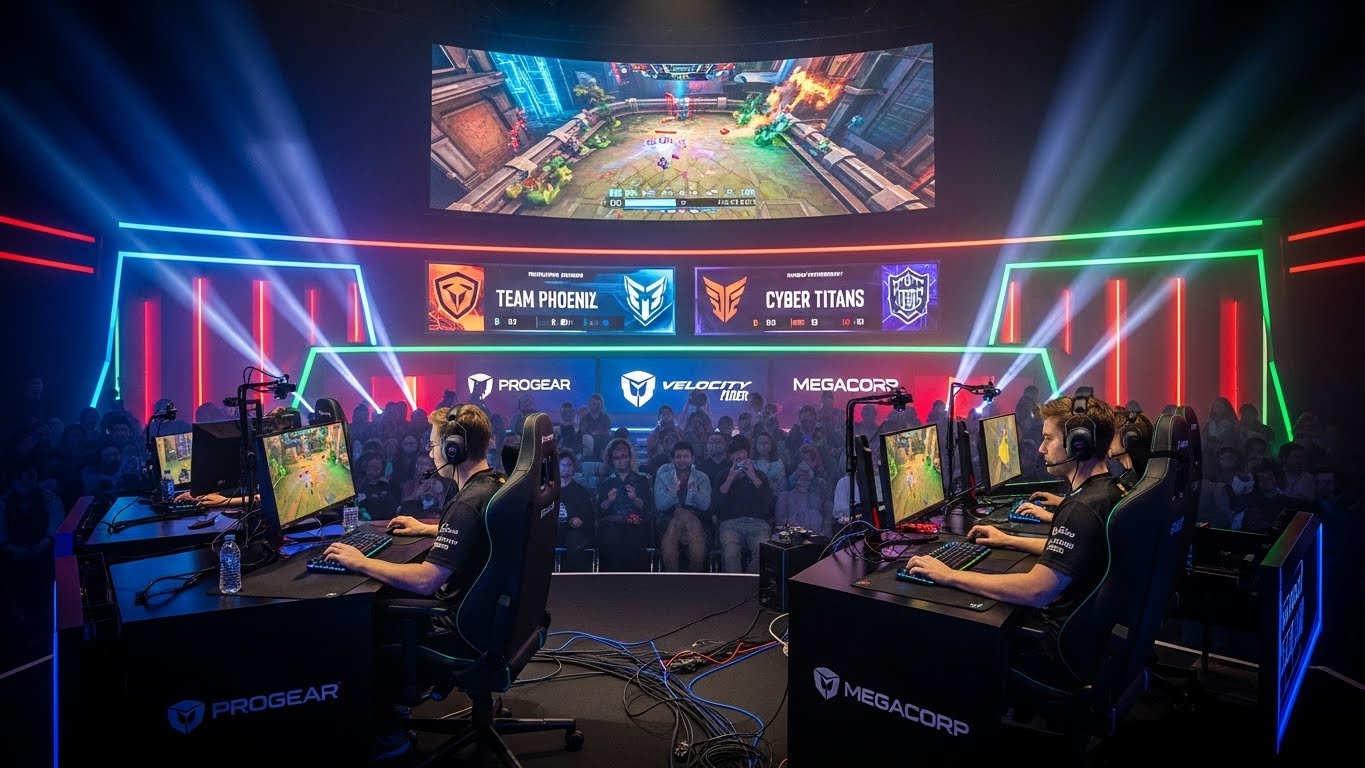
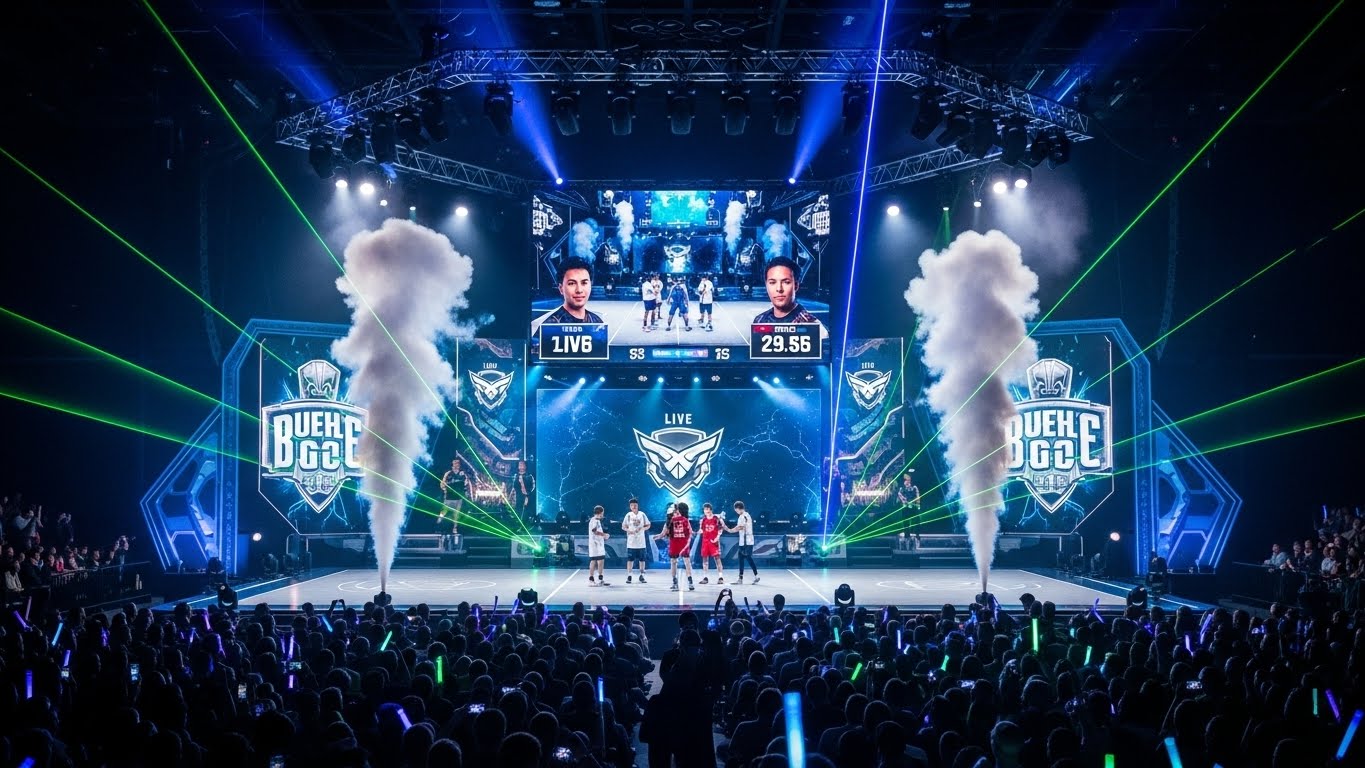
Esports is no longer limited to online platforms. Professional leagues and international tournaments now fill large arenas, with audiences cheering in person and millions more watching online. The scale and visibility of these events have elevated esports into a legitimate, mainstream form of entertainment.
The Structure of Competitive Gaming
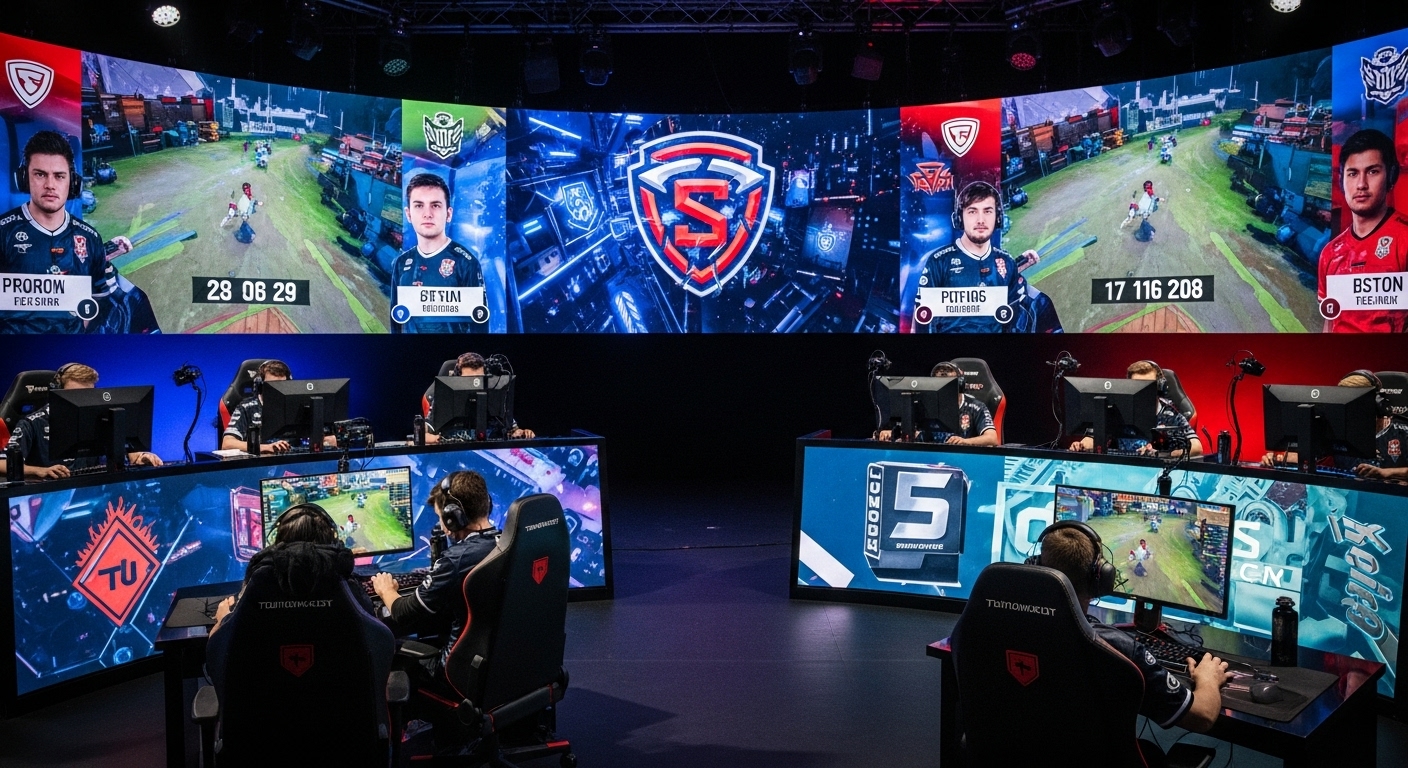
Esports operates in a highly organized environment. Professional teams compete in leagues, regional qualifiers, and world championships, often under the guidance of coaches, analysts, and management staff. Players dedicate hours to training, studying game strategies, and improving reflexes and coordination.
Unlike traditional sports, esports combines physical dexterity with mental strategy. Success depends on teamwork, communication, decision-making, and adaptability. The intense preparation, practice schedules, and performance pressure mirror those of traditional athletes, highlighting the professionalism and dedication required to compete at the highest level.
The Role of Technology in Esports
Technology is at the heart of esports. High-performance computers, gaming peripherals, and ultra-fast internet connections are essential for competitive play. Streaming platforms and broadcasting tools allow tournaments to reach global audiences in real time, while performance analysis software helps teams refine strategies and improve individual skills.
Virtual reality and augmented reality technologies are also beginning to influence esports, providing immersive experiences for players and fans. As technology continues to advance, the potential for esports to evolve and attract new audiences grows exponentially.
Esports as a Career
One of the most significant developments in esports is its transformation into a viable career path. Professional players earn substantial salaries, prize money, and sponsorships. Beyond players, careers in coaching, broadcasting, event management, and content creation are becoming increasingly common.
Esports organizations operate much like professional sports franchises, providing structured support systems for players and staff. Many teams invest in training facilities, nutrition plans, and mental health resources, recognizing that the demands of competitive gaming require holistic support. For young gamers, this professionalization signals that dedication and skill can translate into real-world opportunities and long-term careers.
The Impact on Youth and Education
Esports has a unique influence on youth culture and education. Participation in esports can improve problem-solving skills, strategic thinking, and hand-eye coordination. Schools and colleges have started to establish esports programs and scholarships, recognizing the potential for students to develop skills while pursuing higher education.
Esports also fosters social interaction and teamwork. Players must communicate effectively, coordinate strategies, and support one another under pressure. These experiences teach leadership, collaboration, and conflict resolution—skills that are valuable beyond gaming. By combining entertainment, education, and skill-building, esports provides a multifaceted platform for youth development.
Esports and Community Building
Esports has created vast online communities where fans, players, and content creators interact. These communities transcend geographic boundaries, bringing together people with shared interests and passions. Forums, streaming chats, and social media platforms allow fans to engage with tournaments, discuss strategies, and celebrate achievements.
Local esports events and leagues also foster community connections, providing spaces for enthusiasts to meet, compete, and collaborate. By encouraging participation and inclusivity, esports builds social bonds and a sense of belonging for individuals who might otherwise feel isolated.
Economic Impact of Esports
Esports has become a multi-billion-dollar industry with a significant economic footprint. Revenue streams include tournament prize pools, advertising, sponsorship deals, merchandise sales, and media rights. International tournaments attract sponsors from global brands, further fueling growth.
Beyond the professional scene, esports stimulates local economies. Event organizers, gaming centers, coaches, and content creators all contribute to employment and entrepreneurship. The technological advancements associated with esports also have ripple effects in hardware development, software innovation, and digital media production.
Health and Well-Being in Esports
While esports is primarily a digital activity, physical and mental well-being remain crucial for competitive success. Professional players invest in fitness routines, ergonomic setups, and balanced nutrition to maintain peak performance. Mental health is equally important, as the pressure of competition can be intense. Many organizations provide counseling and stress management resources to support players.
Esports also encourages cognitive development. Strategy-based games improve decision-making, memory, and multitasking abilities. While moderation is key, the cognitive and social benefits of gaming highlight the potential of esports as a constructive and skill-building activity.
The Future of Esports
The future of esports looks increasingly promising. With growing investment, technological innovation, and mainstream recognition, esports is poised to continue its rapid expansion. Virtual reality, augmented reality, and artificial intelligence may redefine competitive gaming, creating new formats and experiences for players and fans alike.
Esports may also integrate further with traditional sports, as collaborations and hybrid events blur the lines between digital and physical competition. The potential for global tournaments, educational programs, and professional careers will continue to grow, solidifying esports as a lasting cultural and economic force.
Conclusion
Esports is more than a trend—it is a transformative movement shaping entertainment, culture, technology, and careers. From its humble beginnings in arcades to its current status as a global industry, competitive gaming has proven that skill, strategy, and teamwork transcend the virtual world.
Esports inspires youth, creates communities, drives economic growth, and challenges traditional perceptions of sports and competition. As technology advances and the industry evolves, esports will continue to redefine how people play, watch, and engage with games. For millions of players and fans around the world, esports is not just a pastime—it is a passion, a profession, and a cultural phenomenon that reflects the limitless potential of human creativity and ambition.