Introduction: The Rise of Esports
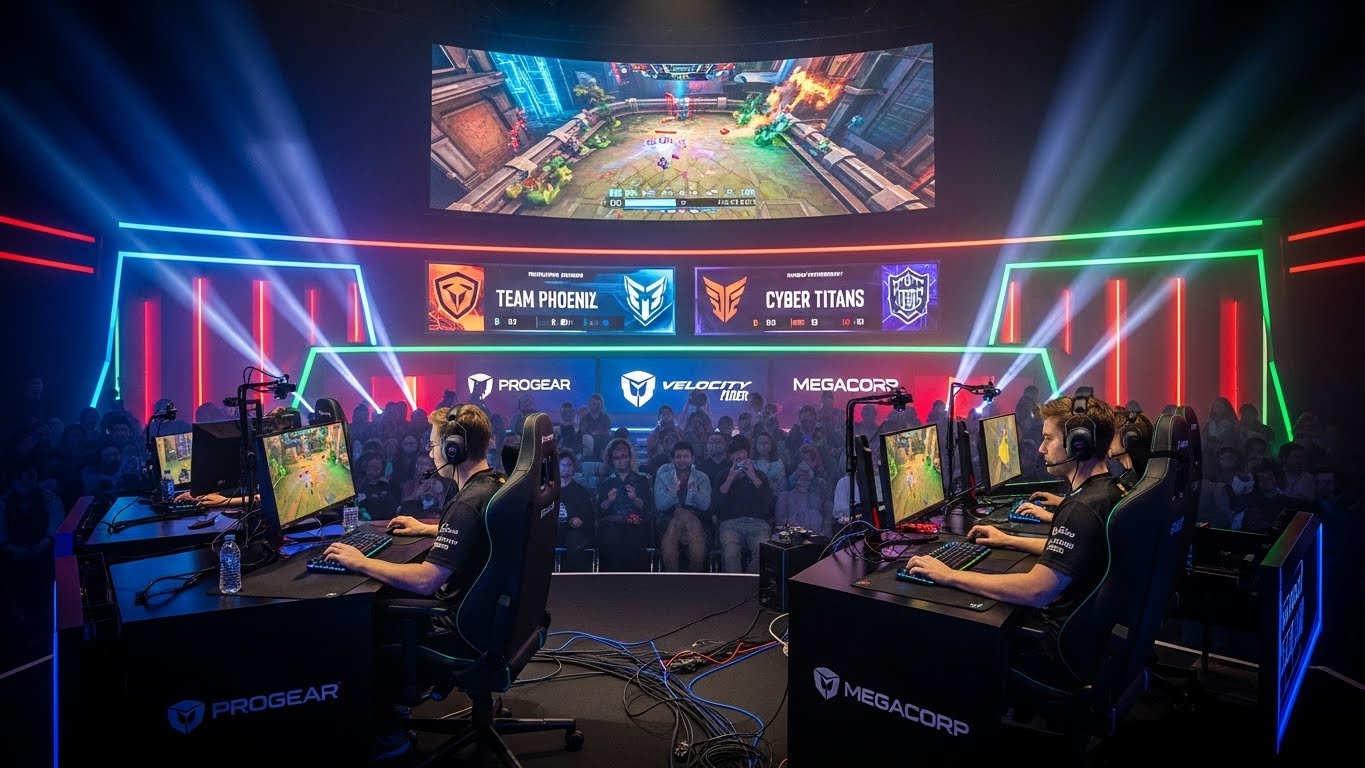
The world of competitive gaming, known as esports, has experienced unprecedented growth over the past decade. What began as small communities of enthusiasts competing in local tournaments has evolved into a global phenomenon watched by millions of fans worldwide. Esports combines the thrill of traditional sports with the innovation of digital technology, creating a unique form of entertainment that engages players, spectators, and businesses alike. From casual players striving for recognition to professional athletes competing for massive prize pools, esports has become a multifaceted industry with cultural, economic, and technological significance.
The Origins of Competitive Gaming
Competitive gaming is not a modern invention; it has roots that trace back to the early days of video games. In the 1970s and 1980s, arcades and early gaming consoles hosted local competitions. Titles like Space Invaders, Pac-Man, and later Street Fighter and Super Mario Bros. provided platforms for players to demonstrate skill and strategy. Early competitions were often informal, yet they laid the foundation for the structured tournaments that would emerge later. The advent of the internet enabled online play, allowing gamers to connect and compete across distances, sowing the seeds of a global esports culture.
The Explosion of Esports Popularity
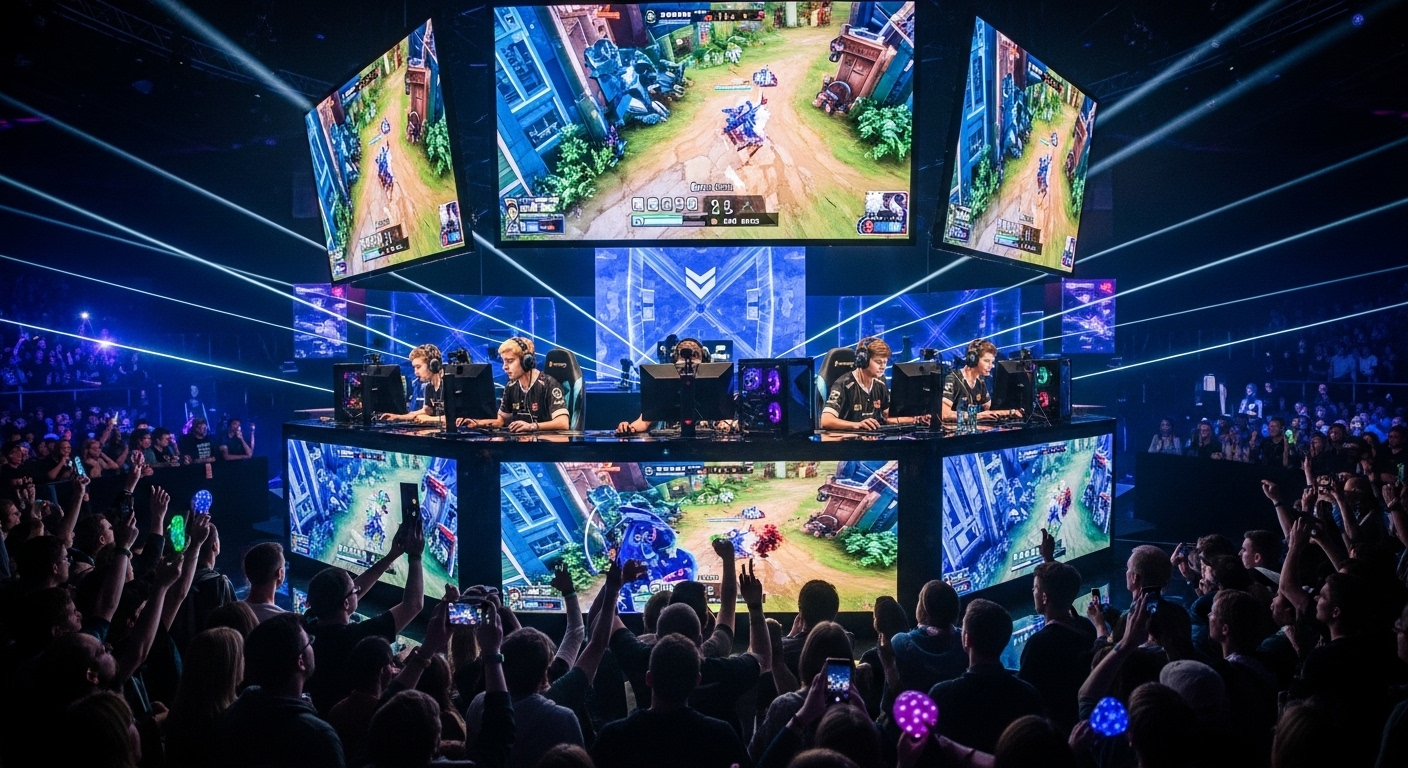
Esports gained mainstream recognition in the early 2000s with the growth of games such as StarCraft, Counter-Strike, and League of Legends. These games offered highly competitive environments and required strategic thinking, teamwork, and reflexes. Streaming platforms like Twitch and YouTube Gaming amplified the visibility of esports, allowing fans to watch live tournaments, follow professional players, and engage with the community. Today, esports tournaments attract millions of viewers, rivaling the audience numbers of traditional sports like football and basketball, highlighting the immense popularity and cultural relevance of competitive gaming.
The Structure of Professional Esports
Professional esports is organized similarly to traditional sports, with leagues, teams, and coaching staff. Players are often signed to professional teams, training rigorously for hours each day to maintain their skills. Teams participate in local, national, and international tournaments, competing for substantial prize pools, sponsorships, and media exposure. Esports leagues vary depending on the game and region, but all emphasize skill, teamwork, and strategy. This structured approach has transformed gaming into a legitimate career path, attracting talented individuals who dedicate their lives to mastering their craft.
Popular Esports Titles
The esports landscape is diverse, encompassing multiple game genres, each with unique competitive dynamics. Multiplayer online battle arena games (MOBAs) like League of Legends and Dota 2 are renowned for strategic depth and team coordination. First-person shooters (FPS) such as Counter-Strike: Global Offensive, Valorant, and Call of Duty emphasize precision, reflexes, and tactical execution. Battle royale games like Fortnite and PUBG combine survival skills with strategic movement. Sports simulations like FIFA replicate real-world sports, allowing players to compete digitally. Each game attracts dedicated communities, contributing to the global reach and popularity of esports.
The Economics of Esports
Esports is not only a form of entertainment but also a significant economic force. The industry generates revenue through multiple channels, including sponsorships, advertising, media rights, merchandise, and tournament prize pools. Brands recognize the marketing potential of esports, targeting young, tech-savvy audiences through team sponsorships and event partnerships. Players themselves can earn substantial incomes, not only through prize winnings but also through streaming, endorsements, and content creation. The growth of esports has attracted investors and businesses, establishing it as a thriving sector in the entertainment and technology industries.
The Role of Streaming Platforms
Streaming platforms have revolutionized how audiences engage with esports. Services like Twitch, YouTube Gaming, and Facebook Gaming allow fans to watch live matches, interact with players, and participate in communities. Streaming also enables aspiring gamers to gain recognition, build followings, and create careers as content creators. Live commentary, analysis, and behind-the-scenes access enhance the viewing experience, making esports more accessible and engaging for a global audience. The integration of streaming with social media amplifies fan interaction, further solidifying esports as a mainstream entertainment phenomenon.
The Impact on Youth and Culture
Esports has a profound influence on youth culture. Young people are increasingly inspired by professional gamers, viewing them as role models and aspiring to careers in competitive gaming. Esports fosters teamwork, strategic thinking, and problem-solving, skills that are transferable to other areas of life. Moreover, esports communities provide social interaction, creating a sense of belonging and shared purpose. The cultural impact of esports extends to fashion, music, and digital trends, highlighting its integration into modern lifestyles and its role as a powerful cultural force.
Education and Esports
Recognizing the potential of esports, educational institutions have begun integrating it into academic programs. Schools and universities now offer esports scholarships, team programs, and curricula focused on game development, strategy, and digital media. These programs teach not only gameplay skills but also leadership, communication, and analytical thinking. By embracing esports, educational institutions provide students with opportunities to pursue professional careers while fostering teamwork, discipline, and technological literacy. This integration demonstrates the growing legitimacy and societal recognition of esports.
The Psychological and Social Dimensions of Esports
Esports is more than competition; it also has psychological and social dimensions. Players experience stress, pressure, and emotional highs and lows similar to traditional athletes. Mental resilience, focus, and adaptability are essential for success. Socially, esports creates communities where fans and players interact, share experiences, and support one another. While excessive gaming can pose risks, responsible engagement promotes cognitive skills, teamwork, and self-confidence. Understanding these dimensions helps to appreciate the complexity and value of esports beyond mere entertainment.
Challenges and Controversies in Esports
Despite its rapid growth, esports faces challenges and controversies. Issues such as player burnout, cheating, match-fixing, and lack of standardized regulations have drawn attention. Gender representation and diversity also remain areas requiring improvement, with women and minority groups often underrepresented in professional esports. Additionally, balancing competition, entertainment, and player welfare is a continual concern. Addressing these challenges is crucial for ensuring the sustainability, integrity, and inclusivity of the esports industry.
The Future of Esports
The future of esports is promising and full of potential. Emerging technologies like virtual reality, augmented reality, and artificial intelligence will enhance gameplay and audience experiences. Cross-platform tournaments and international collaborations will expand accessibility, connecting players and fans worldwide. Esports may increasingly integrate with traditional sports, media, and education, blurring the lines between gaming and other entertainment sectors. As professional infrastructure, fan engagement, and technology advance, esports is set to become an even more influential and enduring aspect of global culture.
Conclusion: Esports as a Cultural and Economic Force
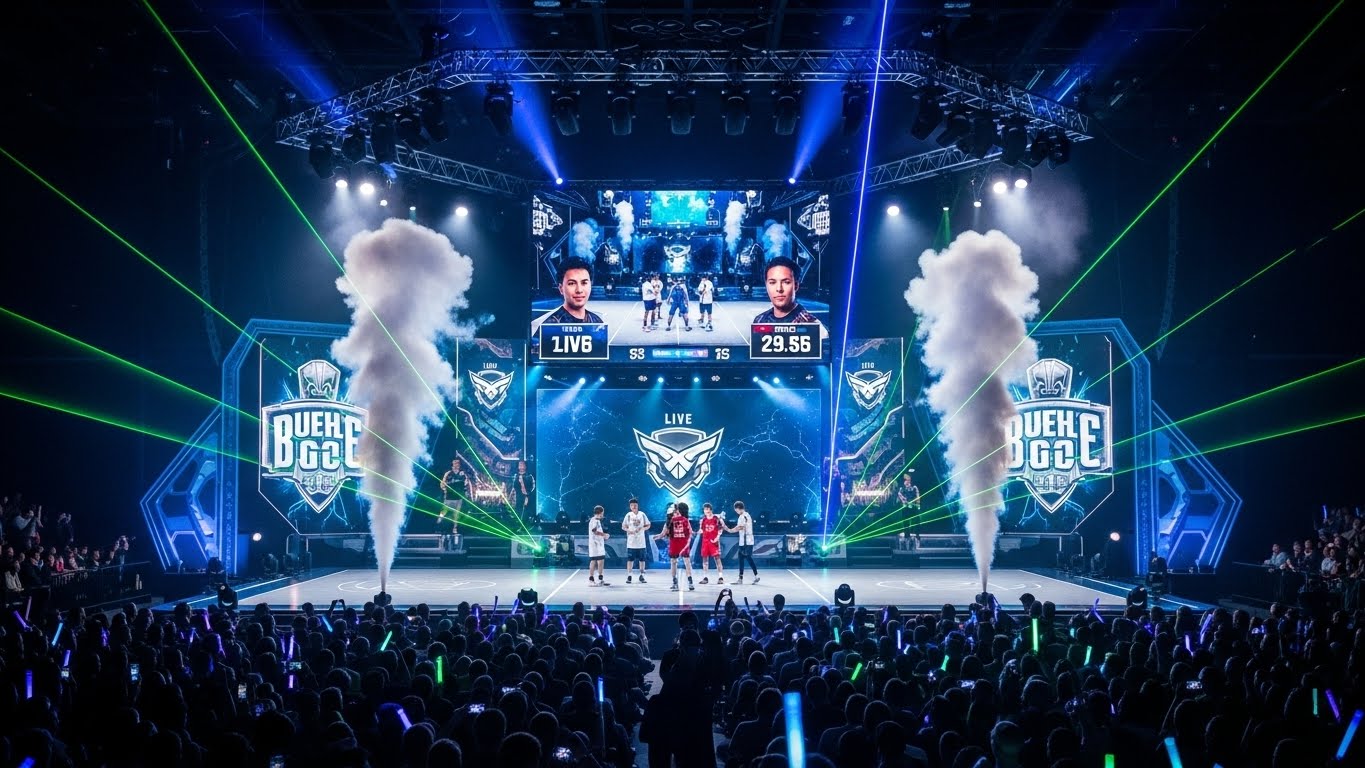
Esports has transformed the landscape of entertainment, establishing itself as a legitimate form of competition, career, and community. It combines skill, strategy, technology, and social interaction in ways that appeal to a global audience. From humble beginnings in arcades to massive stadiums hosting international tournaments, esports has grown into a cultural, economic, and technological powerhouse. Its influence extends beyond gaming, shaping youth culture, education, media, and commerce. As the industry continues to evolve, esports will remain at the forefront of digital entertainment, reflecting the power of competition and innovation in the modern world.