Introduction: The Rise of Esports
Esports, or competitive video gaming, has emerged as one of the fastest-growing forms of entertainment in the world. Once considered a niche hobby, it has transformed into a global phenomenon with professional players, teams, sponsors, and millions of fans. Esports blends skill, strategy, and entertainment, creating a digital arena where players and audiences connect in ways that traditional sports never could.
The growth of esports reflects broader changes in technology, media, and culture. It has created opportunities for players, content creators, and businesses while challenging traditional ideas of sports and competition. This blog explores the evolution of esports, its cultural and economic impact, its role in professional development, and the future of this dynamic industry.
The Evolution of Esports
Competitive gaming has existed in some form since the early days of video games. In the 1980s, players competed in arcade games like Pac-Man and Space Invaders, often gathering in local arcades for high-score competitions. As home consoles and personal computers became popular, multiplayer competitions expanded, allowing players to test their skills against friends and strangers alike.
The 2000s marked a significant turning point. Online multiplayer games like StarCraft, Counter-Strike, and Warcraft III created international competitive communities. Tournaments with cash prizes became more common, and the concept of professional gaming began to take shape. The rise of streaming platforms further accelerated growth, allowing players to broadcast their gameplay to global audiences and creating opportunities for fan engagement and sponsorship.
Popular Esports Genres
Esports encompasses a wide range of genres, each with unique competitive dynamics and fan communities:
First-Person Shooters (FPS) – Games like Counter-Strike, Call of Duty, and Overwatch emphasize precision, reflexes, and teamwork. FPS tournaments often feature fast-paced, high-intensity matches that attract millions of viewers.
Multiplayer Online Battle Arenas (MOBA) – Titles such as League of Legends and Dota 2 focus on strategy, coordination, and character specialization. MOBAs require teamwork, in-depth knowledge of game mechanics, and split-second decision-making.
Real-Time Strategy (RTS) – Games like StarCraft II challenge players to manage resources, control units, and execute complex strategies in real time. RTS esports demand analytical thinking, foresight, and adaptability.
Sports Simulations – FIFA, NBA 2K, and other simulation games replicate real-world sports, allowing players to compete digitally. These games appeal to traditional sports fans and attract a younger, tech-savvy audience.
Battle Royale and Arena Games – Fortnite, Apex Legends, and similar titles combine survival, exploration, and combat. Players compete individually or in teams, with high stakes and dynamic gameplay that keeps audiences engaged.
The Structure of Esports Competitions
Esports competitions range from small local tournaments to massive international events with multi-million-dollar prize pools. Professional leagues operate similarly to traditional sports leagues, with structured seasons, rankings, and championship events.
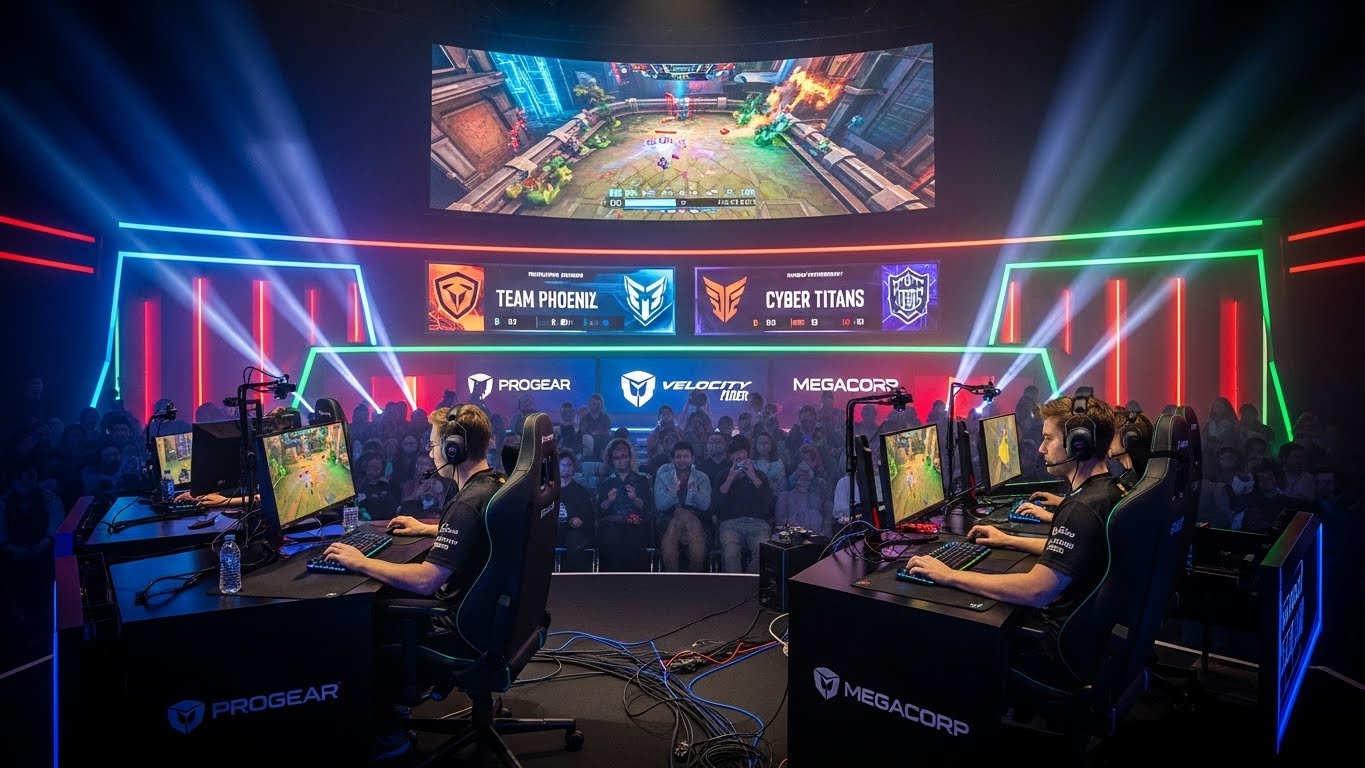
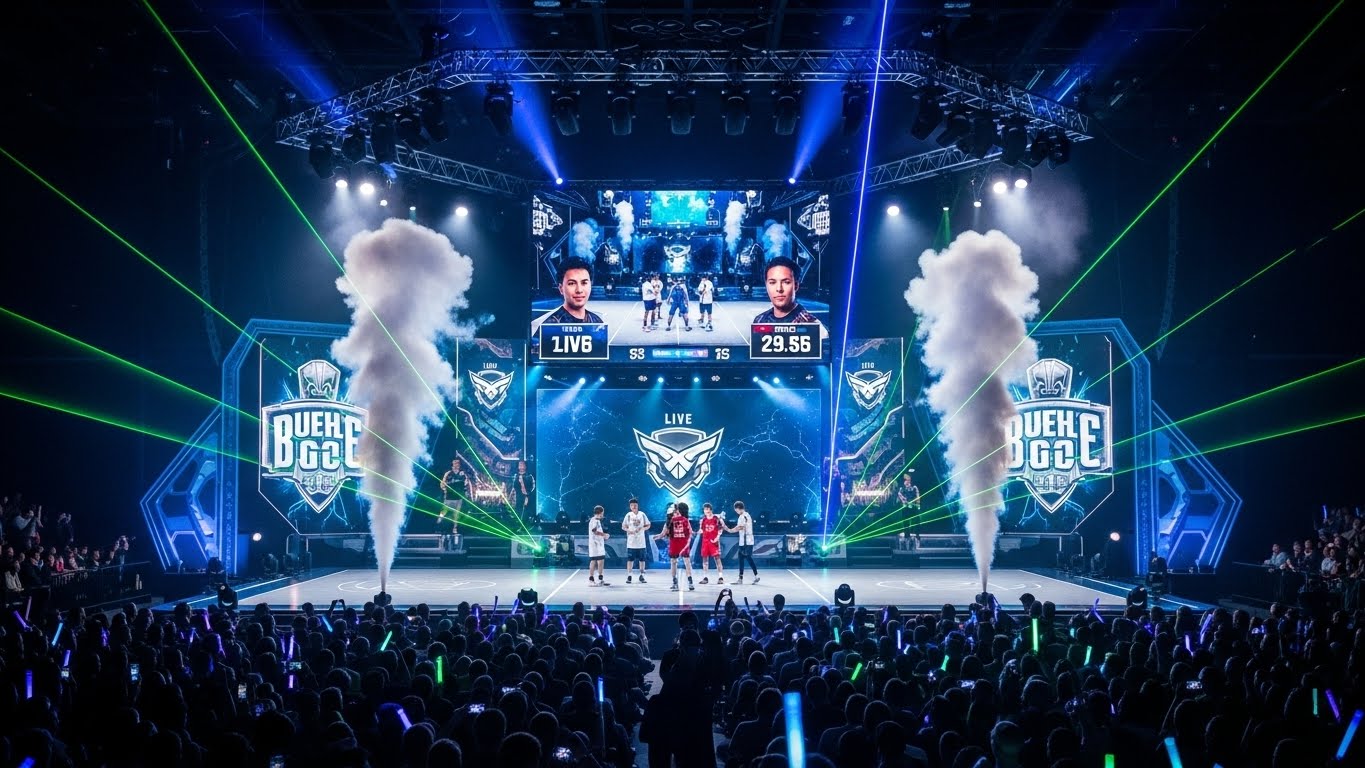
Major tournaments such as The International for Dota 2, the League of Legends World Championship, and EVO for fighting games attract millions of live and online viewers. These events are broadcasted across multiple platforms, including streaming services, social media, and dedicated esports channels. The accessibility of esports has allowed fans from all over the world to participate virtually, breaking down geographical barriers that exist in traditional sports.
Esports Teams and Professional Players
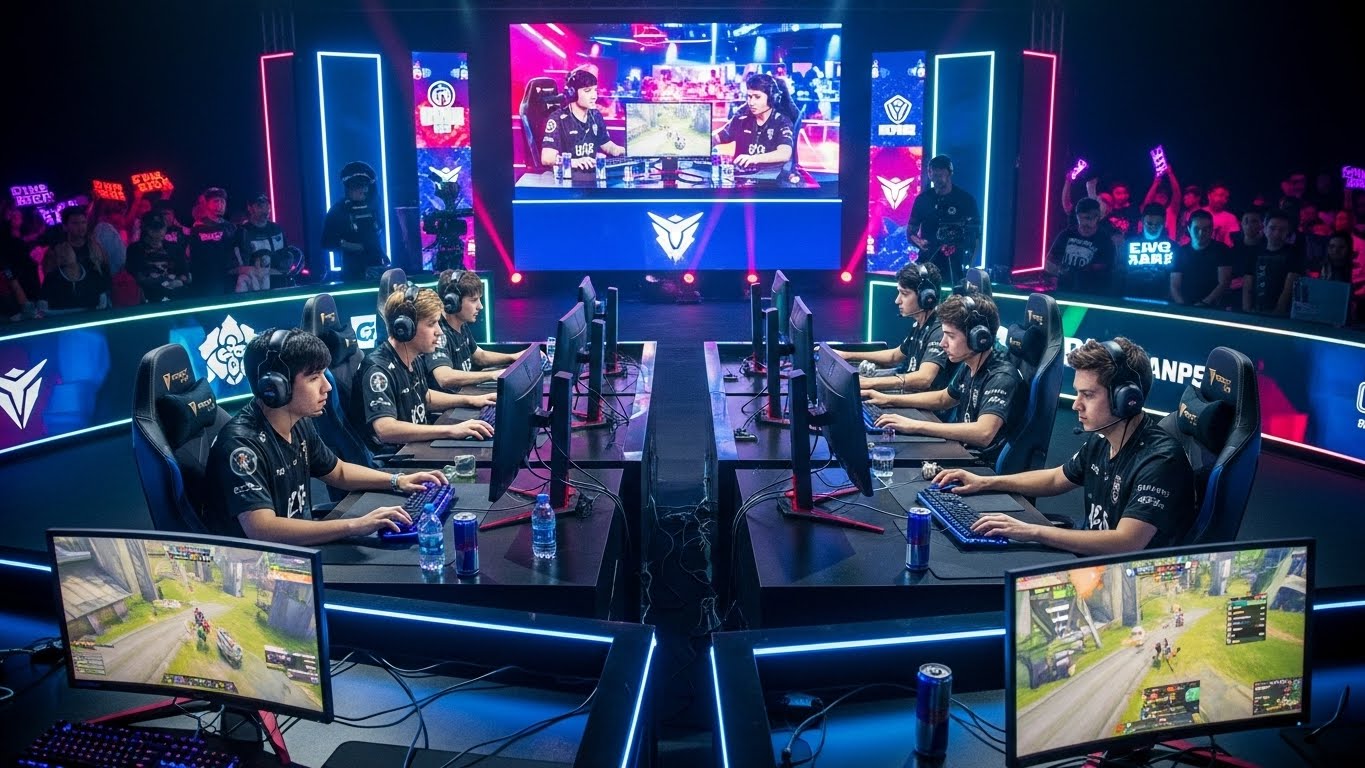
Professional esports players are highly skilled athletes in their own right. They train for hours each day, focusing on strategy, mechanics, communication, and mental resilience. Top players often specialize in specific roles, mastering particular characters or strategies to gain a competitive edge.
Esports teams function like traditional sports organizations, with coaches, analysts, managers, and support staff. Players may sign contracts, receive salaries, and compete in international tournaments. The structure of professional esports mirrors traditional athletics, emphasizing teamwork, dedication, and continuous improvement.
The Economic Impact of Esports
Esports has evolved into a billion-dollar industry with multiple revenue streams. Prize money, sponsorship deals, advertising, merchandise, ticket sales, and broadcasting rights all contribute to its economic impact. Major brands sponsor teams and tournaments, recognizing the influence of esports audiences on consumer behavior.
Streaming platforms generate revenue through subscriptions, donations, and advertising. Content creators, commentators, and analysts further expand the ecosystem, creating jobs and business opportunities within esports. The industry’s economic growth reflects its mainstream appeal and long-term sustainability as a global entertainment sector.
Esports and the Fan Experience
Fans are central to the esports phenomenon. Unlike traditional sports, esports audiences often interact directly with players through live streams, chat features, and social media. This level of engagement creates a sense of community, connection, and loyalty that strengthens the esports ecosystem.
Major events replicate the excitement of stadiums and arenas, with live audiences, elaborate production, and fan experiences. Cosplay, merchandise, and fan meetups further enrich the community, making esports both a spectator sport and a cultural movement.
The Role of Streaming and Digital Platforms
Streaming platforms have been pivotal in the growth of esports. Services like Twitch, YouTube Gaming, and other streaming sites allow players to broadcast gameplay to global audiences. This accessibility has democratized esports, enabling aspiring players to gain recognition without traditional barriers.
Digital platforms also foster community engagement through live chat, emotes, and interactive features. Fans can follow their favorite players, participate in tournaments, and even influence gameplay. Streaming has transformed esports into an interactive, participatory experience rather than a passive form of entertainment.
Esports and Education
Esports is increasingly integrated into educational programs, with schools and universities offering scholarships, training facilities, and competitive teams. Academic institutions recognize esports as a platform for skill development, teamwork, leadership, and strategic thinking.
Students involved in esports develop communication, time management, and problem-solving skills. Programs often combine competitive play with academic studies, preparing students for careers in gaming, technology, media, and business. Esports in education highlights the potential for digital gaming to promote learning, career opportunities, and personal development.
Health and Wellness in Esports
Professional esports requires physical and mental endurance. Players must maintain hand-eye coordination, reaction times, and cognitive focus for extended periods. Physical fitness, proper nutrition, and mental health support are essential for performance and longevity in competitive gaming.
Mental resilience is particularly important, as esports players face high-pressure situations, public scrutiny, and intense competition. Wellness programs, breaks, and training routines help maintain performance while preventing burnout. Esports organizations are increasingly prioritizing player health, recognizing its role in sustainable success.
Esports and Social Impact
Esports has a unique ability to foster inclusion and diversity. Unlike traditional sports, esports accommodates a wide range of ages, genders, physical abilities, and geographic locations. Online accessibility allows players from different backgrounds to compete on equal footing.
Community-driven initiatives in esports promote positive values such as teamwork, respect, and sportsmanship. Charitable events, awareness campaigns, and educational programs highlight the social responsibility potential of the industry. Esports is not just entertainment; it is a platform for community engagement and social change.
Challenges and Controversies in Esports
Despite its rapid growth, esports faces challenges. Issues such as player burnout, cheating, toxicity in online communities, and lack of standardized regulations must be addressed. The competitive nature of esports can create pressure, leading to mental health concerns if not managed properly.
Additionally, esports organizations and governing bodies must navigate questions around intellectual property, contracts, and fair competition. Establishing transparent, ethical practices is critical to maintaining the credibility and sustainability of the industry.
The Future of Esports
The future of esports is filled with possibilities. Emerging technologies like virtual reality, augmented reality, and artificial intelligence will enhance gameplay, spectator experiences, and training methods. Mobile esports and casual competitive games will expand the audience, making esports accessible to millions more worldwide.
Esports is likely to see increased mainstream recognition, with continued integration into traditional media, sponsorships, and international sporting events. As the industry matures, opportunities for professional growth, education, and social impact will continue to expand, solidifying esports as a major force in entertainment and culture.
Conclusion: Esports as a Cultural Phenomenon
Esports has evolved from small-scale competitions into a global cultural phenomenon. It combines skill, strategy, and entertainment, offering players and fans unique opportunities for connection, growth, and excitement. Professional players, teams, and leagues have established esports as a legitimate competitive arena, while streaming and digital platforms ensure accessibility and engagement for millions worldwide.
Beyond competition, esports fosters education, social connection, inclusion, and economic growth. It is reshaping the entertainment landscape, challenging traditional ideas of sports, and creating new avenues for innovation and expression. As technology advances and global audiences grow, esports will continue to redefine what it means to compete, connect, and thrive in the digital age.