Introduction
Esports has become one of the most transformative entertainment revolutions of the modern era. What started as small gatherings of enthusiastic gamers competing for bragging rights has evolved into a global phenomenon involving professional athletes, multimillion-dollar tournaments, and massive international fanbases. The world is witnessing a shift in what competition means, moving from physical arenas to digital battlegrounds where strategy, precision, and lightning-fast reflexes determine victory. This new era of competition is redefining sports, culture, and entertainment in ways unimaginable just a decade ago.
The Evolution of Competitive Gaming
To fully appreciate the significance of esports, it is essential to understand its origins. Competitive gaming began informally, with friends challenging each other in living rooms, at arcades, or through local networks. Early tournaments were modest, usually hosted in gaming cafés or small venues with limited exposure. However, as internet access expanded and technology advanced, competitive gaming found its footing. Global connectivity meant players from different regions could challenge each other instantly, paving the way for organized competitive events.
Developers began designing games specifically suited for competitive play, incorporating mechanics that required teamwork, strategy, and skill. As these games gained popularity, communities grew, and interest in official competitions surged. What started underground became mainstream, and the once niche activity matured into an industry that now rivals traditional sports.
Why Esports Captivated the Modern Generation
Esports resonates strongly with younger audiences, largely because it aligns perfectly with digital lifestyles. Games are interactive, visually engaging, and accessible to anyone with a device and internet connection. Unlike traditional sports, where physical attributes may create barriers to entry, esports levels the playing field by prioritizing strategy, teamwork, and critical thinking.
Another major appeal is the sense of inclusion. The online nature of esports allows people from different backgrounds, countries, and cultures to connect through shared interests. Whether participating or spectating, individuals feel part of a global community bound by passion, excitement, and competition. This inclusivity fuels rapid growth, drawing millions to watch and participate.
Esports as a Legitimate Sporting Discipline
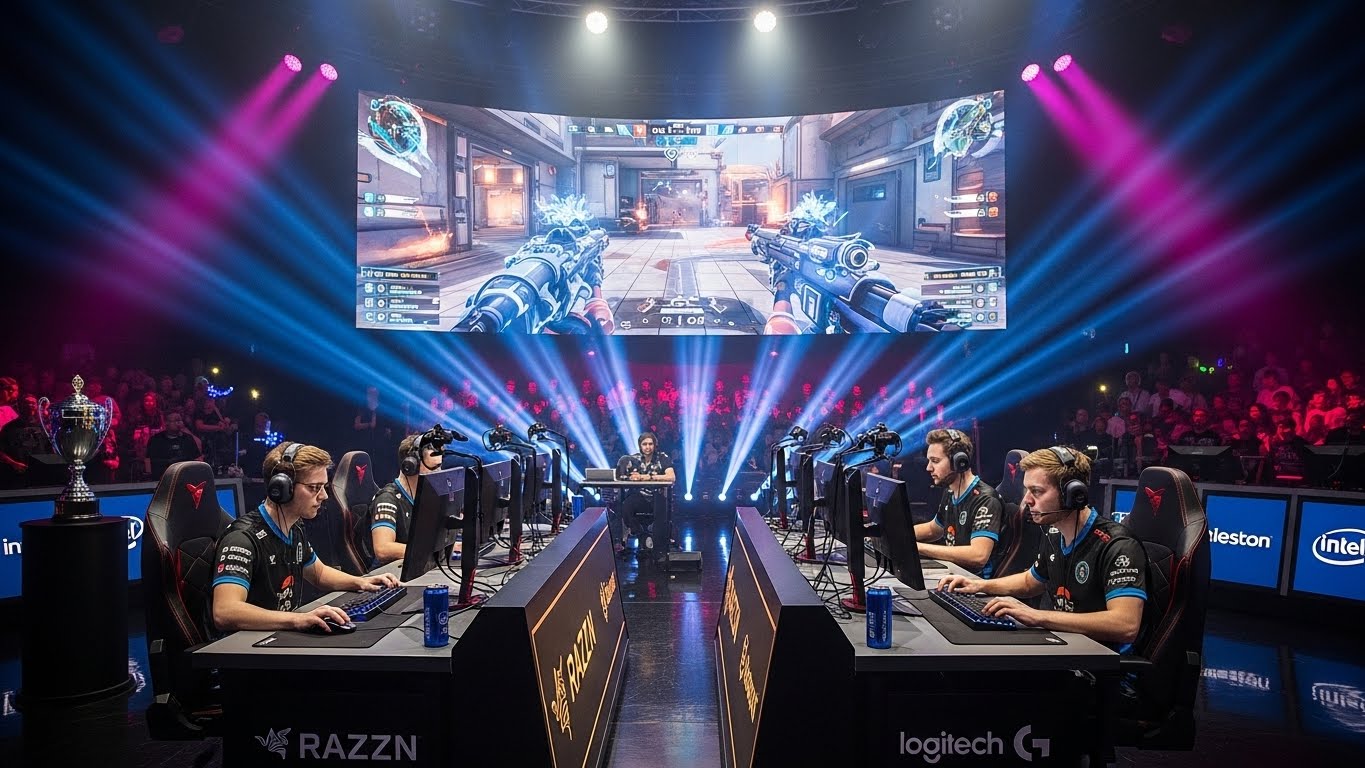
The debate over whether esports counts as a sport has long been settled for many people. Professional esports demands an extraordinary combination of mental agility, hand-eye coordination, and dedication. Players undergo rigorous training schedules, often practicing for eight to twelve hours daily. Teams employ coaches, analysts, and strategists just like professional sports organizations.
The level of discipline required is comparable to that of athletes in traditional sports. Players must manage stress, adapt to unpredictable scenarios, and maintain peak focus during high-pressure moments. Matches are intense, often decided within fractions of a second, and require flawless execution. This intense environment mirrors the challenges found in mainstream sports, solidifying esports’ legitimacy in the global competitive landscape.
The Most Influential Esports Games
Esports covers a wide range of game genres, each appealing to distinct audiences and skill sets. Strategic battle arena games emphasize teamwork and long-term planning. Tactical shooters center on precision and coordination, often featuring fast-paced action and decision-making. Fighting games showcase individual skill and reflex mastery. Sports simulation titles recreate real-world athletic competitions in digital form.
Each genre contributes uniquely to the esports ecosystem, and many games have become household names due to their competitive scenes. They attract millions of viewers during major tournaments, with fanbases that follow teams and players passionately. These games not only provide entertainment but also drive innovation, encouraging developers to create even better competitive experiences.
Esports Athletes and Their Rise to Stardom
In the early days, few imagined esports players becoming celebrities. Today, esports athletes enjoy massive followings, sponsorships, and admiration similar to traditional sports stars. Many players rise to fame through exceptional skill, charismatic personalities, or dedication to their craft.
Social media platforms have amplified their influence, allowing players to connect directly with fans. Their journeys, from novice gamers to professional champions, inspire countless individuals worldwide. Some players begin training as early as their teenage years, balancing school with intense practice before joining professional teams.
The fame and recognition these athletes achieve also highlight the changing nature of celebrity culture. Fame is no longer restricted to actors or traditional athletes; esports players are proof that talent expressed in digital arenas is equally worthy of global attention.
The Role of Teams and Organizations
Behind every successful esports athlete is a team or organization that provides structure and support. Professional esports teams function much like traditional sports clubs. They recruit talented players, offer training programs, and manage travel for tournaments. Many organizations operate training facilities equipped with advanced technology, nutrition counseling, physical fitness programs, and psychological support.
These teams also cultivate their own identities, often through colors, mascots, and strong branding. Fans proudly declare their loyalty to favorite teams, participate in discussions, and attend live events wearing team merchandise. This strong sense of community helps drive engagement and long-term growth.
The Global Esports Fan Culture
Esports owes much of its success to passionate fans who bring energy, excitement, and life to the industry. The fan experience is unique; it blends digital engagement with traditional sports enthusiasm. Fans interact through chatrooms during live broadcasts, create fan art, share predictions, and passionately support their favorite players.
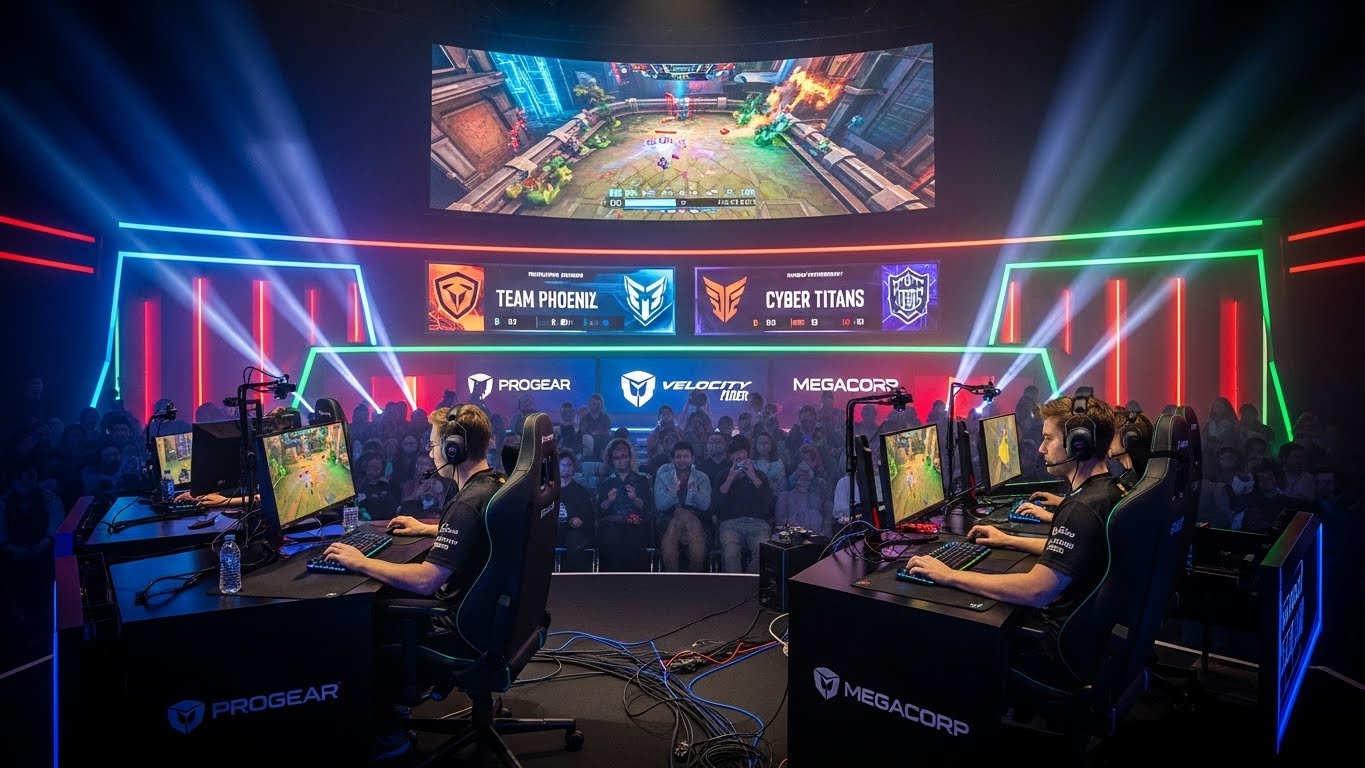
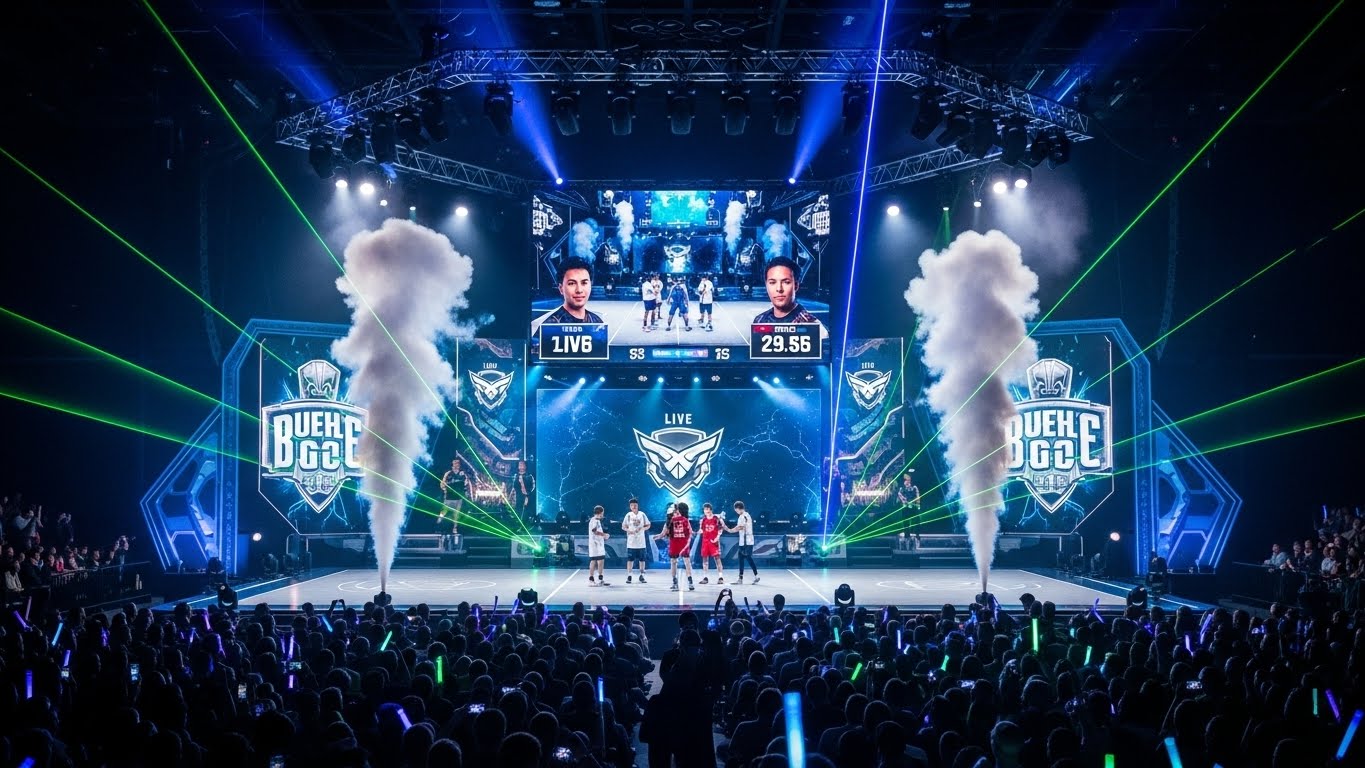
The ability to access global competitions from any device encourages fans to stay connected regardless of their location. This worldwide accessibility has built a multi-continent fanbase that continues to grow daily. Esports events often feel like festivals, with lights, cheering crowds, dramatic moments, and unforgettable celebrations.
Content Creators and Streaming Influence
Content creators have contributed massively to the growth of esports. Many professional players stream their practice sessions, giving fans insight into strategies, gameplay techniques, and training routines. Streaming platforms allow players to build loyal communities through direct interaction.
Some content creators focus solely on entertaining audiences by sharing humorous highlights, commentary, or analysis. Others mentor new players, offering tutorials and tips. This content-driven ecosystem strengthens esports by making it more approachable and encouraging aspiring players to enter the scene.
The combination of professionalism and personality is a major reason esports continues to appeal to millions. When fans can see the human side of players, they develop deeper connections that fuel long-term interest.
Esports in Education and Career Development
Schools, colleges, and universities worldwide are recognizing esports as a legitimate academic and athletic pursuit. Many institutions now offer esports scholarships, training programs, and degrees related to game design, broadcasting, marketing, and management.
As esports expands, so do career opportunities within the ecosystem. Roles include coaching, production, event management, content creation, graphic design, journalism, and analytics. Esports has created a new industry with thousands of jobs, proving it is more than entertainment. For many young people, it offers a practical and fulfilling path to future careers.
Challenges Facing the Esports Industry
Despite its rapid growth, esports faces several challenges that must be addressed to ensure long-term sustainability. Player burnout is one of the most pressing issues, as demanding schedules often leave little room for rest. Mental health support is becoming increasingly important in maintaining the well-being of players.
Additionally, standardizing rules across countries, ensuring fair competition, and protecting young players remain areas that require continued attention. Smaller organizations sometimes struggle financially, leading to instability within teams. Solving these challenges will allow esports to continue evolving responsibly and remain a positive force for all participants.
The Future of Esports
The future of esports looks brighter than ever. As technology continues advancing, new opportunities arise for more immersive experiences. Virtual reality and augmented reality could redefine what competitive gaming looks like. Large corporations are showing interest in sponsoring teams and tournaments, injecting more resources into the industry.
Esports could soon become part of mainstream television, large-scale festivals, and even international sporting events. Its global accessibility ensures that new fans will continue joining, and new generations will shape its future. With every passing year, esports becomes more integrated into modern culture, solidifying its position as a major global industry.
Conclusion
Esports has transformed entertainment, competition, and global culture. What started as a small hobby has become a worldwide movement driven by passion, skill, and technological innovation. It connects millions, provides opportunities for careers, fosters community, and inspires countless individuals to pursue their passions. The rise of digital competition marks a new era in the story of sports, and esports stands proudly at the forefront of this evolution. As the industry continues to expand, it will shape not only how we play games, but how we experience entertainment, build communities, and celebrate human achievement in the digital age.