Introduction to a New Competitive World
Esports has grown far beyond a simple hobby or pastime. What once involved friends gathering around televisions or computer screens has transformed into a massive global industry with professional athletes, dedicated fans, and multimillion-dollar tournaments. Competitive gaming has created its own culture, language, heroes, and unforgettable moments. Today, esports stands proudly in the spotlight as one of the fastest-growing forms of entertainment in the world. This shift represents not just a change in how people play games, but a transformation in how society views competition, technology, and entertainment.
The Evolution of Esports from Past to Present
Esports did not suddenly appear; it has evolved over many decades. In the early days of gaming, small arcade competitions attracted players eager to show off their high scores. As gaming consoles and personal computers became more accessible, the idea of friendly competition grew stronger. The real turning point came with internet connectivity, allowing players from different locations to challenge one another. Tournaments in the 1990s and early 2000s laid the foundation for modern esports. Games such as Quake, StarCraft, and Counter-Strike became competitive staples. As technology advanced, so did the scale of tournaments, eventually paving the way for the massive esports ecosystem we see today.
The Games That Define the Esports Landscape
Esports is home to a variety of game genres, each with its own style of competition. Multiplayer online battle arenas, commonly known as MOBAs, lead the pack with their strategic gameplay and heavy teamwork. Titles like League of Legends and Dota 2 dominate the global esports stage with complex mechanics and intense matches. First-person shooters are another essential part of the scene, delivering fast-paced action and tactical coordination. Games such as Counter-Strike and Valorant require razor-sharp reflexes and precise communication. Battle royale titles offer unpredictable and exciting gameplay where only one team or player emerges victorious. Sports games and fighting games also hold strong competitive followings. The diversity of esports allows fans to enjoy a wide range of competitive styles, ensuring that there is something for everyone.
The Rise of Professional Players and Competitive Teams
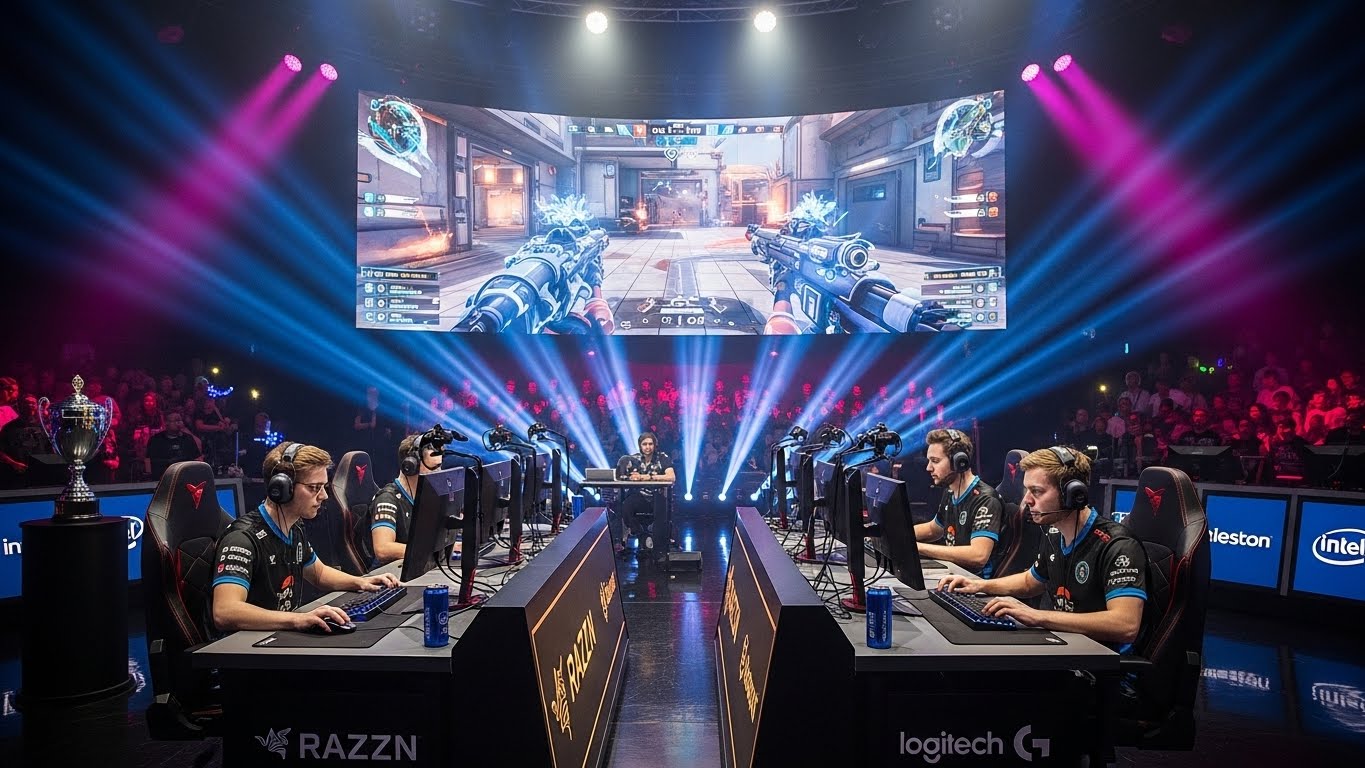
Professional esports players dedicate countless hours to perfecting their craft. Their training routines often resemble those of traditional athletes, with structured practice schedules, team strategy sessions, and performance analysis. Many players start their journey at a young age, rising through online ranks or amateur tournaments. Once identified by established teams, they begin competing in leagues around the world. Their careers involve constant learning, adaptation, and discipline. The world of professional esports is intense, demanding mental strength and emotional stability, especially when competing in high-pressure environments. Despite the challenges, many players embrace the lifestyle because of their love for the game and the excitement of competition.
Esports Tournaments and the Global Fan Experience
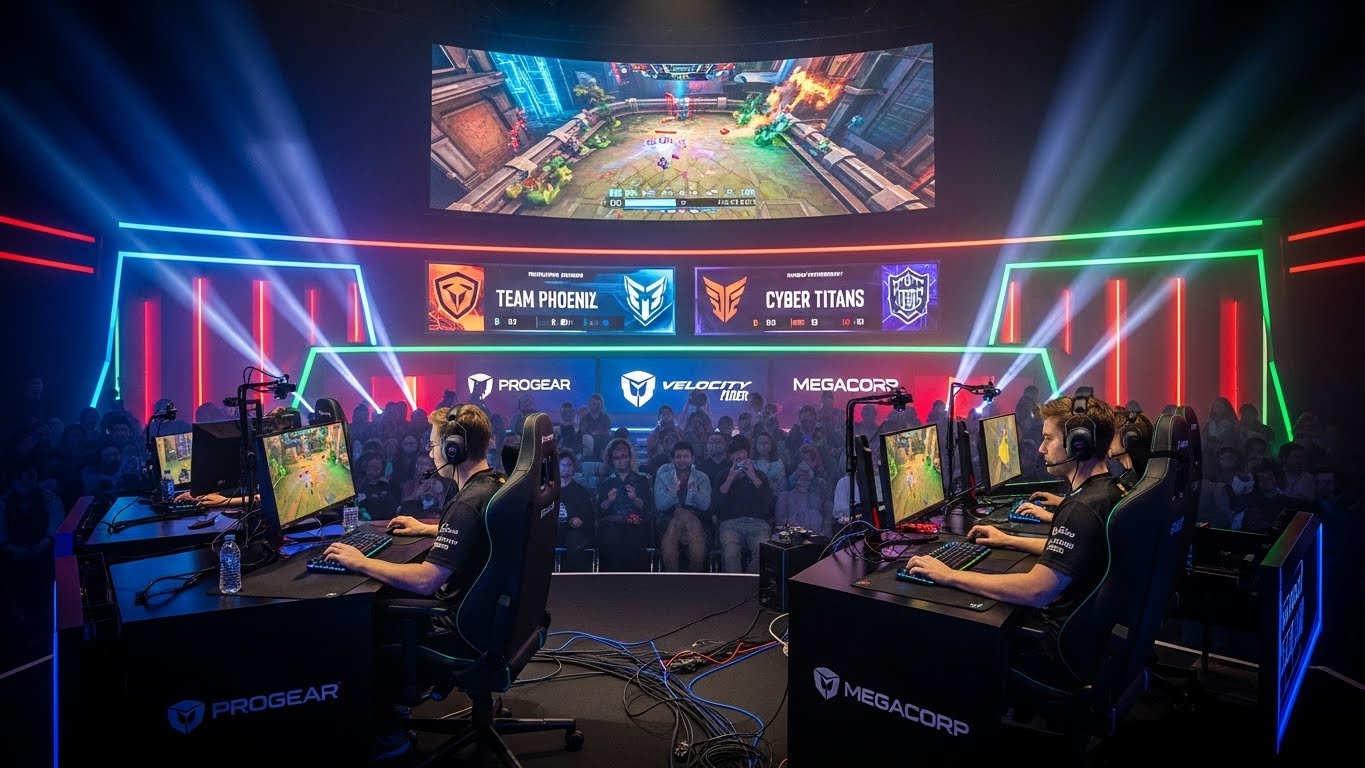
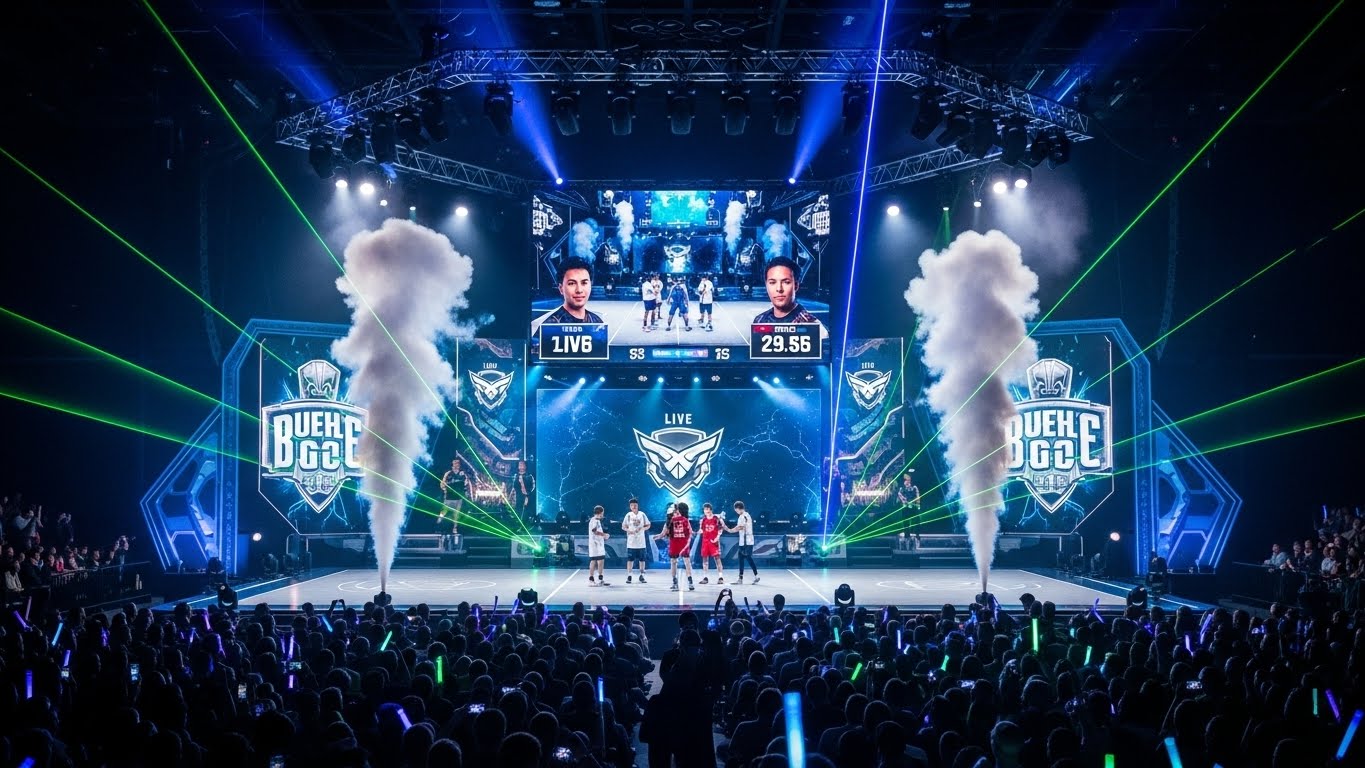
The excitement of esports tournaments rivals that of major traditional sporting events. Millions of fans tune in to watch live matches, cheering for their favorite teams and players. Tournaments are hosted in massive arenas filled with lights, music, and energetic crowds. The atmosphere is electric, with fans waving signs, shouting chants, and celebrating every incredible play. Broadcasters and analysts provide breakdowns of strategies and highlight standout performances. These events are more than just competitions; they are celebrations of gaming culture. Fans create memes, discuss predictions, and follow team storylines with the same passion seen in traditional sports communities.
Technology Driving Forward the Esports Explosion
The rapid growth of esports is closely tied to advancements in technology. High-performance gaming hardware has made competitive titles more accessible and visually impressive. Internet improvements have allowed players to compete across continents with minimal delay. Streaming innovations have opened the door for fans to watch tournaments live, transforming esports into an international entertainment force. Social media platforms help players connect with fans, share their experiences, and build personal brands. Game developers continue to push boundaries, introducing new features, characters, and updates that keep competition fresh and exciting. As technology continues to improve, the potential for esports becomes even greater.
Strategy, Teamwork, and the Mental Game of Esports
Behind every remarkable esports play is a deep level of strategy and decision-making. Competitive gaming requires players to think ahead, react instantly, and communicate clearly. Team-based games rely heavily on coordination, with players fulfilling specific roles and responsibilities. A single moment of miscommunication can cost an entire match. Mental strength is essential, as players must stay calm under pressure, manage stress, and remain focused during long tournaments. Esports demonstrates that high-level gameplay is as much a mental challenge as it is a physical one. This combination of intellect and skill is part of what makes competitive gaming so compelling to watch and play.
The Role of Esports Communities and Culture
Esports thrives because of its passionate and dedicated communities. Fans engage in discussions, create content, support players, and form meaningful friendships through shared interests. Online communities surrounding esports are welcoming spaces where people from different backgrounds come together. They exchange tips, celebrate victories, and analyze gameplay. The creativity of the community shines through in fan art, videos, commentary, and events. Esports culture also embraces humor, competitiveness, and a strong sense of belonging. These communities help keep esports alive and evolving, constantly feeding its growth with energy and enthusiasm.
Esports in Education and Youth Programs
The relationship between esports and education is expanding rapidly. Schools and universities around the world now offer esports clubs, competitive teams, and even academic scholarships. These programs teach valuable skills such as teamwork, communication, time management, and critical thinking. Students involved in esports often perform better academically due to improved discipline and focus. Educational institutions also recognize the wide career possibilities within esports, including roles in game design, management, broadcasting, production, and marketing. By introducing structured esports programs, schools give students new pathways to explore their interests and build practical skills for their future careers.
Health, Wellness, and Maintaining Balance in Esports
As esports grows, so does awareness of player health and well-being. Professional gaming requires long hours of practice, which can be physically and mentally taxing. To maintain performance, players focus on balanced sleep, proper nutrition, physical exercise, and mental health support. Many esports organizations now employ fitness coaches, psychologists, and nutrition experts to ensure players stay healthy. For casual gamers, esports serves as a source of enjoyment and relaxation, but balance is still important. Understanding how to manage gaming time responsibly helps ensure that esports remains a positive part of one’s lifestyle. Promoting healthy habits is essential for the long-term sustainability of the industry.
The Business and Economics Behind Esports
Esports has become a major economic force. Revenue comes from sponsorships, merchandise, media rights, advertisements, and event tickets. Brands from various industries invest heavily in esports, recognizing its influence and reach among younger audiences. Teams sign sponsorship deals, players secure personal endorsements, and event organizers build partnerships with global companies. The business side of esports creates thousands of job opportunities, from event production and marketing to coaching and analytics. The economic growth of esports is a clear sign that it is no longer just entertainment but a powerful industry shaping the modern digital world.
Inclusivity and Diversity in the Esports World
One of the strongest aspects of esports is its potential for inclusivity. Unlike traditional sports, competitive gaming does not rely on physical size or strength, giving more people the chance to compete at high levels. Players from different countries, genders, and backgrounds come together in a shared passion. Many organizations are working to break barriers and create more opportunities for underrepresented groups. Through education, mentorship, and supportive programs, esports continues to move toward a more diverse and welcoming environment. This inclusivity reflects the true spirit of gaming: connecting people through creativity, fun, and competition.
The Future of Esports and Its Limitless Potential
The future of esports is filled with exciting possibilities. As technology continues to evolve, so will the types of games, tournaments, and viewing experiences available. Virtual reality competitions, advanced training tools, and new game genres could redefine how players compete. Esports may become more integrated with traditional sports, opening up hybrid events and collaboration. As fan communities grow, more global events will emerge, bringing together players from every corner of the world. The potential for esports is truly limitless, and its influence on entertainment, education, business, and culture will expand for years to come.
Conclusion: The Impact and Legacy of Esports
Esports has reshaped the world of entertainment, proving that digital competition can inspire the same passion and excitement as any traditional sport. It has become a global movement driven by technology, creativity, and human determination. From professional players and passionate fans to schools, businesses, and global organizations, esports touches countless aspects of modern life. Its rapid rise reflects the power of innovation and the growing acceptance of gaming as a meaningful form of expression and competition. As esports continues to evolve, it will leave a lasting legacy, showing future generations what is possible when people come together through shared passion and digital connection.