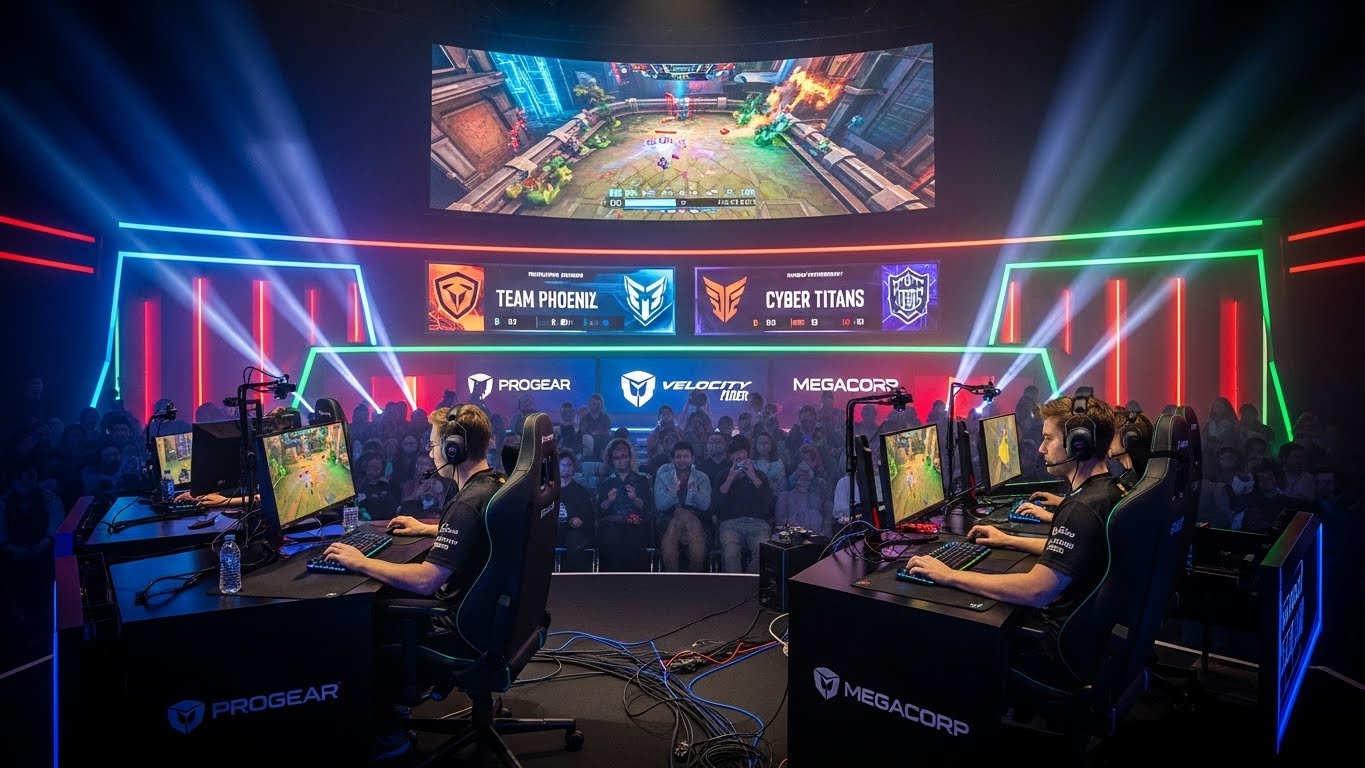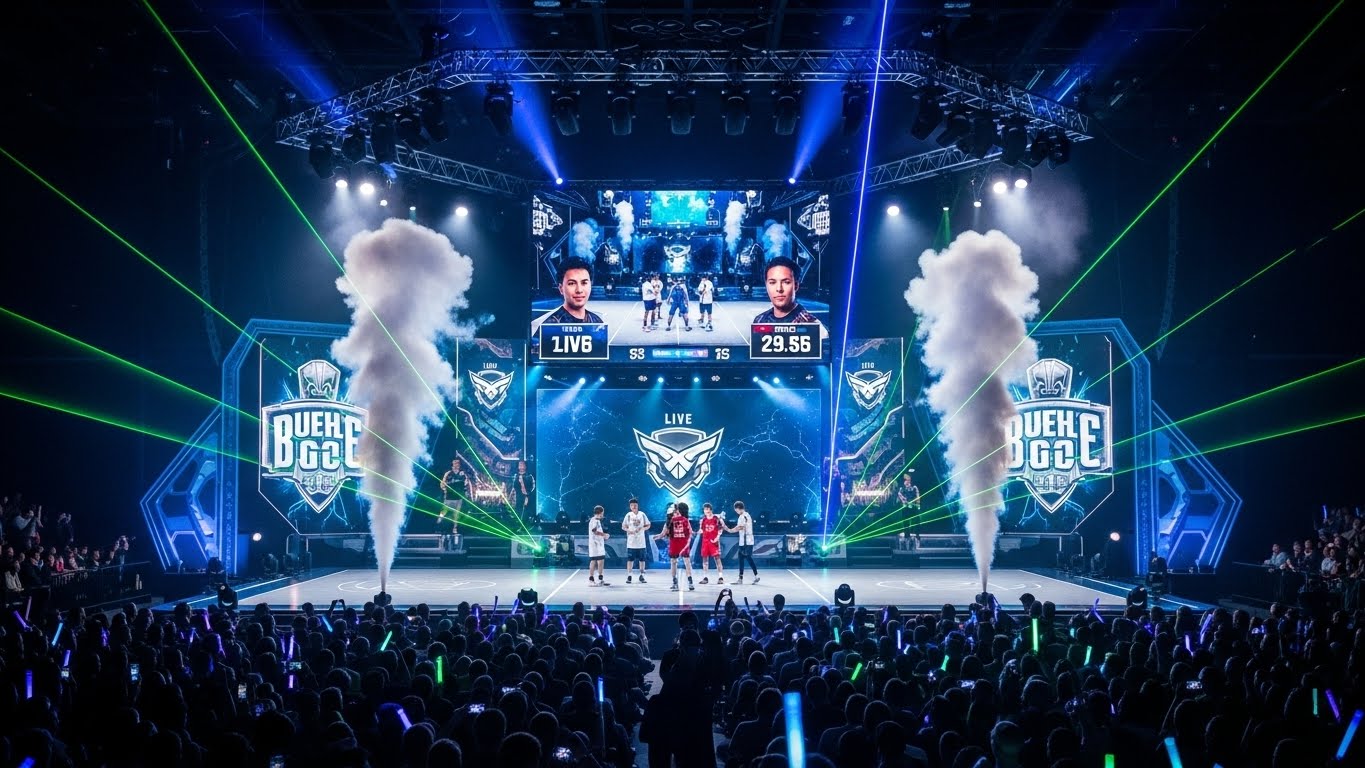
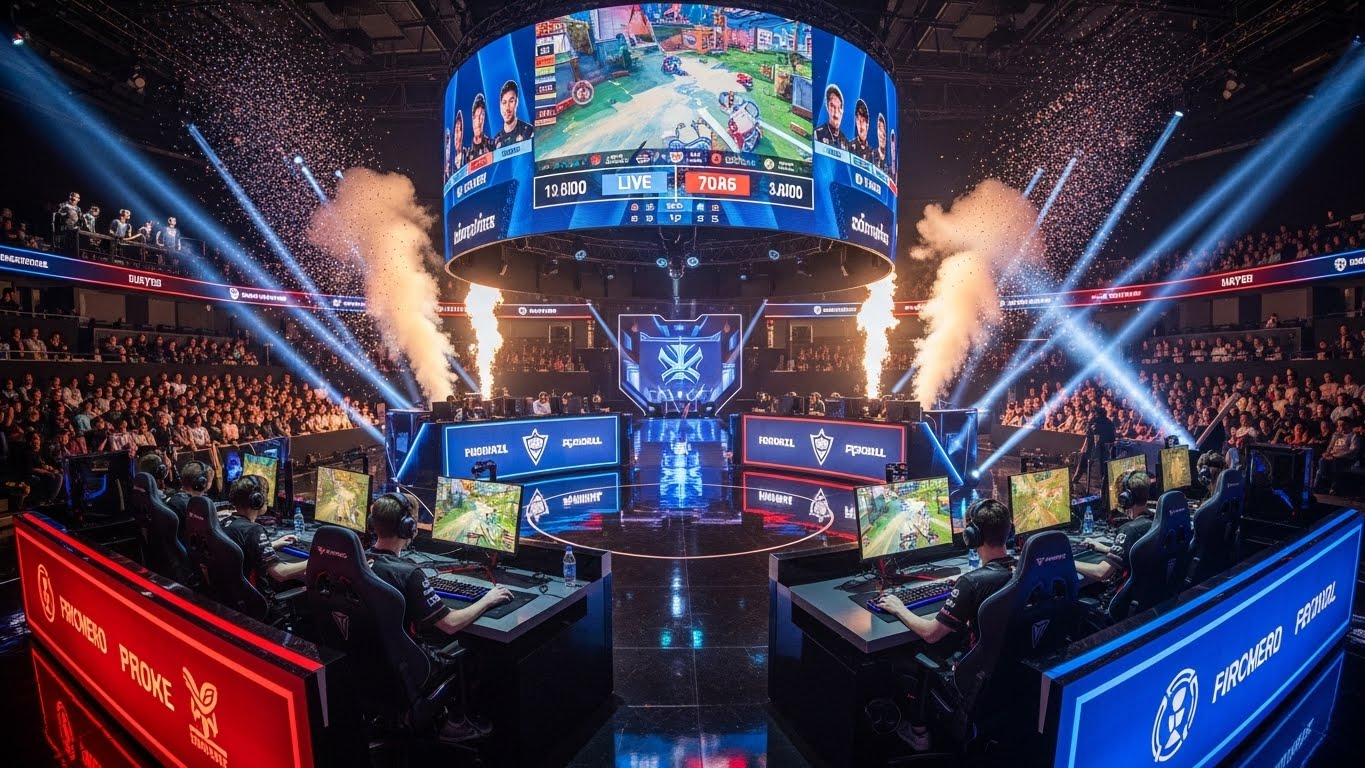
In the last decade, esports has transformed from a niche hobby into a global phenomenon. Competitive gaming now draws millions of viewers, attracts significant investments, and creates professional opportunities that rival traditional sports. Esports is not just about playing video games; it represents a cultural shift, technological evolution, and new pathways for personal and professional growth. This article explores the rise of esports, its influence on players and society, and why it is here to stay.
The Evolution of Esports
The concept of competitive gaming is not new. Early video game tournaments in the 1980s, such as Space Invaders competitions, laid the groundwork for modern esports. However, it was the rise of internet connectivity, multiplayer games, and streaming platforms that truly propelled esports into mainstream consciousness.
Today, esports encompasses a wide range of games, from first-person shooters and real-time strategy games to sports simulations and fighting games. Titles like League of Legends, Dota 2, Counter-Strike, and Fortnite have become household names, attracting professional teams, large-scale tournaments, and global audiences. The evolution of esports demonstrates the intersection of technology, entertainment, and competition, creating a dynamic ecosystem that continues to grow.
The Competitive Structure of Esports
Professional esports operates similarly to traditional sports, with leagues, tournaments, and rankings. Players often specialize in a single game, training rigorously to develop strategies, reflexes, and teamwork. Top-tier tournaments offer substantial prize money, sponsorships, and recognition, transforming gaming into a viable career path.
Teams are structured with coaches, analysts, and support staff who guide players through training, strategy development, and mental preparation. The competitive structure emphasizes skill, dedication, and strategic thinking, highlighting the professionalism of the industry. Esports leagues are organized regionally and globally, allowing fans to follow their favorite teams and players, creating a passionate and loyal community.
Physical and Mental Skills in Esports
Contrary to the stereotype of esports being purely sedentary, professional gaming requires remarkable physical and mental skills. Quick reflexes, hand-eye coordination, and precise motor control are essential for success. Players often engage in physical exercises to improve stamina and maintain focus during long gaming sessions.
Mental skills are equally critical. Esports demands strategic thinking, situational awareness, and decision-making under pressure. Players must analyze opponents’ patterns, anticipate moves, and execute plans with precision. Mental resilience is also vital, as high-stakes matches can involve intense stress and rapid momentum shifts. These skills parallel those developed in traditional sports, demonstrating that esports is both mentally and physically demanding.
Esports as a Career Path
Esports offers diverse career opportunities beyond playing professionally. Coaching, content creation, commentary, event management, and game development are just a few of the avenues available. Many players also build personal brands through streaming, social media engagement, and sponsorship deals, creating additional revenue streams.
The financial growth of esports has been staggering. Tournament prize pools now reach millions of dollars, and teams secure sponsorships from major corporations. Universities have also begun offering esports scholarships, recognizing the potential for competitive gaming to provide educational and career opportunities. For individuals passionate about gaming, esports can be a legitimate and rewarding profession.
The Cultural Impact of Esports
Esports has reshaped the cultural landscape of entertainment and sports. It has created communities where people share interests, strategies, and experiences, fostering social connections across the globe. Unlike traditional sports, esports transcends physical boundaries, allowing players and fans from different countries to interact seamlessly.
Esports also influences media, fashion, and lifestyle trends. Popular gaming personalities set trends for apparel, technology, and online engagement. Streaming platforms have transformed how audiences consume content, providing interactive experiences that traditional media cannot replicate. The cultural impact of esports extends far beyond the game, shaping how people connect, entertain themselves, and express identity in the digital era.
Technology and Innovation in Esports
The growth of esports is tightly linked to advancements in technology. High-speed internet, powerful gaming hardware, and sophisticated software have created immersive gaming experiences. Virtual reality and augmented reality are beginning to shape the next generation of esports, offering new gameplay dimensions and viewer experiences.
Streaming technology has revolutionized accessibility, allowing millions of fans to watch live competitions from anywhere in the world. Analytics tools provide teams with insights into performance, strategies, and opponent behavior, enabling more precise training and competitive advantage. Technology continues to drive innovation in esports, making it a dynamic and ever-evolving industry.
Mental Health and Well-being in Esports
While esports offers numerous opportunities, it also presents challenges, particularly regarding mental health and well-being. Professional players often face intense pressure, long hours of training, and public scrutiny. Stress, burnout, and performance anxiety are common issues in the esports community.
Addressing these challenges has become a priority for teams and organizations. Mental health professionals, support staff, and wellness programs are increasingly integrated into esports teams to ensure players maintain balance, focus, and overall well-being. The awareness of mental health in esports highlights the industry’s commitment to sustainable professional growth and personal care.
The Global Reach of Esports
Esports is a truly global phenomenon. Tournaments attract international audiences, and players often come from diverse cultural backgrounds. Countries like South Korea, the United States, and China have established themselves as esports powerhouses, while emerging markets continue to contribute to the global scene.
International competitions, such as the League of Legends World Championship and The International for Dota 2, showcase the global appeal of esports. Fans around the world tune in simultaneously, creating shared experiences that unite people across borders. The global reach of esports demonstrates its ability to transcend traditional barriers of geography, language, and culture.
Education and Esports
The educational potential of esports is gaining recognition. Schools and universities are developing esports programs to teach teamwork, problem-solving, and leadership skills. Participation in esports can foster strategic thinking, communication skills, and digital literacy, which are valuable in modern careers.
Some institutions offer esports scholarships, supporting students who excel both academically and in competitive gaming. This integration of esports into education reflects its legitimacy and the recognition of its potential to develop critical life skills alongside traditional learning.
The Future of Esports
The future of esports is bright, with continuous growth in viewership, technological innovation, and professional opportunities. Virtual reality, mobile esports, and cross-platform gaming are likely to expand the audience and participation further. Integration with mainstream media and entertainment will also continue, creating hybrid experiences that blur the line between gaming, sports, and culture.
Esports is also likely to gain further recognition from governing bodies, with discussions around inclusion in multi-sport events and international competitions gaining momentum. As the industry matures, it will continue to redefine entertainment, competition, and digital community engagement, solidifying its place in the global cultural landscape.
Conclusion: Esports as a Transformative Force
Esports is far more than competitive gaming; it is a transformative cultural, social, and economic force. It combines physical and mental skill, technological innovation, and community engagement, offering unique opportunities for players and fans alike. Esports has evolved into a professional industry that provides viable careers, fosters global connections, and inspires creativity and resilience.
By embracing esports, society acknowledges the changing nature of entertainment, competition, and digital interaction. It is a reflection of human ingenuity and passion in the digital age, demonstrating that games can be a serious pursuit that shapes identity, community, and professional life. As esports continues to grow, it will remain a defining feature of contemporary culture, proving that in the modern world, leveling up goes far beyond the screen.