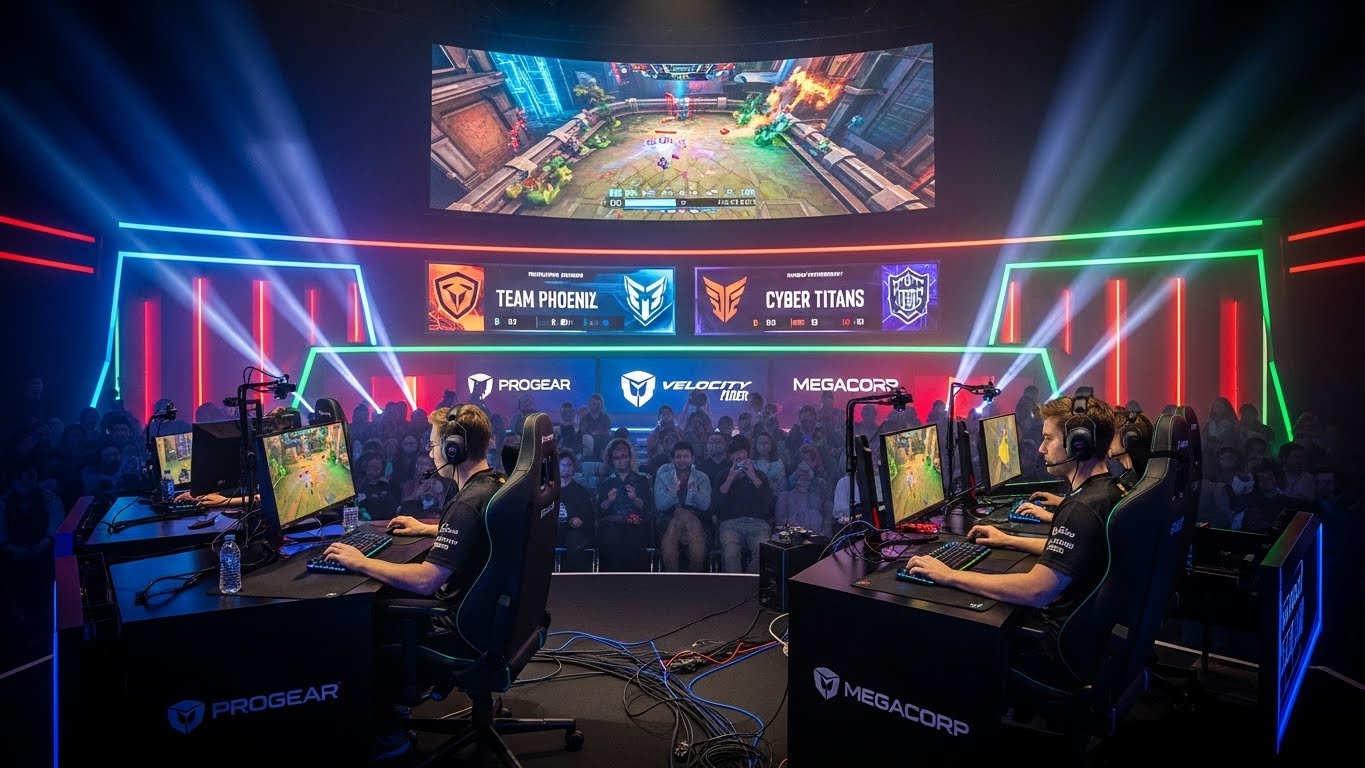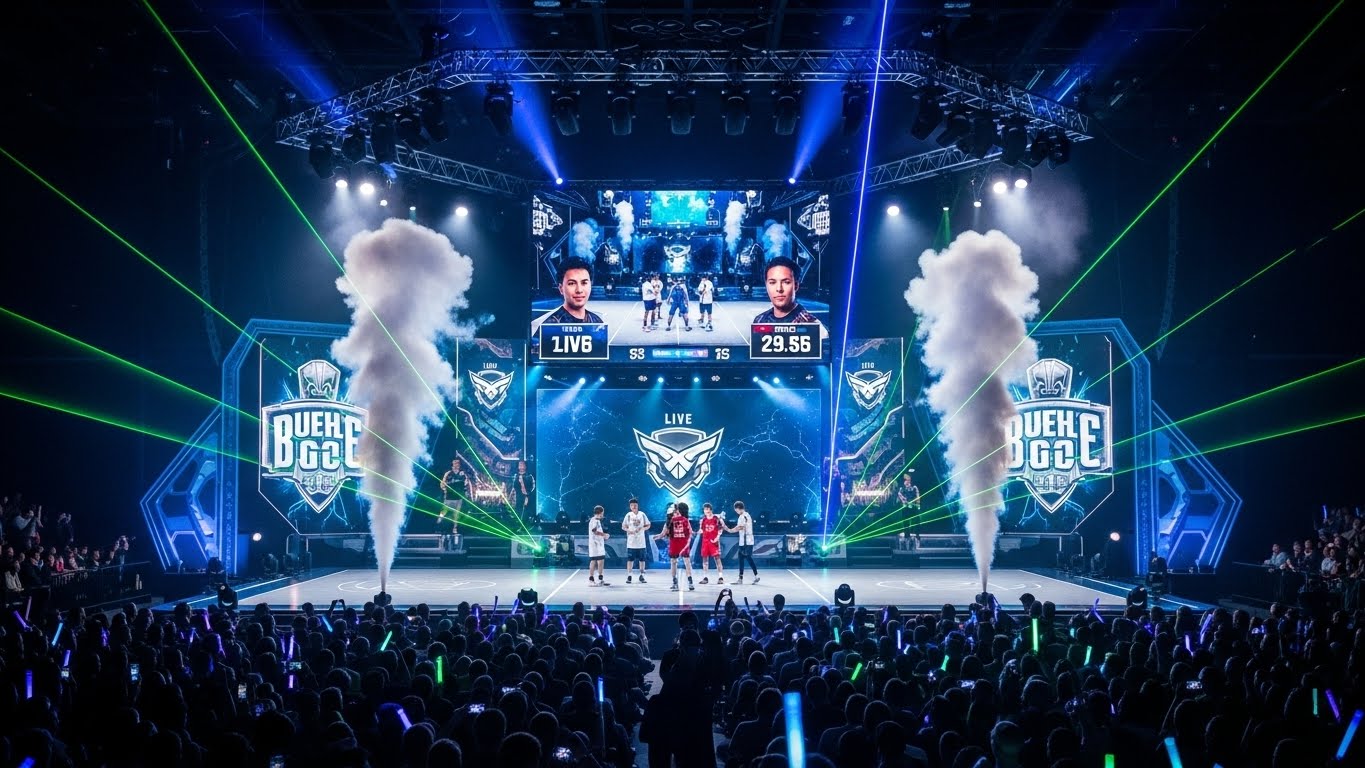
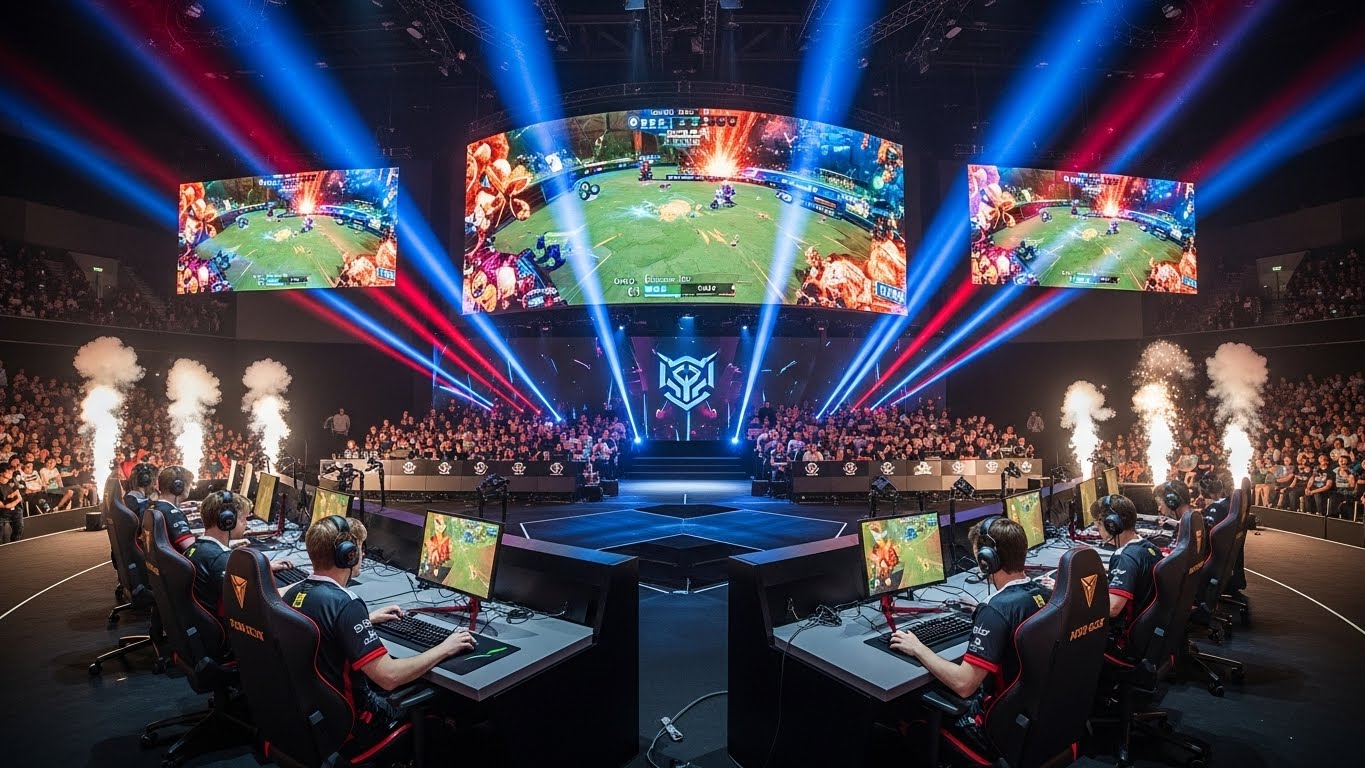
Esports has transformed from a casual digital pastime into a global competitive movement that rivals traditional sports in scale, passion, and professionalism. What once existed in small gaming rooms and local competitions has now grown into massive international tournaments watched by millions. Esports represents more than gaming; it is a fusion of technology, strategy, entertainment, and ambition. This blog explores the rise of esports, its structure, cultural significance, and the future it is shaping in the digital age.
The Early Beginnings of Esports
The origins of esports can be traced back to the early days of video games, when players competed for high scores in arcades. These early competitions were informal, often held among friends or within small communities. Despite their simplicity, they sparked a competitive spirit that laid the groundwork for organized gaming.
As home consoles and personal computers became more common, competitive gaming expanded. Multiplayer games introduced structured matches, rankings, and tournaments. With the rise of the internet, players could compete beyond physical boundaries, transforming gaming into a global competitive experience. These developments marked the foundation of modern esports.
Defining Esports in the Modern Era
Esports, or electronic sports, refers to organized competitive video gaming played at a professional or semi-professional level. Players compete individually or in teams across various genres such as strategy games, shooters, sports simulations, and battle-based games. What distinguishes esports from casual gaming is its emphasis on competition, structure, and skill mastery.
Professional esports players follow strict training routines, analyze gameplay footage, and develop advanced strategies. Matches are played under official rules, often in front of live audiences and online viewers. This level of organization and professionalism has elevated esports into a recognized competitive discipline.
Competitive Structure and Professional Ecosystem
The esports ecosystem mirrors traditional sports in many ways. Players often begin at amateur levels, progressing through ranked systems and smaller tournaments before reaching professional leagues. Teams sign contracts, participate in seasonal competitions, and aim for championship titles.
Behind the scenes, esports teams employ coaches, analysts, psychologists, and managers. Coaches focus on strategy and performance improvement, while analysts study gameplay data to gain competitive advantages. This professional support system highlights the seriousness and legitimacy of esports as a career path.
Skills Required for Esports Excellence
Success in esports requires a blend of physical precision and mental strength. Quick reflexes, hand-eye coordination, and fine motor control are essential. Players must execute complex actions accurately within seconds, often under immense pressure.
Mental skills are equally critical. Strategic thinking, adaptability, and decision-making define high-level play. Players must anticipate opponents’ moves, adjust tactics in real time, and remain focused for extended periods. Emotional control and resilience are vital, as competitive matches can involve rapid momentum changes and intense stress.
Physical and Mental Health in Esports
Despite being a digital activity, esports places physical demands on players. Long training sessions can strain muscles, eyes, and posture if not managed properly. Many professional players now incorporate physical exercise, stretching routines, and ergonomic setups to maintain physical well-being.
Mental health is a growing focus within esports. Competitive pressure, public scrutiny, and demanding schedules can lead to burnout and anxiety. To address this, teams increasingly prioritize mental wellness through balanced routines, rest periods, and psychological support. This shift reflects the industry’s recognition that sustainable performance depends on overall health.
Esports as a Career Opportunity
Esports has opened doors to diverse career opportunities. While professional players gain the most attention, many roles exist beyond competitive play. Coaching, commentary, event organization, game testing, content creation, and marketing are integral parts of the industry.
Educational institutions have begun recognizing esports as a legitimate pursuit. Some schools and universities offer esports programs that teach teamwork, leadership, and digital skills. These initiatives demonstrate how esports can support both professional growth and academic development.
Community and Social Connection
One of esports’ greatest strengths is its community. Players and fans connect across countries and cultures through shared passion. Online platforms allow people to discuss strategies, celebrate victories, and support their favorite teams and players.
Esports communities are often inclusive and collaborative. New players learn from experienced competitors, while fans form friendships through shared interests. This global connectivity fosters cultural exchange and a sense of belonging, making esports a powerful social platform.
Cultural Influence of Esports
Esports has significantly shaped modern culture. Gaming terminology, aesthetics, and personalities have entered mainstream conversation, especially among younger generations. Professional players and streamers are viewed as role models, admired for their dedication, skill, and creativity.
Esports influences fashion, music, and entertainment trends. Live tournaments resemble major cultural events, blending performance, technology, and spectacle. This cultural impact shows that esports is not a passing trend but a defining element of contemporary digital culture.
Technology as the Foundation of Esports
Technology is the backbone of esports. High-performance hardware, advanced software, and reliable internet connections enable competitive play at elite levels. Game developers continuously innovate, improving graphics, mechanics, and balance to enhance competition.
Broadcasting technology has also transformed esports viewership. Audiences can experience matches in real time, with commentary, analysis, and immersive visuals. As technology evolves, esports will continue to expand its reach and redefine interactive entertainment.
Global Reach and International Competition
Esports is a truly global phenomenon. Countries across Asia, Europe, the Americas, and beyond contribute to the competitive scene. International tournaments bring together players from diverse backgrounds, creating moments of shared excitement and cultural exchange.
Fans follow teams across borders, forming global communities united by competition and passion. This international appeal demonstrates esports’ ability to transcend language and geography, making it one of the most connected forms of modern competition.
Education and Skill Development Through Esports
Esports promotes valuable life skills. Team-based games teach communication, leadership, and collaboration. Strategic games enhance problem-solving, critical thinking, and adaptability. These skills are transferable to education and professional environments.
Schools and training programs increasingly use esports to engage students and develop digital literacy. By combining competition with learning, esports offers a unique approach to personal and intellectual growth.
Challenges Facing the Esports Industry
Despite its growth, esports faces challenges. Issues such as player burnout, lack of regulation in some regions, and concerns over fair treatment remain important topics. Maintaining integrity, inclusivity, and sustainability is essential for long-term success.
Additionally, balancing screen time and healthy lifestyles is a key concern. Responsible participation, proper guidance, and supportive environments are necessary to ensure esports remains a positive experience for players and fans alike.
The Future of Esports
The future of esports is filled with opportunity. Advances in immersive technology, mobile gaming, and interactive broadcasting will expand participation and viewership. New competitive formats and games will continue to emerge, keeping the industry dynamic.
As esports gains broader recognition, it may become further integrated into education, mainstream entertainment, and global sporting events. Its adaptability and innovation position it as a defining force in the future of competition.
Conclusion
Esports represents a powerful evolution in how competition, entertainment, and community are experienced. It combines skill, strategy, and technology into a global platform that connects millions of people. Far beyond gaming, esports reflects human ambition, creativity, and the desire to compete and excel.
As the industry continues to grow, esports will redefine traditional ideas of sports and success. It offers opportunities for careers, cultural expression, and global connection. From pixels to podiums, esports has proven that digital arenas can inspire real achievement and lasting impact.