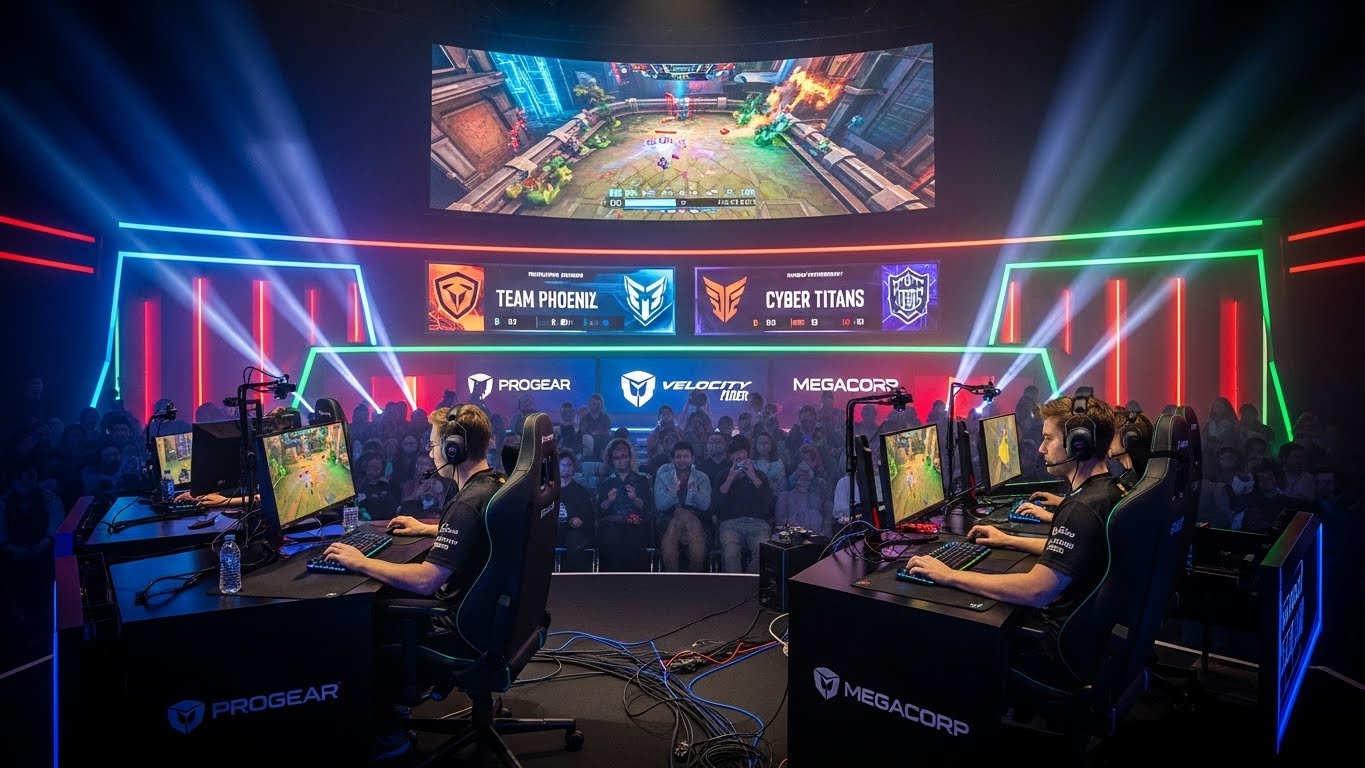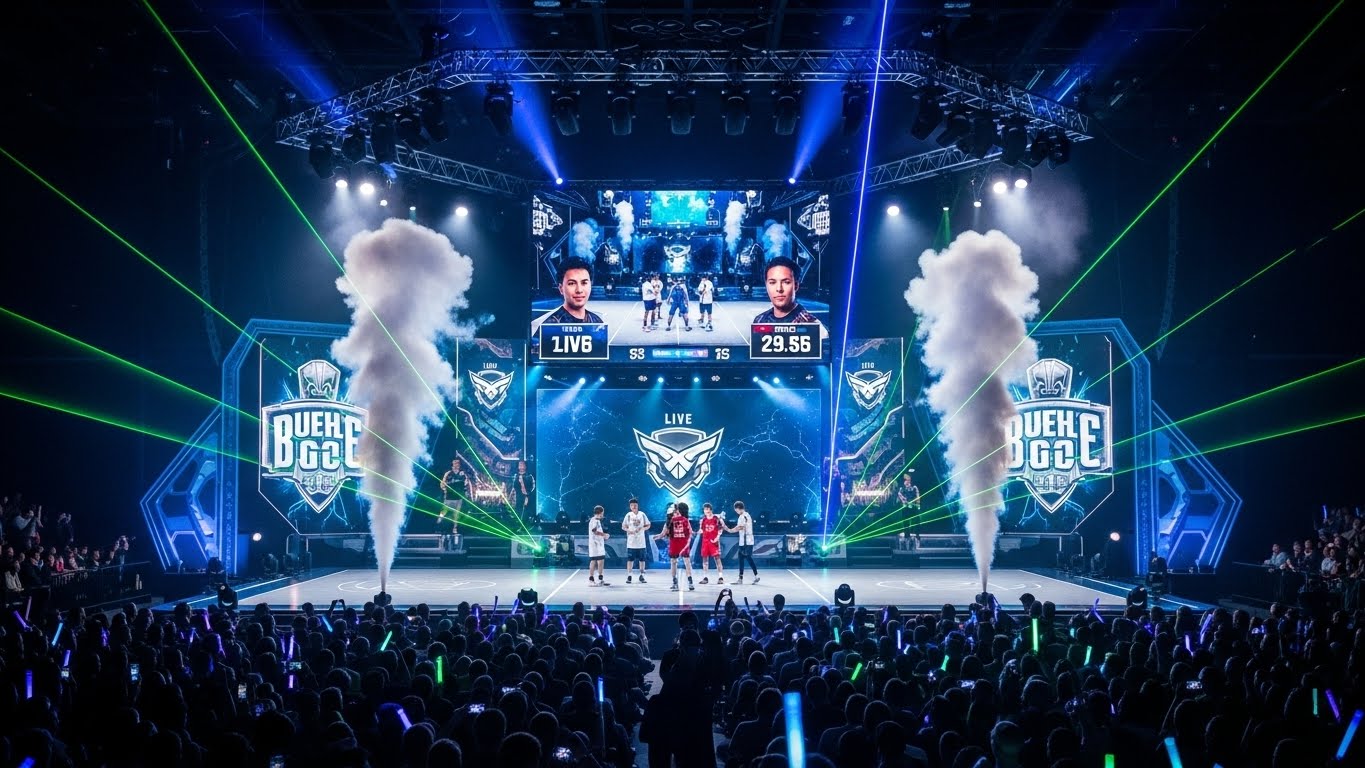
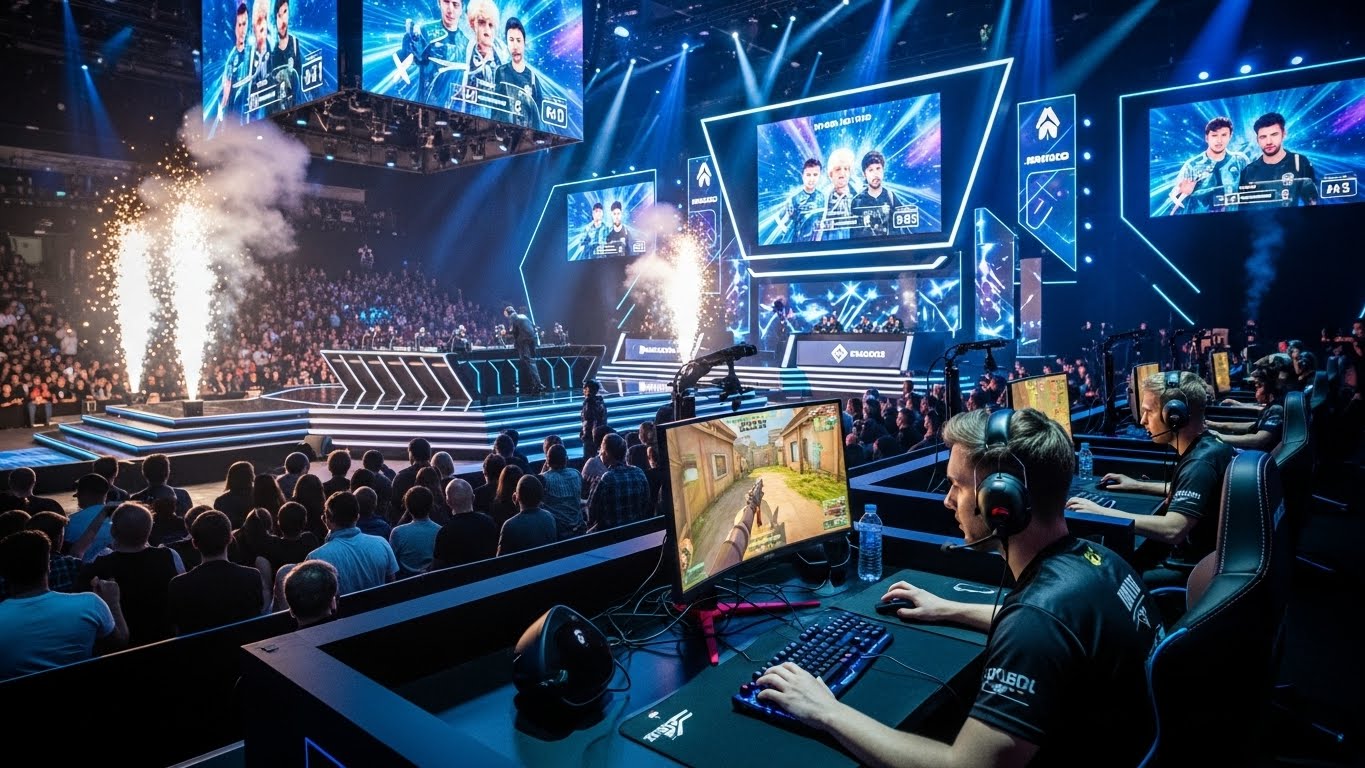
Esports, or competitive video gaming, has transformed from a niche hobby into a global phenomenon that rivals traditional sports in popularity, influence, and economic impact. Once dismissed as a pastime for casual gamers, esports has now carved its place in mainstream culture, attracting millions of players, fans, and investors worldwide. With professional leagues, international tournaments, and substantial prize pools, esports has proven that competitive gaming is not just entertainment—it is a serious pursuit that combines skill, strategy, teamwork, and dedication. This blog explores the rise of esports, its impact on society, the benefits and challenges it presents, and how it is reshaping the concept of competition in the digital age.
The Rise of Esports: From Arcade to Global Stage
Esports traces its roots back to the early days of arcade gaming in the 1970s and 1980s, when players competed in games like Space Invaders and Pac-Man for high scores. The 1990s introduced competitive PC gaming with titles like StarCraft and Quake, while the 2000s saw the growth of online multiplayer games such as Counter-Strike and Warcraft III. The development of streaming platforms in the 2010s, including Twitch and YouTube Gaming, propelled esports into the public eye, making professional players and tournaments accessible to millions of fans worldwide. Today, esports tournaments are held in massive arenas, broadcast live to global audiences, and supported by major sponsors, illustrating a remarkable journey from humble beginnings to mainstream recognition.
Popular Esports Games and Genres
Esports is not limited to a single type of game; it encompasses a wide variety of genres that appeal to different audiences. Multiplayer online battle arenas, or MOBAs, such as League of Legends and Dota 2, dominate competitive gaming due to their strategic depth and team coordination requirements. First-person shooters, including Counter-Strike: Global Offensive and Call of Duty, emphasize precision, reflexes, and tactical teamwork. Battle royale games like Fortnite and Apex Legends combine survival skills with strategic decision-making in ever-changing environments. Fighting games, sports simulations, and real-time strategy games further expand the competitive landscape, offering diverse experiences for players and spectators alike. Each genre presents unique challenges and requires a combination of individual skill and team synergy, showcasing the multifaceted nature of esports.
The Structure of Esports Competitions
Esports competitions mirror traditional sports in their organization, structure, and stakes. Professional leagues feature regular seasons, playoffs, and championship events, often with structured rankings and qualification processes. International tournaments such as The International for Dota 2 and the League of Legends World Championship attract teams from all over the globe, offering prize pools that reach tens of millions of dollars. These events are meticulously organized, with referees, official rules, and broadcast production teams ensuring fair play and engaging presentation for audiences. The professionalism of esports competitions demonstrates that competitive gaming requires the same level of dedication, preparation, and discipline as traditional sports.
Mental and Physical Skills in Esports
While esports is primarily a digital pursuit, it demands significant mental and physical skills. Players must exhibit quick reflexes, sharp hand-eye coordination, strategic thinking, and adaptability under pressure. Team-based games also require communication, leadership, and collaboration, as success often depends on synchronized efforts. Contrary to common misconceptions, professional esports athletes train rigorously, following practice schedules that can span several hours per day. Physical fitness, including exercise and ergonomic practices, is essential to prevent repetitive strain injuries and maintain long-term performance. Mental resilience is equally important, as players cope with high-pressure environments, public scrutiny, and the emotional highs and lows of competition.
The Economic Impact of Esports
Esports has become a multi-billion-dollar industry, generating revenue through sponsorships, advertising, merchandise, streaming platforms, and ticket sales. Major brands invest heavily in esports teams and events, recognizing the opportunity to reach younger, digitally engaged audiences. The proliferation of professional esports organizations has created jobs for players, coaches, analysts, broadcasters, content creators, and event managers. Cities hosting international tournaments benefit from tourism and economic activity, similar to traditional sporting events. The economic footprint of esports highlights its transformation from a recreational activity into a professional ecosystem with global influence.
Esports and the Future of Entertainment
The rise of esports represents a shift in how entertainment is consumed and experienced. Unlike traditional sports, esports combines interactive engagement with live competition, allowing fans to participate through streaming, social media, and virtual events. Spectators can learn strategies, follow favorite players, and even play alongside professionals in online communities. This immersive experience redefines entertainment by blending participation, observation, and digital interactivity. Additionally, esports serves as a bridge between gaming, technology, and pop culture, influencing music, fashion, and lifestyle trends, and fostering global communities united by shared interests.
Education and Esports
Esports has also found its place in educational settings. Many schools and universities now offer esports programs, scholarships, and competitive teams. These programs teach students teamwork, problem-solving, communication, and strategic thinking while providing opportunities for professional development. Some institutions have integrated esports into their curriculum, combining game design, marketing, and media production with competitive gaming. This approach not only nurtures talent but also promotes the development of digital literacy and technical skills that are highly relevant in the modern workforce.
Challenges Facing the Esports Industry
Despite its rapid growth, esports faces several challenges. Health concerns, such as eye strain, posture issues, and repetitive stress injuries, require careful management by players and organizations. Mental health is another critical area, as professional players contend with pressure, burnout, and public scrutiny. The industry also grapples with regulatory issues, including fair play, doping, and gambling concerns. Gender representation remains uneven, with female participation still limited in many competitive scenes. Addressing these challenges is essential for sustainable growth and the continued legitimacy of esports as a respected form of competition.
Esports as a Social Connector
One of the most compelling aspects of esports is its ability to connect people across the globe. Online platforms allow players from different countries, cultures, and backgrounds to compete together, fostering friendships and cultural exchange. Communities form around games, providing support networks, mentorship, and collaborative opportunities. Esports events, both virtual and in-person, bring fans together, creating a sense of belonging and shared passion. In a digital world often criticized for isolation, esports demonstrates how technology can be a powerful tool for connection and community building.
The Future of Esports
The future of esports is bright, with technology, audience engagement, and global participation driving continuous evolution. Virtual reality, augmented reality, and AI integration have the potential to transform gameplay, training, and spectating experiences. Mobile esports is gaining traction, especially in regions with high smartphone penetration, making competitive gaming more accessible than ever. As traditional sports and esports increasingly intersect, hybrid events and collaborations are likely to emerge, further legitimizing competitive gaming in mainstream culture. The potential for growth, innovation, and cultural impact ensures that esports will continue to redefine the landscape of competition for years to come.
Conclusion: Esports as a New Era of Competition
Esports represents a paradigm shift in the concept of competition, blending technology, strategy, skill, and community into a dynamic and inclusive form of entertainment. From humble beginnings in arcades to multi-million-dollar international tournaments, esports has demonstrated resilience, adaptability, and global appeal. It challenges conventional notions of athleticism while offering opportunities for personal growth, economic development, and social connection. For players, fans, and industry stakeholders alike, esports is not merely a game—it is a vibrant, evolving ecosystem that reflects the digital age and the limitless potential of human creativity.
As esports continues to grow, it invites individuals to explore new skills, engage with communities, and experience competition in unprecedented ways. It serves as a reminder that the essence of sport—passion, dedication, teamwork, and resilience—can transcend physical boundaries and thrive in the digital realm. The rise of esports marks a new era in human entertainment and competition, one that celebrates innovation, global connection, and the enduring thrill of playing to win.