Introduction: From Play to Profession
Esports has evolved from casual gaming sessions in bedrooms and internet cafés into a global competitive industry that rivals traditional sports in viewership, revenue, and cultural influence. What was once considered a niche hobby has transformed into a professional ecosystem featuring elite athletes, international tournaments, passionate fan bases, and billion dollar investments. Esports is no longer just about playing video games; it is about performance, discipline, strategy, and entertainment on a massive scale.
This blog explores the world of esports in depth, examining its origins, growth, structure, cultural impact, and future potential. By understanding esports beyond the screen, we can better appreciate why it has become one of the most significant developments in modern entertainment.
The Origins of Competitive Gaming
Competitive gaming did not appear overnight. Its roots can be traced back to early arcade competitions and university computer labs where players challenged one another for high scores and bragging rights. As technology advanced, local competitions grew into organized events, supported by improving internet connectivity and multiplayer capabilities.
The real turning point came with the rise of online gaming. Players from different regions could finally compete in real time, leading to the formation of clans, leagues, and tournaments. Games designed with competitive balance in mind accelerated this shift, laying the foundation for what would later be recognized as esports.
What Defines Esports Today
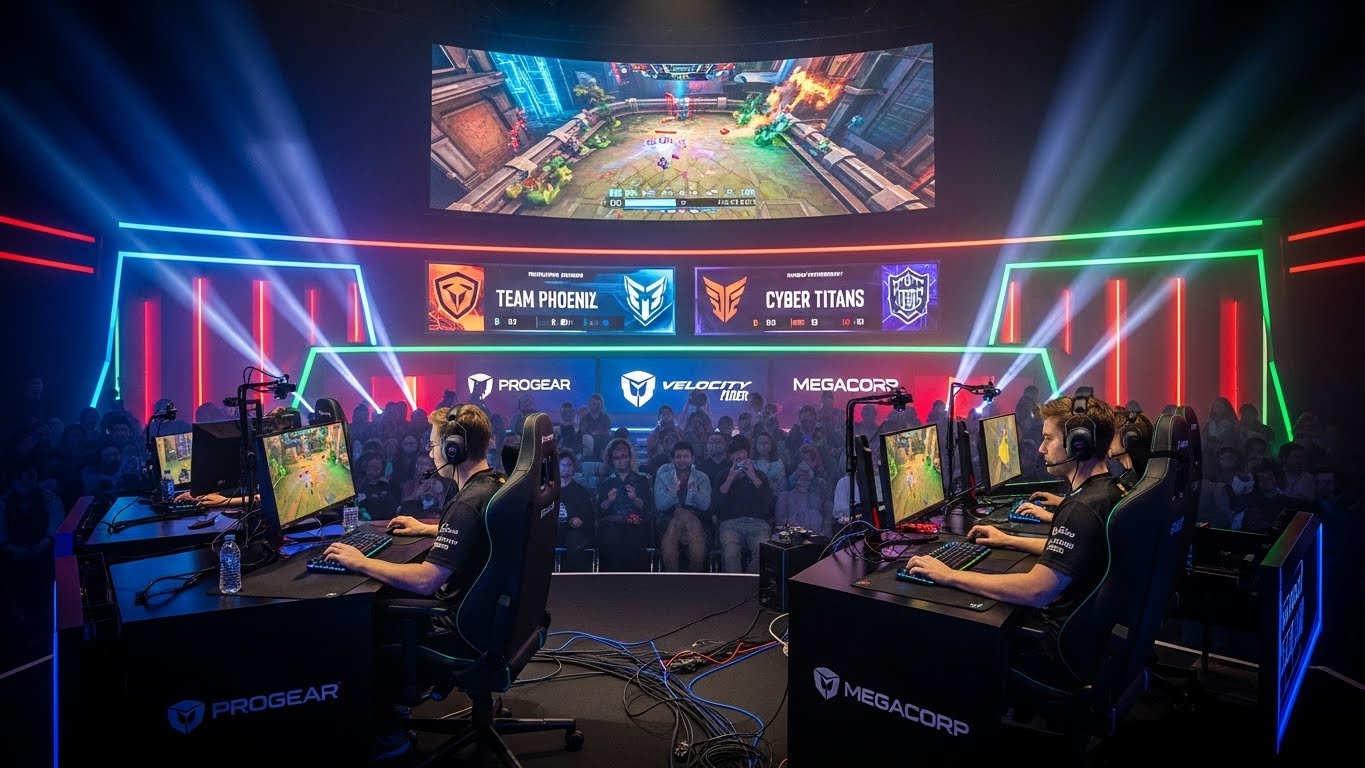
Esports refers to organized, competitive video gaming where individuals or teams compete under structured rules for recognition, rankings, and prizes. Unlike casual gaming, esports emphasizes high level skill, consistent practice, and strategic depth.
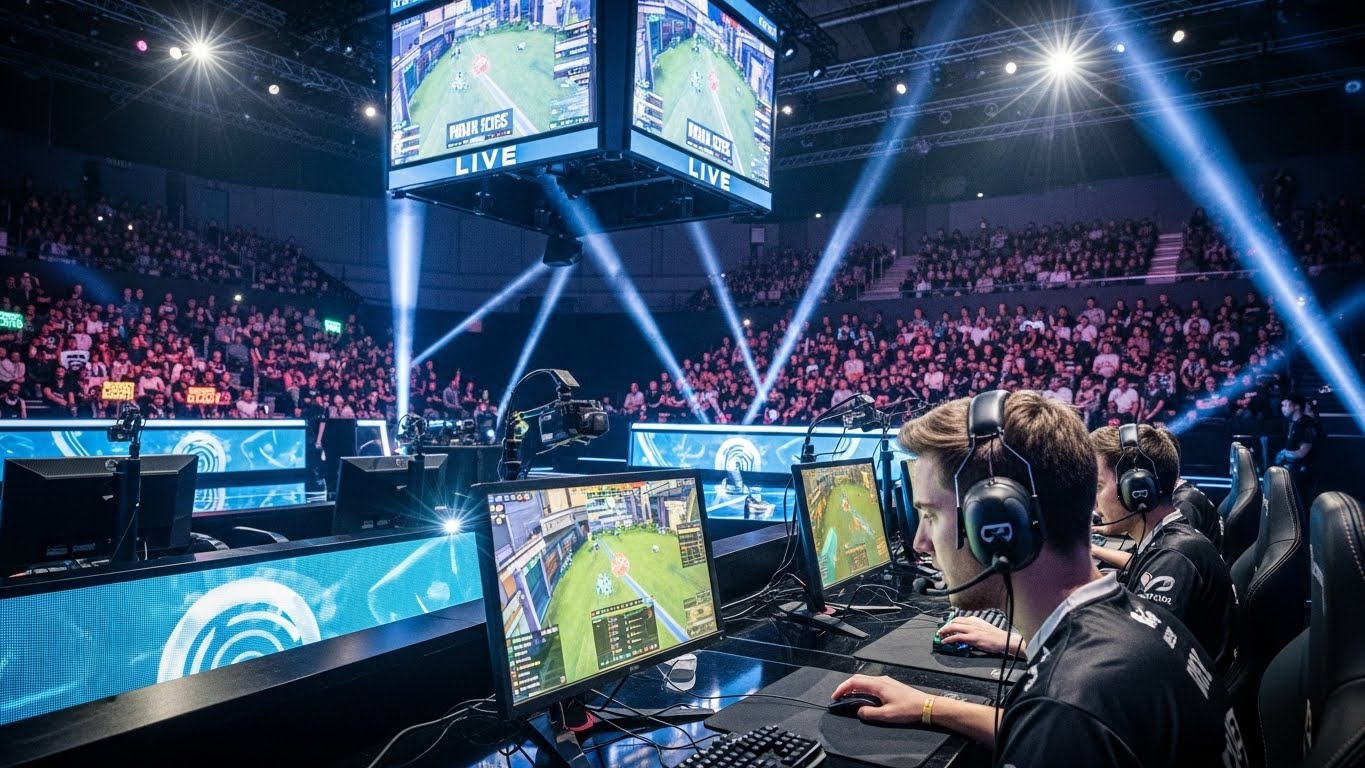
Professional esports involves training schedules, coaching staff, performance analysis, and mental conditioning. Players are often signed to teams, receive salaries, and represent brands or regions. Major tournaments are broadcast to millions of viewers, complete with commentators, analysts, and production teams that mirror traditional sports coverage.
Popular Esports Genres and Games
Esports is not limited to one type of game. It spans multiple genres, each appealing to different audiences and skill sets. Multiplayer online battle arena games focus on teamwork and strategy, while first person shooters demand precision, reflexes, and coordination. Strategy games reward long term planning and adaptability, and sports simulation games blend real world knowledge with virtual execution.
This diversity is one of esports’ greatest strengths. It allows players and fans to find niches that match their interests, whether they prefer fast paced action, tactical decision making, or strategic mastery.
The Esports Athlete: Skill, Discipline, and Mindset
Contrary to outdated stereotypes, professional esports players are not simply playing games for fun. They are athletes in their own right, requiring intense focus, hand eye coordination, quick decision making, and emotional control. Training often involves many hours a day, reviewing gameplay, practicing mechanics, and refining team strategies.
Mental health and physical well being have become increasingly important topics in esports. Top organizations now emphasize proper sleep, exercise, nutrition, and psychological support. The goal is to ensure longevity and peak performance in an environment that can be mentally demanding and highly competitive.
Teams, Organizations, and Leagues
At the core of esports are professional teams and organizations. These entities recruit talent, provide infrastructure, and manage branding and sponsorships. Successful organizations operate like traditional sports clubs, with management, marketing departments, and long term development plans.
Leagues and tournament circuits provide structure and consistency to the competitive calendar. Some leagues operate on seasonal formats with regular matches, while others revolve around open tournaments where teams qualify through performance. This structure helps maintain competitive integrity and fan engagement throughout the year.
The Role of Fans and Community
Esports thrives on its community. Fans are not just passive viewers; they actively engage through live chats, social media discussions, fan art, and in game support. This direct interaction between players and fans creates a sense of closeness rarely seen in traditional sports.
Community driven content, such as highlight clips, discussions, and amateur tournaments, plays a significant role in sustaining interest. Esports culture is shaped as much by its fans as by its professionals, making it a truly participatory form of entertainment.
Streaming and Esports Media
Streaming platforms have been instrumental in the growth of esports. They allow fans to watch live matches, follow their favorite players, and learn the intricacies of the game. Unlike traditional broadcasts, streaming offers real time interaction, enabling viewers to feel like part of the event.
Esports media also includes documentaries, interviews, analysis shows, and behind the scenes content. These formats humanize players and tell compelling stories of rivalry, perseverance, and triumph, further deepening audience connection.
Economic Impact and Career Opportunities
The esports industry has created a wide range of career opportunities beyond playing professionally. Coaches, analysts, event organizers, broadcasters, graphic designers, marketers, and software developers all contribute to the ecosystem.
Sponsorships, merchandise, ticket sales, and media rights generate significant revenue. Educational institutions and training programs have begun to recognize esports as a viable career path, offering courses and scholarships related to gaming, production, and management.
Challenges Facing the Esports Industry
Despite its success, esports faces several challenges. Player burnout, inconsistent regulations, and financial sustainability are ongoing concerns. The rapid pace of growth can sometimes outstrip the development of stable systems and player protections.
Another challenge is public perception. While attitudes are changing, esports still faces skepticism from those who do not fully understand its competitive nature. Addressing these challenges requires collaboration between developers, organizations, players, and governing bodies.
Esports and Global Culture
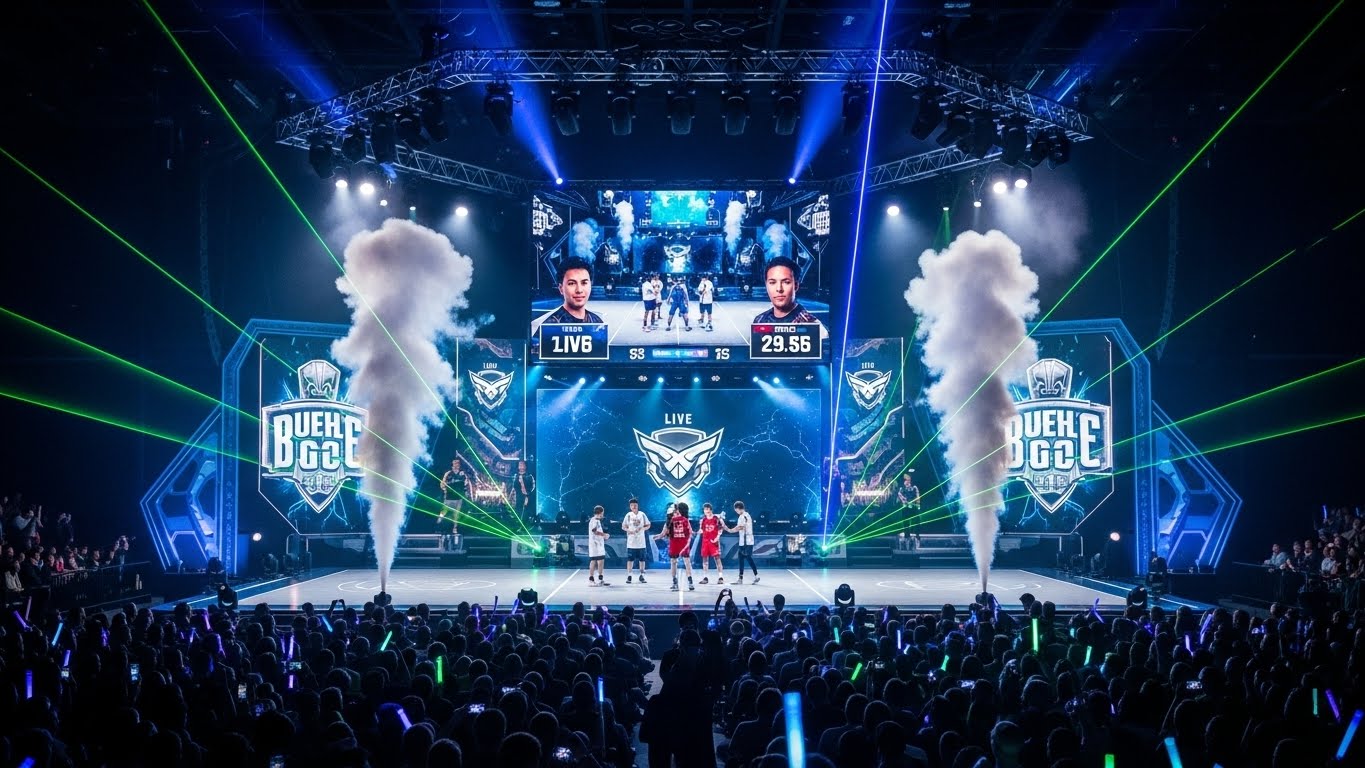
Esports is a global phenomenon that transcends language and geography. International tournaments bring together players and fans from diverse backgrounds, fostering cross cultural exchange and shared experiences.
In many regions, esports has become part of youth culture, influencing fashion, music, and online communication. It reflects the digital native generation’s values of connectivity, creativity, and competition, positioning esports as a defining element of contemporary culture.
The Future of Esports
The future of esports is filled with possibility. Advancements in technology, such as virtual reality and improved connectivity, may redefine how games are played and watched. Greater institutional support and standardized governance could bring more stability and professionalism.
As esports continues to mature, it is likely to coexist alongside traditional sports, not as a replacement but as a complementary form of competition and entertainment. Its ability to adapt and innovate will determine how far it can go.
Conclusion: More Than Just a Game
Esports represents a shift in how we define sport, competition, and entertainment. It blends technology, human skill, and global connectivity into a dynamic and evolving industry. What began as simple competition has grown into a cultural and economic force that shows no sign of slowing down.
By looking beyond the screen, we see that esports is about people, passion, and performance. It is a testament to how digital spaces can create real world impact, shaping careers, communities, and the future of competitive play.