Esports has emerged as one of the most influential forces in modern entertainment. What once began as casual gaming among friends has evolved into a competitive global industry where skill, strategy, and dedication define success. Esports is no longer just about playing video games for fun; it has become a serious profession, a cultural movement, and a platform that connects millions of people across the world. This blog explores the journey of esports, its structure, its influence on individuals and society, and why it represents the future of competition in the digital age.
The Origin and Evolution of Esports
The roots of esports can be traced back to the early days of video gaming when players competed for high scores in arcades. These early competitions were informal and limited in reach, but they planted the seeds for something much bigger. As home consoles and personal computers became more common, multiplayer gaming gained popularity, allowing players to compete beyond physical locations.
The real transformation began with the expansion of the internet. Online connectivity made it possible for players from different countries to compete in real time. Competitive games began to develop structured rules, ranking systems, and organized tournaments. Over time, esports evolved into a professional ecosystem with leagues, teams, sponsors, and dedicated audiences. Today, esports stands as a testament to how technology can reshape traditional ideas of sports and competition.
Understanding What Esports Really Is
Esports, short for electronic sports, refers to organized competitive video gaming. Players compete individually or in teams across various game genres, including strategy games, shooting games, sports simulations, and fighting games. Unlike casual gaming, esports requires advanced skill levels, strategic thinking, and intense practice.
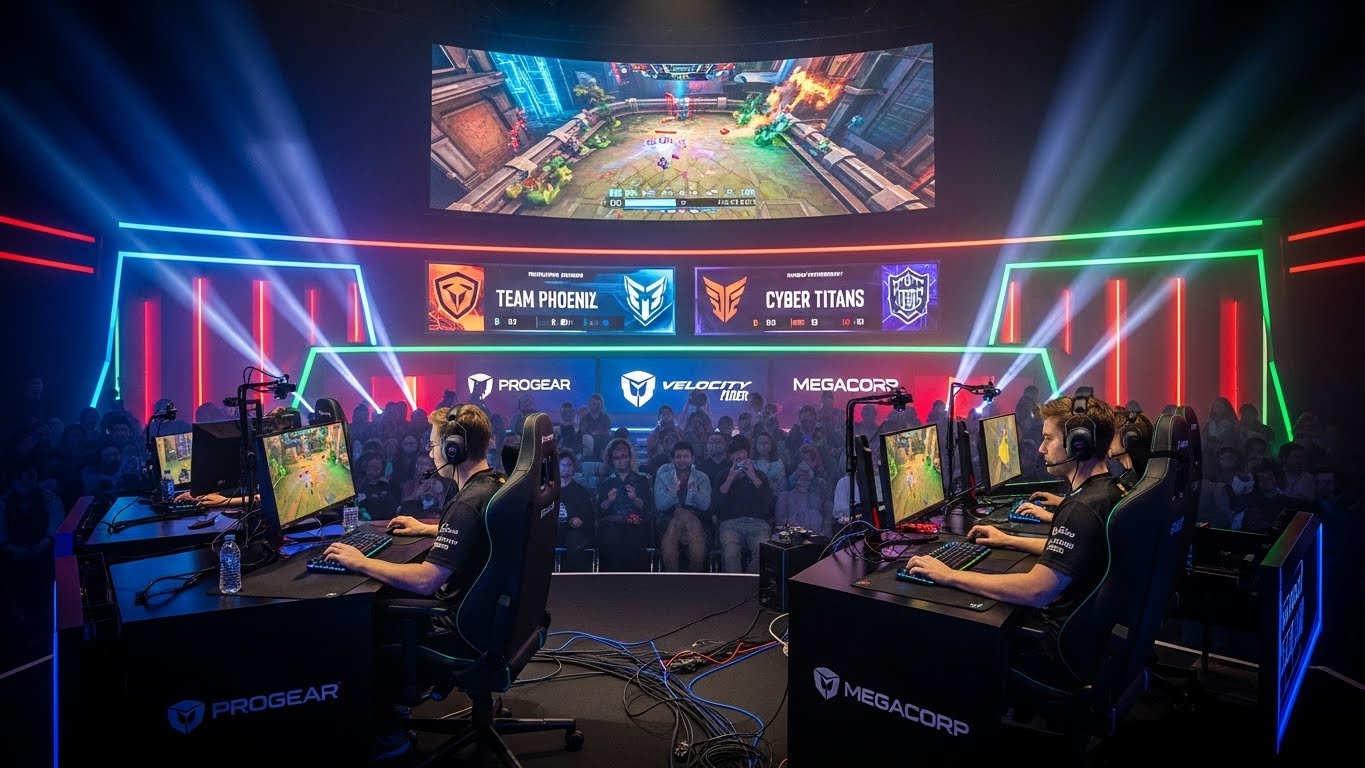
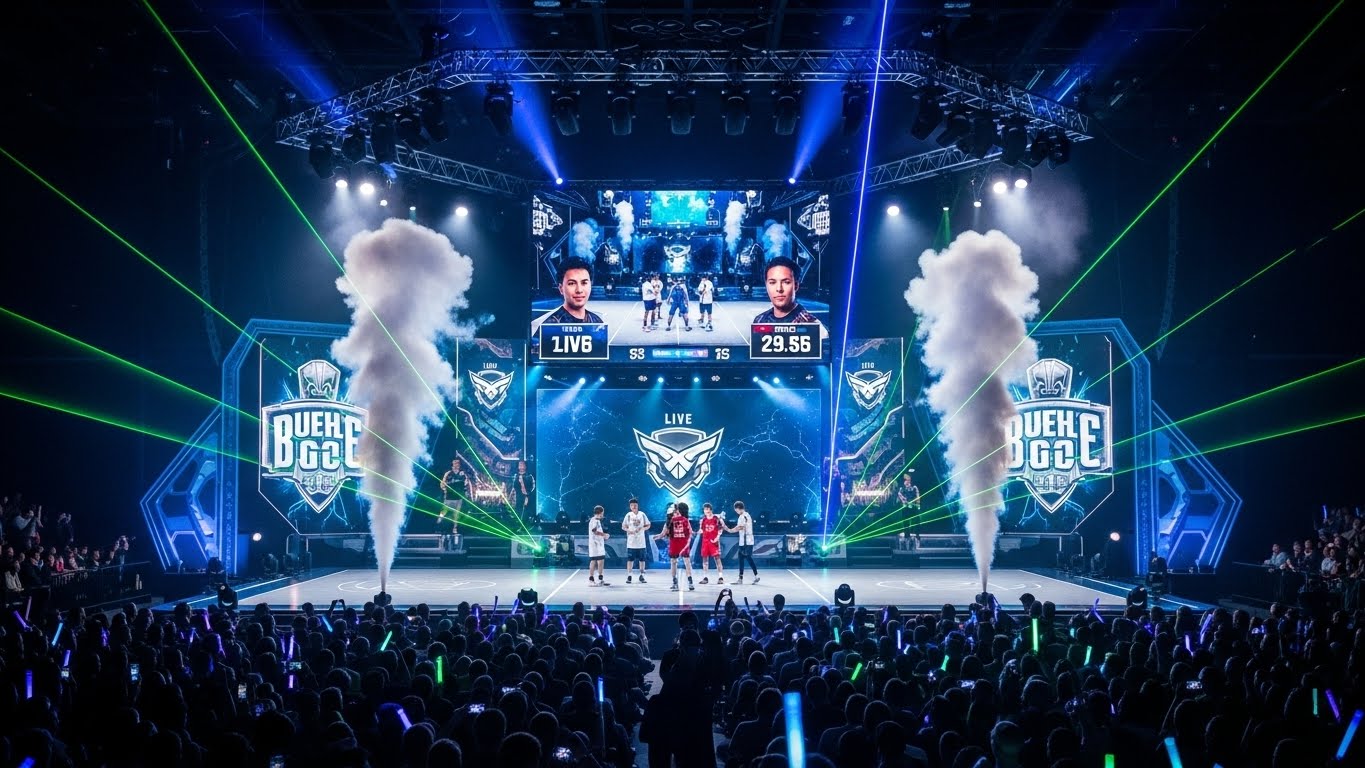
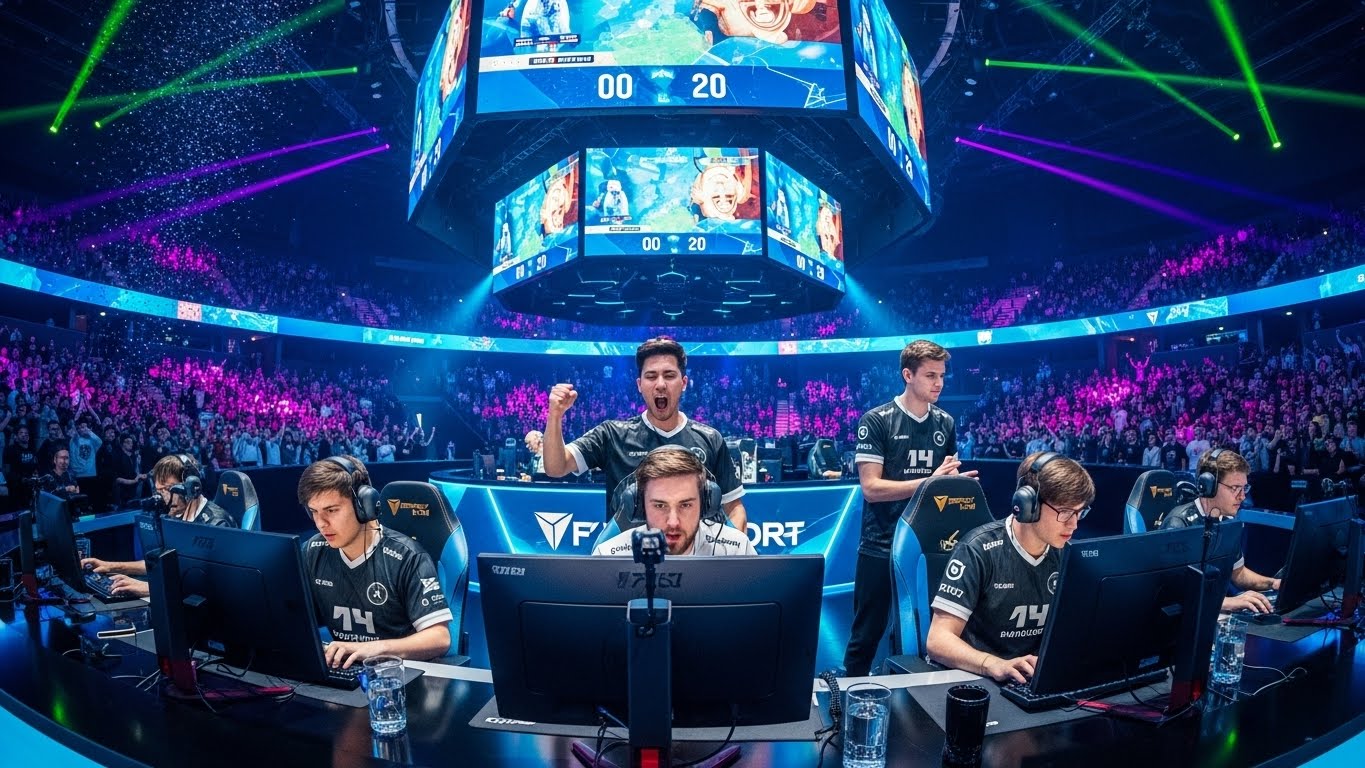
Professional esports players train for many hours each day, analyzing gameplay, refining techniques, and coordinating with teammates. Matches are often broadcast to live audiences, both online and in physical venues, creating an atmosphere similar to traditional sporting events. Esports is defined not by the game itself, but by the competitive structure, professionalism, and audience engagement surrounding it.
The Competitive Structure of Esports
Esports operates with a well-defined competitive framework. Players usually start at amateur or semi-professional levels before advancing to professional leagues. Teams are formed, contracts are signed, and regular seasons lead to playoffs and championships. Tournaments are organized regionally and internationally, allowing players to test their skills against the best competitors in the world.
Behind every successful esports team is a support system that includes coaches, analysts, and managers. Coaches focus on strategy and teamwork, while analysts study opponents and game data to identify strengths and weaknesses. This structured environment demonstrates that esports demands discipline and organization similar to traditional professional sports.
Skills Required to Succeed in Esports
Success in esports requires a unique combination of mental and physical skills. Quick reflexes, precise hand-eye coordination, and fast reaction times are essential. Players must execute complex actions accurately within fractions of a second, often under immense pressure.
Mental skills are equally important. Strategic planning, situational awareness, and adaptability play a critical role in high-level competition. Players must remain calm, focused, and confident even when facing setbacks. The ability to learn from mistakes and adjust strategies in real time separates good players from elite competitors. These skills often translate into valuable abilities outside gaming, such as problem-solving and critical thinking.
Physical and Mental Health in Esports
Although esports is primarily a digital activity, physical health still matters greatly. Long hours of gaming can lead to fatigue and strain if not managed properly. Many professional players follow fitness routines to improve endurance, posture, and overall well-being. Physical exercise helps maintain energy levels and enhances concentration during extended competitions.
Mental health is a growing topic within the esports community. Competitive pressure, public scrutiny, and demanding schedules can lead to stress and burnout. As a result, many teams now prioritize mental wellness by promoting balanced routines, rest periods, and psychological support. This shift reflects the industry’s recognition that long-term success depends on both performance and personal health.
Esports as a Career Opportunity
Esports has opened doors to numerous career paths beyond professional gaming. While only a small percentage of players reach the highest competitive levels, the industry offers opportunities in coaching, broadcasting, event management, game testing, marketing, and content creation. Many individuals build careers by streaming gameplay, creating educational content, or hosting esports events.
Educational institutions have also begun to recognize esports as a legitimate pursuit. Some schools and universities offer esports programs that teach teamwork, leadership, and digital skills. These developments highlight how esports can provide meaningful career opportunities for individuals with diverse talents and interests.
The Social and Community Aspect of Esports
One of the most powerful aspects of esports is its sense of community. Players and fans come together through shared passion, regardless of geographical location. Online platforms allow people to discuss strategies, celebrate victories, and support their favorite teams and players.
Esports communities are often inclusive and diverse, bringing together individuals from different cultures and backgrounds. This global interaction fosters understanding and collaboration, making esports a unifying force in a digitally connected world. The friendships and networks formed through esports often extend beyond gaming, creating lasting social bonds.
Cultural Influence of Esports
Esports has significantly influenced modern culture. Gaming terminology, visuals, and personalities have become part of everyday conversations, especially among younger generations. Esports athletes are now recognized as public figures, admired for their skill, dedication, and creativity.
The influence of esports extends into fashion, music, and media. Gaming-inspired designs, themed events, and interactive entertainment experiences reflect how deeply esports has embedded itself in popular culture. This cultural impact demonstrates that esports is not a passing trend but a defining element of contemporary digital life.
Technology as the Backbone of Esports
Technology is the foundation upon which esports is built. High-performance hardware, reliable internet connections, and advanced software enable competitive gaming at the highest level. Innovations in game design, data analysis, and broadcasting continue to enhance both player performance and viewer experience.
As technology evolves, esports will continue to grow in complexity and reach. New gaming platforms, improved graphics, and immersive experiences are expanding the possibilities of competitive play. Technology not only supports esports but also drives its constant evolution.
Global Expansion and Recognition
Esports has become a global phenomenon, with major competitive scenes across Asia, Europe, North America, and beyond. International tournaments bring together players from around the world, creating moments of shared excitement and cultural exchange. Fans support teams across borders, forming a truly international audience.
This global reach has elevated esports to mainstream recognition. Governments, educational institutions, and corporations increasingly acknowledge esports as a legitimate industry. Its ability to unite people worldwide highlights its significance as a modern form of global competition.
The Future of Esports
The future of esports is filled with potential. As technology advances and audiences grow, esports will continue to expand into new markets and formats. Mobile gaming, immersive digital environments, and innovative competition structures are expected to play a major role in the next phase of growth.
Esports is also likely to influence how future generations perceive sports, careers, and entertainment. Its adaptability and inclusivity make it well-suited to a rapidly changing world. The industry’s continued focus on professionalism, health, and community will shape its long-term success.
Conclusion
Esports represents a powerful shift in how competition and entertainment are experienced in the modern world. It blends technology, skill, and human ambition into a dynamic and evolving industry. Far from being just games on a screen, esports showcases dedication, teamwork, and strategic excellence.
As esports continues to grow, it will redefine traditional ideas of sports and success. It offers opportunities for connection, creativity, and career development, proving that digital arenas can foster real ambition and achievement. Esports is not just the future of gaming; it is a reflection of how passion and innovation come together in the digital age.