Introduction
Esports has rapidly evolved from a casual pastime into one of the most influential forms of competitive entertainment in the modern world. What began as friends competing in video games has transformed into a global industry featuring professional players, international tournaments, dedicated fan bases, and massive economic value. Esports now stands at the intersection of technology, culture, and competition, reshaping how people perceive sports and entertainment. This blog explores the rise of esports, its structure, cultural influence, challenges, and future potential.
The Early Days of Esports
The roots of esports can be traced back to the early days of video gaming, when players competed for high scores and local recognition. Arcade tournaments and small-scale competitions marked the beginning of organized gaming. These events were often informal, driven by passion rather than profit, but they created a foundation for competitive gaming culture.
As home consoles and personal computers became more common, multiplayer gaming expanded. Players could compete with others beyond their immediate environment, forming communities around shared interests. These early gaming communities played a vital role in shaping the competitive spirit that defines esports today.
Growth Through Online Connectivity
The widespread availability of high-speed internet revolutionized esports. Online multiplayer games allowed players from different regions to compete in real time, breaking geographical barriers. This connectivity enabled the creation of global competitions and online rankings, increasing the scale and intensity of competition.
Streaming technology further accelerated growth by allowing audiences to watch matches live. Viewers could follow their favorite players and teams, turning gameplay into spectator entertainment. This shift transformed esports into a media-driven industry and attracted sponsorships, advertisers, and investors.
Structure of Modern Esports
Modern esports operates through organized leagues, tournaments, and seasonal competitions. Game developers often support competitive ecosystems by establishing official rules, formats, and prize pools. Professional teams sign players under contracts, provide coaching staff, and manage training schedules.
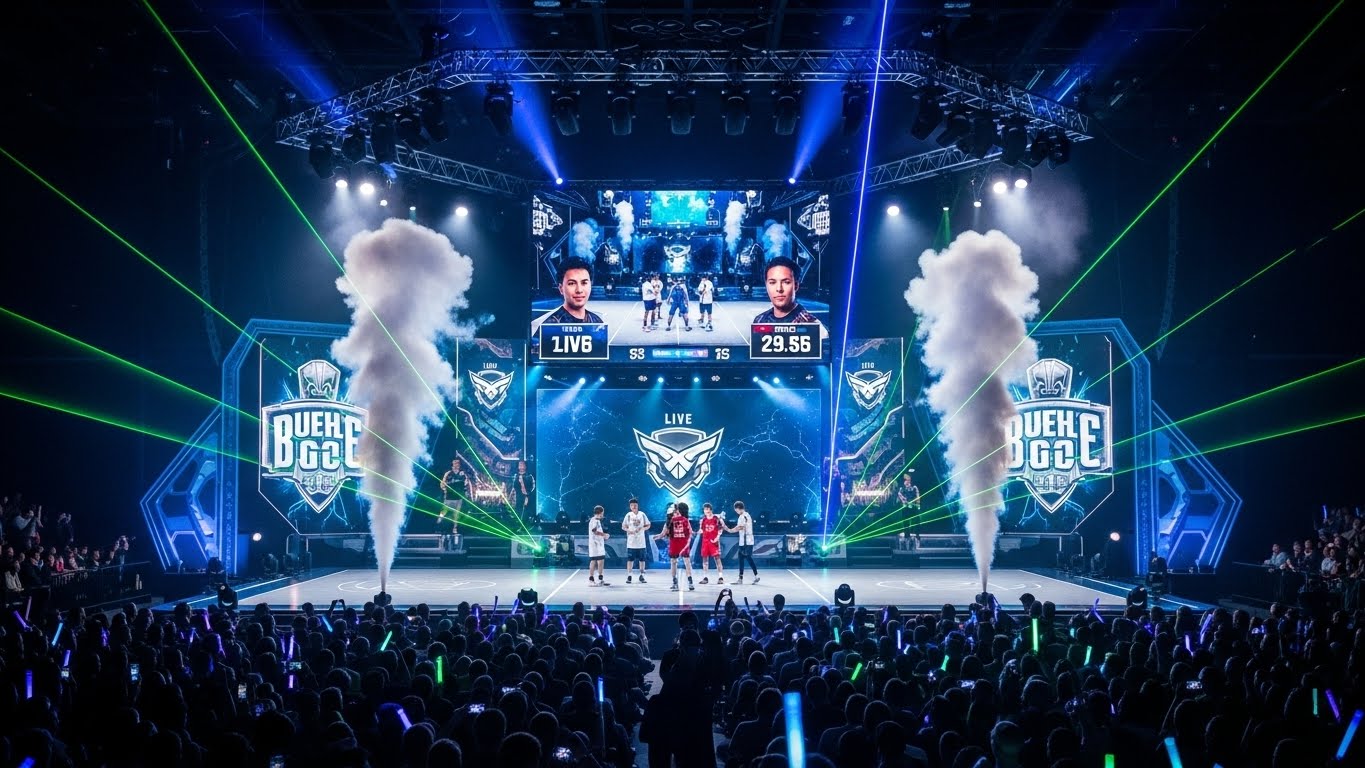
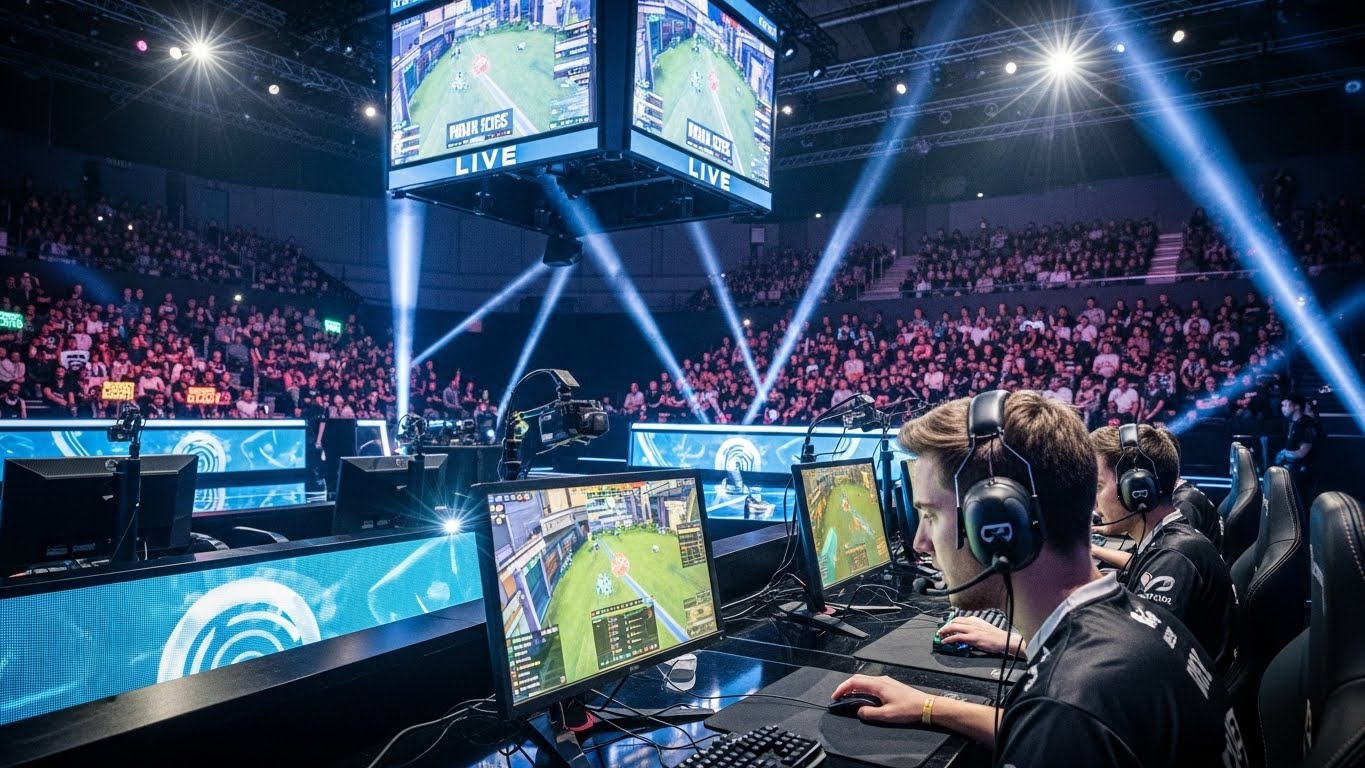
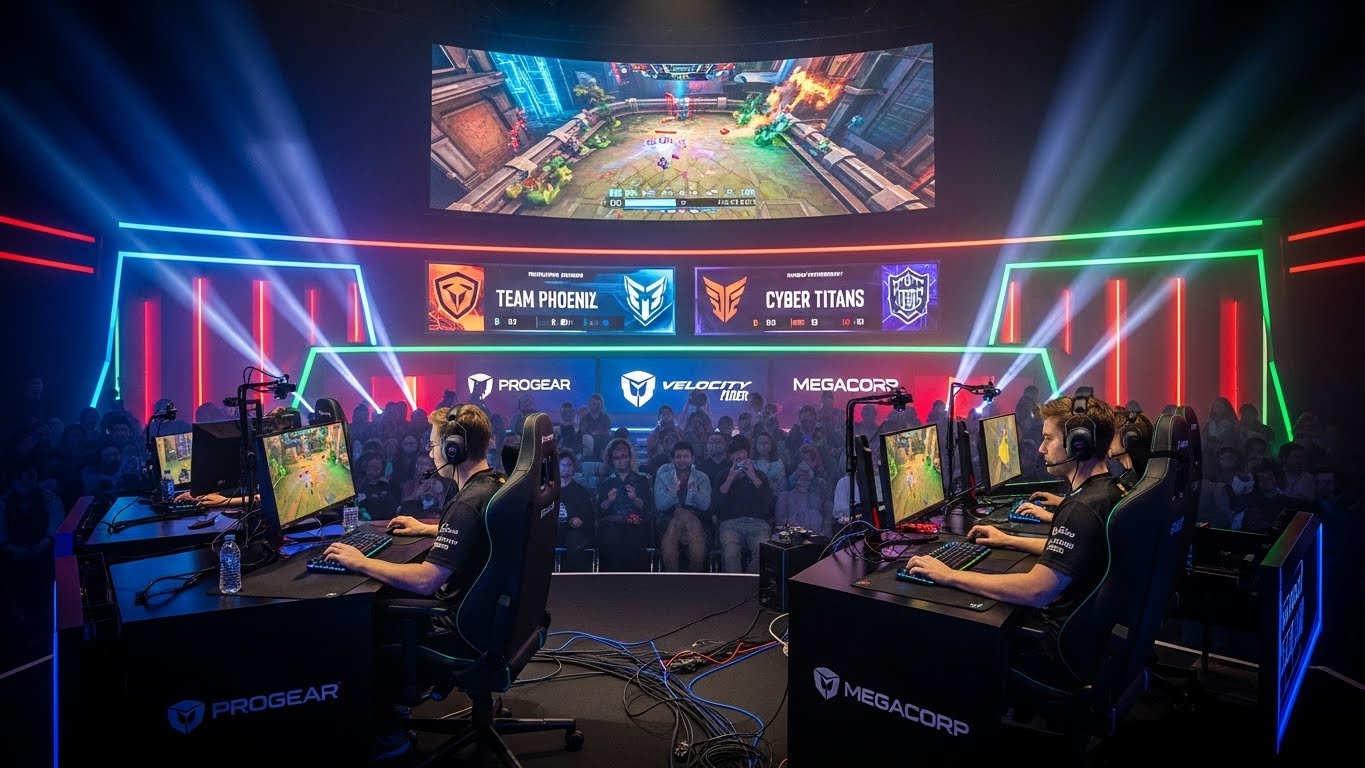
Tournaments range from online qualifiers to large international events hosted in stadiums. These competitions are broadcast to millions of viewers, complete with commentators and analysts who enhance the viewing experience. The professional structure of esports mirrors traditional sports while maintaining its digital identity.
Popular Esports Genres
Esports includes a wide variety of game genres, each offering a unique competitive experience. Team-based strategy games emphasize coordination, planning, and adaptability. First-person shooters focus on reflexes, precision, and communication. Sports simulation games blend traditional athletic concepts with digital mechanics.
This diversity ensures that esports appeals to a broad audience. Players and fans can choose games that match their interests, whether they prefer fast-paced action or deep strategic thinking. The constant evolution of games keeps the competitive landscape fresh and engaging.
Life of a Professional Esports Player
Professional esports players commit extensive time and effort to training and competition. Daily routines often include practice sessions, strategy discussions, and performance reviews. Success requires not only mechanical skill but also mental resilience, teamwork, and adaptability.
Physical and mental health have become important considerations in professional esports. Players now focus on fitness, nutrition, and stress management to maintain peak performance. Despite the excitement of tournaments and recognition, the pressure to perform consistently makes the career demanding and highly competitive.
Esports Teams and Management
Esports teams are supported by organizations that manage operations, sponsorships, branding, and logistics. These organizations function similarly to traditional sports franchises, balancing competitive goals with financial sustainability. Effective management allows players to focus on performance while ensuring long-term growth.
Team culture is a critical factor in success. Clear communication, leadership, and mutual respect contribute to strong performance. Teams that invest in player development and well-being often achieve greater consistency and longevity in competitive play.
Role of Fans and Community
Fans play a central role in the success of esports. Their support drives viewership numbers, merchandise sales, and community engagement. Online platforms enable fans to interact directly with players, commentators, and fellow supporters, creating a highly interactive environment.
Community-driven events, amateur tournaments, and fan discussions strengthen the connection between players and audiences. This close relationship fosters loyalty and helps esports maintain a vibrant and inclusive culture that continues to grow worldwide.
Economic Impact of Esports
Esports has become a significant economic force, generating revenue through sponsorships, advertising, merchandise, and media rights. Major tournaments attract global attention, contributing to tourism and local economies. The industry also supports numerous careers beyond professional gaming.
Opportunities exist in coaching, broadcasting, content creation, event management, marketing, and game development. As esports continues to expand, it offers sustainable career paths for individuals with diverse skills and interests.
Challenges Facing Esports
Despite its growth, esports faces several challenges. Player burnout, mental health concerns, and career longevity remain important issues. The lack of universal regulations can lead to inconsistencies in competition standards and player protection.
Maintaining competitive integrity is another key challenge. Ensuring fair play, transparency, and ethical practices requires cooperation between developers, organizers, and teams. Addressing these challenges is essential for the long-term credibility and stability of esports.
Cultural Influence of Esports
Esports has significantly influenced modern culture, shaping trends in fashion, music, and digital media. Professional players often become public figures, inspiring fans through their skill, dedication, and personal stories. Major esports events are celebrated as cultural milestones.
The global nature of esports encourages cross-cultural interaction. Players and fans from different countries come together through shared passion, promoting understanding and unity. This cultural exchange highlights the power of esports to connect people across borders.
The Future of Esports
The future of esports looks promising as technology continues to evolve. Advancements in graphics, virtual environments, and interactive viewing experiences will enhance competition and audience engagement. Improved infrastructure and governance will further professionalize the industry.
As younger generations grow up with competitive gaming, esports will remain a central part of digital culture. Innovation, inclusivity, and responsible management will determine how esports continues to grow and influence global entertainment.
Conclusion
Esports has redefined what competition and entertainment can be in the digital age. From its humble beginnings to its current status as a global industry, esports reflects the power of technology, community, and human ambition. While challenges remain, the passion of players, dedication of organizations, and loyalty of fans continue to drive its evolution. Esports is more than gaming; it is a dynamic cultural movement shaping the future of competitive entertainment.