Esports, or competitive gaming, has transformed the way people perceive video games. What was once a casual hobby has now evolved into a professional, highly competitive industry with millions of players, spectators, and investors worldwide. The growth of esports is a testament to the cultural, social, and technological impact of gaming in the modern era. From small community tournaments to massive international competitions, esports has become a legitimate career path and a global entertainment spectacle. This blog explores the history, evolution, impact, and future of esports, highlighting why it has become such a powerful force in contemporary culture.
The Origins of Esports
The history of esports dates back to the late 1970s and 1980s when video game competitions first began to emerge. Early tournaments focused on arcade games like Space Invaders and Pac-Man, where players competed for high scores. These events were small-scale and localized but laid the foundation for the competitive gaming culture that would follow.
In the 1990s, the rise of personal computers and online connectivity allowed gaming to expand beyond local arcades. Titles like Doom and Quake enabled players to compete against each other over networks, creating the first wave of organized multiplayer competitions. These early online tournaments introduced key elements of esports, including strategy, teamwork, and skill-based competition.
The Evolution of Competitive Gaming
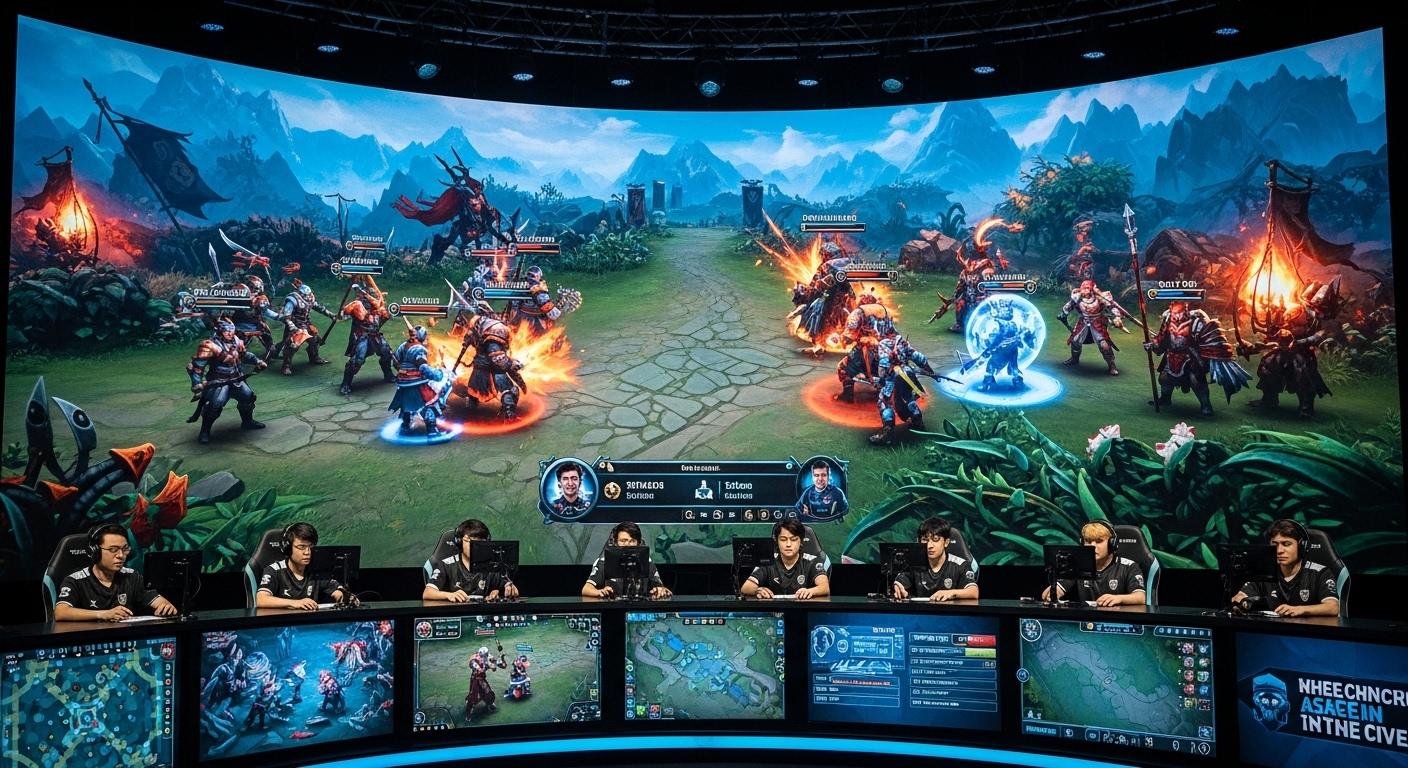
As technology continued to advance, esports evolved rapidly. Multiplayer online battle arena (MOBA) games like League of Legends and Dota 2, as well as first-person shooters like Counter-Strike, became the cornerstone of professional esports. These games combined fast-paced action with strategic depth, making them ideal for competitive play.
The rise of streaming platforms revolutionized esports, allowing millions of fans to watch live matches in real time. Platforms like Twitch and YouTube Gaming transformed esports into a spectator sport, bringing it to a global audience. Professional teams, sponsorships, and leagues emerged, turning competitive gaming into a highly structured and lucrative industry.
Professional Esports: Careers and Opportunities
Esports is no longer just a hobby—it is a viable career path for talented players, coaches, commentators, and content creators. Professional esports players dedicate hours to practice, develop strategies, and compete at the highest level. Top-tier players can earn substantial incomes through tournament winnings, sponsorships, and streaming revenue.
Beyond players, the esports ecosystem includes analysts, coaches, tournament organizers, and media professionals. Each role contributes to the success of the industry, highlighting how esports has grown into a sophisticated and professionalized field. Universities and training academies have even begun offering programs to nurture esports talent, recognizing the discipline, skill, and teamwork required to succeed.
The Cultural Impact of Esports
Esports has significantly influenced modern culture, particularly among younger generations. It has shifted the perception of gaming from a leisure activity to a legitimate form of entertainment and competition. Professional gamers are now recognized as celebrities, and esports events rival traditional sports in production quality, fan engagement, and media coverage.
Esports also fosters community and social connection. Fans gather online and offline to discuss matches, share strategies, and support their favorite teams. The interactive nature of esports allows viewers to participate through live chats, fantasy leagues, and fan tournaments, creating a sense of belonging and engagement that extends beyond the game itself.
Major Esports Games and Genres
Esports spans a variety of genres, each with its own unique appeal and competitive structure. Multiplayer online battle arena games, such as League of Legends and Dota 2, emphasize teamwork, strategy, and map control. First-person shooters, like Counter-Strike and Call of Duty, focus on reflexes, precision, and tactical coordination. Fighting games, sports simulations, and real-time strategy games also have thriving competitive scenes.
Each genre attracts a different type of player and audience, contributing to the diversity and richness of the esports ecosystem. The variety ensures that esports can appeal to a wide demographic, from casual fans to hardcore enthusiasts, and provides multiple pathways for professional growth and competition.
The Economics of Esports
Esports is now a billion-dollar industry, fueled by sponsorships, advertising, media rights, merchandise, and ticket sales. Major tournaments offer prize pools that can reach millions of dollars, attracting top talent from around the world. Corporations and brands invest heavily in esports, recognizing its potential to reach younger, digitally native audiences.
Streaming platforms further boost the industry’s profitability. Revenue is generated through subscriptions, advertising, and viewer donations. The business model of esports mirrors traditional sports while leveraging the unique opportunities offered by digital platforms, allowing the industry to grow rapidly and sustainably.
The Role of Streaming and Content Creation
Streaming has been a game-changer for esports. Platforms like Twitch allow fans to watch live competitions, follow professional players, and engage directly with content creators. Streaming has democratized access to esports, making it possible for anyone to watch, learn, and participate in the community.
Content creation is also a critical aspect of esports culture. YouTube channels, tutorials, and highlight reels extend the reach of competitive gaming beyond live events. Fans consume content not just for entertainment but also to improve their own skills, study strategies, and connect with like-minded individuals. The symbiotic relationship between competitive play and content creation strengthens the esports ecosystem and fuels its growth.
Global Esports Competitions
Esports competitions have grown in scale and prestige. International tournaments like The International for Dota 2, the League of Legends World Championship, and Fortnite World Cup attract millions of viewers and offer record-breaking prize pools. These events are broadcast globally, with professional production values rivaling traditional sports broadcasts.
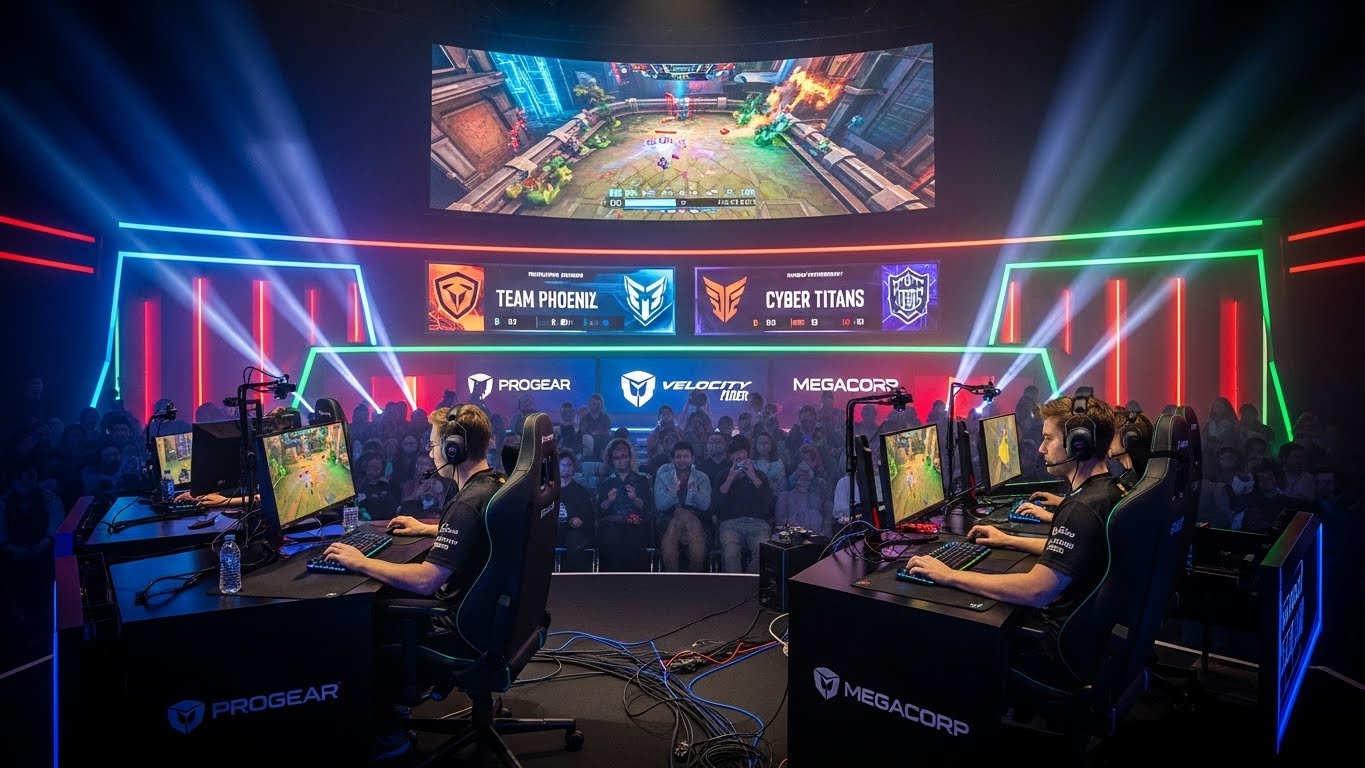
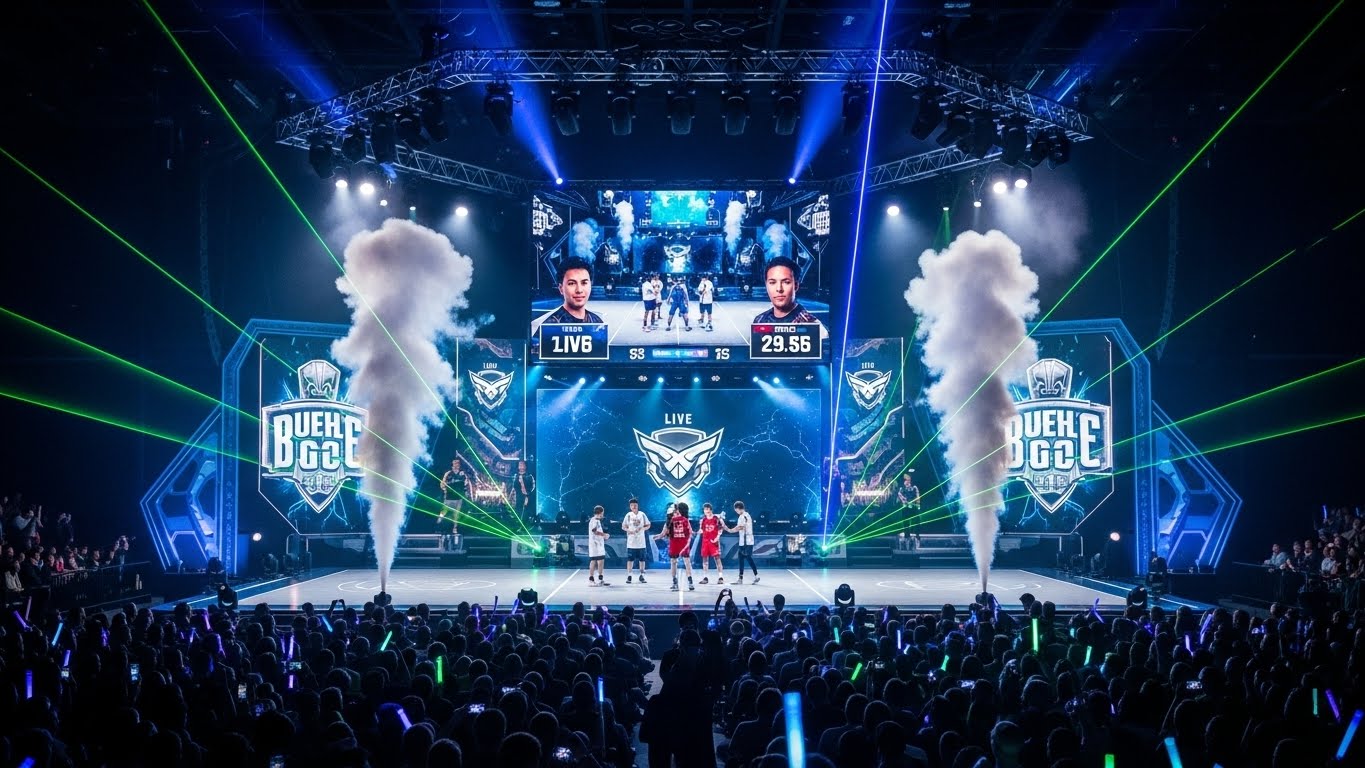
Esports competitions are not limited to online play; live events held in stadiums and arenas provide immersive experiences for fans. The energy of a live esports audience, combined with cinematic camera work and commentary, creates a spectacle that rivals any major sporting event. These competitions highlight the professionalism, skill, and entertainment value of competitive gaming on a global stage.
The Social and Educational Benefits of Esports
Esports is more than just competition; it offers social, cognitive, and educational benefits. Team-based games teach communication, collaboration, and problem-solving skills. Strategy-focused games enhance critical thinking, decision-making, and situational awareness. Even solo competitive games encourage discipline, focus, and resilience.
Esports also promotes inclusivity by providing opportunities for players of different backgrounds, genders, and abilities to compete on an equal playing field. Online communities and clubs foster social connections, mentorship, and a sense of belonging, demonstrating that esports has the potential to positively impact participants beyond the digital arena.
Challenges Facing the Esports Industry
Despite its growth, esports faces several challenges. The intense demands of professional play can lead to burnout, stress, and mental health issues among players. Maintaining competitive fairness, regulating player contracts, and addressing ethical concerns are ongoing issues for the industry.
Additionally, esports must continue to navigate the balance between commercialization and authenticity. While sponsorships and media deals provide financial stability, they also influence game design, competitive rules, and the fan experience. Ensuring that the core values of competition, skill, and community remain central is essential for sustainable growth.
The Future of Esports
The future of esports is bright, with continued growth expected across global markets. Emerging technologies such as virtual reality, augmented reality, and AI-driven analytics will enhance gameplay, spectator experience, and training. Esports may also become increasingly integrated into traditional sports, education, and entertainment sectors, further expanding its reach.
Moreover, the acceptance of esports as a legitimate profession will continue to grow. Educational institutions, career programs, and international organizations are recognizing competitive gaming as a serious pursuit. As esports evolves, it has the potential to shape culture, education, and entertainment in ways previously unimaginable.
Conclusion: Esports as a Cultural and Professional Force
Esports has transformed the gaming landscape, elevating competitive gaming to a global phenomenon. From its humble origins in arcades to international stadiums, esports combines skill, strategy, entertainment, and community. It provides professional opportunities, fosters social connections, and inspires millions of players and fans worldwide.
As the industry continues to innovate and grow, esports will remain a powerful cultural and professional force. It challenges traditional notions of sport and entertainment, offering new ways for people to connect, compete, and experience digital worlds. The esports revolution is not just about games; it is about the future of competition, creativity, and community in a digital age.