Introduction
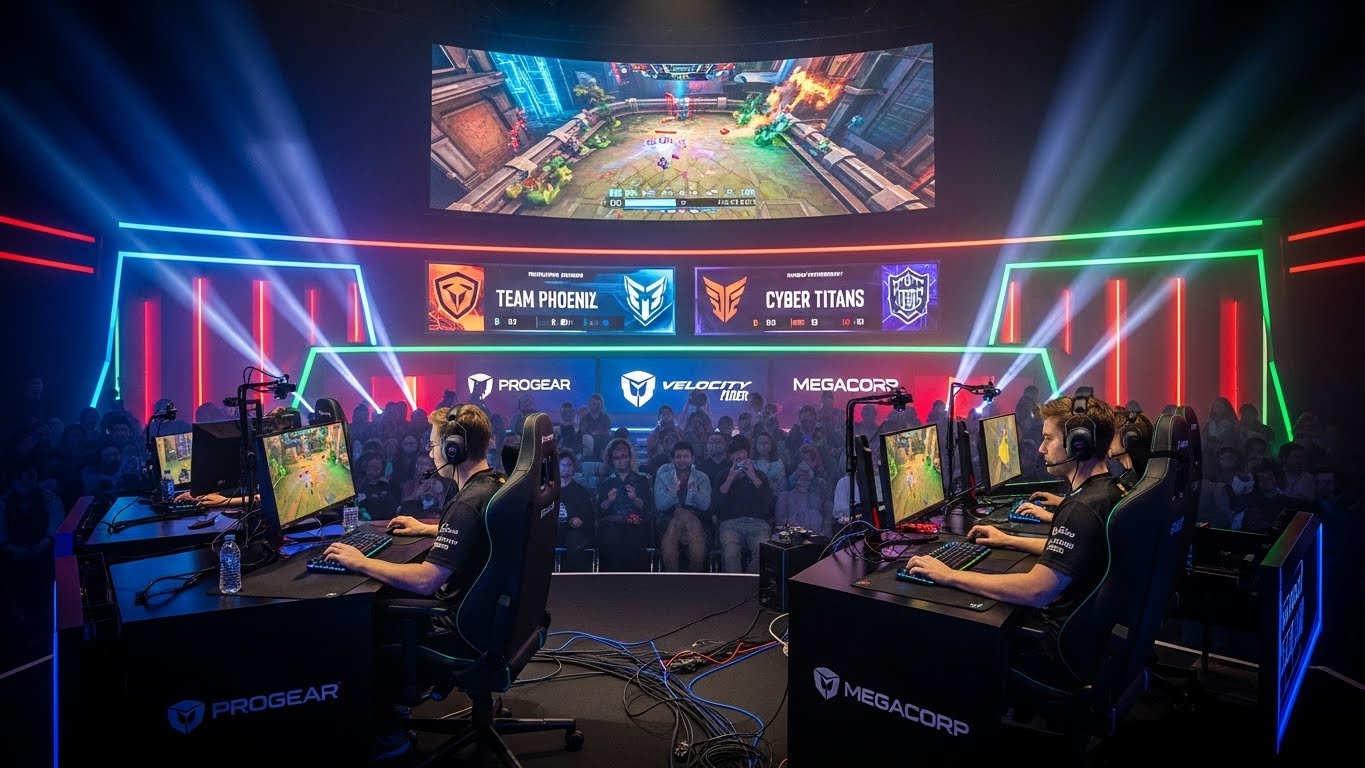
In the past decade, esports has evolved from a niche hobby into a global phenomenon, captivating millions of fans and transforming the landscape of competitive entertainment. What was once considered a pastime for casual gamers has become a multi-billion-dollar industry with professional teams, dedicated tournaments, and massive audiences rivaling traditional sports. Esports is no longer just about playing video games; it is a cultural movement that combines skill, strategy, technology, and community in ways that were unimaginable even a few years ago.
This blog delves into the rise of esports, its influence on players and fans, the economic impact, the role of technology, and the future trajectory of this rapidly growing industry.
The Origins of Esports
Competitive gaming has roots that trace back to the early days of video games. In the 1970s and 1980s, players competed in arcade games and local tournaments, often for small prizes or recognition within their communities. Games like Pong, Space Invaders, and Pac-Man laid the groundwork for competitive play, creating a culture of skill and rivalry.
By the 1990s, the rise of PC gaming and internet connectivity enabled multiplayer competitions on a larger scale. Titles like StarCraft, Quake, and Counter-Strike became the first true esports sensations, with players traveling across regions to compete. Early tournaments may have been modest, but they set the stage for the highly organized and professional esports ecosystem we see today.
The Explosive Growth of Modern Esports
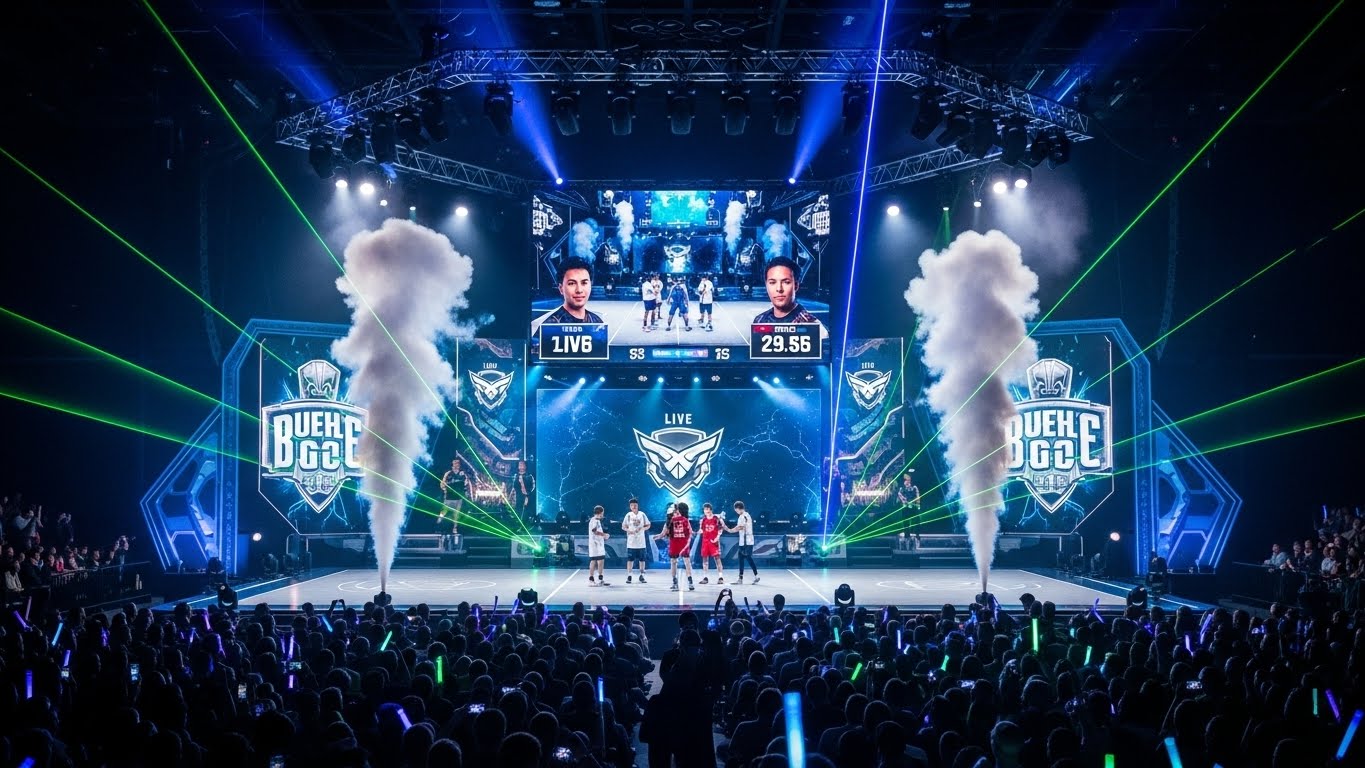
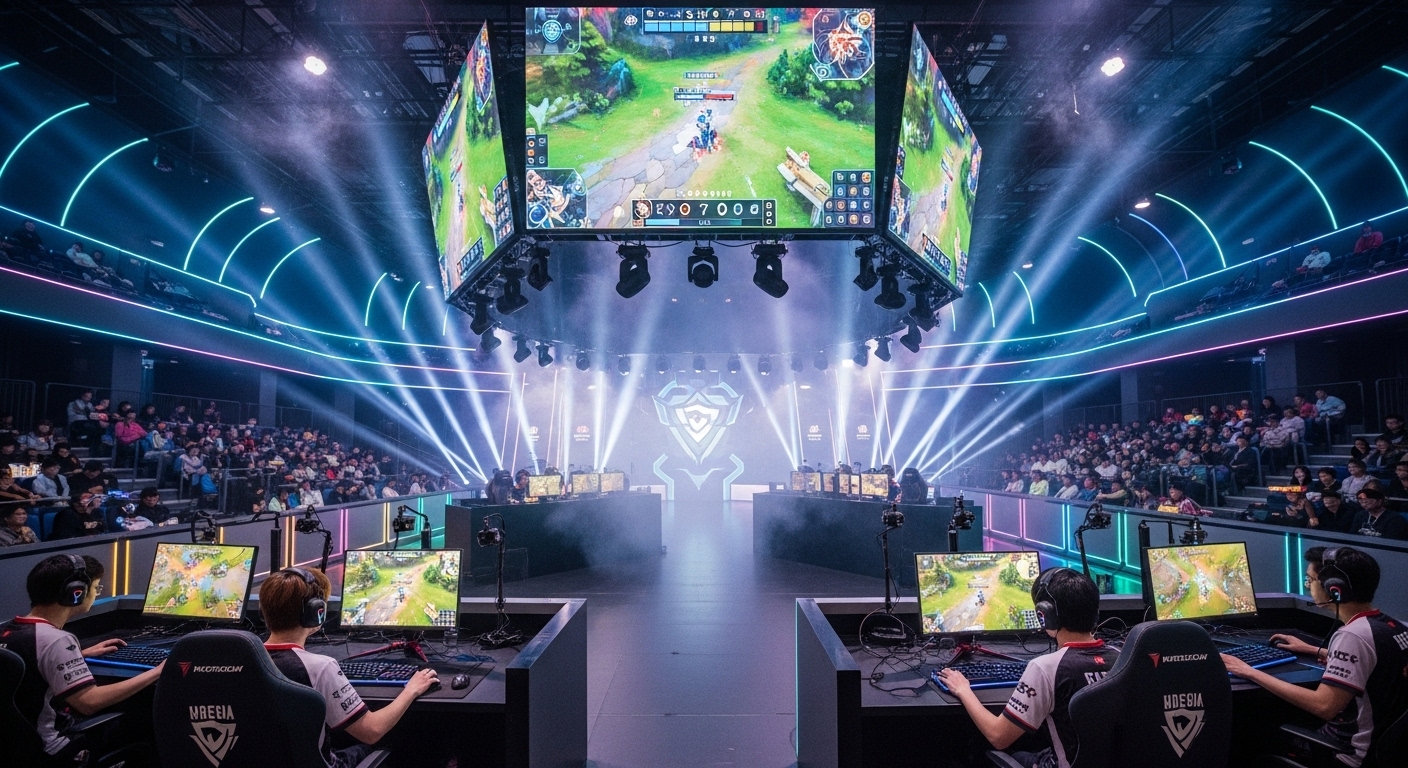
Esports’ growth has been staggering, driven by a combination of technological advances, cultural acceptance, and massive fan engagement. Modern esports tournaments can attract millions of live viewers online, while stadiums hosting finals often sell out with tens of thousands of spectators. Titles such as League of Legends, Dota 2, Fortnite, and Call of Duty have become household names, forming the backbone of the competitive gaming industry.
The accessibility of esports has also contributed to its growth. Unlike traditional sports that require specific physical skills or facilities, esports can be played anywhere with an internet connection and a gaming device. This democratization of competition has enabled players from around the world to enter the professional scene, creating a diverse and global talent pool.
Esports as a Career
One of the most striking aspects of esports is its emergence as a viable career path. Professional players can earn substantial incomes through tournament winnings, sponsorships, and streaming. Top players may make hundreds of thousands or even millions annually, while their teams provide coaching, training facilities, and management support similar to traditional sports organizations.
Beyond players, esports has created careers in event management, broadcasting, content creation, coaching, and analytics. The ecosystem supports a wide range of roles, making it a career destination for those passionate about gaming and digital media.
The Role of Streaming Platforms
Streaming platforms have been instrumental in driving esports’ popularity. Platforms like Twitch, YouTube Gaming, and other streaming services allow fans to watch live competitions, follow their favorite players, and engage in communities through live chat and interactive features. Streaming has also enabled players to build personal brands, connect with fans, and generate revenue independently of tournament success.
The combination of esports and streaming has created a feedback loop: as more people watch, tournaments become more lucrative, attracting higher-level talent and larger sponsorship deals, which in turn draws more viewers.
Sponsorships and Economic Impact
The economic influence of esports is immense and continues to expand. Global sponsorships from brands in tech, energy drinks, apparel, and even traditional industries signal the mainstream acceptance of esports. Companies recognize that esports audiences are highly engaged, tech-savvy, and often young, making them an ideal demographic for marketing initiatives.
Esports tournaments and leagues have grown into multi-million-dollar events, with prize pools for major competitions reaching tens of millions. The economic impact extends beyond players and teams, generating revenue for event organizers, game developers, streaming platforms, advertisers, and peripheral manufacturers. Cities hosting major esports events benefit from tourism, media coverage, and investment in infrastructure, further demonstrating esports’ economic significance.
Esports and Global Culture
Esports has grown into a global cultural phenomenon, uniting players and fans across countries, languages, and backgrounds. International tournaments like The International and the League of Legends World Championship draw global viewership, fostering cross-cultural interactions and fan communities.
Esports culture also influences fashion, music, and entertainment. Merchandise, esports-inspired apparel, and gaming music playlists have become mainstream. Influencers and professional players are now cultural icons, shaping trends and social media conversations. This global cultural presence reinforces esports as more than just gaming—it is a lifestyle.
The Role of Technology in Competitive Gaming
Technology is the backbone of esports, driving performance, engagement, and accessibility. High-speed internet, powerful gaming hardware, advanced graphics engines, and online multiplayer platforms make esports possible on a global scale. Analytical tools, performance trackers, and AI-driven insights help players and teams optimize strategies and improve training outcomes.
VR and AR technologies are beginning to influence competitive gaming, creating new formats and experiences. While still in early stages, immersive technologies have the potential to redefine how audiences watch and participate in esports, offering a more interactive and engaging experience.
Esports Training and Mental Resilience
Professional esports players require more than raw gaming talent. Success in competitive gaming depends on strategic thinking, quick reflexes, teamwork, and mental resilience. Many teams now employ coaches, sports psychologists, and nutritionists to enhance player performance and well-being.
Mental health is a key focus in esports. The intensity of competition, irregular schedules, and public scrutiny can take a toll on players. Awareness around mental wellness and work-life balance is growing, with the industry recognizing the importance of sustainable careers for long-term growth.
The Impact on Youth and Education
Esports is influencing youth culture and education as well. Schools and universities around the world are establishing esports programs, clubs, and scholarships. Competitive gaming is being recognized as a legitimate extracurricular activity that fosters skills such as teamwork, critical thinking, strategic planning, and digital literacy.
Educational institutions are even developing esports-specific curricula, preparing students for careers in the industry beyond just playing. This trend highlights the broader social impact of esports, as it shapes both personal development and professional opportunities for the next generation.
Challenges and Controversies
Despite its growth, esports faces challenges. Issues such as cheating, match-fixing, and unethical behavior among players or organizations occasionally tarnish the industry’s reputation. Maintaining fairness, integrity, and ethical standards is a continuous concern for governing bodies and tournament organizers.
Another challenge is accessibility. While esports is more inclusive than many traditional sports, disparities in internet access, gaming hardware, and regional infrastructure can limit participation in certain areas. Ensuring equitable opportunities remains an ongoing goal for the global esports community.
The Future of Esports
The future of esports is full of possibilities. As technology evolves, the line between players and audiences may blur, allowing fans to participate directly in competitions or influence outcomes in real time. Artificial intelligence may enhance training, strategy development, and even spectator experiences.
Esports may also continue to integrate with traditional sports, media, and entertainment, creating hybrid events that appeal to both gaming and non-gaming audiences. With increasing recognition from mainstream media, investors, and educational institutions, esports is poised to become an enduring component of global culture.
Conclusion
Esports represents one of the most significant cultural and economic shifts in modern entertainment. It has grown from humble beginnings into a professional, global industry that impacts careers, economies, and communities worldwide. Competitive gaming is no longer just a hobby—it is a serious, respected, and highly influential domain that combines technology, skill, and social engagement.
As the industry continues to innovate and expand, esports will shape how we play, watch, and interact with digital content. The esports revolution is not merely about games—it is about the future of entertainment, connectivity, and culture. Competitive gaming has arrived, and it is here to stay.