
Introduction: The Dawn of a Digital Revolution
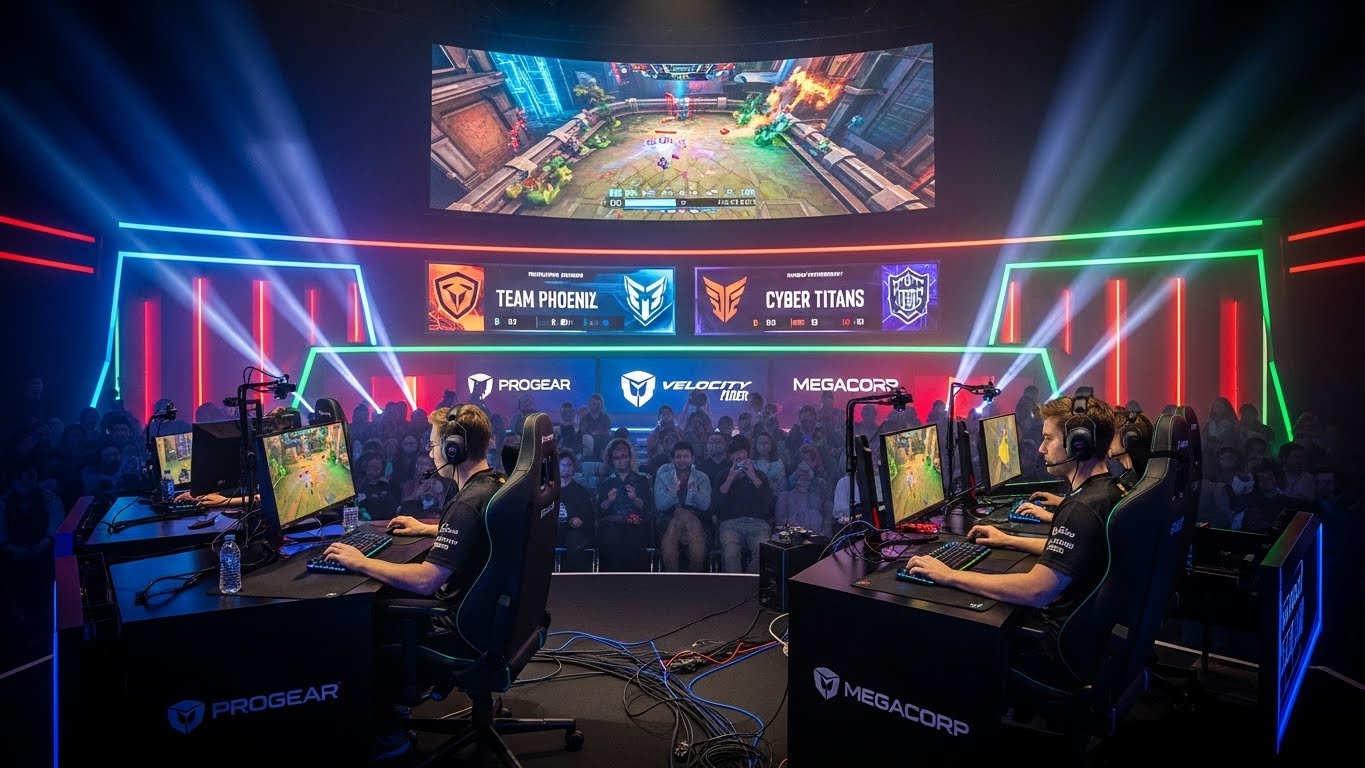
Esports, or electronic sports, has risen to become one of the most influential and rapidly growing industries of the 21st century. What was once a niche activity enjoyed by a small community of gamers has transformed into a global phenomenon, attracting millions of fans, sponsorships from top brands, and even professional leagues. The evolution of esports from casual gaming to a major international sport reflects broader shifts in entertainment, technology, and culture.
This blog explores the remarkable journey of esports, the factors that have contributed to its rise, and its impact on society today. From the early days of competitive gaming to the future of digital competition, esports has undoubtedly become an integral part of the modern entertainment landscape.
The Origins of Competitive Gaming: Humble Beginnings
The roots of esports can be traced back to the 1970s and 1980s, when arcade games like Pong and Space Invaders first introduced players to the concept of competitive gaming. These early arcade games offered the first taste of competition in a digital space, though they were relatively simple and short-lived in comparison to today’s esports titles.
The 1990s saw the rise of more sophisticated multiplayer games like Doom and Warcraft, which laid the groundwork for online gaming. As the internet grew, so did the potential for remote competition. Games such as Quake and StarCraft enabled players to connect across vast distances, sparking the first major esports tournaments.
However, esports as we know it today began to take shape in the early 2000s with the launch of organized competitions. StarCraft tournaments in South Korea, where the game became a national obsession, marked the beginning of professional gaming as a viable career. In these early days, players competed for relatively modest prizes, but the growing interest in esports foreshadowed the massive global industry it would soon become.
The Digital Revolution: How Technology Shaped Esports
One of the biggest catalysts for the growth of esports has been the advancement of technology. High-speed internet, powerful gaming hardware, and user-friendly platforms for streaming and broadcasting have allowed esports to thrive in ways that were once unimaginable. As technology improved, so did the accessibility of gaming, both for players and spectators.
The introduction of broadband internet in the early 2000s enabled players to compete in real-time across vast distances. No longer confined to local LAN parties or in-person tournaments, players could now challenge opponents from anywhere in the world. This global connectivity was essential to the rapid rise of esports, as it opened up opportunities for players from different countries and regions to compete on an equal playing field.
At the same time, the development of streaming platforms like Twitch, YouTube, and Mixer revolutionized how fans consumed esports content. Streaming allowed fans to watch their favorite players and teams in real time, building a sense of community and interactivity that was previously absent in traditional sports broadcasts. Gamers could interact with players during live streams, share strategies, and celebrate victories together, creating a social experience that extended far beyond the game itself.
The Rise of Professional Esports: From Hobby to Career
As esports grew in popularity, the scene began to attract professional players, coaches, teams, and organizers. Competitive gaming became a legitimate career path, with top players earning significant income from tournament winnings, sponsorships, streaming, and merchandise sales. By the mid-2010s, esports had transformed into a multi-billion-dollar industry, with major sponsorship deals from companies like Intel, Coca-Cola, and Red Bull.
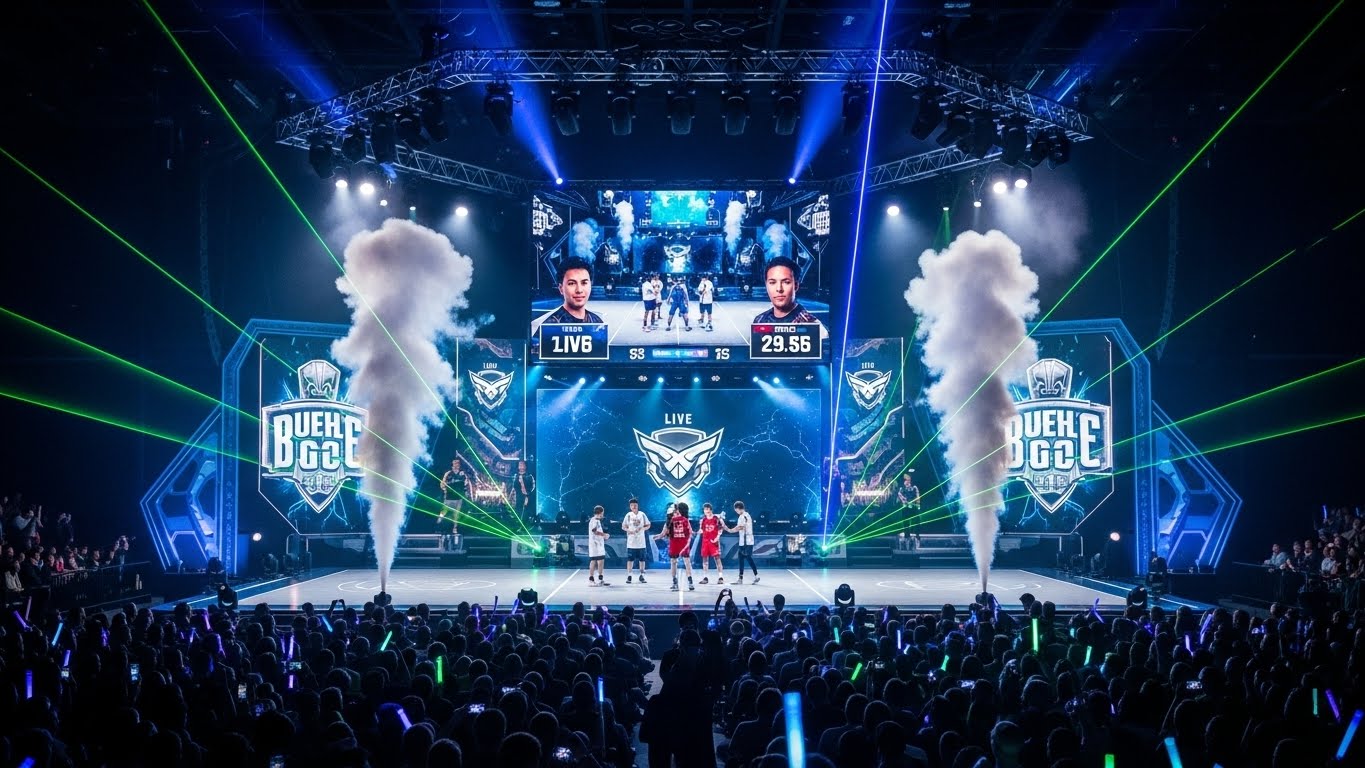
One of the key milestones in the professionalization of esports was the formation of major leagues and tournaments. Games like League of Legends, Dota 2, Counter-Strike: Global Offensive, and Overwatch established official leagues and championship series with hefty prize pools. These tournaments, held in massive arenas or streamed to millions of viewers online, elevated esports to the level of traditional sports.
The League of Legends World Championship, for example, has become a cultural event, drawing audiences that rival those of major sporting events like the Super Bowl or the FIFA World Cup. Esports organizations now have management teams, sponsors, analysts, and even psychologists to support their players, making professional gaming resemble traditional sports organizations more than ever before.
The Global Impact of Esports: Bridging Cultures and Communities
One of the most fascinating aspects of esports is its ability to unite people from diverse backgrounds and cultures. Unlike traditional sports, which are often confined by geography and language barriers, esports transcends these limitations. With the ability to play and watch games online, players and fans can connect with others across continents, speaking a common digital language of strategy, competition, and excitement.
Esports events have become global spectacles, drawing audiences from all corners of the world. Tournaments like The International (the world championship for Dota 2) attract millions of viewers from multiple countries, and the international appeal of esports has led to a diverse fanbase that celebrates not only the competition but also the shared love for gaming culture.
Moreover, esports has fostered a sense of community through online platforms, forums, and social media. Fans of different games interact on platforms like Reddit, Twitter, and Discord, discussing strategies, analyzing matches, and supporting their favorite teams and players. Esports communities are often built around a shared passion for a particular game, creating a sense of belonging and camaraderie that goes beyond geographic or cultural divides.
The Business of Esports: A Multi-Billion Dollar Industry
Esports has quickly become a major economic force, attracting investments from corporations, venture capitalists, and even traditional sports teams. With massive tournaments offering prize pools in the millions of dollars, esports has evolved into a lucrative industry that generates revenue through sponsorships, advertising, ticket sales, and merchandise.
Sponsorship deals are a crucial aspect of the business side of esports. Major global brands like Coca-Cola, Nike, and Audi have all invested in esports, recognizing the opportunity to connect with a young, tech-savvy audience. Sponsorships often include product placements, branding on team jerseys, and partnerships with tournament organizers. Esports organizations and teams rely heavily on these deals to fund their operations, pay salaries, and invest in new talent.
In addition to traditional sponsorships, esports has also seen significant growth in media rights and broadcasting. Streaming platforms like Twitch and YouTube have become essential distribution channels for esports content, with millions of fans tuning in to watch live competitions and tournaments. These platforms offer revenue-sharing models with content creators, making it possible for streamers to generate income through ads, donations, and subscriptions. The growth of esports broadcasting has also led to partnerships with traditional media outlets, further legitimizing esports as a mainstream form of entertainment.
Esports in the Mainstream: Recognition and Legitimacy
As esports has grown, it has increasingly gained recognition in the mainstream media and society. Several governments and educational institutions have acknowledged esports as a legitimate field, with some even offering scholarships for talented gamers. In the United States, high schools and colleges have begun forming esports teams, offering students opportunities to compete in organized leagues. This move toward institutional recognition has helped to further solidify esports as a respected industry.
Moreover, esports is making its way into traditional sports events. The International Olympic Committee has expressed interest in incorporating esports into the Olympic Games, and some major sports leagues, such as the NBA and NFL, have established their own esports teams. These developments suggest that esports is not just a passing trend but a long-term fixture in the world of competitive sports.
Challenges and Controversies in Esports
Despite its rapid growth, esports is not without its challenges. Issues such as player burnout, mental health concerns, and toxicity in gaming communities have raised questions about the sustainability of professional gaming careers. Players often face intense pressure to perform at their best, leading to long hours of practice and the potential for physical and mental exhaustion.
Furthermore, there have been instances of cheating and match-fixing in esports, particularly in competitive first-person shooters like Counter-Strike: Global Offensive. These issues have prompted calls for stricter regulations and oversight in the industry to ensure fair competition.
The culture of toxicity in some gaming communities has also raised concerns, with players and fans sometimes engaging in harassment, hate speech, and trolling. While efforts have been made to address these issues, they remain a challenge for the growth and reputation of esports.
The Future of Esports: What’s Next?
The future of esports looks incredibly promising. As technology continues to advance, we can expect even more immersive and interactive experiences for players and spectators alike. Virtual reality (VR) and augmented reality (AR) have the potential to revolutionize the way we experience esports, offering more immersive ways to participate in and watch competitions.
Additionally, as esports becomes increasingly mainstream, it is likely that we will see even greater investments in infrastructure, training, and talent development. The professionalization of the industry will continue, with more schools, universities, and organizations offering resources and support to aspiring esports athletes.
Finally, with the growing popularity of mobile gaming, it’s possible that esports will expand further into the mobile gaming market, reaching an even broader audience. Mobile esports tournaments, such as those for Clash Royale or PUBG Mobile, are already gaining traction, and this trend is expected to continue.
Conclusion: Esports as a Cultural Milestone
Esports has come a long way since its humble beginnings in the 20th century. What started as a niche hobby has evolved into a global, multi-billion-dollar industry that continues to captivate millions of people worldwide. With its blend of technology, entertainment, and community, esports is reshaping the landscape of competitive sports and digital culture.
As esports continues to grow, it’s clear that we are only at the beginning of what will likely become an even more integral part of modern entertainment