Introduction to the World of Esports
In the last two decades, the world has witnessed a digital revolution unlike any other. Among the many industries transformed by technology, gaming has evolved from a simple form of entertainment into a massive global phenomenon known as esports. Esports, or electronic sports, refers to organized, competitive video gaming where individuals or teams face off in popular titles across different genres. What began as a niche hobby in internet cafés and gaming rooms has now become a billion-dollar global industry, complete with professional athletes, sponsors, fans, and massive tournaments that fill arenas. The rise of esports is not only changing how people play games but also how they view sports, competition, and entertainment itself.
The Early Days of Competitive Gaming
The origins of esports date back much further than most people realize. In the early 1970s, when video games were still in their infancy, competitions like the “Intergalactic Spacewar Olympics” at Stanford University gave birth to the idea of organized gaming contests. During the 1980s, arcade games like Pac-Man and Donkey Kong inspired high-score battles across local gaming halls, and these small events planted the seeds for what would eventually become a professional industry.
The real transformation began in the 1990s with the rise of personal computers and local area networks. Games like Doom, Quake, and StarCraft became the early foundations of competitive gaming communities. The excitement of multiplayer gameplay allowed people to compete not just for fun but for recognition and pride. These early tournaments, while small in scale, laid the groundwork for the global esports infrastructure we see today.
The Technological Shift That Fueled Esports Growth
The rapid development of technology in the 2000s played a crucial role in shaping modern esports. High-speed internet, powerful gaming PCs, and advanced consoles made competitive gaming more accessible than ever before. Online multiplayer functionality revolutionized how people played and interacted with games. Players could now face off against opponents from across the world without ever leaving their homes.
Streaming platforms and social media also became major catalysts for esports expansion. Gamers no longer needed television networks to broadcast their matches; they could stream their games online to millions of viewers. Platforms like Twitch, YouTube, and others allowed fans to watch live tournaments, follow their favorite players, and participate in online communities dedicated to their favorite games. This digital connectivity transformed esports from an underground scene into a mainstream cultural movement.
The Professionalization of Esports
As esports gained popularity, the industry began to organize itself around professionalism and structure. Major tournaments began offering significant cash prizes, drawing attention from both players and corporate sponsors. Leagues and franchises started forming around popular games, and professional players became recognized as legitimate athletes.
Organizations began to sign players to official contracts, providing them with salaries, coaching, and training facilities. Games like Counter-Strike, League of Legends, Dota 2, and Overwatch became the cornerstones of professional esports. These titles not only demanded individual skill but also required teamwork, strategy, and communication—traits similar to those found in traditional sports.
Esports organizations such as Team Liquid, Fnatic, and T1 became household names among gaming fans. Their teams competed internationally, traveling the globe to participate in massive events that filled entire stadiums. This level of competition and professionalism marked esports as a legitimate and respected industry rather than a passing trend.
Global Expansion and the Rise of Esports Arenas
One of the most remarkable aspects of esports is its truly global reach. Unlike traditional sports that often dominate specific regions, esports transcends geographical boundaries. Players from South Korea, China, Europe, and North America all compete on equal footing. In some countries, esports has even become part of national identity and culture.
South Korea, often regarded as the birthplace of modern esports, was among the first to treat gaming as a professional pursuit. The government and corporations invested heavily in infrastructure, leading to the creation of esports stadiums, academies, and televised leagues. Games like StarCraft became cultural phenomena, with professional players achieving celebrity status.
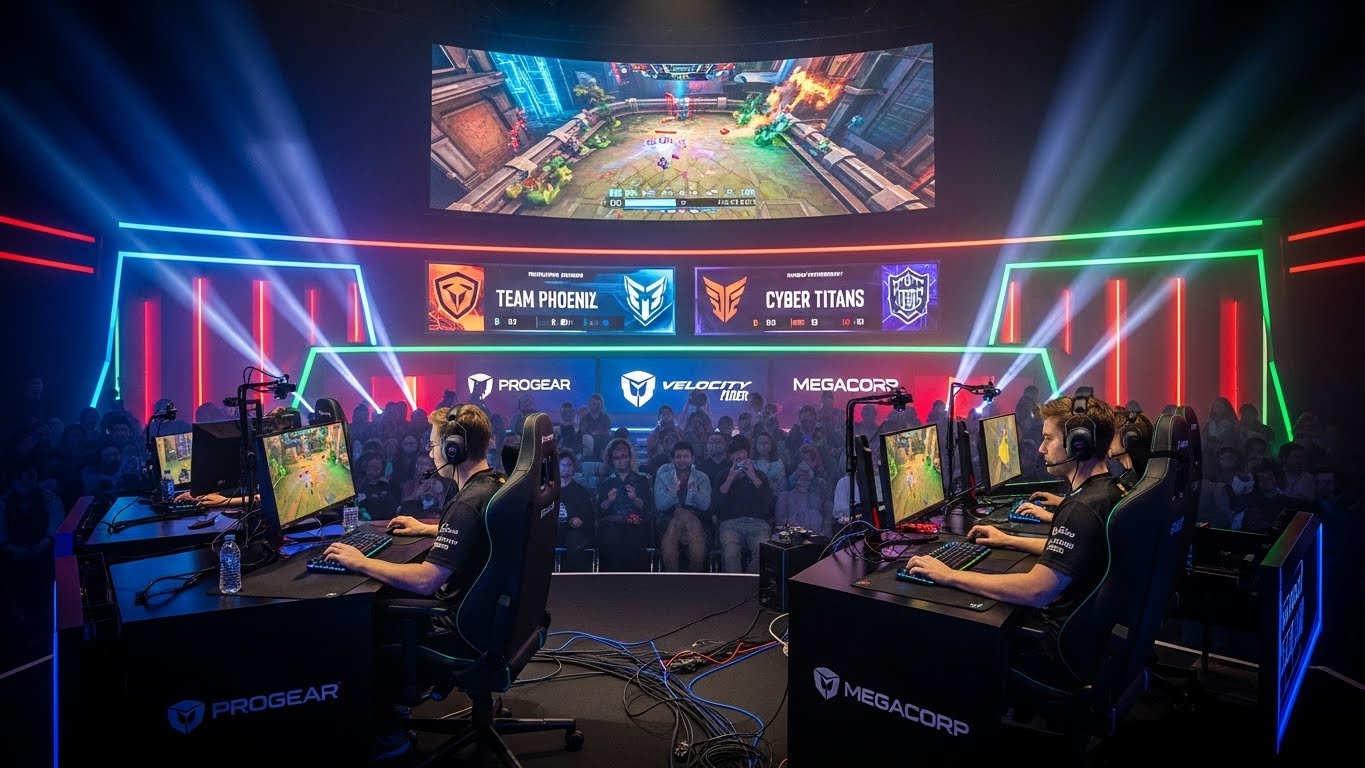
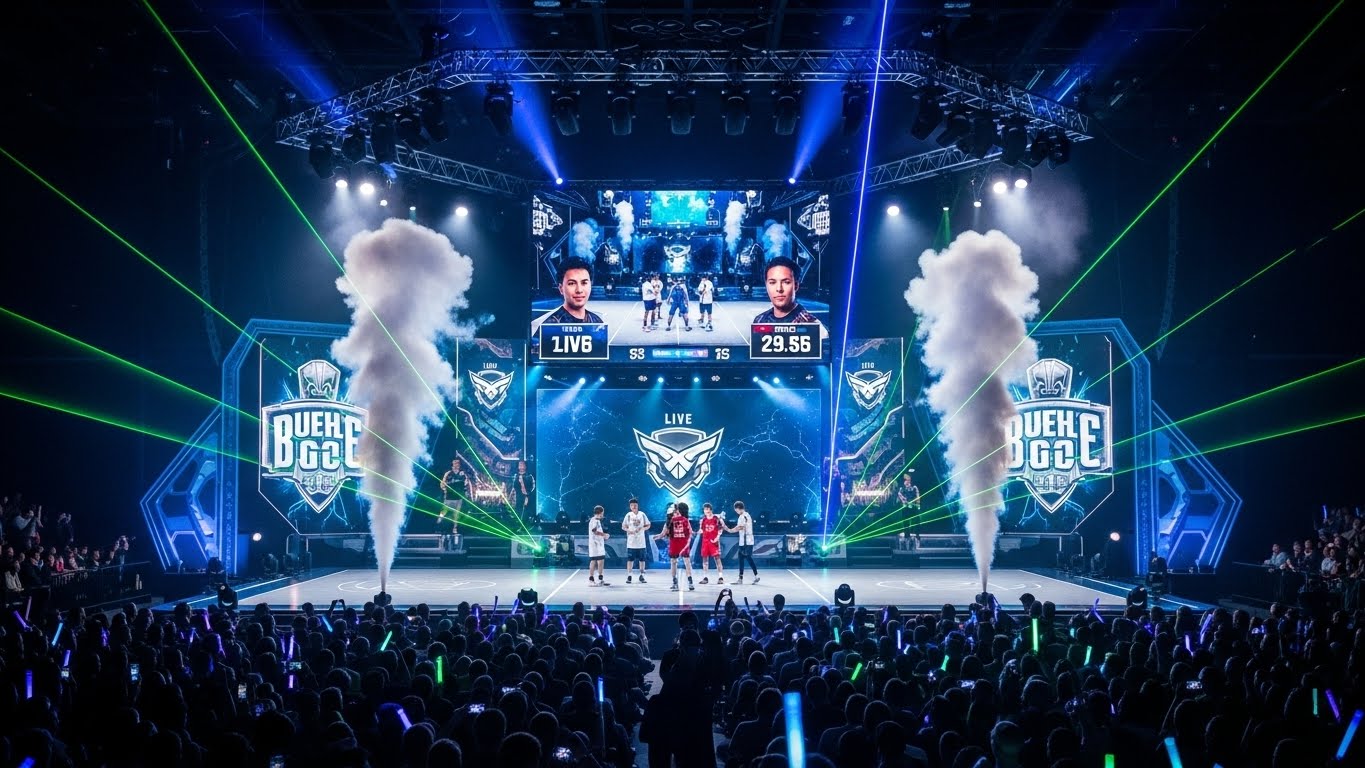
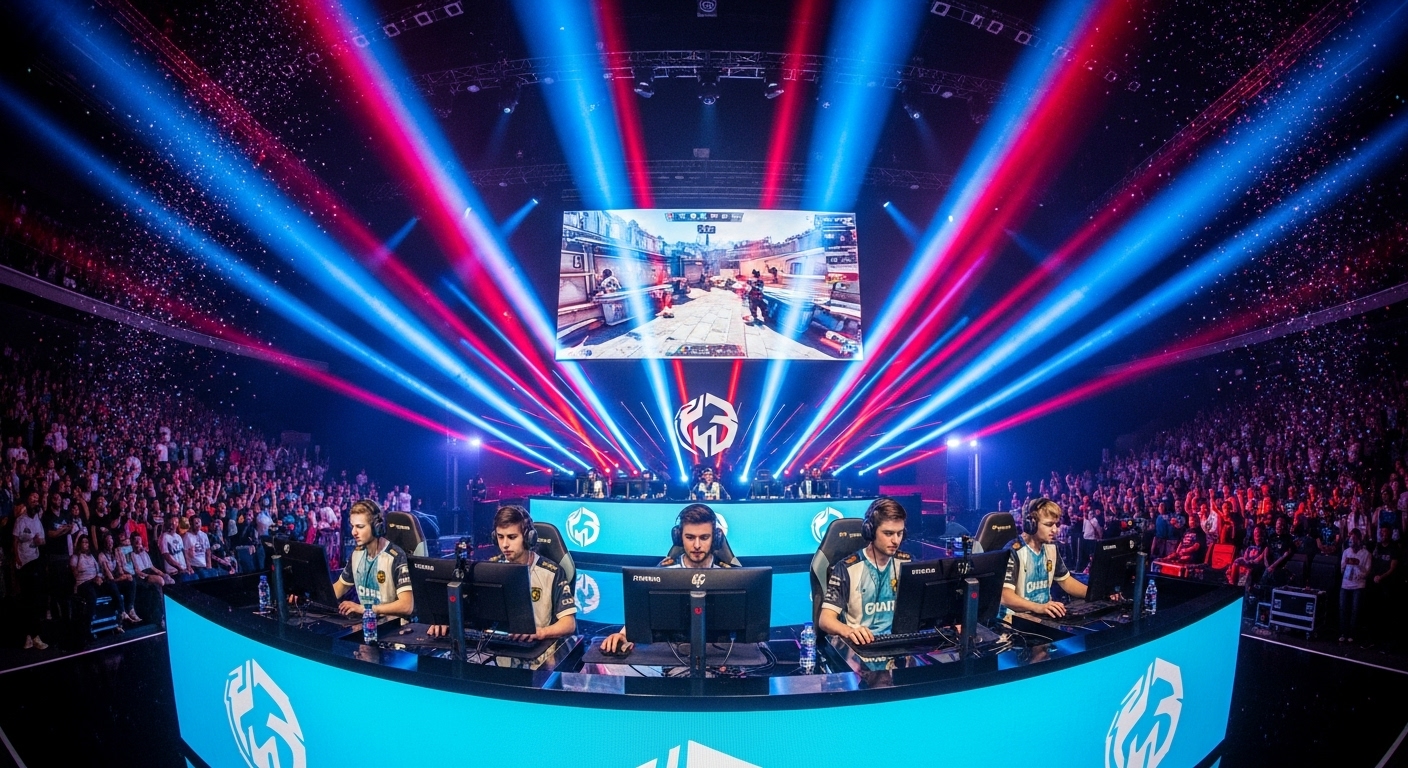
Today, esports arenas exist all over the world, from the United States to China, from Germany to Brazil. These arenas host events that attract tens of thousands of live attendees and millions of online viewers. The grand finals of games like League of Legends or Dota 2 have viewership numbers rivaling traditional sporting events like the Super Bowl or the World Cup.
The Role of Streaming and Content Creation
Streaming platforms have revolutionized how audiences consume esports content. Unlike traditional sports, where fans must rely on television broadcasts, esports thrives in the digital space. Players and commentators stream live gameplay, tutorials, and behind-the-scenes content, creating a direct connection between fans and competitors.
This interaction has made esports far more personal and engaging than many traditional sports. Viewers can chat with their favorite players, watch them practice, and even learn from their gameplay. Content creation has become a full-time career for many gamers, with sponsorships, merchandise, and advertising revenue driving massive income streams.
The role of content creators and influencers in esports cannot be understated. They help bridge the gap between professional players and casual fans, making the gaming community more inclusive and connected. Many professional players began their careers as streamers, showcasing their skills to global audiences before being recruited by top esports teams.
Esports Economics and the Business Behind the Games
Behind the excitement and energy of esports lies a complex and rapidly growing business ecosystem. The industry generates billions of dollars annually through sponsorships, advertising, media rights, ticket sales, and merchandise. Major companies from various sectors, including technology, energy drinks, and apparel, have invested heavily in esports sponsorships.
Game publishers play a central role in shaping the esports landscape. Companies like Riot Games, Valve, and Blizzard organize their own professional leagues and tournaments, controlling both the competitive structure and the financial rewards. This has created a sustainable ecosystem where both developers and players benefit from growing fan engagement.
Additionally, investors and traditional sports organizations have begun to recognize the potential of esports. Many football clubs, basketball franchises, and even Formula 1 teams have launched their own esports divisions. This crossover between traditional and digital sports highlights the mainstream acceptance and commercial viability of competitive gaming.
Esports Athletes and Their Lifestyle
Professional esports athletes undergo rigorous training similar to traditional sports players. They practice for hours daily, refining strategies, teamwork, and reaction times. Esports demands intense mental focus, quick decision-making, and strong communication skills. The competitive environment pushes players to perform at their peak under immense pressure.
Teams often employ coaches, analysts, nutritionists, and psychologists to help players maintain both physical and mental health. Contrary to stereotypes, top-tier esports professionals focus on maintaining healthy routines to ensure optimal performance. Reaction time, focus, and stamina all depend on both physical and mental fitness.
The average career span of an esports player is relatively short, usually peaking in their early twenties. As players age, their reflexes and reaction speeds tend to decline, prompting many to transition into coaching, streaming, or content creation after retirement.
Education and Esports Scholarships
Esports is no longer confined to entertainment; it has found its way into academia as well. Many universities around the world have introduced esports programs, scholarships, and dedicated degrees focusing on gaming management, broadcasting, and game design. These initiatives recognize esports as a valuable field that combines technology, marketing, and media studies.
Students now have the opportunity to pursue higher education while competing professionally. This blending of academia and esports demonstrates how deeply gaming has integrated into modern culture. Educational institutions see esports not just as play but as a serious discipline involving teamwork, leadership, and business strategy.
The Cultural Impact of Esports
Esports has reshaped modern culture by merging gaming with entertainment, art, and community engagement. The idea of a gamer has evolved from a solitary hobbyist into that of a global entertainer and athlete. Esports events bring together people from diverse backgrounds, creating a sense of belonging among fans and players alike.
The influence of esports can be seen in fashion, music, and even film. Collaborations between gaming companies and musicians or clothing brands have become common. Soundtracks, virtual concerts, and character-based merchandise have turned esports into a cultural movement that extends far beyond gameplay.
Moreover, esports has given rise to new forms of storytelling. Professional matches often carry narratives of rivalries, underdog victories, and redemption arcs similar to those found in traditional sports. Fans invest emotionally in their favorite teams, following their journeys across seasons and tournaments.
Challenges Facing the Esports Industry
Despite its rapid growth, esports faces several challenges. One major issue is maintaining player well-being in such a demanding environment. Long hours of practice, travel, and competition can lead to burnout and mental stress. The industry is still working to establish consistent standards for player health, contracts, and career longevity.
Another challenge lies in regulation and governance. Unlike traditional sports, esports lacks a unified governing body. Each game publisher often controls its competitive ecosystem, leading to inconsistencies in rules, prize structures, and player treatment. Establishing fair and transparent systems across different games remains a key goal for the industry’s future.
Toxicity and online harassment are also ongoing concerns. Esports communities, though passionate, can sometimes foster negative behavior that affects both players and fans. Initiatives promoting inclusivity, diversity, and respect are essential to ensure that esports continues to grow as a positive and welcoming space for everyone.
The Future of Esports
The future of esports looks incredibly bright. Advancements in technology such as virtual reality, augmented reality, and artificial intelligence are expected to redefine how games are played and experienced. The integration of these technologies could lead to even more immersive and interactive competitions.
Mobile esports are also expanding rapidly, especially in regions where smartphones are more accessible than gaming PCs or consoles. Titles like PUBG Mobile and Mobile Legends have proven that mobile gaming can achieve the same level of competitiveness and excitement as traditional PC games.
As esports continues to evolve, the lines between traditional sports and digital competition will blur even further. With esports making appearances in multi-sport events and being considered for inclusion in future Olympic programs, the recognition of gaming as a legitimate sport is becoming undeniable.
Conclusion
Esports has transcended its origins as a niche pastime to become a global phenomenon that influences technology, culture, and entertainment. It has created new careers, connected millions of fans worldwide, and redefined what it means to be an athlete in the digital age. The rise of esports represents a broader cultural shift toward a world where digital interactions hold as much importance as physical ones.
From humble beginnings in arcade rooms to sold-out arenas and global broadcasts, esports stands as a testament to human creativity, passion, and competition. It embodies the spirit of innovation and community that defines the modern digital era. As technology continues to advance, one thing is certain—esports will remain at the forefront of this evolution, inspiring new generations of players, fans, and dreamers around the world.