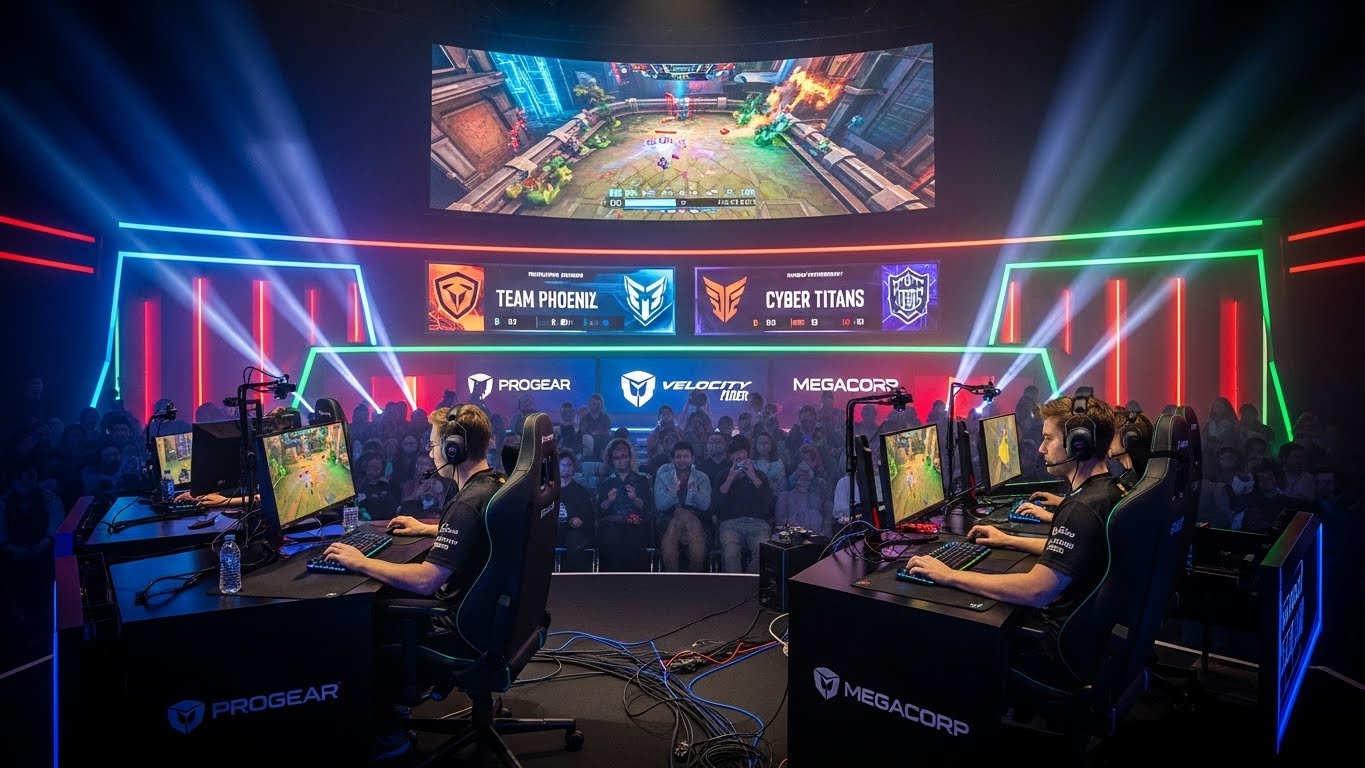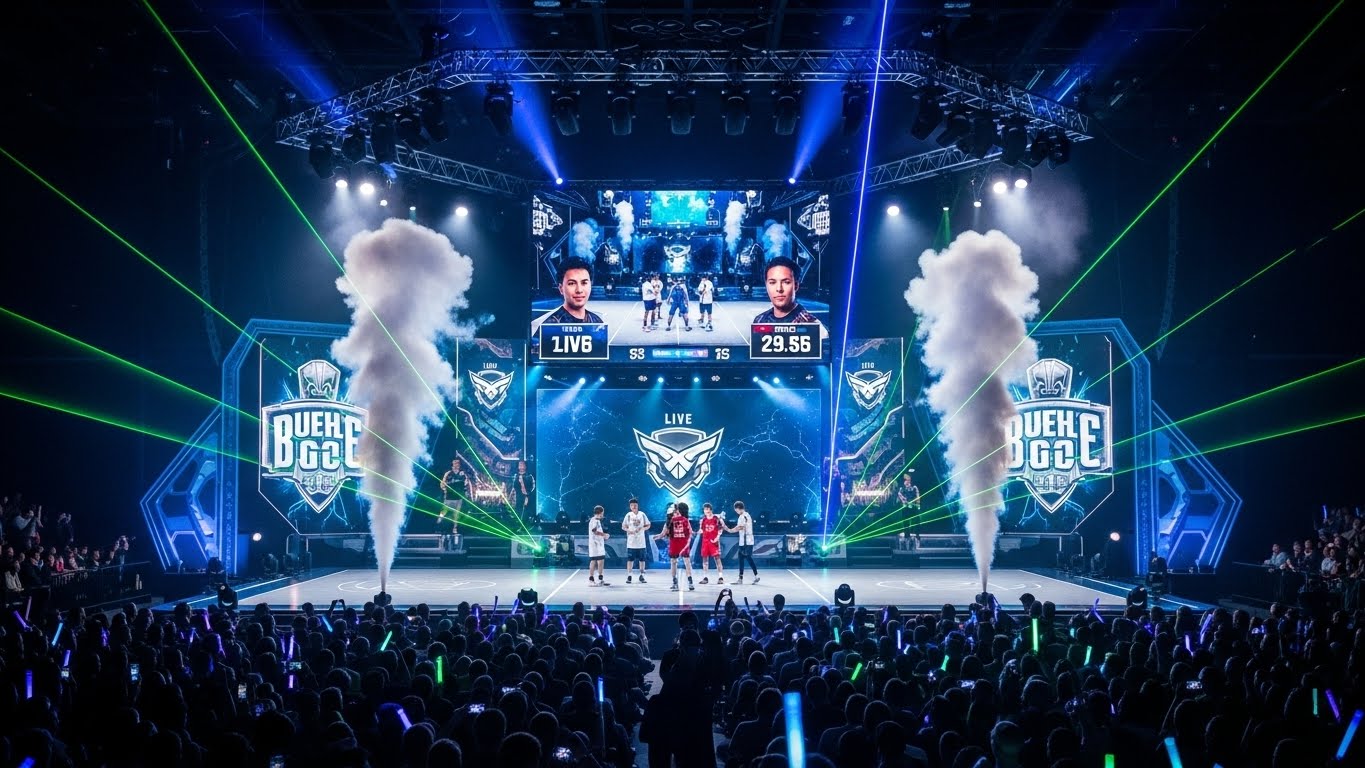

In the last decade, a seismic shift has taken place in the world of entertainment. What once began as a niche hobby for gamers has rapidly evolved into a multi-billion-dollar industry. This shift is encapsulated by the explosive growth of esports, a sector that has not only transformed gaming but also reshaped the way we view competition, culture, and community. The rise of esports is not merely a trend but a sign of how technology, media, and culture are converging in unexpected ways.
Esports is now an official sport in many regions, complete with professional players, coaches, tournaments, broadcasting, and even sponsorships. This blog post takes a deep dive into the world of esports, analyzing its roots, current trends, and the future of this dynamic industry.
Understanding Esports: What is It?
Esports refers to organized, multiplayer video game competitions, particularly between professional players, individually or as teams. While this definition might sound simple, the world of esports is anything but basic. The games that dominate the esports scene range from real-time strategy games like StarCraft II to first-person shooters like Counter-Strike: Global Offensive (CS:GO), battle royale titles like Fortnite, and multiplayer online battle arenas (MOBAs) like League of Legends.
The competitive nature of esports has turned it into a professional activity, akin to traditional sports such as football or basketball. Players train rigorously, refine their skills, and often participate in tournaments with large cash prizes, sponsorships, and global recognition. Esports has become a true spectator sport, with millions tuning in online and at live events to watch their favorite players or teams compete.
A Brief History of Esports
The origins of esports can be traced back to the early 1970s when the first competitive video game tournaments were held. One of the most iconic examples was the Space Invaders championship in 1980, where players competed for a grand prize. However, esports as we know it today began to take shape in the late 1990s and early 2000s with the rise of the internet and multiplayer online games.
Games like StarCraft, Quake, and Warcraft III helped establish competitive gaming in South Korea, which became one of the first countries to embrace esports as a mainstream form of entertainment. By the mid-2000s, the esports scene began to flourish globally, thanks to the rise of streaming platforms like Twitch and the expansion of major tournaments like the Intel Extreme Masters and The International.
Today, esports spans multiple continents, with professional leagues, international events, and an entire ecosystem built around the games that power the competition.
Esports as a Professional Industry
Esports has grown far beyond a casual pastime. In 2023, the global esports industry was valued at over $1 billion, and its economic impact continues to grow. This rise in value has been driven by a combination of factors, including the increasing popularity of competitive gaming, high-profile sponsorship deals, and the integration of esports into mainstream media.
Professional Players and Teams
The heart of esports lies in its players, who have become stars in their own right. Just like athletes in traditional sports, professional gamers undergo extensive training and practice, often dedicating hours each day to improving their skills and strategies. Some of the most successful esports athletes have amassed substantial earnings through tournament winnings, sponsorships, and personal branding.
Many of the top esports organizations field professional teams for popular games like League of Legends, CS:GO, Valorant, and Overwatch. These teams compete in regional and international tournaments, often with multimillion-dollar prize pools.
The most successful esports players can command sponsorship deals with brands like Coca-Cola, Red Bull, and Nike, and some even have their own personal merchandise lines. In fact, the average salary for a professional esports player can be as high as $50,000 annually, not including prize money or sponsorships.
Esports Leagues and Tournaments
Esports leagues are a key pillar of the competitive gaming ecosystem. Just like traditional sports, esports features a variety of league structures that provide regular competition. Popular examples include the League of Legends Championship Series (LCS), Overwatch League, and Call of Duty League. These leagues are often backed by major investors and provide an organized platform for teams to compete in a structured format.
International tournaments, on the other hand, provide a stage for the world’s top players and teams to showcase their skills. One of the biggest and most famous examples is The International, a Dota 2 tournament that offers one of the largest prize pools in esports history, sometimes surpassing $40 million. Other notable tournaments include the CS:GO Major Championships and the Fortnite World Cup.
The Global Appeal of Esports
Esports has managed to break cultural and geographical boundaries, attracting millions of fans from around the world. A combination of factors has contributed to its global appeal.
Accessibility and Digital Platforms
One of the primary reasons for the meteoric rise of esports is the accessibility of digital platforms. Unlike traditional sports that require physical stadiums and teams to be present in one location, esports can be enjoyed virtually anywhere with an internet connection. Streaming services like Twitch, YouTube Gaming, and Facebook Gaming have allowed millions to tune into live broadcasts of esports events.
These platforms also allow viewers to engage with content creators, such as professional gamers, streamers, and analysts. The accessibility of these platforms has played a significant role in fostering a sense of community among fans and creating opportunities for fans to connect with players on a personal level.
International Reach and Multicultural Influence
Esports is inherently global. Competitive gaming attracts talent from every corner of the world, with top players hailing from countries as diverse as South Korea, the United States, China, Sweden, and Brazil. International tournaments like The International and the League of Legends World Championship bring together players and fans from across the globe, creating a sense of unity and shared excitement.
This multicultural influence has helped esports expand beyond its roots in the West and Asia. For example, in Latin America and the Middle East, the esports scene has been steadily growing, with local leagues and teams making their mark on the international stage.
Integration with Traditional Sports
Another significant factor contributing to the global appeal of esports is its integration with traditional sports. Over the last few years, professional sports organizations, including football clubs like FC Barcelona and Manchester City, have launched their own esports teams. This has further legitimized esports as a competitive activity on par with traditional sports.
Major broadcasters like ESPN, Fox Sports, and the BBC have also started covering esports events, bringing them to a wider audience. In some cases, these networks even offer live broadcasts of esports tournaments, much like they would with major football games or basketball finals.
The Future of Esports: Where is It Headed?
Esports shows no signs of slowing down. In fact, its future looks even brighter. Here are a few trends and developments that could shape the industry in the coming years.
Esports as a Mainstream Sport
Esports is already beginning to be recognized as a legitimate sport, and this trend is likely to continue. In 2024, the International Olympic Committee (IOC) even considered adding esports to the Olympics, a testament to how far the industry has come. This inclusion could lead to further institutional support and legitimacy for esports as a professional pursuit.
Additionally, the expansion of esports into high schools and universities will help legitimize it even further. Many educational institutions now offer esports scholarships, and some even have dedicated esports programs. This will nurture the next generation of players, coaches, and analysts.
Virtual Reality and Augmented Reality
The future of esports may also involve the integration of cutting-edge technologies like virtual reality (VR) and augmented reality (AR). As these technologies become more advanced and affordable, they could provide new ways for players to compete and for audiences to experience esports events.
Imagine a future where fans can attend a live esports match in a virtual stadium, interacting with other fans and even influencing the course of the game through augmented reality tools. While this may sound futuristic, it’s not far from reality.
More Investment and Sponsorship
As esports continues to grow, it will attract even more investment and sponsorship from major corporations, media companies, and tech giants. This influx of capital will help the industry continue to expand, from better infrastructure and larger prize pools to more sophisticated broadcast technology and increased salaries for players.
Conclusion: A New Era of Entertainment
Esports has quickly evolved from a niche activity to a global phenomenon, changing the landscape of both gaming and entertainment. With its diverse fan base, growing viewership, and ever-expanding professional scene, esports is here to stay. As the industry continues to develop, we can expect even greater technological innovations, wider cultural acceptance, and increased participation at all levels. Whether you’re a casual fan, a dedicated player, or an industry professional, the rise of esports offers exciting possibilities and a glimpse into the future of entertainment.