Introduction: From Hobby to Global Phenomenon
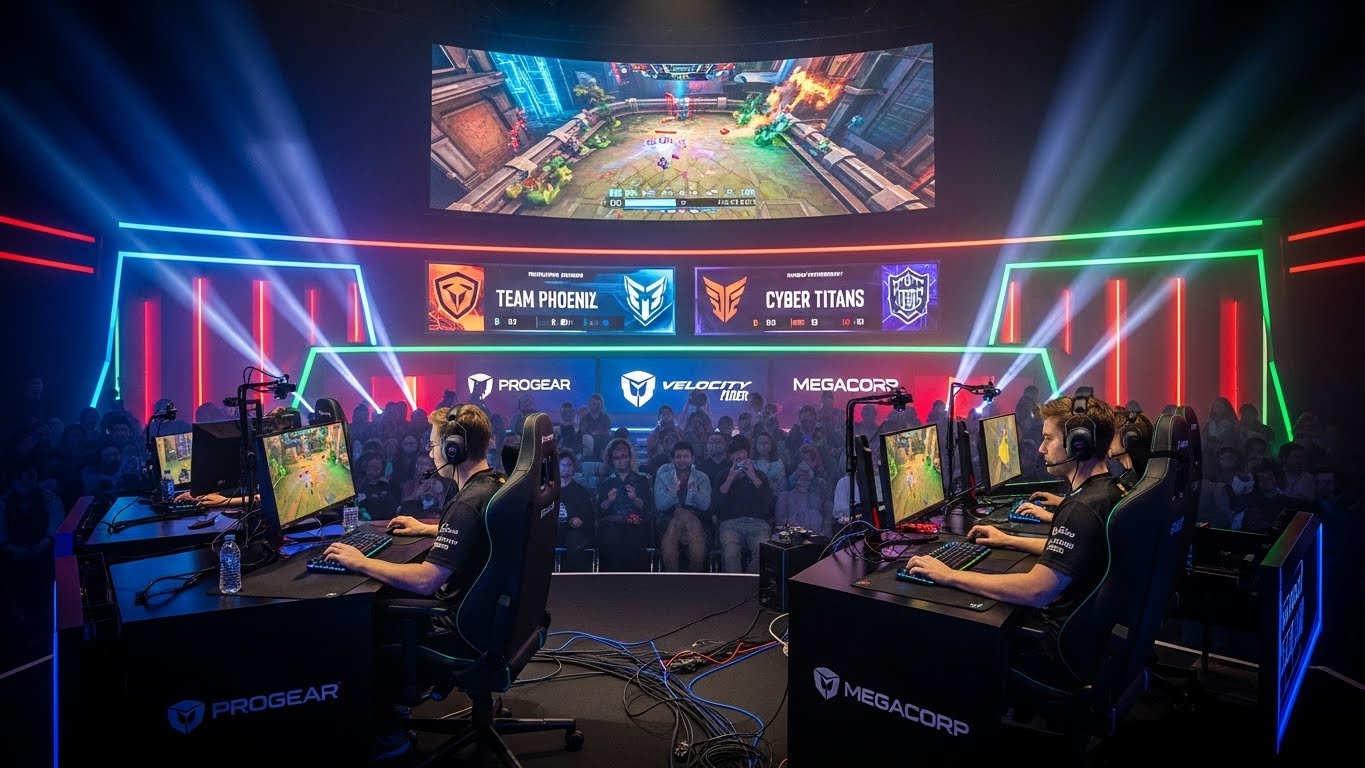
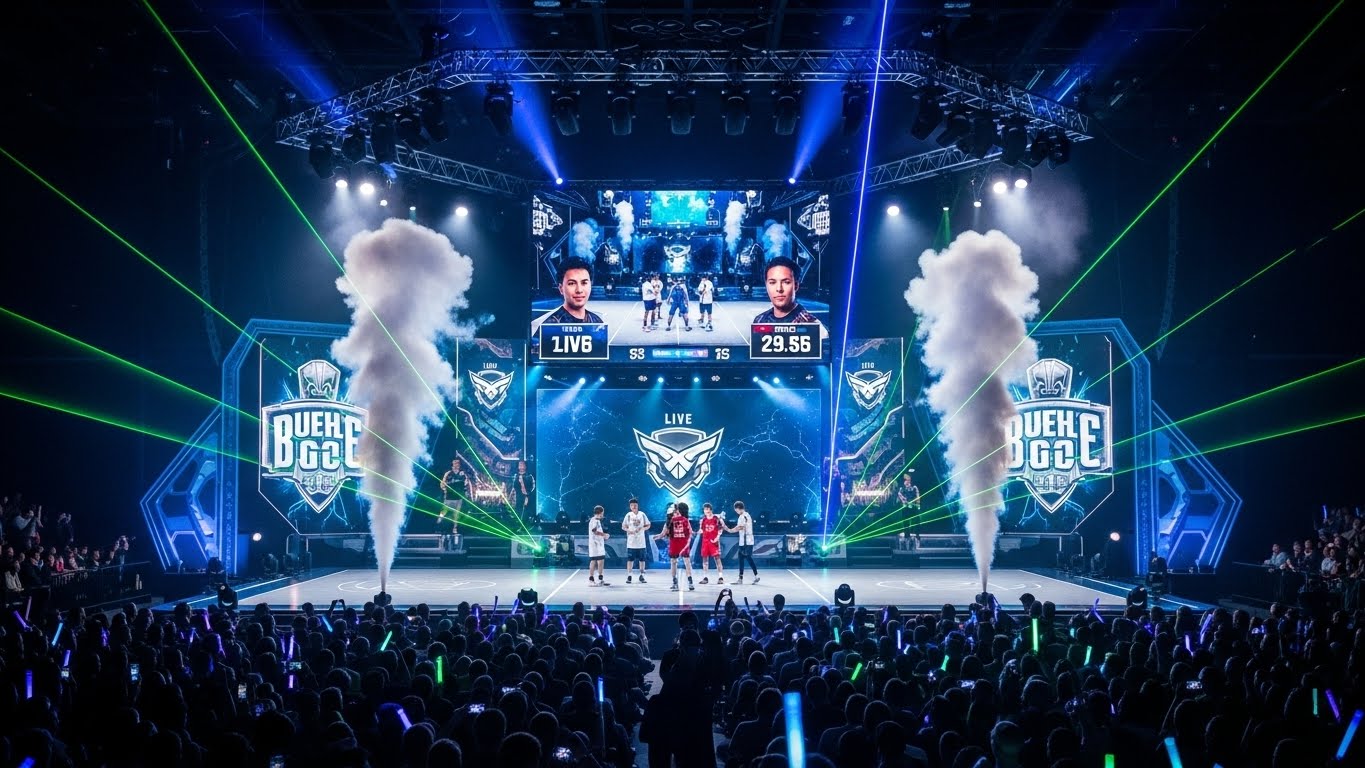
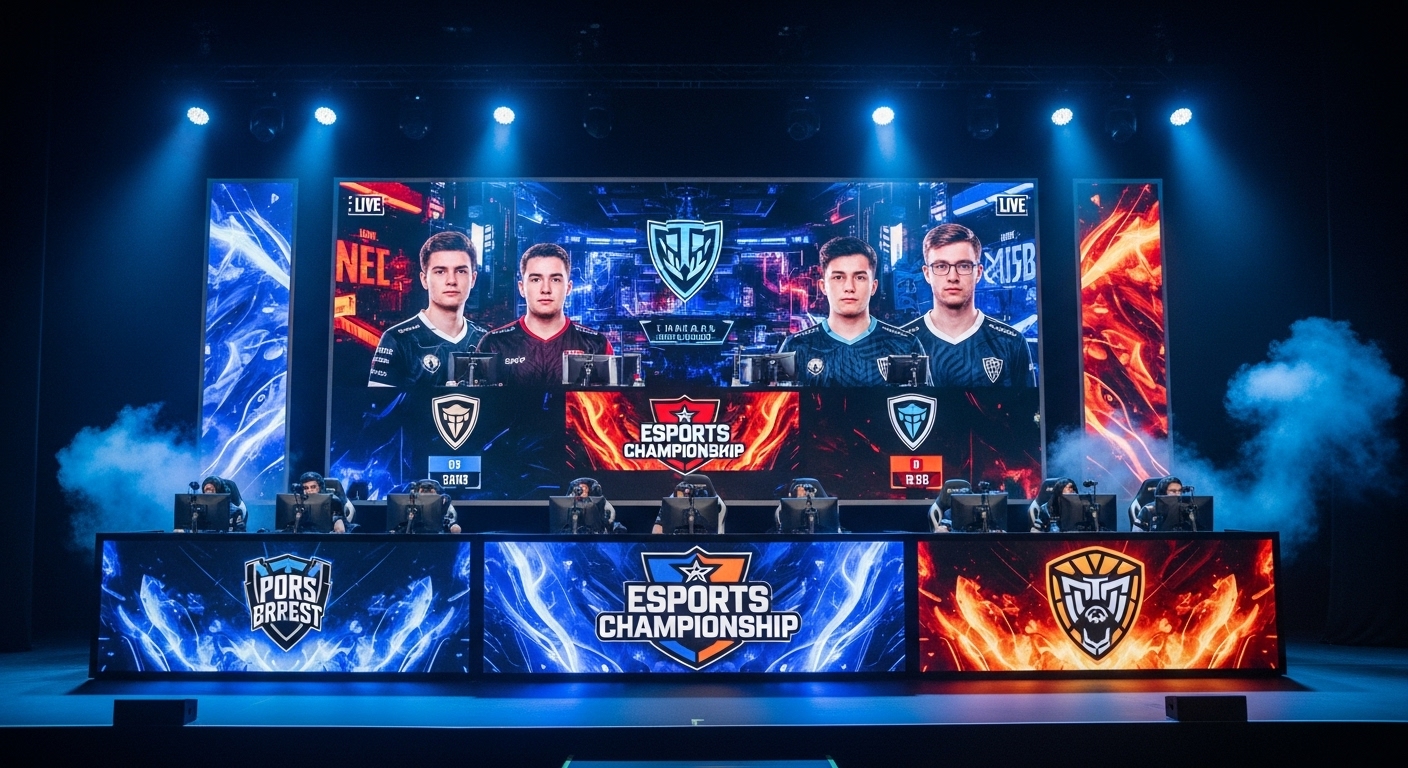
Just a few decades ago, video games were seen as simple pastimes, enjoyed mostly by teenagers in their bedrooms or in crowded arcades. Fast forward to today, and those same games have transformed into a billion-dollar global industry known as esports. Competitive gaming has evolved beyond mere entertainment—it has become a cultural and economic force. Esports tournaments now fill massive arenas, attract millions of online viewers, and award prize pools that rival traditional sports events. What was once considered a niche interest is now a legitimate career path for thousands of players worldwide.
This blog explores how esports rose to global prominence, how it continues to reshape entertainment and sports, and what the future holds for this fast-growing industry.
The Origins of Esports
The story of esports begins in the late 20th century. The first recognized video game competition dates back to 1972 at Stanford University, where players competed in “Spacewar.” The winner received a year’s subscription to a magazine—a humble reward compared to today’s multimillion-dollar prizes.
In the 1980s, arcade culture exploded, and games like Pac-Man and Donkey Kong turned gaming into a mainstream hobby. High scores were celebrated, and local competitions became common. The concept of being “the best” in a game started to gain social value.
The 1990s marked a major shift with the rise of home gaming consoles and early internet connections. Titles like Doom and Quake allowed players to compete online, connecting people from across the world. The first large-scale esports events, such as the Cyberathlete Professional League, began during this time. By the early 2000s, esports had started to develop its own ecosystem—with sponsors, teams, and professional players.
The Digital Revolution: Esports Goes Global
The real turning point for esports came with the rise of high-speed internet, live streaming, and online gaming platforms. Games such as League of Legends, Dota 2, Counter-Strike, and StarCraft attracted millions of fans worldwide. Streaming platforms like Twitch and YouTube Gaming revolutionized how people consumed content. Instead of simply playing games, audiences could now watch their favorite players in real-time, learn strategies, and engage with communities.
This accessibility created a new kind of celebrity: the esports star. These professional gamers weren’t just skilled—they were entertainers, influencers, and role models. Viewers tuned in not just to see competition, but to connect with personalities who shared their passion.
Countries like South Korea became epicenters of esports culture, with government support, training academies, and televised tournaments. Meanwhile, global brands and investors began to take notice. Esports was no longer an underground scene; it was a thriving industry with massive commercial potential.
The Structure of the Esports Ecosystem
Esports operates much like traditional sports. It has players, teams, coaches, analysts, sponsors, broadcasters, and governing organizations. Major tournaments are organized by game developers or third-party leagues, each with its own format, rules, and ranking systems.
At the top are the professional teams—organizations that recruit the best players from around the world. These players train for hours each day, reviewing strategies, studying opponents, and perfecting their reflexes. They compete in leagues that are often as structured and professional as football or basketball tournaments.
Then there are the game publishers, who play a unique role in esports. Unlike physical sports, each esports title is owned by a company. That means the publisher controls the game’s rules, updates, and competitive ecosystem. For example, Riot Games manages the League of Legends Championship Series, while Valve oversees Dota 2’s The International.
Finally, fans are the lifeblood of the industry. From cheering in packed arenas to watching streams online, their enthusiasm drives sponsorships, advertising, and the overall growth of the market.
Esports as a Career: More Than Just Playing
One of the most fascinating aspects of esports is its ability to create diverse career paths. While professional players are the most visible figures, they represent only a fraction of the industry. Behind every player and team stands an entire support network.
There are coaches who analyze gameplay and devise strategies, analysts who break down statistics, casters who provide commentary, and content creators who build communities. Esports organizations also employ marketing specialists, event planners, and broadcast technicians.
Moreover, the rise of esports has inspired academic programs at universities worldwide. Courses now teach game design, esports management, and digital media production, preparing students for a rapidly expanding job market. This institutional recognition further solidifies esports as a legitimate and sustainable career field.
The Business of Esports
The financial growth of esports has been nothing short of remarkable. According to various industry reports, global esports revenue has surpassed one billion dollars annually, with significant income from sponsorships, media rights, ticket sales, and merchandise.
Sponsorship remains the largest source of revenue, as major companies—from tech giants to soft drink brands—see esports as a way to reach younger, digitally engaged audiences. Traditional sports franchises have also entered the scene, purchasing or founding esports teams to expand their global presence.
Another critical factor is streaming and broadcasting rights. Just as television transformed traditional sports, online platforms have become the broadcasting homes of esports. With millions of viewers tuning in to live tournaments, advertisers are eager to invest in this highly engaged audience.
Esports and the Mainstream Media
In the past, many dismissed gaming as a solitary or antisocial activity. However, esports has helped shatter that stereotype. Today, competitive gaming is covered by mainstream media outlets, featured on television, and even recognized by international sporting bodies.
The inclusion of esports in major multi-sport events such as the Asian Games marks an important step toward global legitimacy. Although debates continue about whether esports should be part of the Olympic Games, the growing collaboration between esports organizations and traditional sports institutions shows that the gap between them is narrowing.
Esports has also influenced entertainment formats. Documentaries, TV series, and films centered on gaming culture are now commonplace. The industry’s stories—filled with underdogs, rivalries, and emotional triumphs—mirror the human drama found in any other sport.
The Psychological and Social Dimensions of Esports
Beyond the excitement and fame, esports raises important discussions about mental health, teamwork, and personal development. Professional players face immense pressure to perform, often training for long hours with minimal breaks. This intensity has sparked conversations about burnout and the need for better support systems.
However, esports also provides positive social outcomes. It encourages teamwork, strategic thinking, and communication skills. Many players form lifelong friendships through gaming communities. For introverted individuals or those with disabilities, esports offers a platform for social inclusion and personal achievement.
As with any form of competition, balance is essential. The industry is now placing greater emphasis on player wellness, including physical exercise, mental health programs, and scheduled rest periods. These measures ensure that esports professionals can sustain long and healthy careers.
The Role of Technology in Shaping Esports
Esports exists because of technological innovation. Advancements in computing power, internet speed, and virtual communication have made it possible for players from different continents to compete seamlessly.
Artificial intelligence, virtual reality, and augmented reality are expected to push esports even further. AI can analyze player data to create personalized training programs, while VR and AR may open new frontiers for immersive competition. The line between player and spectator will continue to blur as technology allows fans to experience matches from the perspective of the players themselves.
Furthermore, blockchain technology and digital assets have started to influence esports economies, providing new ways to reward fans and players alike. Virtual items, collectibles, and tokenized rewards are reshaping how engagement and loyalty are measured in the digital sports world.
Challenges Facing the Esports Industry
Despite its rapid rise, esports faces several challenges. The most pressing issue is sustainability. Player burnout, unstable tournament structures, and inconsistent prize distribution can threaten long-term stability.
Another concern is governance. Unlike traditional sports, esports lacks a universal regulatory body. Each game has its own rules, organizers, and governing entities, leading to inconsistencies in player rights and standards. Efforts are being made to introduce international frameworks, but this process remains complex.
Additionally, maintaining fair play is a constant battle. Issues such as cheating, match-fixing, and online harassment require continuous monitoring and technological solutions. Ensuring player integrity and safety is essential to preserving esports’ credibility.
The Future of Esports
Looking ahead, the future of esports appears both exciting and transformative. Analysts predict continued growth in audience size, revenue, and mainstream acceptance. As younger generations grow up immersed in digital culture, esports will likely become as normal as football or basketball.
We may also see the blending of virtual and physical sports. Mixed-reality competitions, holographic arenas, and AI-enhanced coaching are already being developed. Educational institutions, governments, and investors will continue to shape esports into a mature and well-regulated industry.
Most importantly, the heart of esports—the community—will keep driving its evolution. Whether it is a group of friends playing casually or a professional team competing on the world stage, the shared passion for gaming remains the same.
Conclusion: Esports and the Spirit of Competition
Esports is not merely about playing games; it is about redefining competition for the digital age. It has proven that skill, strategy, and teamwork can thrive in virtual environments just as much as on physical fields.
From humble beginnings in university labs to global stadiums filled with cheering fans, esports has come a long way. It represents the convergence of technology, creativity, and human ambition. As the lines between the digital and real worlds continue to blur, esports will stand as one of the defining cultural movements of our time—a celebration of play, passion, and progress.