Introduction
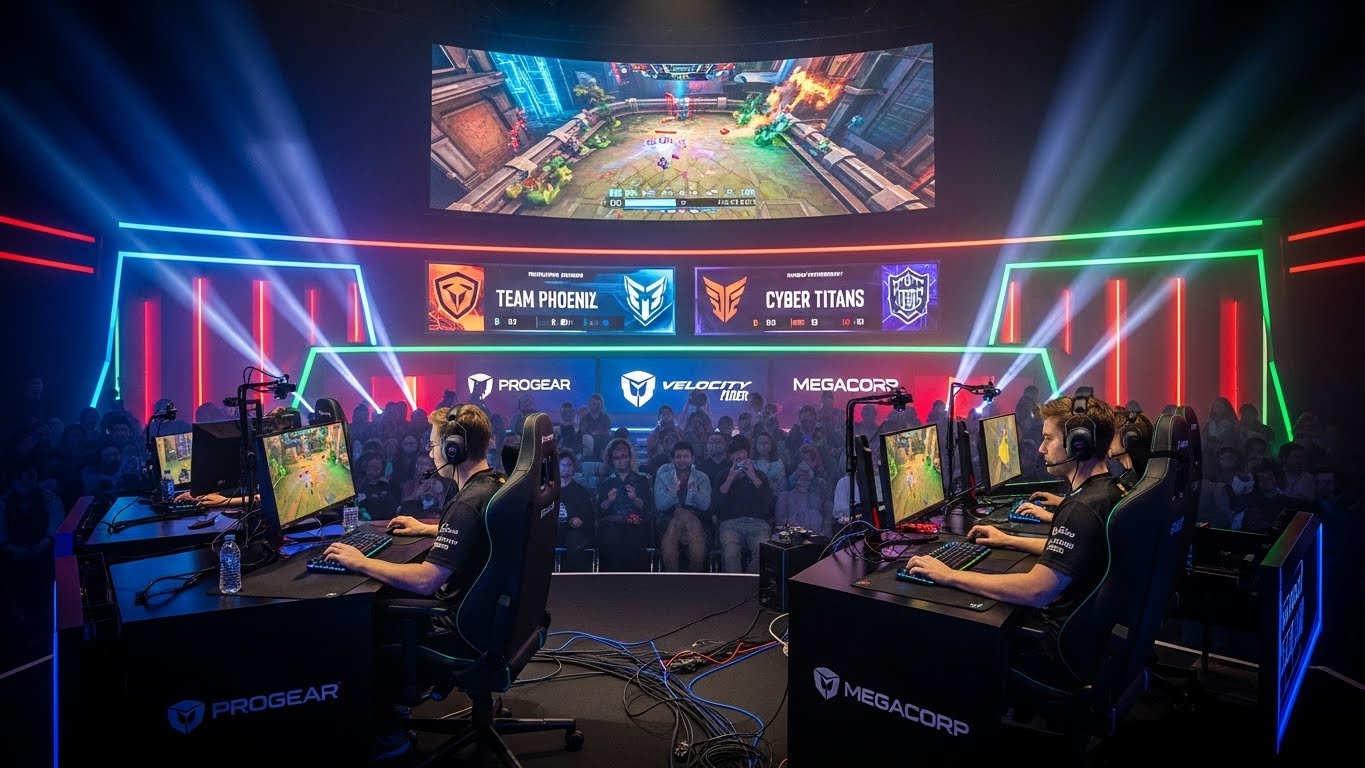
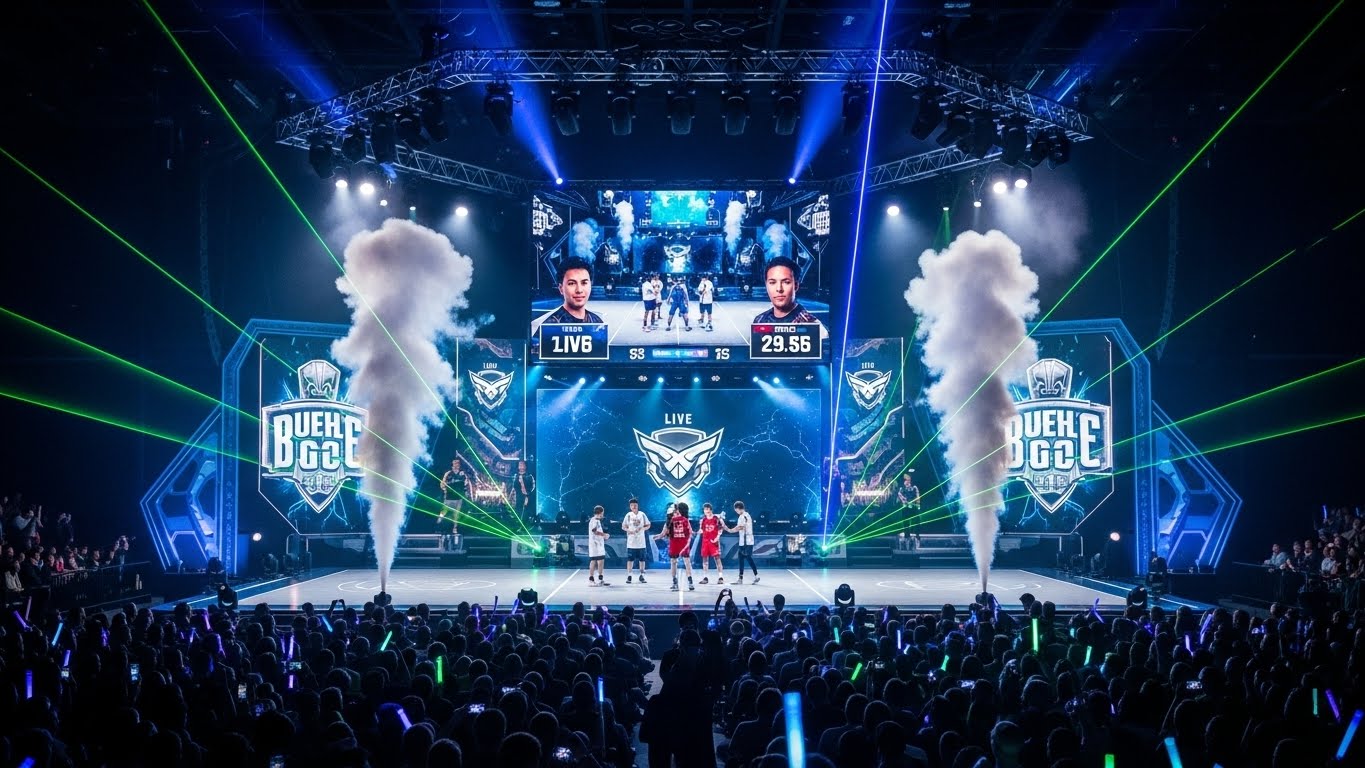
In recent years, esports has transformed from a niche hobby to a global phenomenon. What once started as a small community of passionate gamers has now evolved into a multibillion-dollar industry with millions of fans worldwide. Esports, or competitive video gaming, involves individuals or teams playing video games at the highest level of competition, often with large cash prizes, sponsorships, and global recognition. From its humble beginnings in local tournaments to massive, globally televised events, esports has captured the imagination of both players and fans alike. This blog will explore the rise of esports, its impact on the gaming industry, its role in society, and what the future holds for this rapidly growing sector.
The Origins of Esports
The origins of esports can be traced back to the early days of video gaming. In the 1970s and 1980s, competitive gaming existed in the form of local arcade tournaments and college competitions. One of the first significant milestones in the history of esports was the 1997 Red Annihilation tournament, where players competed in “Quake,” a first-person shooter. The tournament was an early indicator that people were willing to compete for more than just bragging rights. As internet connectivity improved and multiplayer online games became more accessible, esports grew rapidly in the late 1990s and early 2000s. Games like “StarCraft,” “Warcraft III,” and “Counter-Strike” began to dominate competitive gaming events.
The rise of platforms such as Twitch and YouTube further fueled the growth of esports by providing a venue for gamers to broadcast their gameplay and build large followings. These platforms allowed fans to watch professional players compete in real time, leading to the creation of global fanbases. With the proliferation of streaming and online competitions, esports entered a new era, with professional leagues, sponsorship deals, and international tournaments.
Esports as a Global Industry
Today, esports is a global industry worth billions of dollars, with revenue streams from ticket sales, media rights, sponsorships, advertising, merchandise, and streaming platforms. Major esports tournaments such as “The International” (Dota 2), the “League of Legends World Championship,” and “The Overwatch League” attract millions of viewers and offer multi-million-dollar prize pools. According to recent reports, the global esports market is projected to continue growing, with esports being considered a mainstream entertainment option.
One of the key factors in esports’ rise as an industry is its accessibility. Unlike traditional sports, which often require physical space, expensive equipment, or years of physical training, esports allows anyone with a computer or gaming console to participate. Online multiplayer games are accessible worldwide, giving players the opportunity to compete against others regardless of location. This accessibility has helped esports build a massive global fanbase, especially among younger audiences.
Esports organizations, such as Cloud9, Team Liquid, and Fnatic, have become household names in the gaming world. These teams sign top-tier players, offer sponsorships, and host tournaments that attract both professional and amateur gamers. The emergence of esports organizations and professional leagues has solidified the industry’s position as a legitimate form of entertainment, alongside traditional sports like football, basketball, and tennis.
The Competitive Nature of Esports
At the core of esports is the competitive spirit. Just like traditional sports, esports is about skill, strategy, and teamwork. Professional esports players dedicate hours each day to mastering their games, developing intricate strategies, and honing their reflexes. Games like “League of Legends,” “Counter-Strike: Global Offensive,” “Dota 2,” and “Fortnite” require not only quick reflexes but also deep knowledge of the game mechanics, team coordination, and mental stamina.
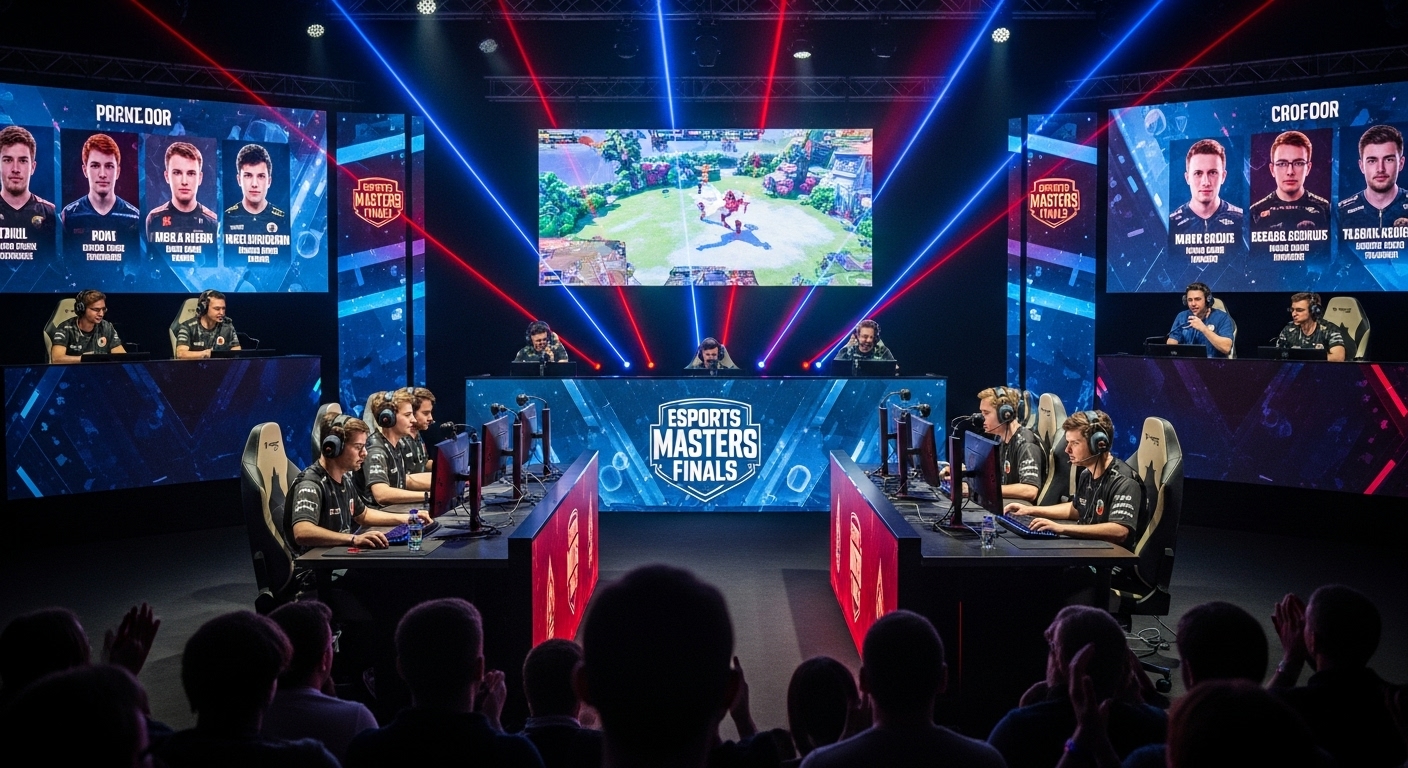
Esports competitions often take place in the form of tournaments and leagues, where teams or individual players compete in a series of matches to win the championship title. These events are usually broadcast online or live-streamed on platforms like Twitch, where fans can watch their favorite players or teams battle it out in real time. The format of esports tournaments can vary, but they all share the common goal of determining the best players in their respective games.
The esports ecosystem is highly competitive, and success is often determined by a combination of natural talent, hard work, and teamwork. Professional players spend countless hours practicing, analyzing strategies, and improving their gameplay. This level of commitment mirrors that of traditional athletes, with many esports players following strict training regimens, maintaining physical and mental health, and constantly improving their skills.
The Rise of Esports Viewership and Streaming
Esports’ growth can be partially attributed to the rise of streaming platforms. Twitch, the largest live-streaming platform for gamers, has played a pivotal role in popularizing esports by allowing fans to watch professional players and tournaments in real time. What began as a platform for casual streaming has now become a central hub for esports content.
In addition to Twitch, YouTube Gaming, Facebook Gaming, and other platforms have allowed esports content to reach even broader audiences. In fact, some of the biggest esports tournaments are now attracting more viewers than traditional sports events. For example, “The International 2019,” a Dota 2 tournament, boasted over 1 million concurrent viewers during its peak, surpassing the viewership of major sports events like the Super Bowl.
Esports viewership is particularly popular among younger demographics, with a large portion of viewers being between the ages of 18 and 34. This shift in viewership habits is significant, as it shows that esports is not only appealing to gamers but also to a wider audience who appreciate the skill, strategy, and excitement of competitive gaming. The ability to interact with players and other fans in real time through chat features and social media platforms has also contributed to the growth of esports viewership.
Esports as a Career Path
For many players, esports has become a viable career. Professional gamers can earn money through sponsorships, tournament winnings, and streaming revenue. Top players in games like “Fortnite,” “League of Legends,” and “Dota 2” earn millions of dollars in prize money alone. In addition to prize pools, esports players can also secure lucrative endorsement deals from major brands, further enhancing their income.
Esports has also created jobs in a variety of fields, from team management and coaching to broadcasting and event production. The rise of esports as an industry has led to the creation of dedicated esports academies and training programs, where aspiring players can receive coaching and education to help them reach the professional level. Universities and colleges around the world are offering esports scholarships and building dedicated esports arenas, highlighting the increasing recognition of esports as a legitimate career path.
The Cultural Impact of Esports
Esports is not just a form of entertainment; it has become an integral part of modern culture. It brings together fans from different parts of the world, creating a sense of community that transcends geographic and cultural boundaries. Esports also challenges traditional perceptions of gaming, which was once seen as a solitary or niche activity. Today, esports is a social experience, with fans attending live events, watching streams, and interacting with each other on social media platforms.
The global reach of esports also helps break down cultural barriers. Fans from different countries can bond over their love of a particular game, even if they speak different languages or come from different backgrounds. The shared passion for esports fosters an inclusive environment where diversity is celebrated. Esports also provides opportunities for marginalized groups, including women and LGBTQ+ individuals, to participate and find a sense of belonging within the gaming community.
In addition to its social impact, esports has begun to influence other forms of media. Popular esports games have inspired documentaries, television shows, and even feature films. The increased visibility of esports has led to collaborations between gaming companies and traditional media outlets, further integrating esports into mainstream culture.
Esports and Its Role in Education
In recent years, esports has found its way into educational institutions. Many universities and high schools now offer esports programs, including competitive teams and scholarships for players. These programs aim to teach students not only how to play at a competitive level but also important life skills such as teamwork, leadership, time management, and strategic thinking.
Esports is also being used as a tool for education in other areas. Schools and universities have begun offering courses in game design, esports management, and broadcasting, preparing students for careers in the growing esports industry. The increasing acceptance of esports in educational settings shows that the sector is not just about competition but also about skill development, personal growth, and professional opportunities.
The Future of Esports
As esports continues to grow, the future looks bright. The potential for further expansion into traditional sports arenas, greater mainstream media coverage, and continued technological innovation will drive the industry to new heights. With the increasing popularity of virtual reality (VR) and augmented reality (AR), the gaming experience is expected to become more immersive, further enhancing the appeal of esports.
Additionally, the integration of blockchain technology and cryptocurrencies into esports could change how players, teams, and fans interact with the industry. Digital collectibles and NFTs (non-fungible tokens) are already being used in the esports space, offering new ways for fans to engage with their favorite teams and players.
As esports becomes more integrated into global culture, the barriers between traditional sports and esports will continue to blur. The potential for cross-industry collaborations and global events suggests that esports will continue to shape the future of entertainment.
Conclusion
Esports has evolved into a cultural, economic, and social powerhouse. From its early days as a niche hobby to becoming a global multi-billion-dollar industry, esports has redefined what it means to be a competitive gamer. As the industry continues to grow, it will continue to influence gaming, entertainment, and society at large. With its ability to unite people, inspire talent, and create careers, esports is here to stay. It has revolution