Introduction: From Arcade Corners to Global Arenas
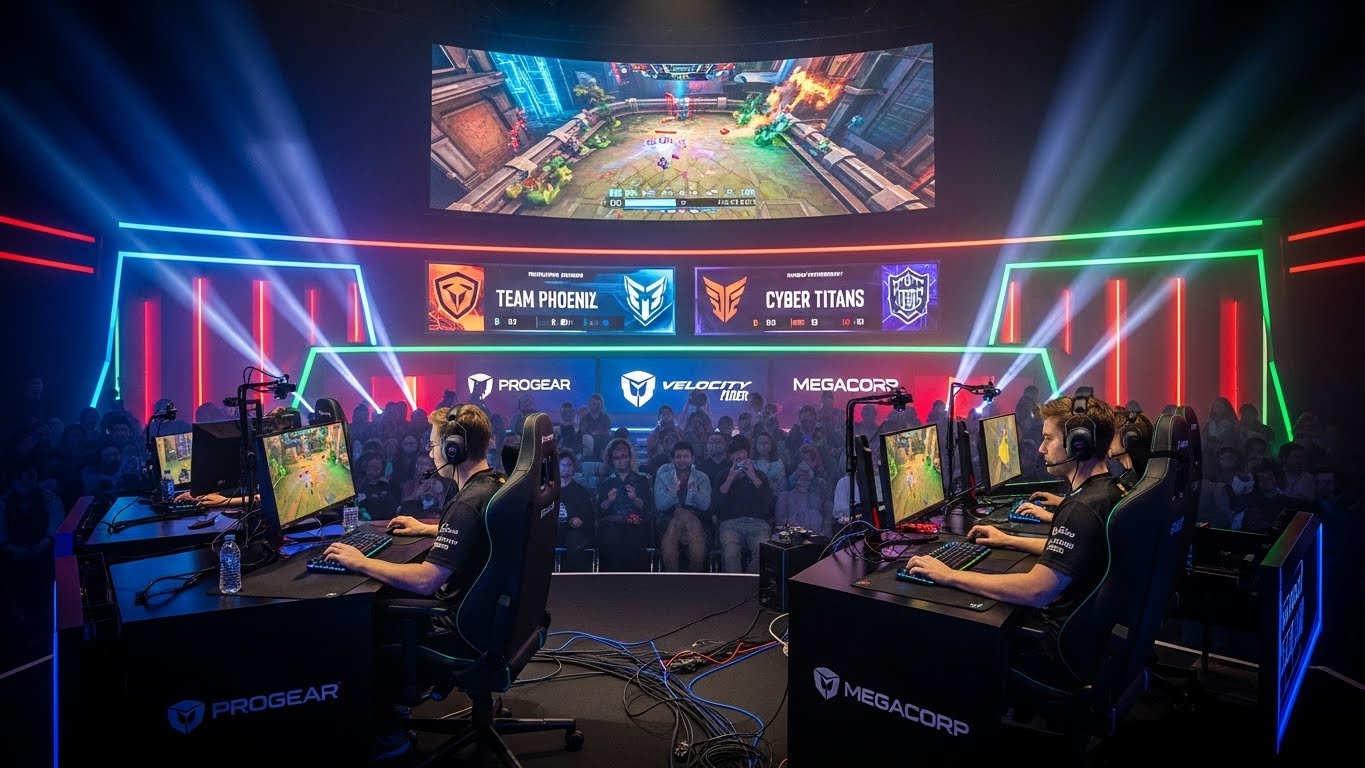
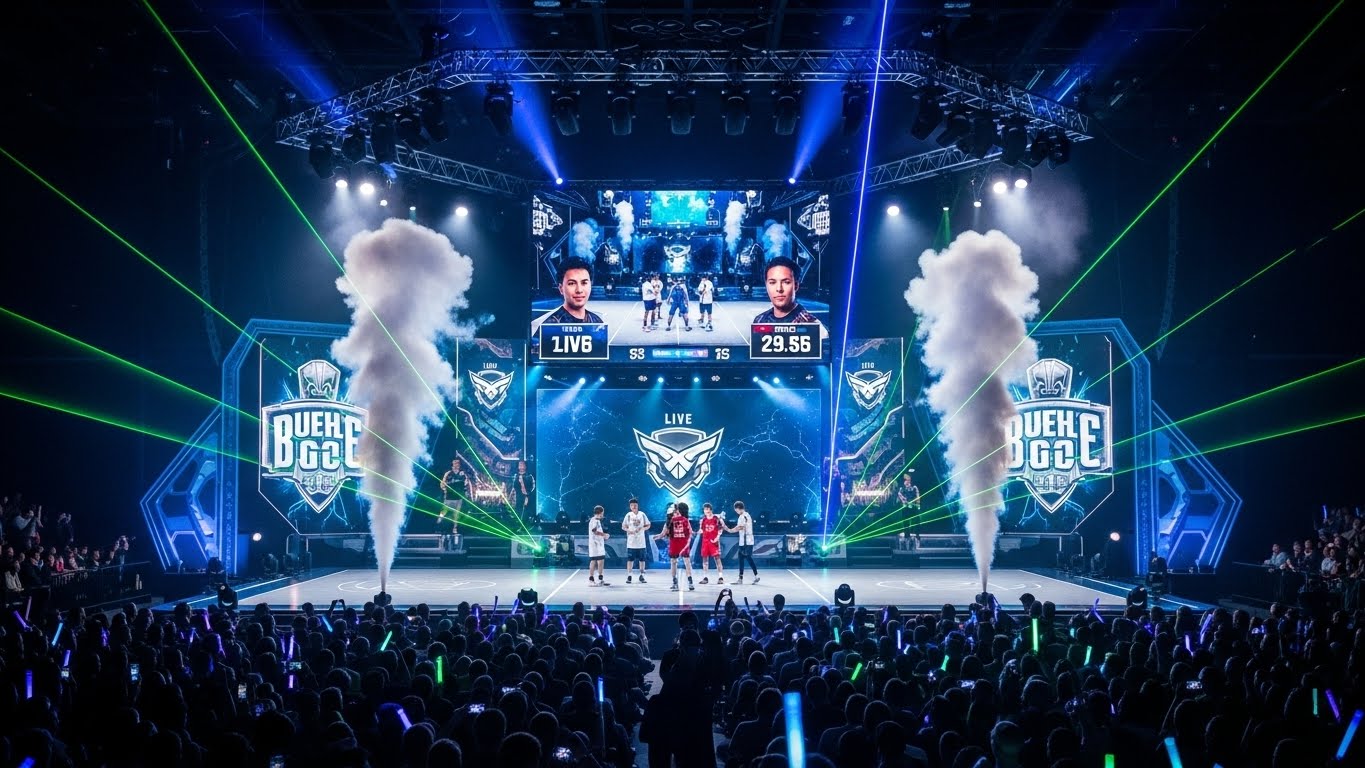
A few decades ago, video games were mostly seen as a hobby—something played for fun after school, in arcades, or at home with friends. No one could have predicted that these same games would one day fill stadiums, draw millions of online viewers, and create millionaire athletes. Yet, that’s exactly what Esports has become—a thriving ecosystem of competition, entertainment, and community that now rivals traditional sports in both popularity and financial power.
Esports, short for electronic sports, refers to organized, competitive video gaming. Players, either individually or in teams, face off in tournaments across a wide range of games. From strategy titles like League of Legends to first-person shooters like Counter-Strike, and sports simulators like FIFA, the Esports world is vast and diverse. It’s not just about playing anymore—it’s about performing, strategizing, and connecting with fans around the world.
The Early Days: A Hobby Turns Competitive
The roots of Esports can be traced back to the 1970s and 1980s. In 1972, Stanford University hosted what is often cited as the first competitive gaming event—a Spacewar! tournament. The prize? A year’s subscription to Rolling Stone magazine. It wasn’t glamorous, but it was the start of something that would eventually evolve into a billion-dollar industry.
Through the 1980s and 1990s, arcade competitions and console tournaments started to emerge. The Nintendo World Championships in 1990 marked a significant milestone—it was one of the first large-scale gaming competitions, touring across multiple U.S. cities and ending in a grand final.
The late 1990s brought a major shift. With the rise of the internet, games could finally be played online, connecting players across continents. This opened the door to large-scale, organized competitions. Titles like Quake, StarCraft, and Counter-Strike became the early icons of online competitive play, each building passionate communities that laid the foundation for modern Esports.
The 2000s: Building the Esports Infrastructure
The early 2000s were the defining decade for Esports as we know it today. Broadband internet became common, gaming PCs were more affordable, and online platforms allowed players to compete globally. This period also saw the birth of professional gaming organizations and leagues.
In South Korea, StarCraft: Brood War became a national sensation. The government recognized gaming as a legitimate profession, and dedicated Esports television channels began broadcasting matches. This created an organized structure—teams, coaches, sponsors, and fans—that would inspire Esports cultures worldwide.
Meanwhile, the West saw tournaments like the Cyberathlete Professional League and Major League Gaming (MLG) rise in popularity. These events gave gamers a platform to showcase their skills, earn recognition, and compete for real money. While still small compared to traditional sports, the Esports industry was beginning to show its potential.
The Streaming Revolution: A Turning Point
If there’s one thing that truly propelled Esports into mainstream culture, it was streaming. The 2010s marked a technological and cultural revolution with the rise of platforms like Twitch and YouTube Gaming. Suddenly, anyone could watch live matches, follow their favorite teams, and even interact with players.
Streaming made Esports accessible. Fans no longer needed to attend events physically—they could tune in from their phones or computers. This accessibility turned games into global spectacles, where millions could watch the same match in real-time.
Streaming also democratized the industry. It wasn’t just professional tournaments that drew attention anymore. Individual players, content creators, and commentators found audiences of their own. This created an entire ecosystem of entertainment around Esports, where the line between competitor and entertainer often blurred.
The Birth of Esports Celebrities
As the industry grew, so did its stars. Professional gamers began to gain recognition similar to traditional athletes. Players like Faker in League of Legends, s1mple in Counter-Strike: Global Offensive, and Ninja in Fortnite became household names in gaming communities.
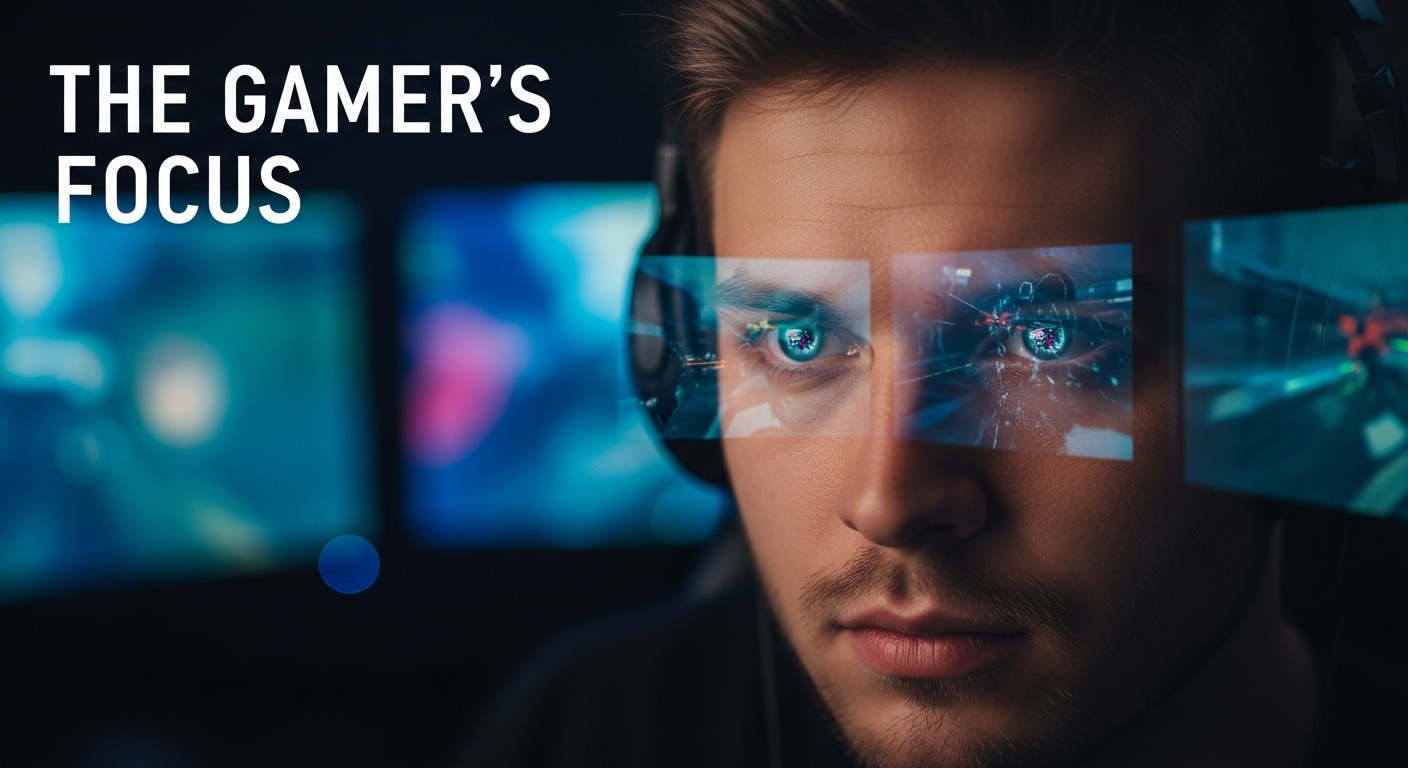
These players weren’t just skilled—they were personalities. Their playstyles, reactions, and stories drew people in. Fans followed them not only for their in-game performance but for their charisma, their resilience, and their journeys from amateurs to professionals.
Sponsorship deals, endorsements, and streaming partnerships followed. Some Esports athletes now earn salaries that rival or even surpass those of professional sports players. What once seemed impossible—making a living by playing video games—is now a legitimate and respected career path.
The Business of Esports
Esports is no longer just a pastime; it’s a multi-billion-dollar industry. The money flows from several key streams: sponsorships, media rights, merchandise, live events, and in-game purchases.
Corporate sponsors—from tech giants to energy drink brands—see Esports as an opportunity to reach young, digitally savvy audiences. Streaming platforms pay for exclusive broadcasting rights. Game publishers organize massive tournaments that attract millions of viewers.
Esports teams function much like traditional sports organizations. They hire players, coaches, analysts, and marketing staff. They sell branded merchandise, build training facilities, and negotiate with sponsors. In some cases, teams have been valued in the hundreds of millions of dollars.
The ecosystem extends beyond players and teams. There are event organizers, production companies, commentators, and journalists—all contributing to a professional infrastructure that sustains the industry.
Esports and Traditional Sports: A Growing Intersection
It’s no longer accurate to say that Esports and traditional sports are separate worlds. In many ways, they’re converging. Major sports franchises have invested in Esports teams. The NBA, for example, runs its own NBA 2K League, while soccer clubs like Paris Saint-Germain and Manchester City have their own Esports divisions.
Athletes, too, have embraced gaming. Many professional football and basketball players stream games or invest in Esports organizations. This crossover has helped validate gaming in mainstream culture, breaking down the old stereotype of gamers as socially isolated or unathletic.
Even broadcasters like ESPN and BBC now cover major Esports events, treating them with the same level of seriousness as traditional sports tournaments. The line separating the two worlds continues to blur as Esports grows.
The Esports Ecosystem: Beyond the Players
While players are the faces of Esports, there’s a huge network of people behind the scenes making everything work. Coaches study opponents’ strategies, analysts crunch data, and managers handle logistics. Production crews design immersive broadcasts that rival those of major sports events.
Commentators, often called “casters,” bring excitement and context to matches. They analyze plays, narrate the action, and help casual viewers understand the strategy behind the spectacle. Their voices have become iconic, adding emotional depth to the Esports experience.
There’s also a growing presence of mental health professionals, physical trainers, and nutritionists in the industry. Competitive gaming is intense—it requires long hours, focus, and teamwork. Teams are now investing in the overall well-being of their players to ensure consistent performance.
The Cultural Impact of Esports
Esports has become more than just a form of entertainment—it’s a cultural force. It has shaped language, fashion, and even education. Gaming slang has entered everyday conversation. Streetwear inspired by Esports teams has become trendy. Universities now offer scholarships for Esports athletes and even degrees related to game design and management.
Esports events also bring people together. International tournaments like The International (for Dota 2) and the League of Legends World Championship attract fans from every corner of the world. These events are not just competitions—they’re celebrations of shared passion, creativity, and global community.
For many, Esports offers a sense of belonging. Whether as players, fans, or creators, people find connection through shared enthusiasm. It bridges cultures, languages, and generations in a way few other forms of entertainment can.
The Role of Technology
Technology is the backbone of Esports. High-performance computers, low-latency internet, and advanced game engines make competitive gaming possible. Innovations in graphics, streaming, and VR are constantly pushing the boundaries of what’s achievable.
Artificial intelligence and data analytics now play major roles in training and strategy. Teams use software to review matches, analyze opponents’ behavior, and refine their gameplay. VR and AR are starting to reshape how fans experience matches—offering virtual seats and interactive replays.
The growth of 5G and cloud gaming also hints at a new era where players can compete at high levels from anywhere, without needing expensive equipment. Accessibility is improving, and with it, the potential audience keeps expanding.
Esports Education and Career Opportunities
As Esports becomes mainstream, so do the opportunities it offers. It’s not just about becoming a professional gamer anymore. There are careers in event management, broadcasting, marketing, coaching, and technology.
Schools and universities are recognizing this shift. Esports clubs and programs teach teamwork, leadership, and communication—skills that are valuable far beyond gaming. Some institutions have full-fledged Esports facilities and scholarships, treating gaming as seriously as traditional athletics.
This educational integration also helps dispel myths about gaming being a distraction. Instead, it’s becoming a channel for developing critical thinking and problem-solving skills, particularly in younger generations.
Challenges Facing the Esports Industry
Despite its massive success, Esports isn’t without challenges. The industry faces issues such as player burnout, financial instability, and regulation inconsistencies.
The demanding schedule of tournaments, travel, and streaming can lead to exhaustion and mental health struggles. Some players retire in their early twenties due to stress or physical strain. Teams and organizers are now working to address these concerns by promoting balanced routines and mental health support.
There’s also the question of governance. Unlike traditional sports, which have established governing bodies, Esports is fragmented. Each game is controlled by its publisher, leading to differing rules, tournament structures, and player contracts. This fragmentation makes it harder to create consistent global standards.
Cheating, match-fixing, and performance-enhancing substances have also emerged as issues. As the stakes grow, so do the temptations. Organizations are investing in integrity units and fair play systems to maintain credibility.
Women in Esports
While Esports has historically been male-dominated, the landscape is changing. More women are competing, streaming, and leading teams. Female Esports leagues and organizations are emerging to promote inclusivity and representation.
Prominent female players and streamers have become role models, inspiring more women to pursue careers in gaming. However, challenges remain—such as gender bias, harassment, and unequal opportunities. The industry is gradually addressing these through awareness campaigns, inclusive policies, and community support.
As diversity grows, Esports becomes stronger. Different perspectives and experiences lead to more creativity, broader audiences, and a healthier culture overall.
Global Reach and Regional Influence
Esports isn’t confined to one country or culture. Each region contributes something unique to the global scene.
In Asia, particularly South Korea, China, and Japan, Esports has become deeply integrated into popular culture. Korean players are treated like celebrities, and government programs actively support the industry.
In North America and Europe, the focus has been on commercialization, with big organizations, sponsorships, and stadium events. Latin America and Southeast Asia have also become rising stars, with passionate fan bases and emerging talent.
This global diversity has made Esports one of the most multicultural industries in the world. A player from Brazil can compete against a team from Sweden, watched by fans from Indonesia and Canada—all in real-time.
The Future of Esports
Looking ahead, the future of Esports seems limitless. As technology advances and mainstream acceptance grows, Esports will continue to evolve in ways we can only imagine.
Virtual and augmented reality may bring entirely new formats of competition. Blockchain and digital ownership could transform how fans interact with teams and tournaments. And as more traditional sports organizations invest in Esports, hybrid events might become the norm.
The next generation of gamers will grow up in a world where competing professionally is not a dream but a legitimate aspiration. Schools, governments, and companies are already preparing for this future, recognizing Esports as both an economic and cultural powerhouse.
Conclusion: The Power of Play
Esports is proof that play is powerful. What began as friendly competition among hobbyists has turned into one of the most dynamic industries in the world. It combines technology, creativity, community, and performance in a way that few other fields can match.
Whether you’re a dedicated fan, a casual gamer, or someone new to the scene, Esports offers something universal—the thrill of competition and the joy of connection. It represents how far human imagination can go when passion meets innovation.
The stadium lights may look different, the athletes may hold controllers instead of bats, but the heart of the game—the drive to compete, to improve, and to win—remains the same. Esports isn’t just the future of gaming. It’s the future of sports itself.