
Introduction
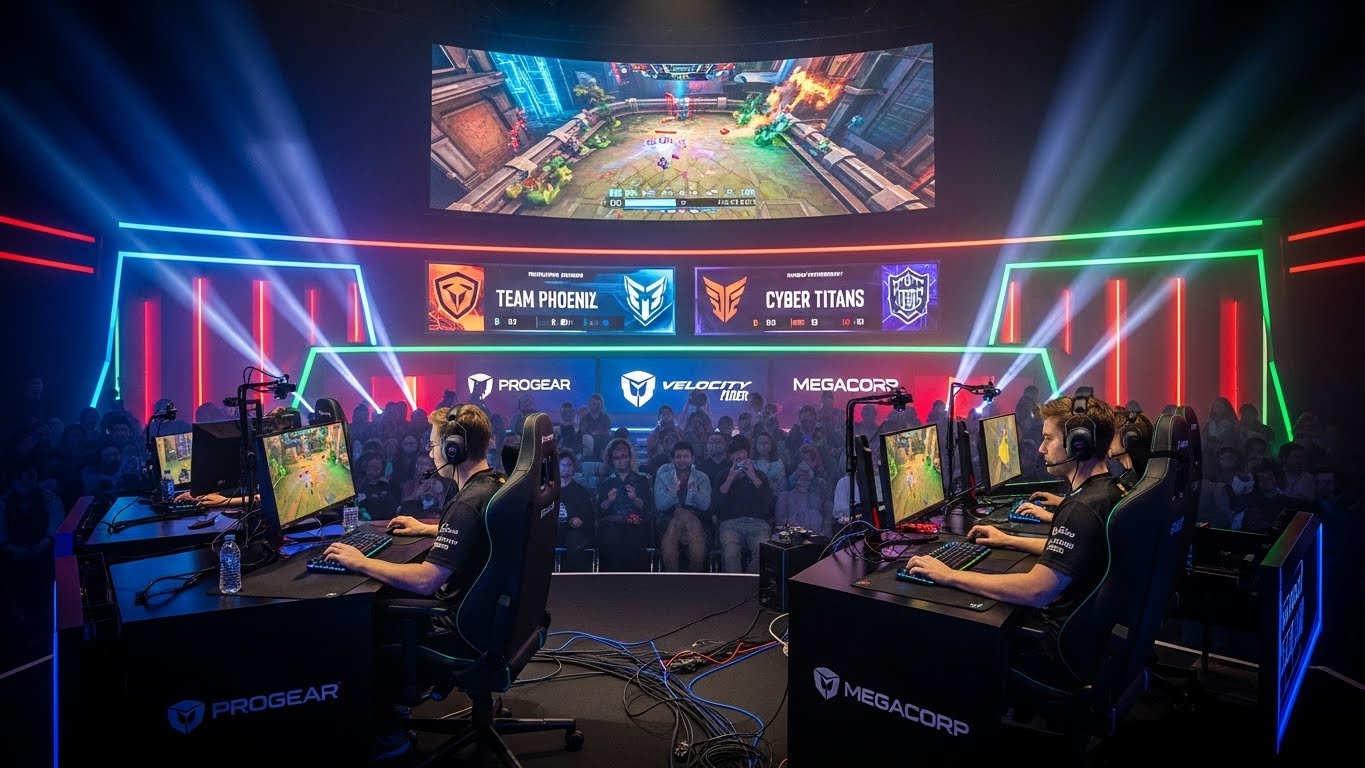
Once dismissed as a hobby for teenagers in dark rooms surrounded by glowing screens, esports has exploded into a global phenomenon that rivals traditional sports in both popularity and profitability. The transformation from casual gaming to a billion-dollar professional industry is nothing short of remarkable. Esports is no longer a fringe subculture; it’s a mainstream entertainment powerhouse that brings together millions of fans, players, brands, and investors.
This blog takes you through the fascinating journey of esports — how it started, what fuels its rise, its economic and cultural impact, and what the future holds for this dynamic world of digital competition.
The Humble Beginnings of Esports
The story of esports begins long before Twitch streams and multi-million-dollar tournaments. In the early 1970s, video games were mostly experiments created by university researchers and computer scientists. Yet even then, competition was part of the equation. The first known video game tournament took place at Stanford University in 1972 for a game called “Spacewar!” The winner received a year’s subscription to Rolling Stone magazine. It was a modest start, but it planted the seed of competitive gaming.
The 1980s brought arcade culture to the mainstream. Games like Pac-Man, Donkey Kong, and Street Fighter attracted crowds eager to top high score charts. Players began competing for fame and recognition, with magazines publishing lists of national champions. Although there were no live broadcasts or large prize pools yet, these early rivalries laid the foundation for what esports would become.
The real transformation began in the 1990s with the rise of home computers and local area network (LAN) parties. Games like Doom, Quake, and StarCraft allowed players to face each other directly, not just the computer. LAN events gathered dozens, then hundreds, of players in halls or basements, connecting computers through cables for intense multiplayer matches.
These gatherings nurtured communities, and those communities evolved into professional circuits. The cyber athletes of the late ‘90s — playing titles like Counter-Strike, StarCraft, and Unreal Tournament — became the pioneers of esports as we know it today.
The Early 2000s: Laying the Professional Groundwork
The turn of the millennium marked the moment when esports started to formalize. High-speed internet made online competition possible at a large scale, and organizations began to structure tournaments, leagues, and professional teams.
One of the earliest major leagues was the Cyberathlete Professional League (CPL), founded in 1997, which hosted global tournaments with serious cash prizes. South Korea, however, was where esports truly took off. With widespread broadband access and government support, competitive gaming became part of popular culture there. StarCraft, released in 1998, became almost a national sport. Players like Lim “BoxeR” Yo-Hwan achieved celebrity status, and televised matches drew millions of viewers.
In North America and Europe, games like Counter-Strike, Warcraft III, and Halo fostered growing competitive scenes. Although these early tournaments lacked the glitz and sponsorships of today, they introduced structures like professional contracts, team management, and sponsorship deals that would become standard practice.
By the late 2000s, esports was no longer confined to enthusiasts’ circles. It had begun to attract mainstream attention.
The 2010s: Esports Enters the Global Stage
The 2010s were the decade that truly transformed esports into a global entertainment industry. Two major developments drove this change: live streaming and the emergence of massive esports titles designed with spectators in mind.
The Power of Streaming
Before streaming, watching esports was limited to recorded matches or small-scale live events. Then came Twitch, launched in 2011. Suddenly, anyone could watch professional gamers live from anywhere in the world. Streaming democratized esports viewership — no cable deals, no gatekeepers, just players and audiences connecting directly.
Twitch, YouTube Gaming, and other platforms turned players into entertainers and communities into global fandoms. Top streamers became as recognizable as mainstream celebrities. Live commentary, interactive chat, and instant replay gave esports broadcasts an energy that traditional sports sometimes lacked.
Games That Defined the Era
Several key games became the pillars of modern esports during this decade.
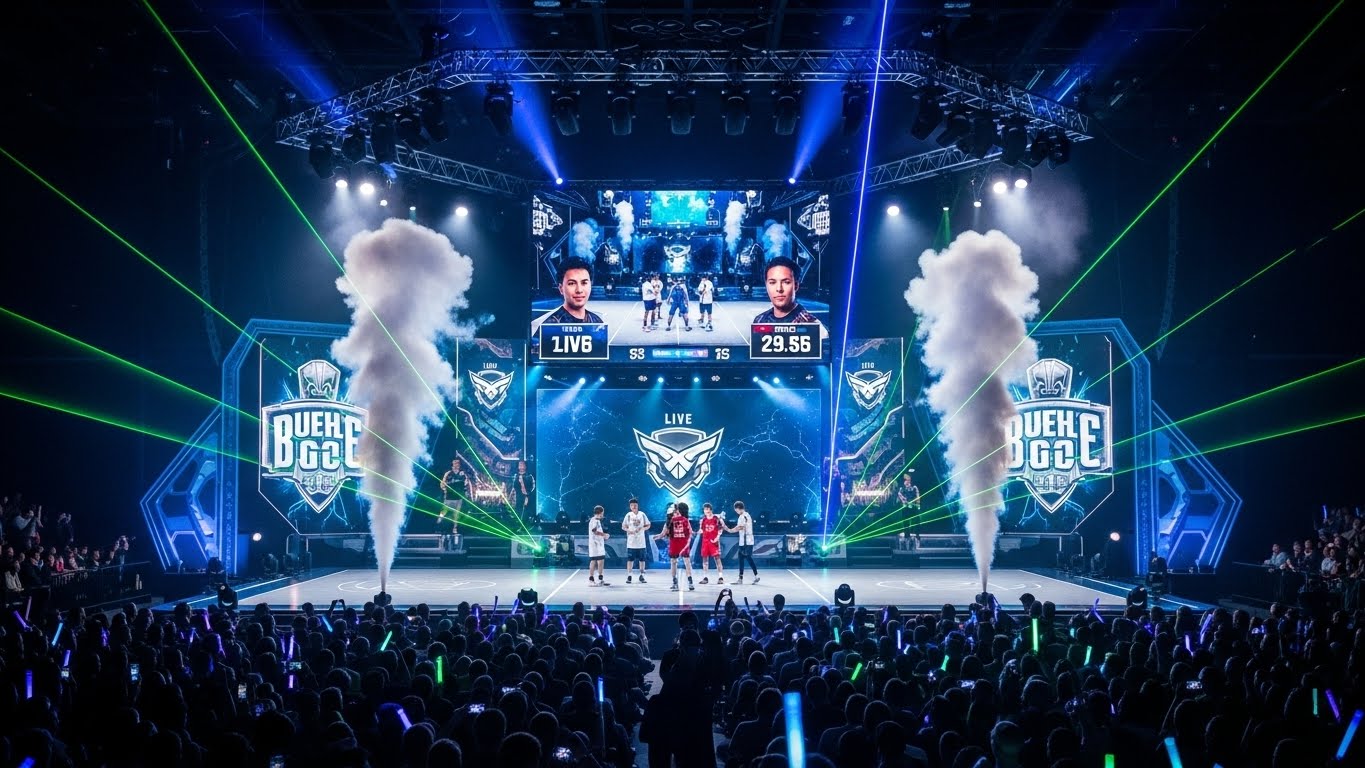
League of Legends, developed by Riot Games, established one of the most structured and well-funded professional circuits. Its World Championship became an annual spectacle filling arenas around the world, complete with opening ceremonies and musical performances.
Dota 2, Valve’s successor to the Warcraft III mod, created a new model for funding esports through its community. The International, Dota 2’s premier tournament, offered prize pools exceeding $30 million, crowdfunded by fans purchasing in-game items.
Counter-Strike: Global Offensive, Overwatch, and Call of Duty each carved out their own competitive ecosystems, appealing to both hardcore gamers and mainstream audiences.
These games were not just entertainment; they became digital sports arenas where strategy, skill, teamwork, and psychology blended seamlessly.
The Birth of Esports Infrastructure
The 2010s also saw the rise of professional infrastructure. Major cities hosted dedicated esports arenas. Teams like Fnatic, Team Liquid, Cloud9, and T1 became global brands. Sponsorship deals with companies like Intel, Red Bull, and Nike signaled the industry’s legitimacy.
Esports was no longer about teenagers playing in their bedrooms — it was a structured, international competition supported by coaches, analysts, nutritionists, and media teams.
Esports and Traditional Sports: A Growing Connection
As esports gained traction, traditional sports organizations took notice. NBA teams invested in esports franchises, soccer clubs started their own gaming divisions, and major sports networks began broadcasting esports tournaments.
The appeal was obvious. Esports attracted the younger demographics that traditional sports struggled to reach. The format was flexible, the storytelling compelling, and the global reach unmatched. Unlike physical sports, where geography limits participation, esports knows no borders.
At the same time, the overlap between traditional athletes and gamers began to grow. Many professional athletes openly expressed admiration for esports players’ skills and discipline. Some even invested in teams or started their own gaming ventures.
The line separating “real sports” and “esports” blurred, revealing that the essence of competition — dedication, strategy, and mastery — transcends physical boundaries.
The Business of Esports: A Billion-Dollar Industry
Behind the flashing screens and roaring fans lies a sophisticated economic machine. Esports today generates billions in revenue from sponsorships, advertising, media rights, merchandise, and ticket sales.
Sponsorships and Branding
Corporate sponsorships are the lifeblood of esports. Major companies recognize the value of reaching gaming audiences, which are young, engaged, and global. Brands like Coca-Cola, Samsung, and BMW have all partnered with esports teams and leagues.
These partnerships are not just about logos on jerseys. They involve creative collaborations — branded tournaments, in-game integrations, and lifestyle campaigns that merge gaming culture with mainstream marketing.
Media Rights and Streaming
Streaming platforms compete fiercely for broadcasting rights to major tournaments. Deals worth hundreds of millions secure exclusive coverage, mirroring how sports networks bid for traditional sports leagues. This competition has elevated the production quality of esports events, making them comparable to — or even surpassing — traditional sports broadcasts.
Prize Money and Salaries
Top players now earn substantial salaries, often comparable to professional athletes. In addition to tournament winnings, they generate income from streaming, sponsorships, and brand deals. Organizations provide structured contracts, health benefits, and training facilities.
The days of gaming for fun alone are long gone; esports is a full-time profession.
The Culture of Esports: More Than Just Games
Esports is not only about competition; it’s a culture that reflects the evolution of digital identity, creativity, and community.
Fans and Fandom
Esports fans are among the most passionate and connected communities online. They create memes, fan art, analysis videos, and even fanfiction around their favorite players and teams. The interaction between fans and pros is more direct than in traditional sports, thanks to social media and live streaming.
Diversity and Inclusion
Although esports still faces challenges with gender diversity and inclusivity, progress is visible. Female players, commentators, and team managers are increasingly gaining recognition. Initiatives and organizations have emerged to promote equality and provide safe, supportive environments for all participants.
The Global Reach
One of esports’ defining strengths is its universality. Players from Korea, Sweden, China, the United States, and Brazil compete on equal footing. Language barriers fade as the language of gaming — skill, reaction, teamwork — takes over. Esports has created a new kind of global culture, one that transcends physical borders and connects millions through shared experiences.
The Challenges Facing Esports
Despite its explosive growth, esports faces several challenges that could shape its future.
Player Health and Burnout
The intense schedule of constant practice, travel, and competition often leads to burnout. Players face both physical and mental health risks, from wrist injuries to stress and anxiety. As the industry matures, teams are investing more in wellness programs, but the issue remains significant.
Regulation and Governance
Unlike traditional sports, which have established governing bodies, esports remains fragmented. Each game has its own ecosystem, rules, and tournament organizers. The lack of unified governance creates inconsistencies in standards, contracts, and player protections. Efforts are underway to develop more structured oversight, but the diversity of games makes it complex.
Cheating and Integrity
The digital nature of esports makes it vulnerable to cheating, hacking, and match-fixing. Maintaining fair play is an ongoing battle, requiring constant vigilance, anti-cheat software, and strict enforcement. Integrity issues can damage credibility, so transparency and ethical standards are crucial.
Sustainability and Overexposure
With so many games and tournaments, there’s a risk of saturation. Not every esports title can maintain long-term popularity. Developers must balance updates, maintain community engagement, and avoid turning their games into mere spectacles without substance.
The Future of Esports
The momentum behind esports shows no sign of slowing down. As technology advances, the next phase of evolution could be even more exciting.
Virtual Reality and Immersive Gaming
Virtual and augmented reality could redefine how we experience competitive gaming. Imagine audiences watching matches from inside the game world, following players’ perspectives in real time. VR-based esports may bring new forms of interactivity and physical engagement.
Education and Career Pathways
Esports is increasingly recognized as a legitimate career path. Universities now offer esports scholarships, and high schools are forming competitive gaming programs. Beyond players, careers in event management, production, marketing, and game analysis are expanding rapidly.
Mainstream Integration
In the near future, esports may become as mainstream as basketball or soccer. It could appear regularly on major sports networks, and esports athletes may feature in household advertising campaigns. The distinction between gamer and athlete will continue to blur.
The Metaverse and Beyond
As discussions around the metaverse grow, esports could play a central role in shaping shared digital experiences. Competitive gaming within virtual spaces may become the social and economic backbone of these digital worlds. Esports is not just entertainment — it’s part of the broader digital transformation of society.
Conclusion
Esports represents more than a new form of competition; it’s a cultural revolution born from the digital age. From the pixelated battles of the 1970s to today’s grand global tournaments, esports has rewritten the rules of what it means to be an athlete, a fan, and a community.
The journey of esports mirrors the evolution of technology itself — fast, connected, and constantly reinventing. It blends passion, precision, and performance into an art form that millions celebrate every day.
As we look toward the next decade, one thing is certain: esports is here to stay. It will continue to evolve, inspire, and challenge our perceptions of sports and entertainment. Whether you’re a player, a fan, or an observer, you are part of one of the most exciting movements of our time — the unstoppable rise of esports.