Introduction
In the last two decades, the world of sports has undergone a dramatic transformation. No longer are stadiums and fields the only battlegrounds for competition. The rise of esports, or electronic sports, has created a new digital arena where players, teams, and fans unite through screens rather than stands. What once began as casual gaming among friends has evolved into a global phenomenon attracting millions of viewers, professional players, sponsorships, and even national recognition. Esports is more than just gaming—it’s a blend of technology, entertainment, and athletic skill that is reshaping the way we view sports in the twenty-first century.
The Birth and Growth of Esports
The story of esports begins in the late 20th century when arcade games and early computer systems began captivating the imagination of players. Competitive gaming first appeared in the 1970s with tournaments for games like Space Invaders and Pong. However, it wasn’t until the 1990s, with the rise of the internet and home consoles, that competitive gaming started to gain serious traction. Games like Counter-Strike, StarCraft, and Warcraft III became early pioneers of professional gaming culture.
As online connectivity improved, so did the competitive scene. By the early 2000s, gaming tournaments were being broadcasted online, and players began forming professional teams. Esports organizations started treating players like athletes, offering salaries, housing, and rigorous training schedules. The digital revolution allowed fans from across the world to watch live matches from their homes, and streaming platforms later amplified this reach to unimaginable levels.
The Globalization of Esports
Esports has broken geographical boundaries in ways that traditional sports rarely achieve. From Seoul to Stockholm, from Los Angeles to Lahore, gamers are connected in a shared digital environment. Countries like South Korea, China, and the United States have become esports powerhouses, hosting some of the biggest tournaments and nurturing top-tier talent. South Korea, often regarded as the birthplace of professional esports, established televised competitions and player academies long before other nations caught up.
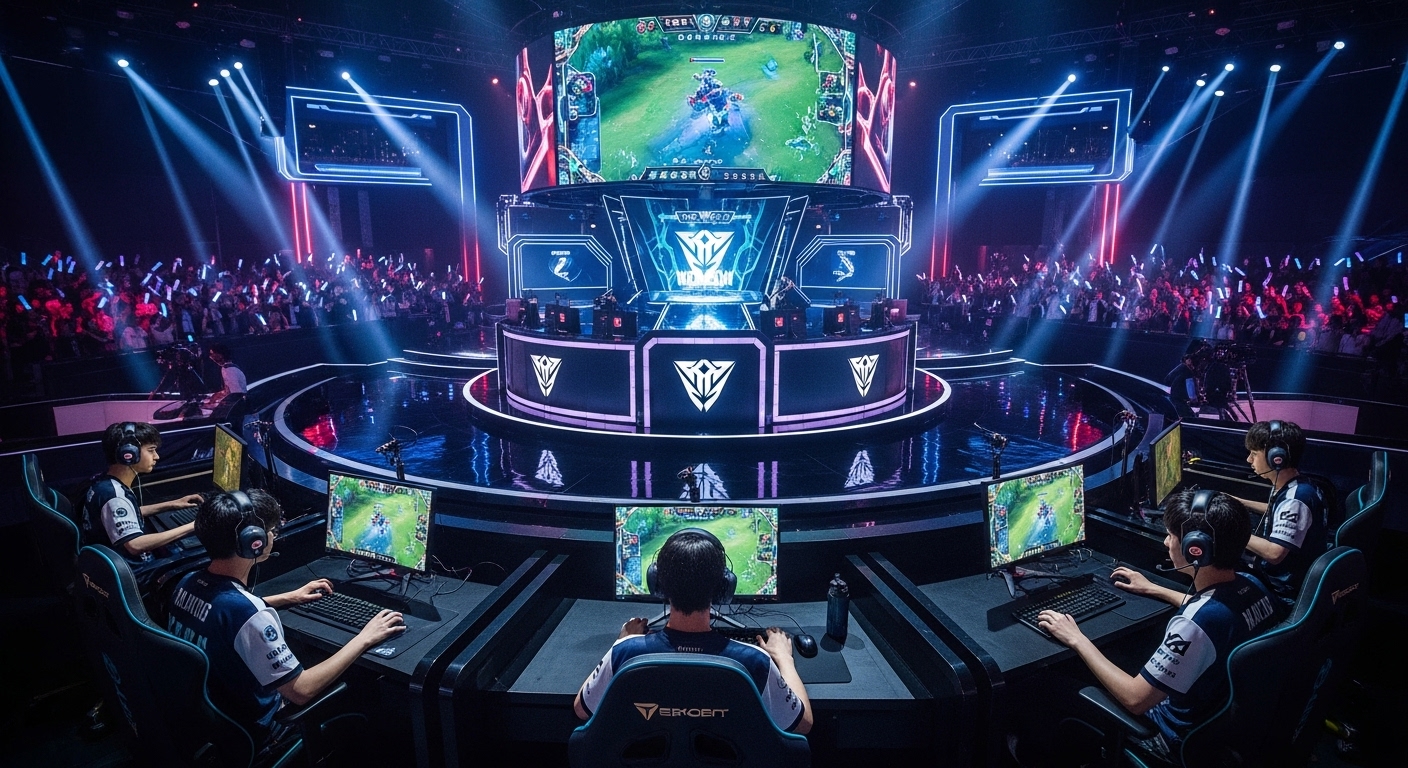
Today, international competitions draw millions of viewers, and teams travel across continents to participate in tournaments such as The International, League of Legends World Championship, and Call of Duty League. The globalization of esports has not only created new opportunities for players but also inspired cultural exchange and collaboration between countries through digital sportsmanship.
Esports as a Profession
For many young gamers, esports has become a legitimate career path. Gone are the days when gaming was dismissed as a hobby. Professional players now earn salaries comparable to traditional athletes, supported by brand endorsements, streaming revenues, and tournament winnings. Top players have fan bases as large as football or basketball stars, and their skills are honed through endless hours of practice, strategy, and teamwork.
Teams employ coaches, analysts, nutritionists, and even psychologists to enhance performance. The level of dedication required in esports mirrors that of any physical sport. Reflexes, mental endurance, and strategic thinking are tested to their limits. In many cases, esports players retire young—often in their mid-twenties—due to the intensity of competition and the need for sharp cognitive reflexes.
The Role of Technology in Esports Evolution
Technology has been the backbone of esports since its inception. Every advancement in computing power, graphics, and internet connectivity has directly influenced the growth of the industry. High-speed connections enable smooth online play, while advanced gaming equipment enhances player precision and comfort. Streaming technology has made esports accessible to anyone with a smartphone or computer, expanding its audience exponentially.
Virtual reality (VR) and augmented reality (AR) are now being integrated into competitive gaming, hinting at the next phase of esports evolution. As these technologies mature, they could blur the lines between physical and digital sports even further, creating new categories of immersive competition. Artificial intelligence is also entering the space, being used to analyze gameplay patterns, predict outcomes, and provide training simulations for professional players.
The Esports Economy and Industry Growth
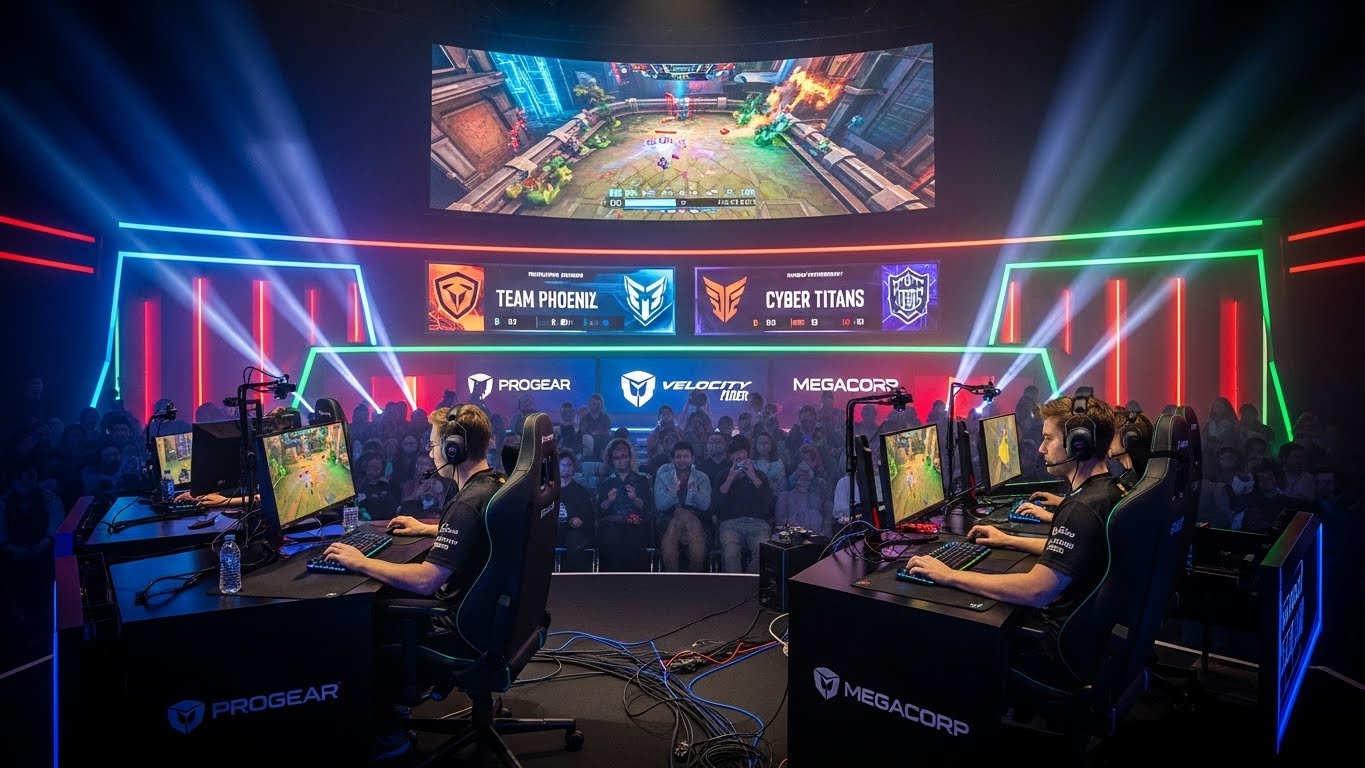
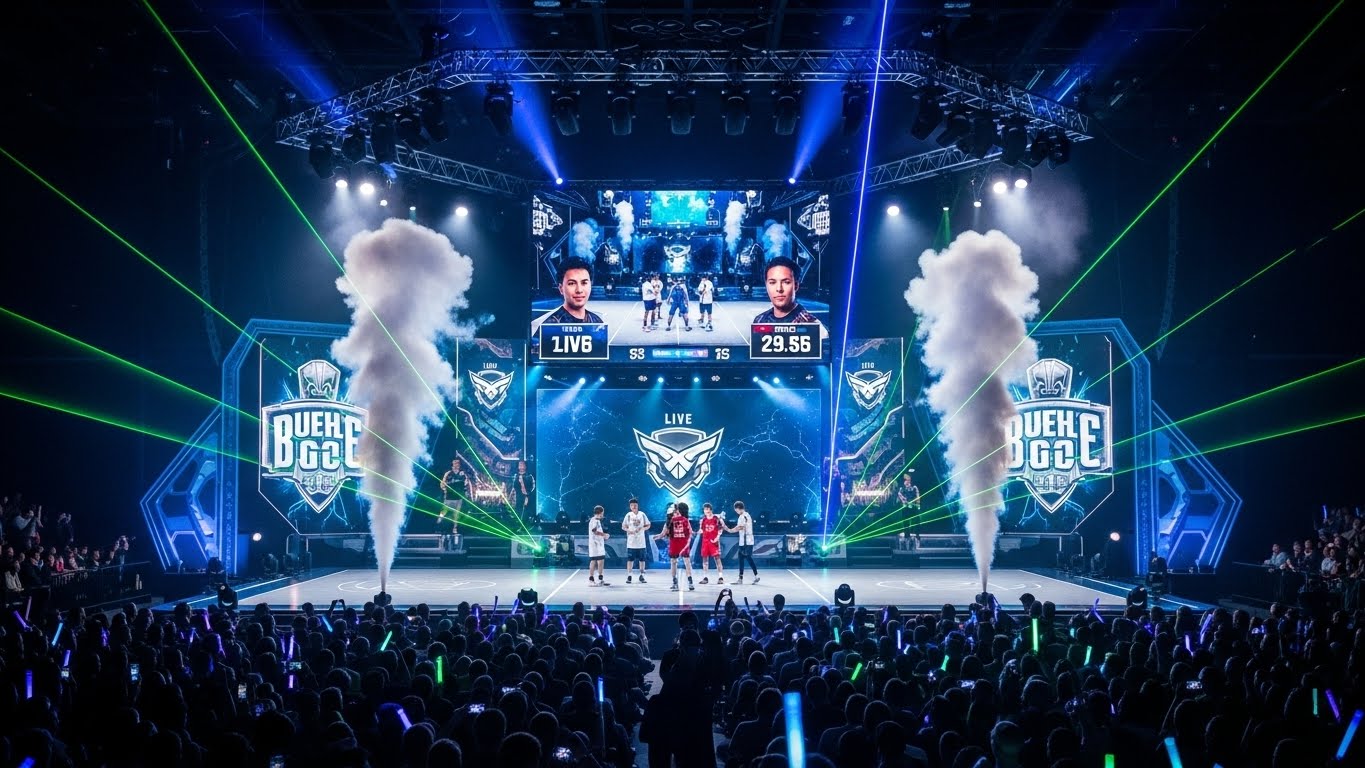
Esports has transformed into a billion-dollar industry encompassing sponsorships, advertising, merchandise, ticket sales, and streaming rights. Major companies from technology, beverage, and apparel industries have invested heavily in esports to reach younger, tech-savvy audiences. Event organizers fill massive arenas with cheering fans, while millions more tune in online to watch live broadcasts.
Streaming platforms have become the lifeblood of esports marketing. Content creators, influencers, and professional streamers contribute to the industry’s visibility by engaging with audiences daily. This synergy between competitive play and entertainment has made esports a self-sustaining ecosystem where fans are both spectators and participants.
Universities and colleges around the world have recognized the economic potential of esports, offering scholarships and degrees in esports management, broadcasting, and game design. Educational institutions are no longer ignoring the impact of digital competition but are embracing it as part of modern learning and career development.
The Cultural Impact of Esports
Esports has transcended entertainment to become a cultural movement. It has built communities that celebrate creativity, skill, and diversity. Gaming culture promotes inclusivity, where players from different backgrounds can collaborate and compete on equal footing. Social media platforms have further amplified this by allowing fans to interact directly with their favorite players and teams.
Esports also plays a significant role in shaping youth culture. For younger generations, esports represents aspiration and opportunity. It encourages teamwork, problem-solving, and adaptability—skills that are valuable beyond gaming. Moreover, it has fostered creativity in content creation, game design, and even music and fashion inspired by gaming aesthetics.
Challenges Facing the Esports Industry
Despite its impressive growth, esports faces several challenges. One major issue is player burnout, which arises from intense practice schedules, online pressure, and limited work-life balance. Mental health awareness within the industry is becoming increasingly important, as organizations begin providing psychological support to players.
Another challenge is regulation. Since esports is a global activity, establishing standardized rules across countries is complex. Issues like cheating, doping, and match-fixing occasionally tarnish its image, highlighting the need for stronger governance. Additionally, diversity and inclusion remain ongoing challenges, as female players and underrepresented groups still face barriers in professional play.
Monetization fairness is another area of concern. While top-tier players earn millions, lower-level competitors often struggle to make a sustainable income. This imbalance reflects the early stages of industry maturity and the need for better structures that support emerging talent.
Esports and the Future of Sports Entertainment
The future of esports looks brighter than ever. As technology advances, the experience of watching and playing esports will become more interactive and immersive. Virtual arenas may soon rival physical ones, allowing fans to participate in real-time through virtual avatars. The boundaries between player and spectator will continue to blur as new forms of digital engagement emerge.
Traditional sports organizations have also begun merging with esports, recognizing its potential. Football clubs, basketball teams, and even Olympic committees are investing in esports divisions. This integration signifies that digital competition is now viewed as a legitimate and respected form of athletic performance.
Educational programs, government policies, and international collaborations will further shape the future of esports. As it continues to gain mainstream recognition, esports will likely become an integral part of global sporting culture.
Conclusion
Esports has revolutionized how humanity defines competition, entertainment, and connection. It stands at the intersection of technology, creativity, and athleticism, proving that sportsmanship is not limited to physical boundaries. What started as a niche hobby has evolved into a global industry influencing education, culture, and technology.
The journey of esports is far from over. With each passing year, new games, new champions, and new innovations redefine its landscape. It symbolizes the evolution of human interaction in the digital era—a world where players battle not on fields but in pixels, and where victory is measured not just in trophies but in the unity of global communities. The digital arena is here to stay, and its future promises to be as thrilling as the games that fuel it.