
Introduction
In the early days of video games, few could have imagined that what started as a simple pastime would evolve into one of the world’s most lucrative and influential industries. Esports, or electronic sports, represents the competitive side of gaming—where players and teams face off in organized tournaments, often in front of millions of spectators both online and in arenas. What was once dismissed as “just playing games” is now a career path, a source of entertainment, and even a tool for education and social connection.
This blog explores the journey of Esports from its humble beginnings to its current status as a global phenomenon. We’ll look at the cultural impact, economic influence, technological advancements, and the future potential of this fast-growing field.
The Origins of Competitive Gaming
The story of Esports begins in the 1970s, a time when video games were still in their infancy. The first known video game competition took place at Stanford University in 1972, featuring the game “Spacewar.” The prize? A year’s subscription to Rolling Stone magazine. While modest, this event planted the seeds for what would eventually become a billion-dollar industry.
By the 1980s, arcade culture had exploded. Games like Pac-Man, Donkey Kong, and Space Invaders attracted crowds, and competitive high scores became a badge of honor. Television programs such as Starcade showcased players competing on air, marking one of the earliest forms of televised gaming.
The 1990s introduced local and national tournaments for console games, especially with the rise of titles like Street Fighter II and Super Smash Bros.. This decade also saw the first large-scale events for PC gaming, such as the Cyberathlete Professional League and Quake tournaments. These early competitions laid the groundwork for the organized, professional Esports circuits we see today.
The Internet Revolution and the Birth of Modern Esports
The late 1990s and early 2000s brought the internet revolution. With high-speed connections becoming more common, online multiplayer gaming transformed the scene entirely. Titles like Counter-Strike, StarCraft, and Warcraft III allowed players from across the globe to face off in real-time, erasing geographic barriers.
Korea, in particular, became the epicenter of modern Esports. The launch of StarCraft: Brood War in 1998 gave rise to a new generation of professional players, televised matches, and dedicated Esports channels. South Korea’s government even supported Esports as a legitimate industry, creating infrastructure that allowed teams, sponsors, and fans to flourish.
At the same time, Western countries began developing their own Esports ecosystems. LAN events such as DreamHack and Major League Gaming (MLG) brought thousands of players together under one roof. The competitive gaming community expanded rapidly, united by a shared passion for skill, strategy, and entertainment.
The Rise of Streaming and Spectator Culture
While competitive gaming had existed for decades, it was the rise of live streaming that truly catapulted Esports into mainstream culture. Platforms like Twitch and YouTube Gaming made it possible for millions of viewers to watch professional gamers compete in real time. Suddenly, anyone with an internet connection could tune into tournaments, interact with commentators, and follow their favorite players.
Streaming also blurred the lines between competition and entertainment. Many professional gamers built personal brands by streaming their practice sessions or hosting casual matches. This not only made them more relatable but also allowed fans to form deeper connections with their idols.
Esports events began filling stadiums, with fans cheering as if watching a football or basketball game. The League of Legends World Championship and The International for Dota 2 became global spectacles, offering multi-million-dollar prize pools and cinematic production values. The combination of accessibility, engagement, and spectacle created a perfect storm for Esports’ rise to fame.
Major Esports Titles and Their Impact
Esports encompasses a wide range of games, each with its own rules, culture, and fanbase. Here are some of the most influential titles that shaped the industry:
League of Legends
Developed by Riot Games in 2009, League of Legends (LoL) quickly became one of the world’s most-watched Esports. Its team-based gameplay, frequent updates, and structured professional leagues have made it a cornerstone of competitive gaming. The annual World Championship attracts millions of viewers, rivaling traditional sports broadcasts.
Dota 2
Valve’s Dota 2 is another titan of the scene. Known for its complexity and depth, it hosts The International—an annual tournament famous for its enormous, crowd-funded prize pools. This event symbolizes the power of community-driven Esports.
Counter-Strike: Global Offensive
Few games have a legacy as long as Counter-Strike. Starting as a Half-Life mod in 1999, it has evolved into a global competitive shooter with professional leagues, dedicated fan bases, and legendary rivalries. Its simplicity and tactical depth make it timeless.
Fortnite
Epic Games’ Fortnite brought Esports to younger audiences with its colorful graphics and creative gameplay. Its massive World Cup tournament in 2019, where a teenager won millions of dollars, proved that gaming could create new kinds of celebrities overnight.
Overwatch, Call of Duty, and Others
Games like Overwatch, Call of Duty, Rainbow Six Siege, and Valorant have also established thriving competitive scenes. Each offers a unique blend of mechanics, teamwork, and storytelling, appealing to different audiences worldwide.
The Professional Player Lifestyle
Behind the bright lights and cheering crowds, professional Esports players live intense and demanding lives. The path to becoming a pro is filled with long hours of practice, strategic planning, and constant pressure to perform.
Training and Preparation
Top players often train eight to twelve hours a day, focusing on reflexes, coordination, and communication. Teams hire coaches, analysts, and psychologists to optimize performance. Just like traditional athletes, Esports pros follow strict routines and dietary plans to maintain focus and mental clarity.
Mental and Physical Challenges
While gaming may seem sedentary, the physical and mental toll is significant. Repetitive strain injuries, eye fatigue, and burnout are common. Moreover, the psychological stress of constant competition and online criticism can be overwhelming. This has led to greater awareness of player welfare and the importance of rest and counseling in professional teams.
Short Career Spans
The average Esports career is short, often ending before the age of 30. Reaction times slow down with age, and the competitive field remains fiercely young. However, many players transition into coaching, streaming, or commentary roles after retirement, allowing them to remain within the industry.
The Economics of Esports
Esports is no longer just a hobby—it’s a global business. According to various industry reports, the Esports market generates billions of dollars annually through sponsorships, advertising, ticket sales, and media rights.
Sponsorships and Brand Partnerships
Major brands like Intel, Red Bull, and Nike have entered the Esports space, sponsoring teams and events. These partnerships mirror traditional sports marketing, offering companies access to younger, digitally savvy audiences.
Broadcasting and Media Rights
As Esports viewership grows, so does the value of broadcasting rights. Companies are investing heavily to secure exclusive streaming deals, further professionalizing the industry. Esports is now featured on mainstream platforms and television networks, increasing visibility and legitimacy.
Merchandise and Team Branding
Team jerseys, collectibles, and gaming peripherals have become popular sources of revenue. Successful teams like T1, Fnatic, and Team Liquid operate much like sports franchises, with fan merchandise, training facilities, and global branding efforts.
Prize Pools and Player Earnings
Prize money in Esports can reach staggering amounts. The Dota 2 International alone has offered prize pools exceeding $30 million. Top players earn through a combination of salaries, winnings, sponsorships, and streaming revenue, with some rivaling traditional sports stars in income.
Esports in Education and Society
Esports is finding its way into schools, universities, and communities as an educational and social tool.
Scholastic Esports
Many schools have established Esports clubs and programs, teaching teamwork, communication, and strategic thinking. Colleges offer Esports scholarships, recognizing gaming as both a competitive and academic pursuit. This trend highlights the role of Esports in promoting digital literacy and collaboration.
Social and Cultural Influence
Esports has reshaped youth culture and digital identity. Players from different backgrounds and countries connect through shared passion, transcending linguistic and cultural barriers. Online platforms foster friendships, creativity, and community engagement.
Gender and Diversity in Esports
Historically, Esports has been male-dominated, but diversity is improving. Female players, commentators, and organizers are gaining visibility, promoting inclusivity and representation. Organizations are also working to address toxicity and harassment in gaming spaces, making Esports more welcoming for everyone.
The Role of Technology in Esports Growth
The evolution of Esports is deeply tied to advancements in technology.
Internet Infrastructure
High-speed internet has enabled real-time global competition, reducing latency and improving player performance. Better connectivity has allowed fans from every corner of the world to tune into live events without interruption.
Hardware and Equipment
Cutting-edge hardware—high-refresh monitors, ergonomic peripherals, and optimized gaming PCs—has elevated the standard of play. Players and teams invest heavily in the best equipment to gain even the slightest competitive edge.
Virtual Reality and Artificial Intelligence
Emerging technologies like virtual reality (VR) and artificial intelligence (AI) are shaping the next generation of Esports. VR could bring immersive spectator experiences, while AI tools help teams analyze data, predict opponents’ strategies, and improve training efficiency.
Esports Arenas and Global Tournaments
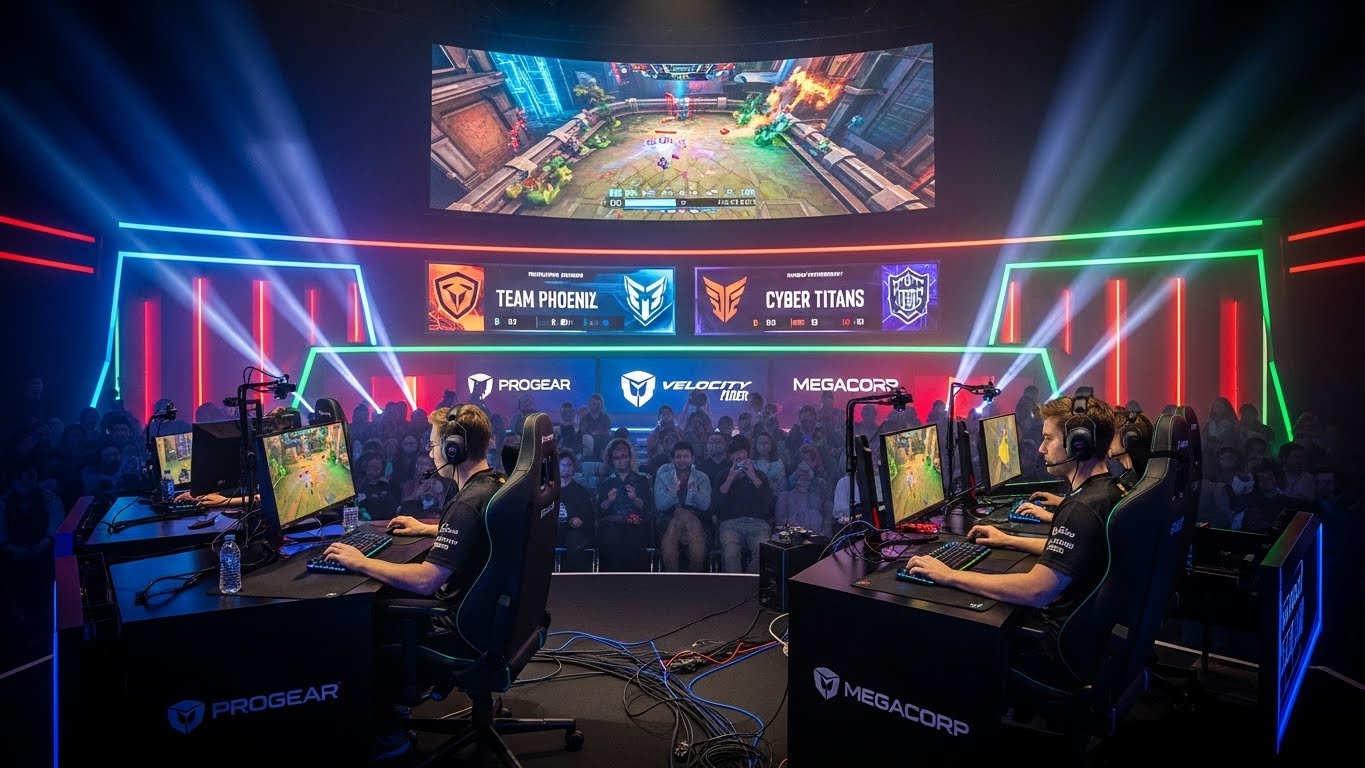
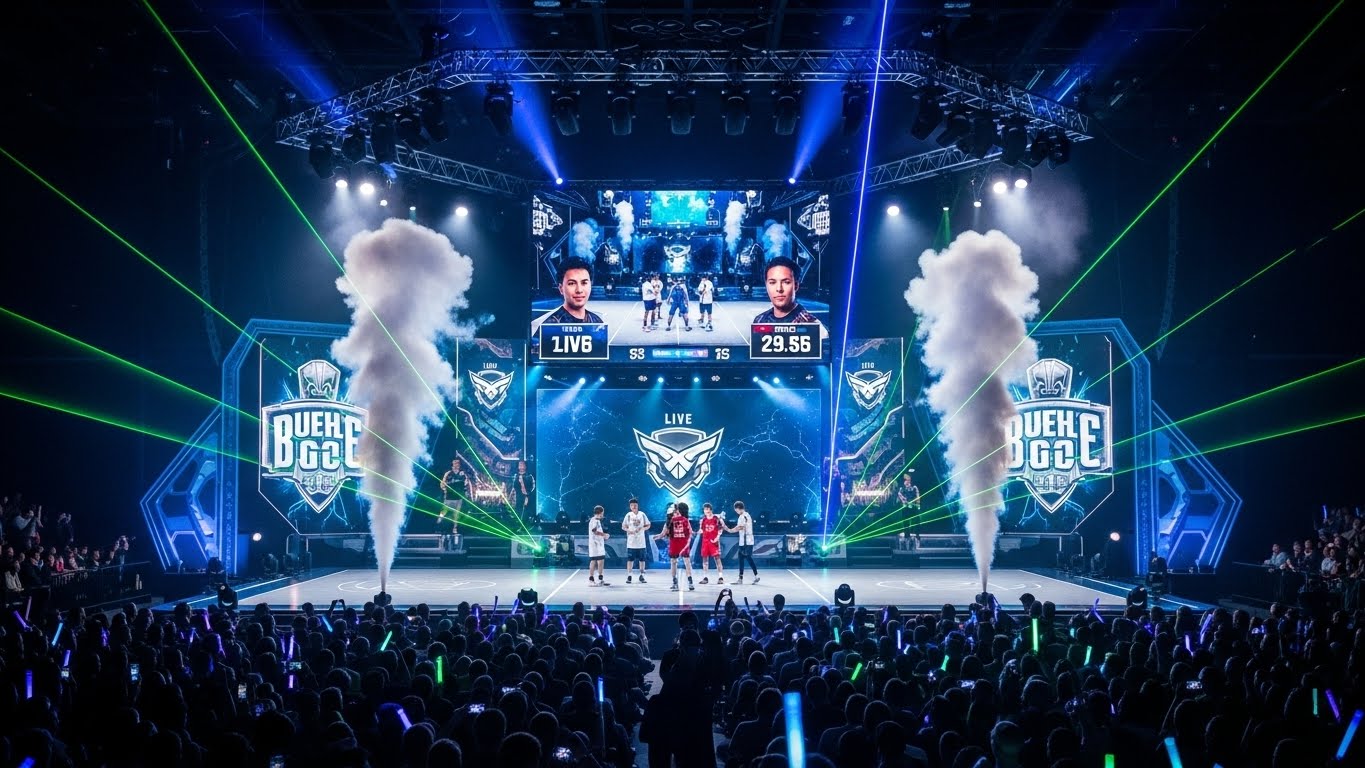
Today, Esports events fill arenas once reserved for concerts and traditional sports. Cities like Seoul, Los Angeles, and Shanghai host world-class tournaments that attract international tourism and media coverage.
The Spectacle of Live Events
The atmosphere at live Esports events rivals that of major sporting finals. Fans wave banners, chant team names, and celebrate every victory. The lighting, music, and production value create a cinematic experience, blending digital excitement with real-world emotion.
Global Expansion
Esports is no longer limited to North America and Asia. Europe, Latin America, and the Middle East have become emerging markets with growing leagues and local tournaments. Nations are investing in Esports infrastructure, recognizing its potential for youth engagement and economic development.
The Future of Esports
As technology continues to advance and audiences expand, the future of Esports looks incredibly promising. Here are a few trends shaping the road ahead:
Mainstream Integration
Esports is steadily merging with traditional sports. Professional sports teams are creating Esports divisions, and major networks are broadcasting tournaments alongside regular sports programming. This integration blurs the boundaries between digital and physical competition.
Mobile Esports
With the rise of smartphones, mobile Esports titles like PUBG Mobile, Mobile Legends, and Clash Royale have captured massive audiences, especially in Asia and developing markets. Mobile gaming opens the door for anyone to compete, regardless of access to high-end hardware.
Global Regulation and Standardization
As the industry grows, calls for standardized rules, player protections, and anti-doping measures are increasing. A unified global framework could ensure fairness, transparency, and longevity for professional Esports.
The Metaverse Connection
The concept of the metaverse—virtual worlds where people work, play, and socialize—aligns naturally with Esports. Future tournaments might take place in immersive digital environments where fans can interact, cheer, and even influence outcomes in real time.
Challenges Facing the Esports Industry
Despite its growth, Esports faces several challenges that must be addressed for sustainable success.
Player Health and Burnout
The pressure to perform at a high level leads many players to neglect physical and mental health. Teams and organizations must invest in wellness programs to support longevity and balance in players’ lives.
Fair Play and Cheating
Cheating and match-fixing scandals have occasionally tarnished Esports’ reputation. Stronger regulations, anti-cheat software, and ethical standards are crucial to maintain integrity and trust.
Financial Stability
While top-tier teams thrive, smaller organizations often struggle with sustainability due to fluctuating sponsorships and inconsistent revenue. The industry must diversify income streams to ensure stability for all participants.
The Cultural Legacy of Esports
Esports is more than competition—it’s culture, creativity, and community. It has inspired art, fashion, music, and film. Gaming influencers and teams are household names, shaping trends and lifestyles across generations.
Children who once dreamed of being astronauts or athletes now aspire to become professional gamers. Parents who once doubted gaming’s legitimacy are now attending tournaments to cheer for their kids. Esports represents not just entertainment but a modern form of digital storytelling—where strategy, teamwork, and human connection take center stage.
Conclusion
From pixelated screens in the 1970s to global arenas packed with roaring fans, the story of Esports is one of innovation, passion, and perseverance. It has redefined what competition means in the digital age, breaking boundaries of culture, geography, and perception.
As the industry continues to grow, Esports stands as a testament to how far gaming—and humanity’s drive for connection and mastery—has come. Whether you are a player, a fan, or a curious observer, Esports offers a glimpse into the future of entertainment, where skill meets technology, and communities unite in the spirit of play.