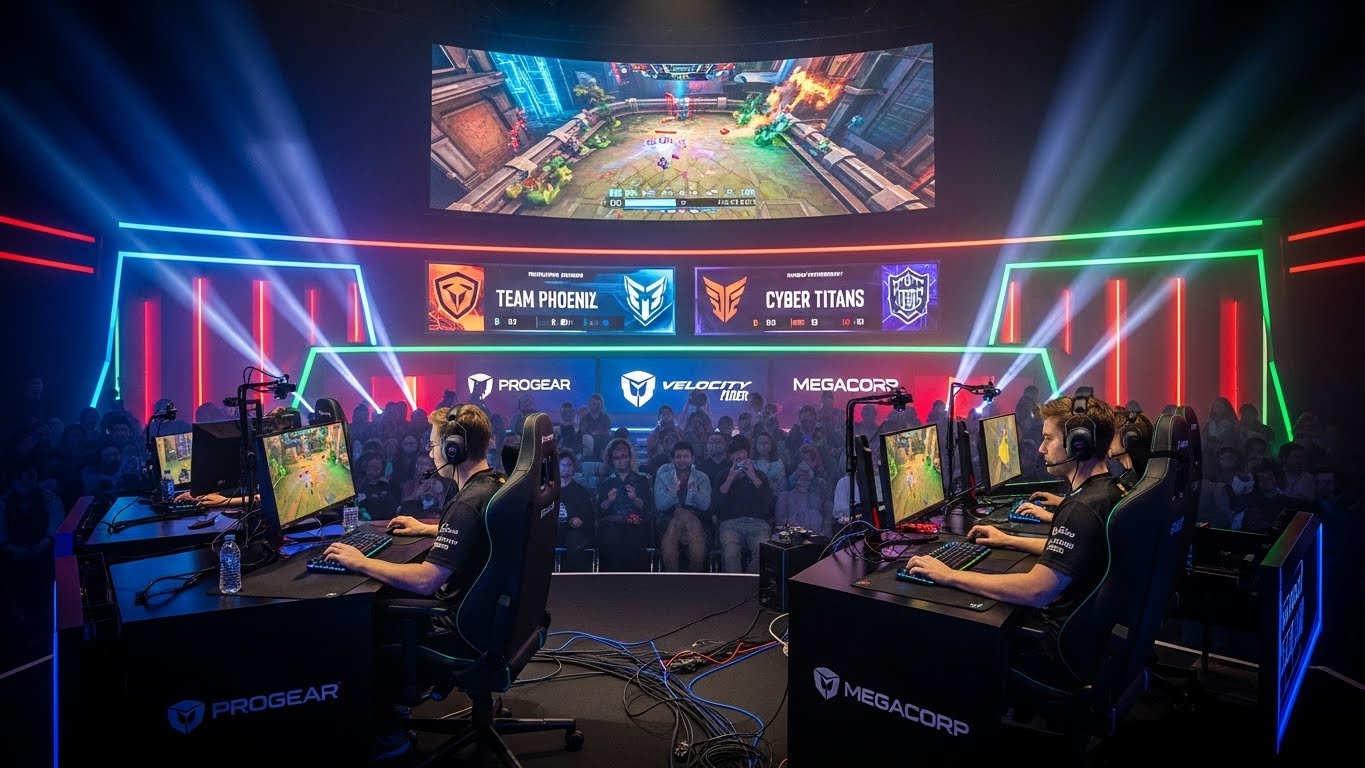
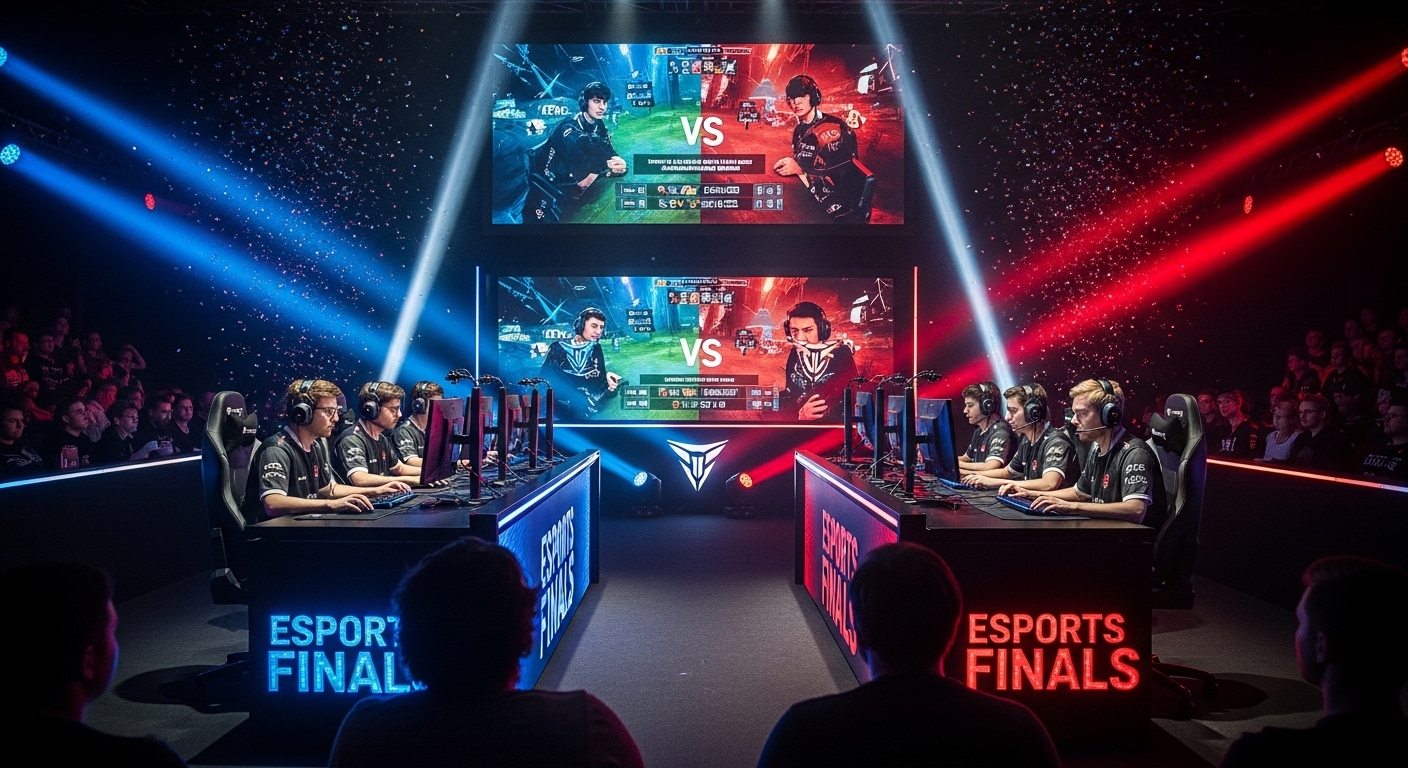
Esports, once a niche pastime enjoyed by a small group of enthusiasts, has grown into a multi-billion-dollar industry with millions of fans around the globe. What started as casual gaming competitions has transformed into a massive cultural and economic force that rivals traditional sports in terms of viewership, investment, and global reach. But how did esports rise to prominence? What factors fueled its growth, and what does the future hold for competitive gaming? This post will explore the evolution of esports, from its early days to its current status as a mainstream phenomenon, while highlighting the key elements that have contributed to its success.
The Early Beginnings: Humble Origins
The history of esports dates back to the early days of video gaming, when arcade games and home consoles were still in their infancy. The idea of organized competition first took shape in the 1970s and 1980s, when players began to compete against each other for high scores in games like Space Invaders and Pong. While these competitions were small and informal, they laid the groundwork for the competitive gaming culture that would follow.
In 1980, the first major video game tournament, the Space Invaders Championship, was held in the United States. It was a significant moment in the history of esports, as it marked the first time players from different regions came together to compete on a larger scale. However, despite its success, competitive gaming remained relatively obscure for several years.
The true birth of esports as we know it came in the 1990s, with the rise of multiplayer games and the expansion of the internet. Titles like Quake, Warcraft, and StarCraft became the foundation for the competitive gaming scene, as players could now compete against one another online. The launch of early competitive gaming leagues such as the Cyberathlete Professional League (CPL) in 1997 helped formalize esports as a legitimate competitive sport, setting the stage for its eventual explosion in popularity.
The Role of the Internet: Connecting the World
The internet played a crucial role in the growth of esports, providing a platform for players to compete against others around the world. With the widespread adoption of high-speed internet in the late 1990s and early 2000s, gaming communities began to thrive. Local Area Networks (LAN) allowed gamers to gather in physical spaces and compete in tournaments, but the ability to compete online meant that these tournaments could reach a global audience.
In the early 2000s, games like Counter-Strike, Warcraft III, and StarCraft became the focal point of online gaming tournaments. These games featured a competitive edge, requiring strategic thinking and teamwork, which made them ideal for organized competition. Major events began to attract sponsors and media attention, helping to solidify esports as a growing industry.
One of the key milestones in the evolution of esports was the development of streaming platforms. In 2011, Twitch was launched, providing a dedicated platform for gamers to stream their gameplay and interact with fans. The introduction of live streaming brought esports to a wider audience, allowing fans to watch live competitions from anywhere in the world. Twitch quickly became the go-to platform for gaming content, revolutionizing the way esports events were broadcasted and consumed. This shift in how gaming was shared with the public played a huge role in making esports accessible to mainstream audiences.
The Mainstream Breakthrough: Esports Goes Global
By the mid-2010s, esports had fully entered the mainstream. What had once been a hobby for a small group of dedicated players was now a global industry with millions of viewers. Major tournaments like the League of Legends World Championship and The International for Dota 2 attracted massive global audiences, and esports organizations began to operate like traditional sports teams, with players earning salaries, coaches providing strategy, and analysts helping improve team performance.
The popularity of esports grew rapidly, thanks in part to the rise of popular games like League of Legends, Dota 2, Overwatch, and Counter-Strike: Global Offensive. These games became pillars of the esports ecosystem, with international tournaments offering multi-million-dollar prize pools. The success of Dota 2’s International, for example, saw prize pools grow from a few million dollars in its first year to over $40 million in 2021, drawing in massive crowds both online and at live events.
As esports expanded, so too did its audience. While traditional sports tend to attract a broad demographic of fans, esports largely caters to a younger audience—specifically those between the ages of 18 and 34. This demographic is highly engaged with digital media and gaming, making esports an ideal form of entertainment for this age group. Additionally, esports is global in nature, with fans tuning in from all corners of the world to watch their favorite teams compete. Whether it’s a League of Legends match in North America, a Dota 2 tournament in Europe, or a StarCraft competition in Korea, esports has become a universal language that transcends borders.
The Economics of Esports: Big Business and Big Money
The financial side of esports is equally impressive, as the industry has become a multi-billion-dollar enterprise. In 2020, the global esports market was valued at approximately $1.1 billion, and it is projected to continue growing in the coming years. This growth has been fueled by a combination of sponsorships, advertising, media rights deals, and merchandise sales.
Sponsorships play a central role in the economics of esports. Companies like Intel, Coca-Cola, Red Bull, and Nike have all invested heavily in esports, seeing it as a powerful marketing tool to reach younger audiences. In fact, major esports tournaments now feature sponsorships and advertisements in a manner similar to traditional sports events. Sponsorship deals can range from individual partnerships with esports players to major league-wide deals, further contributing to the industry’s financial success.
Another significant source of revenue for esports comes from media rights. As the popularity of esports has grown, so too has its appeal to broadcasters. Major events are now streamed on platforms like Twitch, YouTube, and Facebook, and media companies are increasingly investing in esports broadcasting rights. For example, Riot Games, the developer behind League of Legends, signed a deal with ESPN to broadcast the League of Legends World Championship on television, marking a significant step in the integration of esports into traditional media channels.
Prize pools are another major source of revenue in esports. As mentioned earlier, the prize pool for The International (the premier Dota 2 tournament) regularly exceeds $30 million, with players competing for millions of dollars in cash prizes. This financial reward has attracted the attention of professional gamers from around the world, who now see esports as a legitimate career path.
Esports and Its Cultural Impact
Beyond the financial and competitive aspects, esports has had a profound impact on culture. Esports has influenced everything from fashion and music to social media and streaming content. Many professional players and teams have become celebrities in their own right, with large followings on platforms like Twitter, Instagram, and YouTube. These influencers often use their platforms to connect with fans, promote brands, and create content that resonates with their audiences.
Esports has also sparked the rise of gaming-related content on social media. Content creators on platforms like YouTube and Twitch produce everything from highlight reels and gameplay tutorials to podcasts and vlogs about the esports lifestyle. These creators have become key figures in the esports ecosystem, and their influence has helped drive the culture surrounding competitive gaming.
Additionally, esports has created a sense of community for gamers. Online forums, fan groups, and team-based organizations provide fans with spaces to engage with one another, share their passion, and build friendships based on shared interests. This sense of community is one of the driving forces behind esports’ widespread appeal, as fans feel personally connected to the games, players, and teams they support.
The Future of Esports: What’s Next?
As esports continues to grow, its future seems incredibly promising. There are several trends and innovations that will likely shape the industry in the coming years.
One of the most notable trends is the increasing focus on mobile esports. With the rise of mobile gaming, particularly in regions like Southeast Asia and Latin America, mobile esports is becoming an important sector of the industry. Games like PUBG Mobile and Free Fire have garnered huge followings, and mobile esports tournaments are attracting sponsorships and media deals similar to their PC and console counterparts.
Another area of potential growth for esports is virtual reality (VR) and augmented reality (AR). As VR technology continues to evolve, it could lead to entirely new forms of esports competition, offering more immersive experiences for both players and viewers. Imagine a future where players compete in fully immersive virtual worlds, or where spectators can watch games from a first-person perspective in a virtual arena.
Additionally, esports is likely to continue expanding in terms of its global reach. While it has already gained significant popularity in North America, Europe, and East Asia, there is growing interest in esports in emerging markets like Africa and the Middle East. As internet infrastructure improves and mobile devices become more accessible, esports will continue to grow in these regions, creating new opportunities for players, teams, and brands.
Conclusion: The Lasting Legacy of Esports
Esports has come a long way since its humble beginnings as a niche hobby. What started as a casual pastime has evolved into a global, multi-billion-dollar industry that rivals traditional sports in many ways. The rise of streaming, the growth of online communities, the influx of investment, and the increasing professionalism of esports players have all contributed to its meteoric rise.