Introduction
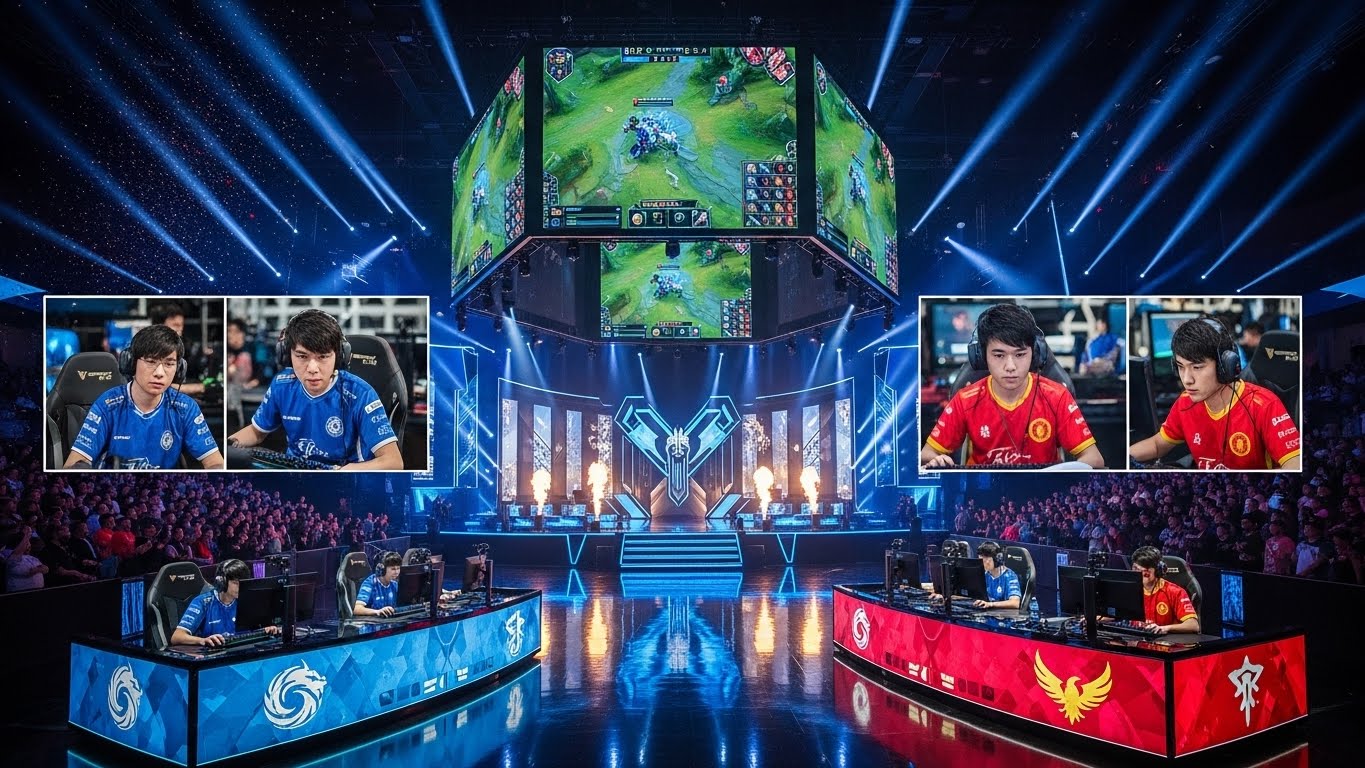
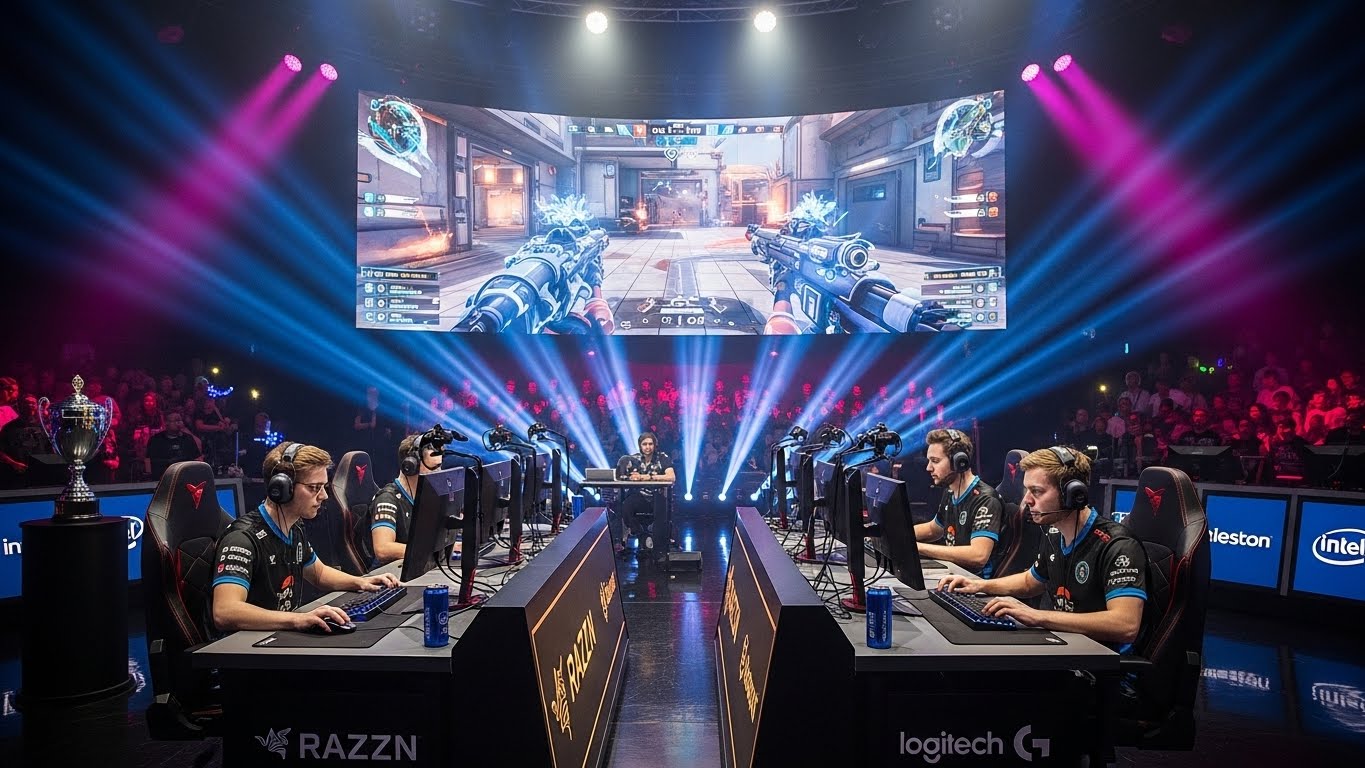
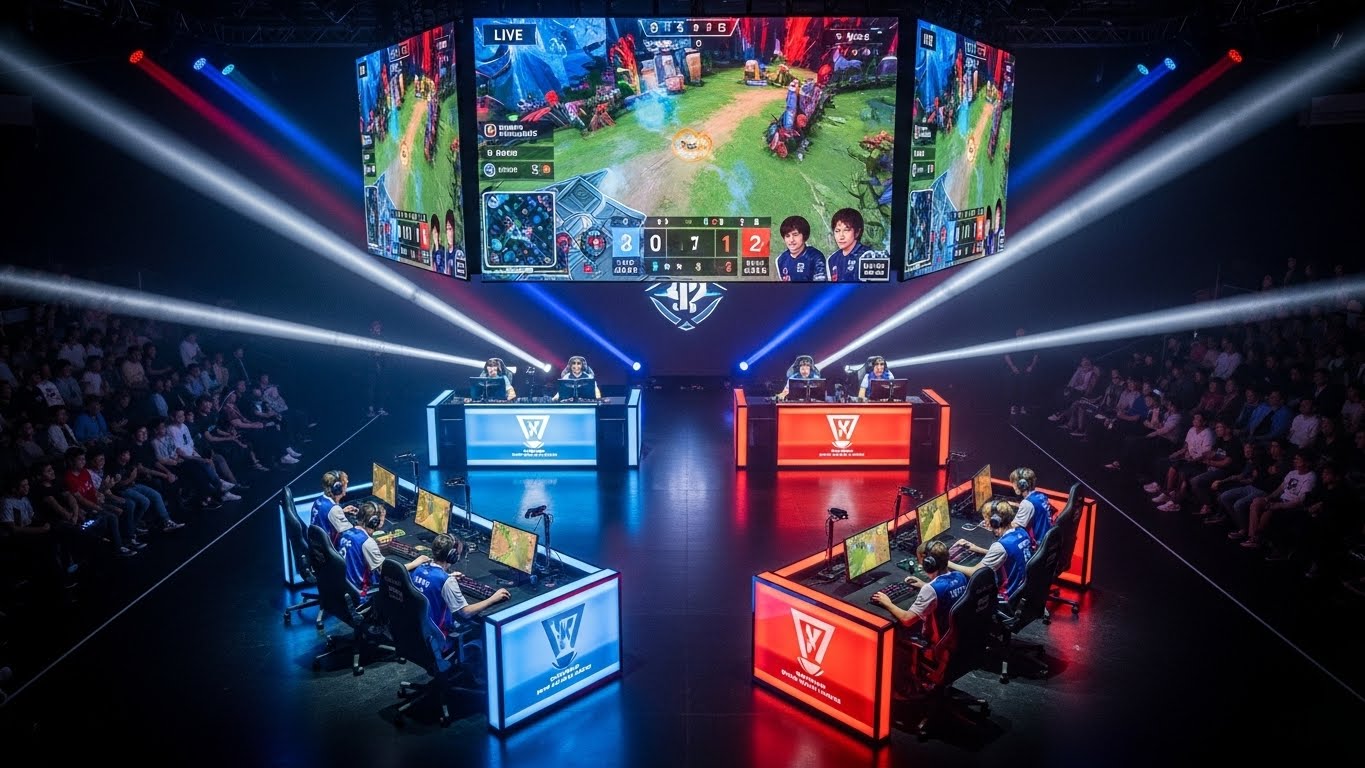
Esports, once a niche hobby for dedicated gamers, has transformed into a global phenomenon that attracts millions of viewers, professional players, and sponsors. What started as small tournaments among friends in internet cafes has grown into an industry worth billions of dollars, complete with professional leagues, sponsorships, and international recognition. Esports is not just about playing video games; it is a cultural revolution, an economic powerhouse, and a competitive arena where skill, strategy, and teamwork define success. This blog explores the evolution, cultural significance, challenges, and future potential of esports.
The Evolution of Esports
Esports traces its roots back to the late 1970s and 1980s when arcade games like Space Invaders and Pac-Man began to attract competitive players. The first official video game competition is often credited to the Space Invaders Championship in 1980, which drew thousands of participants across the United States. As technology evolved, gaming consoles and personal computers created opportunities for more sophisticated competitions.
The 1990s and early 2000s saw the emergence of professional leagues for games like StarCraft, Counter-Strike, and Warcraft. South Korea, in particular, became a hotspot for esports culture, with professional players gaining celebrity status and televised matches drawing massive audiences. By the 2010s, streaming platforms and high-speed internet allowed esports to reach global audiences, giving rise to multi-million dollar tournaments and franchises.
Today, esports includes a wide range of game genres, from first-person shooters and multiplayer online battle arenas to sports simulations and real-time strategy games. The industry has matured into a professional ecosystem with players, coaches, analysts, broadcasters, and managers.
Esports as a Cultural Phenomenon
Esports is more than just competitive gaming; it is a cultural force shaping entertainment, fashion, music, and media. Fans engage with esports in ways similar to traditional sports, attending live events, purchasing merchandise, and following players as role models. Popular tournaments attract audiences in the millions, rivaling major sporting events in viewership.
The culture of esports also emphasizes inclusivity and creativity. Unlike traditional sports, esports allows players from diverse backgrounds, genders, and ages to compete at the highest level. Fans form communities around their favorite games and players, sharing strategies, fan art, and even participating in cosplay. This sense of belonging makes esports not just an industry, but a social movement connecting people worldwide.
The Mental and Cognitive Demands of Esports
Esports requires far more than reflexes and fast fingers. Professional players undergo rigorous training to enhance mental focus, strategic thinking, and team coordination. Games demand high-level decision-making, multitasking, and situational awareness. Players often practice for eight to twelve hours a day, analyzing gameplay, refining strategies, and maintaining peak mental performance.
Unlike traditional sports that rely primarily on physical strength, esports emphasizes cognitive agility. Players must anticipate opponents’ moves, adapt to evolving scenarios, and maintain composure under pressure. Studies have shown that esports can improve problem-solving skills, reaction times, and memory, demonstrating that competitive gaming engages the brain in complex ways.
The Economics of Esports
The economic impact of esports is staggering. Sponsorships, media rights, advertising, merchandise, and tournament prize pools generate billions of dollars annually. Major corporations invest in esports teams and events to reach younger audiences, recognizing the marketing potential of this dynamic industry.
Professional players can earn substantial incomes from tournament winnings, sponsorships, and streaming revenue. Top esports tournaments offer prize pools that rival traditional sporting events, with some exceeding thirty million dollars. Beyond the players, the industry creates jobs for commentators, content creators, analysts, event managers, and software developers, forming a comprehensive economic ecosystem.
Esports as a Career Path
In recent years, esports has emerged as a legitimate career path. Aspiring players often begin in amateur leagues, gradually advancing to semi-professional and professional status. Scholarships and training programs offered by universities and private organizations provide formal pathways for players to develop their skills.
Coaching, game analysis, content creation, and event management also present viable career options beyond competitive play. Unlike traditional careers, esports offers the opportunity to combine passion with profession, making it particularly appealing to younger generations. However, success requires discipline, resilience, and the ability to balance gaming with personal well-being.
Challenges in Esports
Despite its rapid growth, esports faces several challenges. One of the main concerns is physical and mental health. Extended periods of gaming can lead to repetitive strain injuries, eye strain, and postural problems. Additionally, the competitive pressure and online scrutiny can contribute to stress, anxiety, and burnout.
Another challenge is inclusivity and representation. While esports is more accessible than many traditional sports, gender and regional disparities persist. Female players and teams often face stereotypes and limited opportunities, and some regions lack adequate infrastructure to support competitive gaming.
Regulation and governance are also evolving. Ensuring fair play, preventing cheating, and maintaining ethical standards are ongoing issues that the industry must address to sustain credibility and growth.
The Role of Technology in Esports
Technology drives esports at every level. High-performance computers, gaming consoles, and peripherals provide the tools for competitive play, while streaming platforms and virtual reality expand the way fans engage with the games. Data analytics allows teams to refine strategies, track performance, and optimize training regimens.
Artificial intelligence and machine learning are increasingly used to study player behavior and predict opponent strategies. Virtual reality and augmented reality offer immersive experiences, blurring the line between physical and digital competition. Technology is not only shaping gameplay but also redefining fan interaction and entertainment.
Esports and Education
Esports is gradually becoming integrated into educational institutions. Many colleges and universities now offer esports programs, combining gaming with academic learning in fields like game design, sports management, and digital media. Scholarships for esports athletes are helping talented students pursue education while developing their competitive skills.
Educational programs focus on teamwork, strategic thinking, communication, and problem-solving, demonstrating that esports can contribute to personal growth beyond gaming. By promoting structured training, discipline, and collaboration, esports is carving a niche as an educational and developmental tool.
The Social Impact of Esports
Esports fosters social interaction and community building. Players and fans form online and offline communities, connecting over shared interests and experiences. Livestreams, tournaments, and forums provide spaces for collaboration, discussion, and mentorship.
Moreover, esports has shown potential for positive societal impact. It offers avenues for youth engagement, mental stimulation, and skill development. Charitable events and community initiatives organized by esports teams highlight the sector’s capacity to contribute to social good.
The Future of Esports
The future of esports is promising and multifaceted. Global audiences are expanding, professional leagues are becoming more sophisticated, and technology is continuously enhancing the gaming experience. Innovations such as virtual reality competitions, AI-driven training, and interactive fan engagement will redefine how players and fans experience esports.
Esports is likely to gain greater recognition in mainstream sports circles, with discussions of inclusion in major international competitions. With proper infrastructure, governance, and education, esports has the potential to become as influential and respected as traditional sports.
Conclusion
Esports has evolved from a simple pastime into a global cultural and economic phenomenon. It challenges traditional notions of sports, emphasizing cognitive skill, strategy, and teamwork while offering unique opportunities for career development, entertainment, and social engagement.
While the industry faces challenges in health, inclusivity, and governance, its growth trajectory is undeniable. Esports is a reflection of modern society’s digital evolution, where passion, skill, and technology converge. As millions of fans and players continue to participate, watch, and innovate, esports is not just a game. It is a transformative movement shaping the way the world competes, connects, and thrives.