The Emergence of Esports
Over the past two decades, a quiet revolution has unfolded in the world of entertainment. Esports, or electronic sports, has moved from being a niche pastime to a multi-billion-dollar industry, drawing millions of viewers and creating a global fan base. Once relegated to the realms of arcade competitions and basement LAN parties, esports is now a global phenomenon with its own dedicated leagues, massive tournament prize pools, sponsorships, and celebrity athletes. What was once a hobby is now a full-fledged career and entertainment platform that rivals traditional sports in many ways.
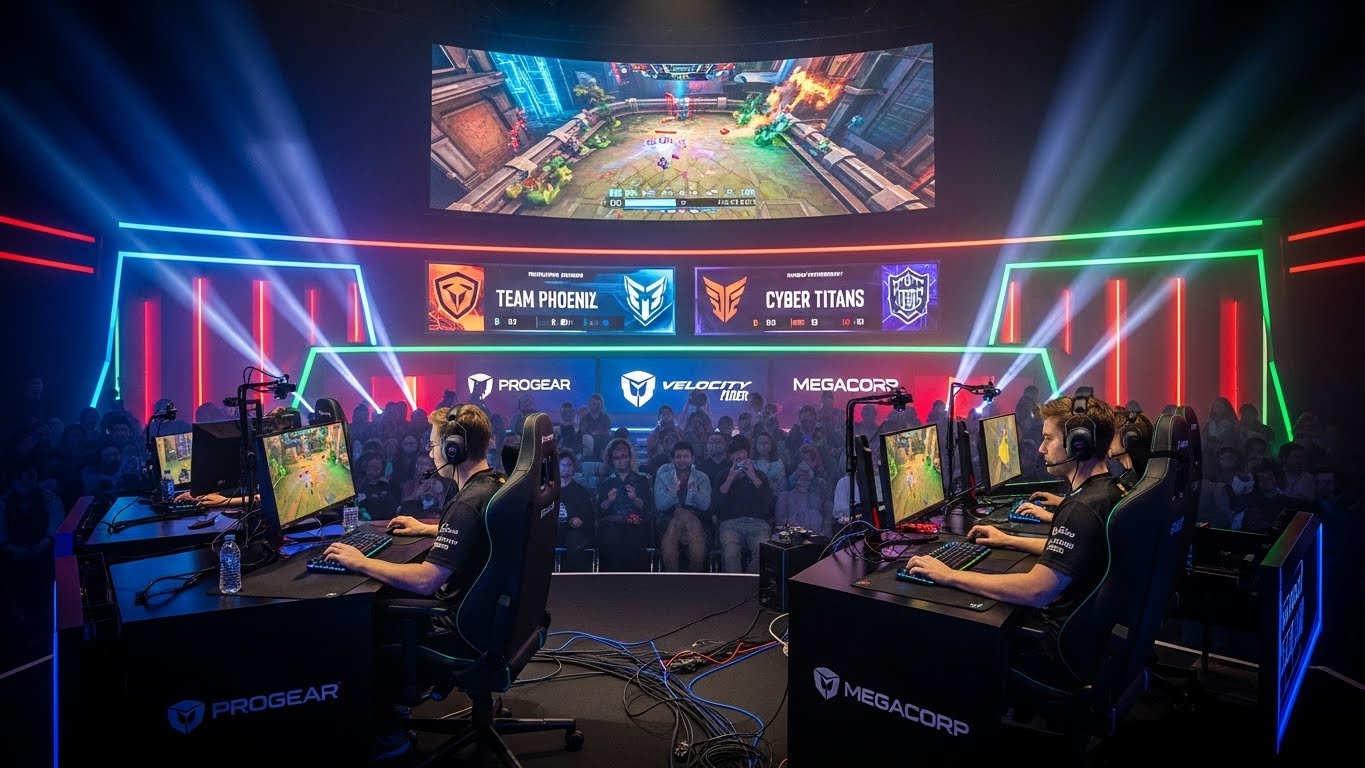
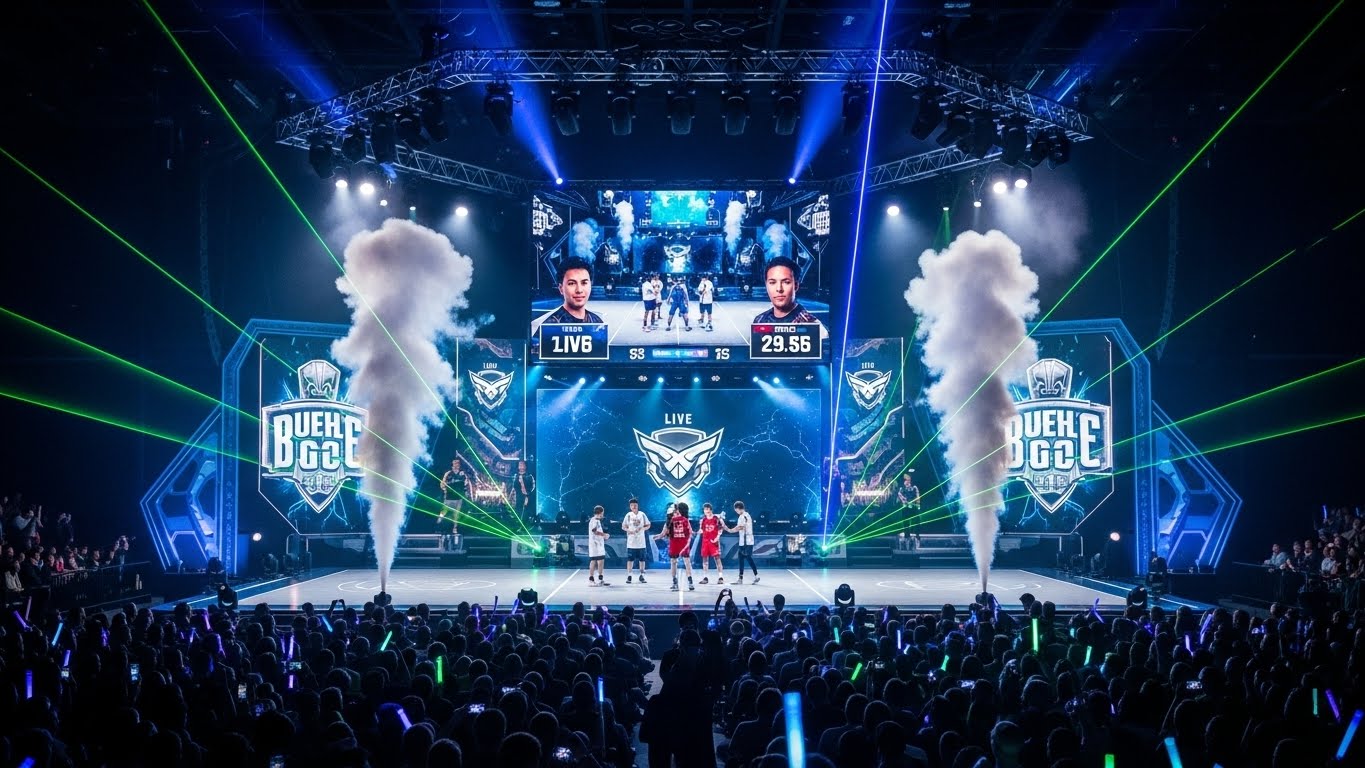
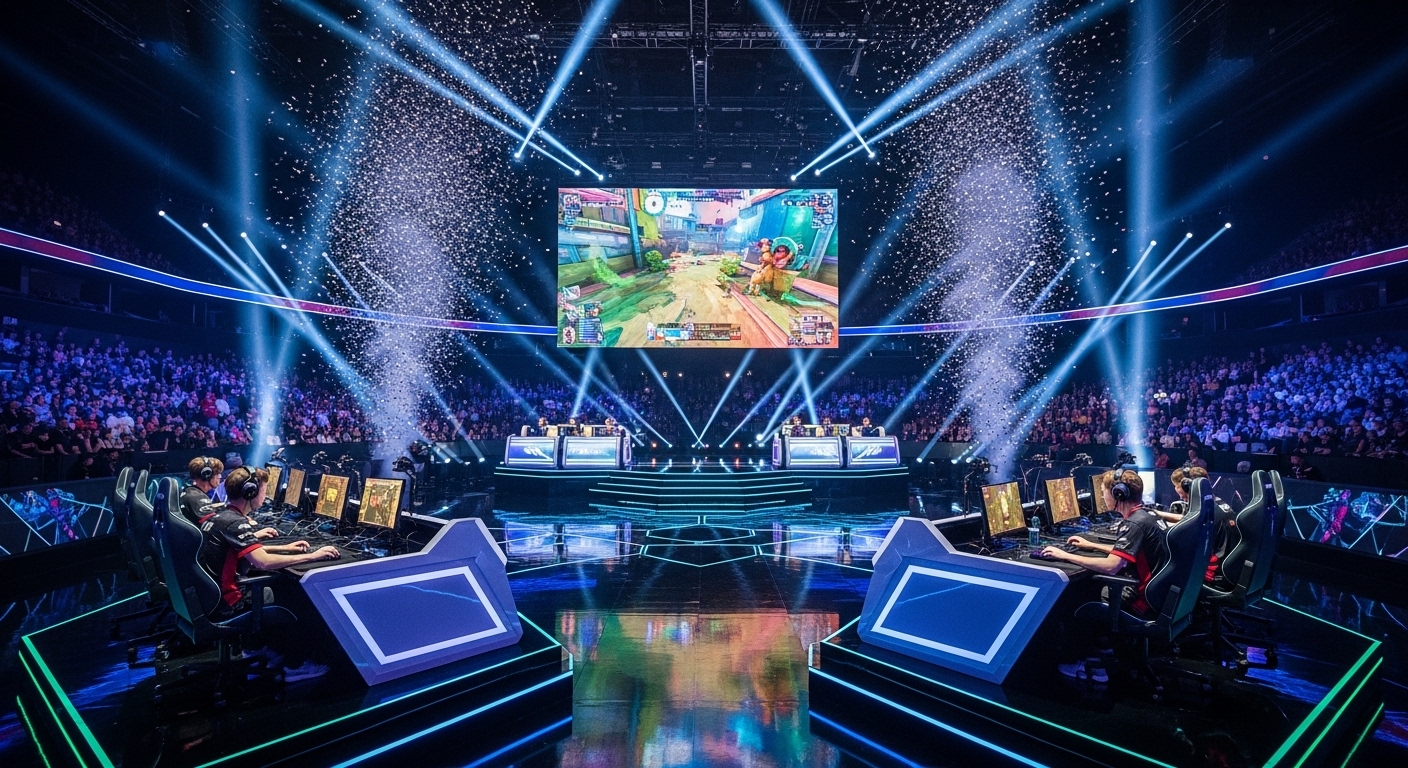
Esports has become one of the most engaging and fastest-growing industries in the world. Competitive gaming events are not only watched by millions on streaming platforms but are also hosted in giant arenas where spectators cheer on their favorite teams. This transition from small, informal events to large-scale competitions has been fueled by the digital age’s connectivity, technological innovations, and a passionate community. In this blog post, we will dive deep into the world of esports, examining how it evolved, its cultural impact, and what the future holds for this global sport.
The Early Days: From Casual Gaming to Competition
To understand the phenomenon that is esports, we first need to look back at its origins. The seeds of competitive gaming were planted in the late 1980s and early 1990s, when arcade games like “Pac-Man” and “Space Invaders” became popular. Back then, players would compete for the highest scores, often challenging each other in friendly rivalry. But it wasn’t until the 1990s and early 2000s that competitive gaming truly began to take shape.
The creation of online multiplayer games like “Quake” and “StarCraft” paved the way for more structured competitions. Players could connect over the internet and face off against each other in real-time, which led to the first organized gaming tournaments. These competitions were small, often taking place in local internet cafes or small LAN events. But it was during the late 1990s and early 2000s that esports began to grow exponentially, thanks to games like “Counter-Strike” and “Warcraft III.”
The advent of broadband internet made it easier for players to connect from different parts of the world, setting the stage for international tournaments and a truly global esports community. The development of platforms like Twitch in 2011 allowed players to broadcast their games to a worldwide audience, which not only expanded the reach of esports but also solidified its position as a serious form of entertainment.
The Rise of Esports: Global Events and Professional Leagues
With the rapid advancement of technology and the rise of digital platforms, esports began to reach new heights. Games like “League of Legends,” “Dota 2,” and “Overwatch” became household names, with dedicated professional leagues, teams, and tournaments. The landscape of esports started to resemble traditional sports, with players signing contracts with professional organizations, competing in league matches, and traveling around the world for tournaments.
One of the most iconic moments in esports history was the League of Legends World Championship, where teams from all corners of the globe compete for a massive prize pool and the title of the best team in the world. Similarly, the International Dota 2 Championship has become a spectacle in itself, drawing millions of viewers and offering some of the largest prize pools in esports history.
In addition to individual games having their own leagues, companies like Blizzard, Riot Games, and Valve started investing heavily in esports by organizing massive tournaments with prize pools in the millions. These companies also created ecosystems where players, teams, and sponsors could thrive, creating a self-sustaining industry. Esports organizations, similar to sports teams, now have management, coaches, analysts, and support staff to ensure that their players have the resources they need to succeed. Major brands such as Coca-Cola, Nike, and Intel have become sponsors of esports leagues, bringing in significant investment and further legitimizing the sport.
The Players: Modern-Day Athletes
Esports players are more than just gamers; they are professional athletes who dedicate hours every day to perfecting their craft. In fact, the life of a professional esports player is much like that of any top-tier athlete. Players spend hours training, studying their opponents, and developing strategies to improve their gameplay. Teams often practice together in training camps, working on coordination, communication, and in-game tactics.
The mental and physical demands placed on esports athletes are immense. Just like traditional sports, players need excellent hand-eye coordination, quick reflexes, and the ability to think strategically under pressure. A single mistake can cost a game, which is why players need to be laser-focused throughout the competition. Many esports players also face pressure from their fans, sponsors, and the weight of being seen as representatives of their respective organizations.
Interestingly, esports players also face challenges that their traditional sports counterparts might not. One of the biggest concerns for professional players is burnout. Due to the intense schedules, long practice hours, and constant travel, many players experience mental fatigue that affects their performance. Additionally, many professional esports players retire early, often in their mid-to-late 20s, as the demands of professional play take a toll on their well-being.
The Audience: A New Generation of Fans
One of the key aspects of esports’ success is its massive fanbase. Unlike traditional sports, where viewership is often confined to specific geographical locations or stadiums, esports has an inherently global appeal. Thanks to the internet, anyone with a computer or mobile device can tune in to watch the action unfold, whether they’re at home or on the go.
Streaming platforms like Twitch and YouTube Gaming have played a crucial role in this global reach. They allow fans to watch live competitions, engage with players and commentators, and even participate in the action through interactive features like live chats and donations. Esports has become a spectator sport in its own right, with millions of fans tuning in to watch games, tournaments, and streams. These platforms have helped foster a vibrant community where fans can interact with each other, share content, and celebrate their favorite players and teams.
Esports is also a social experience. Fans connect not only with players but with other fans, forming online communities centered around their favorite games. Whether it’s through fan clubs, Discord channels, or Reddit threads, the interaction between players and their audience has created a sense of belonging that transcends borders and cultures.
The Economics of Esports: Sponsorships, Merchandising, and Prize Pools
Esports is not just a sport; it’s also a thriving business. The esports industry is driven by a combination of sponsorships, advertising, merchandise sales, ticket sales, and digital content creation. As the popularity of esports has soared, so too has the amount of money flowing into the industry.
Sponsorships have played a huge role in the financial success of esports. Major corporations, from tech companies to consumer goods, have begun investing in esports to tap into its lucrative audience of young, tech-savvy individuals. Brands like Red Bull, Intel, and Nike have partnered with esports teams, leagues, and tournaments, creating a symbiotic relationship that benefits both the sport and the sponsors.
Prize pools in esports tournaments have also reached astronomical levels. The International Dota 2 Championship, for example, regularly offers prize pools that exceed $30 million, attracting the best players in the world to compete for a share of the winnings. These large prize pools have not only increased the visibility of esports but have also motivated aspiring players to turn professional.
In addition to sponsorships and prize money, esports organizations also generate revenue through merchandise sales and digital content. Fans can buy jerseys, posters, and other branded items to support their favorite teams. Content creators, such as streamers, also make money through ad revenue, subscriptions, and donations from their fanbase. This diverse range of revenue sources has made esports a multi-faceted industry, one that continues to expand rapidly.
The Future of Esports: What’s Next?
As esports continues to grow, its future looks incredibly promising. The rise of technologies like virtual reality (VR) and augmented reality (AR) could significantly impact the way games are played and watched. Imagine a future where fans can immerse themselves in virtual stadiums or watch esports matches through AR glasses, bringing the action even closer to home.
Esports is also beginning to gain recognition as a legitimate sport on the global stage. The potential inclusion of esports in the Olympic Games has sparked conversations about the future of competitive gaming. Many argue that esports requires the same level of skill, training, and dedication as traditional sports, making it a worthy addition to the Olympic roster.
Another exciting development is the increasing role of universities and educational institutions in the esports industry. More and more colleges are offering scholarships for esports players, and academic programs focused on game design, management, and marketing are gaining traction. This growing academic involvement will help nurture the next generation of esports professionals, from players to coaches and analysts.
Conclusion: The Digital Age of Competitive Gaming
Esports has come a long way since its humble beginnings in the arcades of the 1980s. Today, it is a global industry that spans continents, attracts millions of fans, and provides professional opportunities for players and staff alike. With its explosive growth, esports is carving out its own space in the world of competitive sports, bringing together technology, entertainment, and culture in ways never seen before.
As esports continues to evolve, it will undoubtedly continue to challenge traditional notions of competition and entertainment. The digital revolution that started with a few players gathering for local competitions has now become a worldwide spectacle. And as technology continues to advance, the future of esports promises to be even more exciting, immersive, and global than ever before.