Introduction: The Rise of Esports
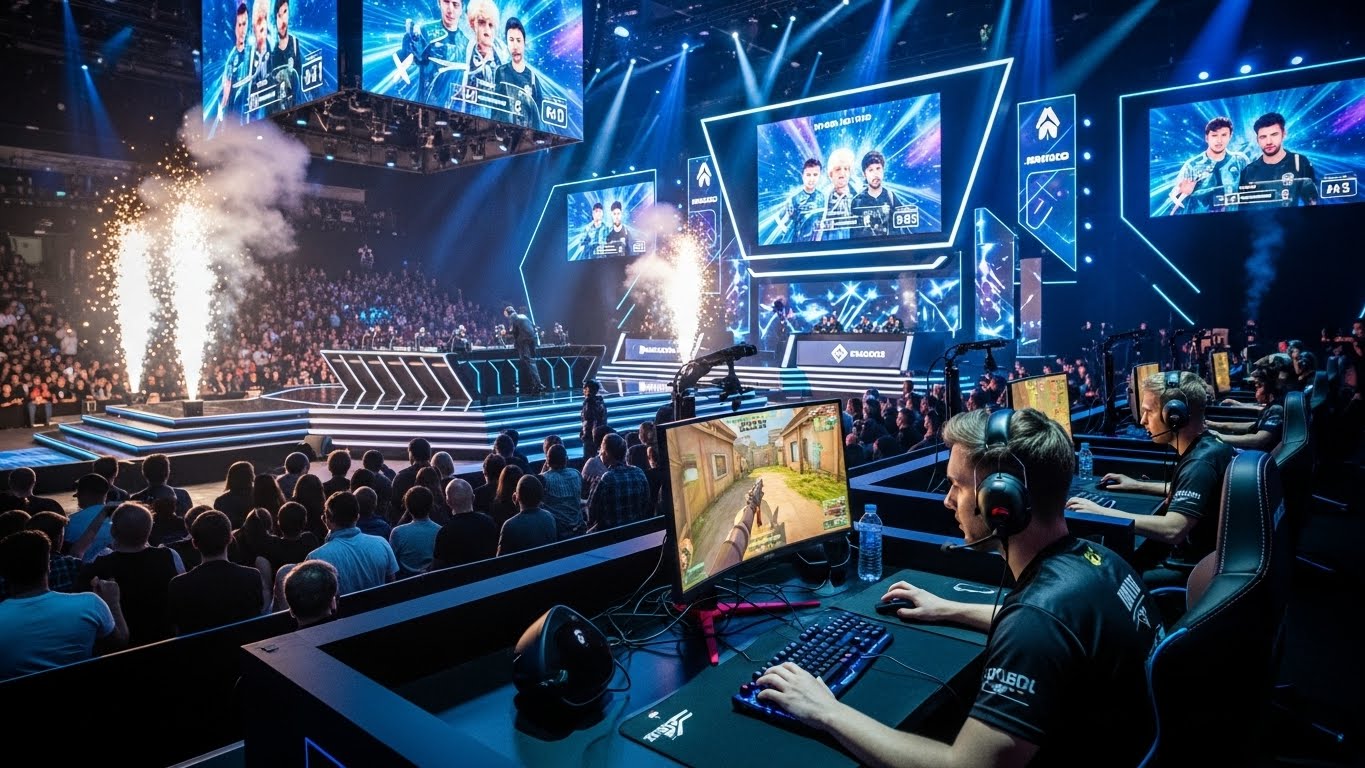
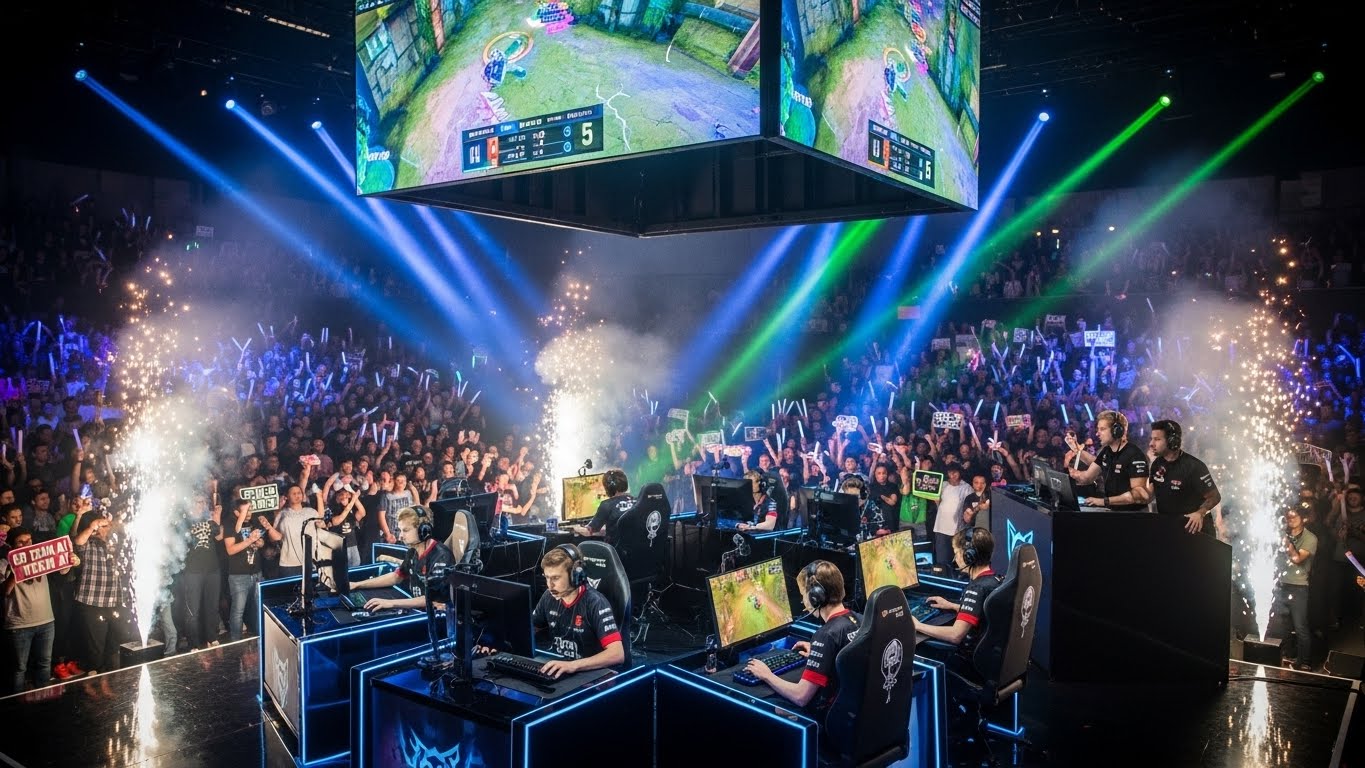
In the last decade, esports has transformed from a niche hobby into a global phenomenon. What was once seen as casual gaming is now a highly competitive arena where professional players compete for fame, fortune, and international recognition. Esports is more than just playing video games; it combines strategy, skill, teamwork, and mental endurance. With millions of fans worldwide, tournaments filling stadiums, and prize pools rivaling traditional sports, esports has established itself as a legitimate competitive platform. This blog explores the growth, impact, and future of esports, highlighting its cultural, social, and economic significance.
The Evolution of Esports
Esports has a rich history that traces back to the early days of video games. In the 1970s and 1980s, arcade competitions and early console tournaments laid the groundwork for organized gaming contests. Titles like Pac-Man, Street Fighter, and later StarCraft became staples in competitive gaming. The introduction of the internet accelerated esports growth, allowing players to compete globally and stream their gameplay to audiences. By the 2000s, esports leagues, sponsorships, and professional teams emerged, marking the transition from hobbyist competitions to professional circuits. Today, esports encompasses various genres, including first-person shooters, real-time strategy, fighting games, and multiplayer online battle arenas, each attracting specialized audiences.
Mental and Cognitive Benefits of Esports
While esports is often criticized as sedentary, it provides substantial cognitive benefits. Competitive gaming enhances problem-solving, strategic thinking, and quick decision-making. Players develop mental agility as they adapt to unpredictable scenarios, manage multiple objectives, and anticipate opponents’ moves. Esports also improves hand-eye coordination, reflexes, and multitasking abilities. Beyond cognitive skills, participating in esports fosters patience, resilience, and focus, qualities essential both in gaming and in real-world challenges. The mental discipline required in esports rivals that of traditional sports, making it a legitimate avenue for personal development.
Teamwork and Communication in Esports
Many esports games, particularly multiplayer team-based titles, emphasize collaboration and communication. Teams must coordinate strategies, assign roles, and execute plans in real-time, often under intense pressure. Effective communication ensures that every member understands objectives, responds to threats, and maximizes team efficiency. Leadership and teamwork skills developed in esports are transferable to professional and social environments, enhancing collaboration and interpersonal abilities. Esports also encourages inclusivity, as teams often consist of members from diverse backgrounds, cultures, and languages, promoting cross-cultural understanding and global cooperation.
Esports as a Career
Esports has become a viable career path for players, coaches, analysts, and content creators. Professional players earn income through tournament winnings, team salaries, and sponsorships. Top-tier esports tournaments offer prize pools that can exceed millions of dollars, rivaling earnings in traditional sports. Beyond competing, esports careers extend to coaching, game analysis, event organization, and streaming. Content creators and influencers build brands through social media platforms and live streams, creating additional revenue streams. The professionalization of esports demonstrates that gaming is no longer merely a pastime but a legitimate profession with growth opportunities.
The Social Impact of Esports
Esports has redefined social interaction in the digital age. Online communities allow players to connect with others who share similar interests, forming networks and friendships that span the globe. Competitive gaming fosters social engagement, collaboration, and communication skills. Esports events, both online and offline, create shared experiences and entertainment for fans, enhancing cultural and social bonds. Furthermore, esports challenges stereotypes about gaming being isolating or unproductive, showing that it can build teamwork, discipline, and a sense of belonging.
Economic Significance of Esports
Esports has evolved into a multi-billion-dollar industry, generating revenue through sponsorships, advertising, ticket sales, merchandise, and media rights. Companies invest in esports to reach younger audiences, promote products, and gain brand visibility. Gaming organizations and franchises operate similarly to traditional sports teams, managing player contracts, marketing, and event participation. Streaming platforms and content creation add another layer of economic opportunity, allowing players and influencers to monetize their skills and personalities. The financial ecosystem of esports illustrates its role as a powerful economic driver with a global impact.
Technology and Innovation in Esports
Technology has been central to the growth of esports. High-performance gaming equipment, fast internet connections, and sophisticated software enable competitive play at professional levels. Data analytics are used to optimize strategies, track performance, and study opponents. Virtual reality and augmented reality are beginning to introduce immersive gaming experiences, expanding the boundaries of esports. Streaming technology allows millions of viewers to watch tournaments live, bridging gaps between players and fans. As technology continues to evolve, esports will become more immersive, accessible, and engaging for both participants and audiences.
Esports in Education
Esports is increasingly integrated into educational programs, from high school clubs to university scholarships. Educational institutions recognize that esports cultivates critical thinking, teamwork, and leadership skills. Colleges offer scholarships to talented players, similar to traditional athletic programs. Esports programs also promote digital literacy, strategic planning, and career readiness. By legitimizing gaming in academic settings, esports contributes to the holistic development of students, providing both recreational and professional pathways.
The Global Popularity of Esports
Esports has a truly global presence, with strong followings in North America, Europe, and Asia. Countries like South Korea, China, and the United States are leaders in professional esports, hosting major tournaments and cultivating world-class talent. The international appeal of esports transcends language and culture, creating a shared entertainment experience that unites players and fans worldwide. Global esports events attract massive audiences, both in arenas and online, demonstrating the universal appeal of competitive gaming. The popularity of esports reflects broader trends in digital culture, entertainment, and youth engagement.
Challenges Facing Esports
Despite its rapid growth, esports faces challenges. Concerns about mental health, burnout, and physical strain are common among professional players. Addiction and excessive screen time are societal concerns that need addressing. The lack of standardized regulations, inconsistent career stability, and controversies around fairness and cheating also pose obstacles. Additionally, esports must navigate cultural skepticism in some regions, where gaming is not yet widely recognized as a legitimate sport or career. Overcoming these challenges is essential for sustaining the long-term growth and credibility of esports.
The Future of Esports
The future of esports looks promising, with expansion into emerging markets, technological innovation, and mainstream acceptance. Virtual reality, augmented reality, and cloud gaming will make esports more immersive and accessible. The integration of esports into educational institutions will grow, offering more scholarships and structured programs. Increased investment from sponsors and media companies will further professionalize the industry. Socially, esports will continue to break barriers, promoting diversity, inclusion, and global connectivity. As esports matures, it will cement its position as a major component of modern entertainment, competition, and digital culture.
Conclusion: Esports as a Cultural Phenomenon
Esports has evolved from casual gaming to a global cultural phenomenon. It combines skill, strategy, mental resilience, and teamwork, providing both participants and spectators with meaningful experiences. The industry drives economic growth, creates career opportunities, and promotes social interaction and inclusivity. Technology, innovation, and globalization continue to shape its evolution, ensuring esports remains dynamic and accessible. Beyond entertainment, esports reflects the changing nature of competition, community, and professional opportunity in the digital age. Embracing esports is not just about gaming; it is about recognizing the transformative impact of digital competition on society, culture, and human potential.