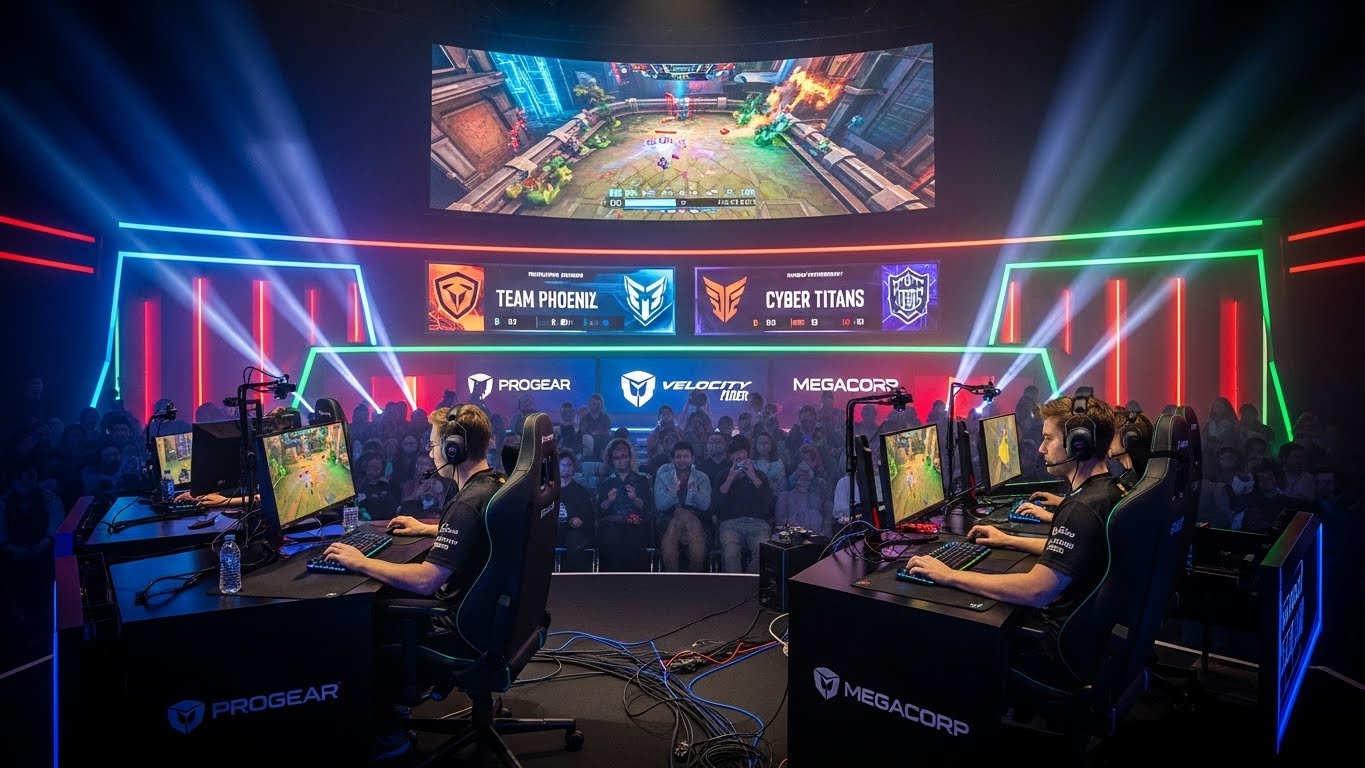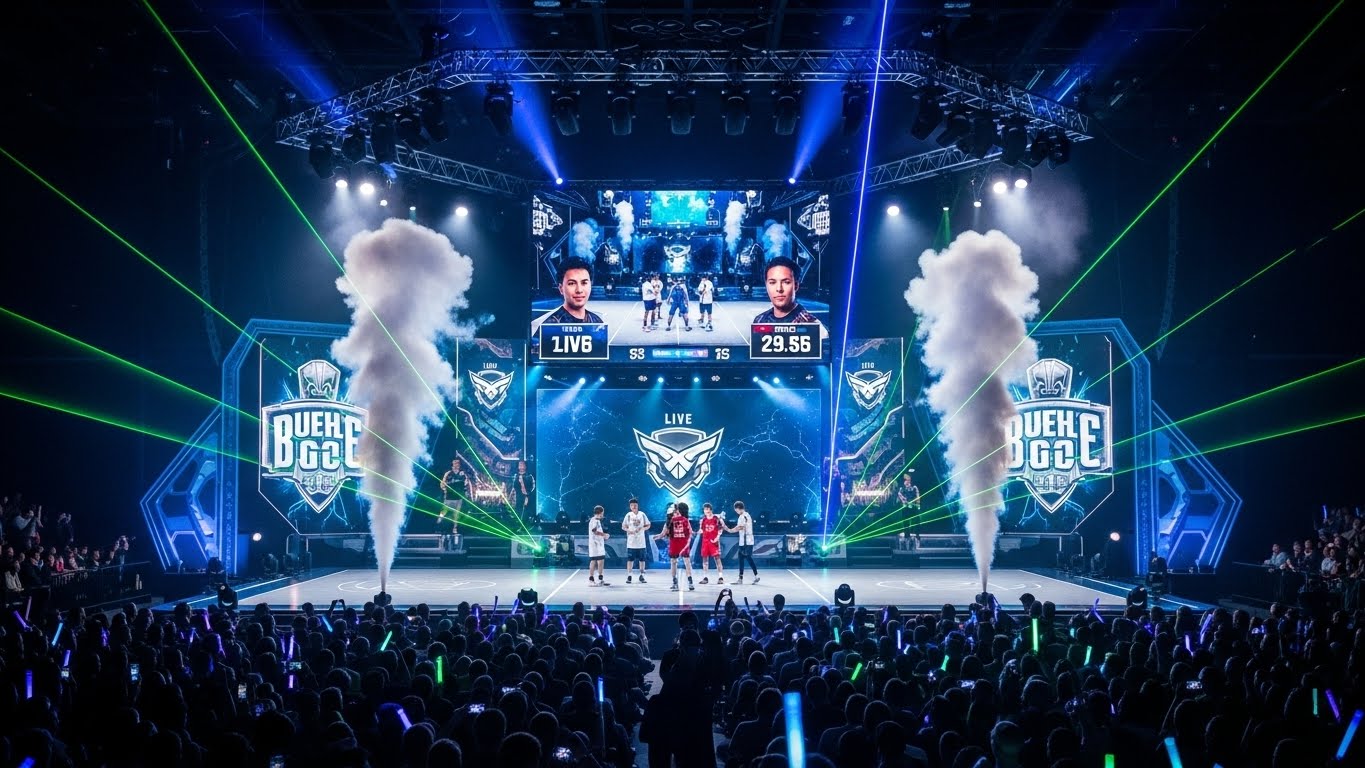

Esports has grown into a global phenomenon over the past decade, fueled not only by thrilling competitions and professional players but also by the communities that form around games and teams. Unlike traditional sports, esports fandom is primarily digital, meaning fans connect online rather than in physical stadiums. These digital spaces allow players, viewers, and enthusiasts to share experiences, strategies, and culture, often creating tightly-knit communities that rival those of traditional sports.
Online communities are the lifeblood of esports. They provide fans with belonging, entertainment, and a platform to express their passion. From Reddit forums to Discord servers, Twitch streams to Twitter conversations, esports fans have transformed the internet into a living, breathing ecosystem of shared enthusiasm. This blog explores how esports fans build online communities, why they thrive, and the impact they have on the industry as a whole.
Understanding Online Esports Communities
Online communities are spaces where individuals gather virtually to share interests, discuss topics, and engage in collaborative experiences. In esports, these communities are unique because they merge entertainment, competition, and social interaction. Fans don’t just watch games—they participate in strategies, memes, fan art, and discussions.
Several factors distinguish esports communities from general gaming or entertainment forums:
- Interactivity: Fans often participate in live chats, vote in polls, or engage with creators in real-time.
- Shared Passion: Community members unite around a specific game, team, or player.
- Content Creation: Fans create memes, highlight reels, tutorials, and cosplay content, adding to the community’s identity.
- Support and Guidance: Members share tips, advice, and mentorship for newer players, fostering growth.
These factors create a sense of belonging and purpose, making esports communities incredibly resilient and self-sustaining.
Platforms Where Esports Communities Thrive
Esports fans leverage a variety of online platforms to connect, each offering unique ways to engage:
1. Discord Servers
Discord is a hub for real-time communication, allowing fans to chat via text, voice, or video. Many esports organizations, teams, and tournaments run official servers, creating spaces for fans to interact directly with each other and sometimes with players themselves.
Fan-run servers also thrive, often providing discussion channels for news, strategy guides, fan art, and memes. Discord allows for community events such as watch parties, trivia contests, or live Q&A sessions with players.
2. Reddit Communities
Subreddits like r/leagueoflegends, r/DotA2, and r/Valorant host large, active forums where fans discuss updates, share content, and debate strategies. Reddit provides a structured environment for long-form discussion and user-generated content, making it ideal for deep community engagement.
These subreddits often influence esports trends, popular memes, and community sentiment, demonstrating the power of collective fan voices.
3. Twitch Chat and Streaming Communities
Twitch is where fans watch live matches, interact with streamers, and participate in shared experiences. Live chat allows real-time reactions, creating a sense of presence even across continents.
Many streamers develop subscriber-only or moderated communities where fans interact more closely, forming strong sub-communities around particular personalities or teams. Twitch chat also fosters inside jokes, memes, and a unique culture that defines the esports viewing experience.
4. Twitter, Instagram, and TikTok
Social media platforms amplify esports fan interactions. Twitter allows instant reactions to game results, news, and announcements, while Instagram and TikTok enable creative expression through clips, memes, and artwork.
Hashtags, challenges, and viral content help communities expand beyond core players, drawing casual fans into the fold and reinforcing shared identity.
5. YouTube Communities
YouTube serves as a repository for highlights, tutorials, and fan-created content. Fans can comment, collaborate, and remix videos, creating secondary communities around content rather than live events. Channels that host esports analysis, lore deep-dives, or highlight reels often become hubs for discussion and fan bonding.
How Fans Organize Online Communities
Esports communities are self-organizing and often adopt structures similar to traditional organizations:
1. Roles and Moderation
Communities establish roles such as moderators, event organizers, and content curators. These roles help maintain order, enforce rules, and guide discussions, ensuring that communities remain welcoming and productive.
2. Subgroups and Specialization
Within larger communities, subgroups form around specific interests—such as gameplay strategy, fan art, or regional teams. This specialization allows members to find like-minded fans and contribute meaningfully.
3. Events and Competitions
Communities host events such as amateur tournaments, trivia nights, and watch parties. These activities strengthen bonds between members, provide entertainment, and encourage active participation.
4. Shared Language and Culture
Esports communities develop their own slang, memes, and cultural references. Terms like “GG” (good game), “nerf,” or game-specific strategies become shorthand that reinforces belonging and identity.
Ways Fans Foster Engagement
Active engagement is key to community growth. Fans employ various methods to keep their communities vibrant:
- Content Sharing: Fans post memes, videos, and artwork to keep the community lively.
- Collaboration: Members work together on fan projects, guides, or charity events.
- Feedback Loops: Fans provide feedback to developers or teams, influencing decisions and giving members a sense of ownership.
- Recognition: Highlighting contributors, top players, or creative content strengthens loyalty and motivates participation.
The Impact of Fan Communities on Esports
Fan-driven communities have profound effects on the esports ecosystem:
1. Growth of the Industry
Communities increase viewership, engagement, and brand visibility, driving sponsorships, merchandise sales, and tournament popularity.
2. Talent Discovery
Many professional players are discovered through fan tournaments, streaming, or community exposure. Communities act as talent incubators.
3. Influence on Game Development
Developers often listen to community feedback for game balance, new features, or esports rules. Fans indirectly shape the competitive landscape.
4. Strengthening Team Loyalty
Communities help teams build emotional connections with fans, increasing loyalty, merchandise sales, and long-term support.
Challenges in Building Online Communities
While vibrant, esports communities face challenges:
- Toxicity and Harassment: Competitive environments can foster negative behavior that discourages participation.
- Fragmentation: Multiple platforms and sub-communities can divide fans and dilute engagement.
- Misinformation: Rumors or false news can spread quickly in large communities.
- Platform Dependence: Over-reliance on one platform (like Discord or Twitch) makes communities vulnerable to policy changes or outages.
Strategies for Sustainable Communities
To overcome these challenges, fans and organizations adopt strategies such as:
- Establishing clear rules and moderation policies.
- Encouraging positive behavior through rewards, recognition, and inclusive initiatives.
- Creating cross-platform hubs to unite fragmented communities.
- Hosting regular events to maintain activity and engagement.
- Promoting mentorship and education for new members to ensure long-term growth.
Case Studies: Successful Esports Communities
1. Reddit r/LeagueofLegends
One of the largest and most active esports communities, r/LeagueofLegends hosts discussions, memes, news, and fan content. It has influenced tournament coverage and fostered global interaction between fans.
2. Discord Servers of Team Liquid
Team Liquid’s official Discord allows fans worldwide to interact, participate in exclusive events, and directly engage with the organization, building loyalty and community identity.
3. Twitch Sub-Communities Around Streamers
Streamers like Ninja, Pokimane, and Shroud maintain tightly-knit subscriber communities that support esports events, fundraisers, and collaborative projects, demonstrating how personality-driven spaces foster global fan engagement.
Future of Online Esports Communities
The future promises even more immersive and interactive community experiences:
- Virtual Reality (VR) Spaces: Fans may meet in VR arenas to watch live matches or socialize.
- Blockchain and NFT Integration: Ownership of digital collectibles could foster new types of engagement.
- AI-Powered Moderation: AI can maintain safe, inclusive spaces while enhancing interactivity.
- Cross-Game Collaboration: Communities may span multiple titles, uniting diverse fanbases under shared interests.
As technology evolves, esports fans will continue to innovate, creating richer, more immersive communities that redefine how people connect digitally.
Conclusion: The Heart of Esports
Esports is more than tournaments, players, or prize money—it’s about community. Fans build online spaces where passion, creativity, and social interaction thrive. These communities amplify engagement, foster loyalty, and shape the industry’s evolution.
Through Discord servers, Reddit threads, Twitch streams, and social media platforms, esports fans have shown that digital connection can be just as meaningful as physical presence. They demonstrate that fandom is not passive—it’s participatory, collaborative, and transformative.
Online communities are the backbone of esports, proving that while games may change, the spirit of shared enthusiasm and connection will always drive the industry forward.