
Introduction
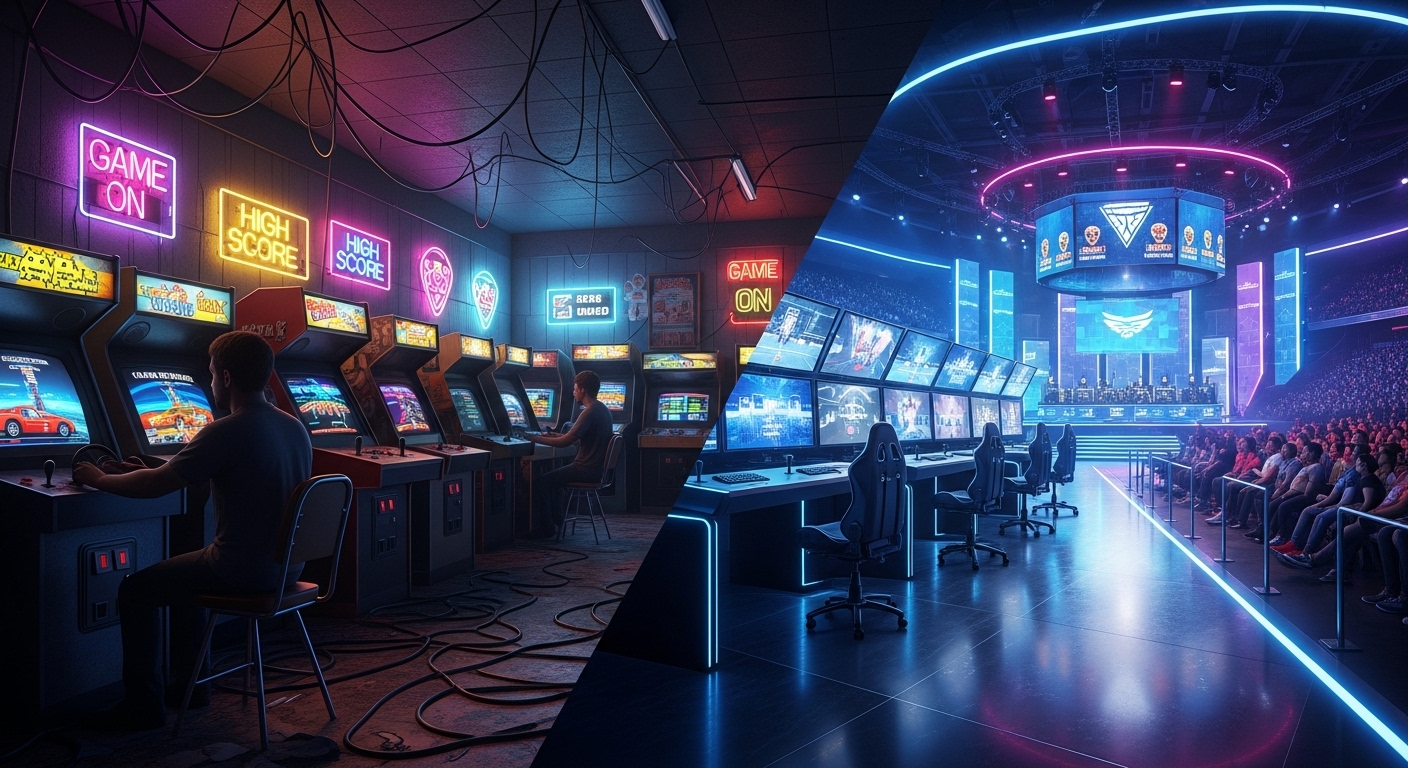
The world of competitive gaming, widely known as esports, has evolved from being a niche subculture to a billion-dollar global industry. Once confined to internet cafés and small tournaments, esports has grown into massive international events filling arenas, drawing millions of online viewers, and offering prize pools comparable to traditional sports. This rise has not gone unnoticed by mainstream sports organizations, investors, broadcasters, and fans.
Esports is no longer just about young people playing video games competitively. It is a highly organized ecosystem with professional players, coaches, sponsors, media rights, and loyal fan bases. In many ways, esports mirrors the structure of mainstream sports, from team franchises to leagues, but it also has unique qualities that make it distinct. The integration of esports into mainstream sports culture marks one of the most significant cultural shifts of the 21st century.
This blog explores how esports is breaking into mainstream sports, the driving forces behind this transformation, the challenges it faces, and what the future holds for this rapidly expanding industry.
The Rise of Esports
To understand how esports is entering mainstream sports, it is important to explore its rise over the past few decades. Video games have been part of entertainment culture since the late 20th century, but competitive gaming only began gaining traction in the 1990s with the growth of internet connectivity and multiplayer games. Titles like Counter-Strike, StarCraft, and later League of Legends and Dota 2 paved the way for esports to evolve into professional competitions.
The 2010s marked a turning point. Online streaming platforms allowed millions of fans to watch live tournaments, breaking down geographical barriers. Prize pools grew as sponsors recognized the massive youth audience attached to gaming. Soon, what started as small events became stadium-filling tournaments that rivaled the spectacle of mainstream sports championships.
Esports has now become a global industry with its own culture, icons, and institutions, positioning itself alongside traditional sports.
Shared Traits Between Esports and Mainstream Sports
Esports and traditional sports share many features that make the crossover into mainstream sports natural.
Structured Competitions
Like mainstream sports, esports has organized leagues and tournaments, complete with brackets, playoffs, and championship titles. These competitions are highly structured, professional, and often international in scope.
Professional Players and Teams
Just as athletes train for years to master their craft, esports players dedicate countless hours to improve their skills. Professional esports players are recruited by teams, sign contracts, and are supported by coaches, analysts, and even fitness trainers.
Fan Culture
Fans in esports display the same passion as traditional sports fans. They wear team merchandise, attend live events, and follow their favorite players closely. Online communities thrive on forums, social media, and live chats, strengthening engagement.
Broadcasting and Media Rights
Esports tournaments are broadcast to global audiences through streaming platforms and television networks. Like mainstream sports, broadcasters and digital platforms compete for exclusive rights to showcase major tournaments.
These shared traits demonstrate that esports operates in ways very similar to traditional sports, which has made its integration into the mainstream far smoother than many expected.
Esports and Mainstream Sports Partnerships
One of the clearest signs of esports breaking into mainstream sports is the growing number of partnerships between esports organizations and traditional sports franchises.
Sports Teams Investing in Esports
Professional teams in basketball, soccer, football, and baseball have invested in esports. For example, various NBA teams own franchises in the NBA 2K League, while European soccer clubs have established their own esports divisions to compete in FIFA tournaments. These partnerships allow sports organizations to connect with younger audiences who consume entertainment differently.
Shared Venues and Events
Esports events are increasingly being hosted in the same stadiums and arenas as traditional sports. Major tournaments are staged in world-famous venues, drawing massive crowds that rival traditional sports championships.
Cross-Promotions
Collaborations between sports leagues and game developers have created crossover events that appeal to both sports fans and gamers. These efforts not only expand the reach of esports but also make traditional sports more accessible to younger generations.
Such partnerships illustrate the mutual benefits of collaboration, with sports gaining relevance among youth while esports gains legitimacy and visibility.
The Role of Technology in Integration
Technology is at the heart of esports, and it has also been the bridge bringing it closer to mainstream sports.
Streaming Platforms
Live streaming platforms have allowed esports to reach global audiences instantly, breaking the restrictions that traditional sports broadcasting once had. This level of accessibility has drawn millions of fans worldwide.
Data Analytics and Performance Tracking
Just as data analytics has transformed mainstream sports, esports relies heavily on performance data. Every action in a video game can be tracked, measured, and analyzed, offering deep insights into strategies and skills. This reliance on analytics has also influenced how mainstream sports use technology to improve performance and fan engagement.
Virtual Reality and Augmented Reality
Emerging technologies like VR and AR are expanding the ways fans engage with esports and sports alike. Esports often leads the way in adopting such innovations, and mainstream sports are now adopting similar technologies for immersive fan experiences.
The Cultural Shift Toward Esports
Esports has gained traction not only because of technology but also because of broader cultural shifts.
Changing Entertainment Habits
Younger generations prefer interactive and digital entertainment. Esports fits naturally into their media consumption habits, which involve streaming, social media, and online communities.
Legitimacy of Gaming
Gaming was once dismissed as a hobby, but it is now recognized as a professional pursuit. This cultural shift has paved the way for esports to be seen as a valid career and legitimate form of competition.
Global Appeal
Unlike many traditional sports that are region-specific, esports transcends geographical boundaries. Fans from Asia, Europe, North America, and beyond engage in the same tournaments, creating a truly global culture.
The Economics of Esports in Mainstream Sports
Money has been a driving force behind esports’ rise to mainstream sports status.
Sponsorship and Advertising
Major brands, including those previously associated only with mainstream sports, now sponsor esports events, teams, and players. These sponsorships bring financial stability to the industry and help legitimize it.
Broadcasting Rights
Just as networks pay billions for sports broadcasting rights, streaming platforms are making large investments in esports rights, seeing its potential as a revenue driver.
Merchandise and Ticket Sales
Esports fans buy team jerseys, gaming gear, and attend live events. Merchandise and ticket sales generate revenue streams comparable to traditional sports models.
Prize Pools
Esports prize pools for major tournaments often surpass millions of dollars. In some cases, they exceed the prize money of traditional sports tournaments, underscoring esports’ financial weight.
Esports in the Olympic Conversation
Perhaps the strongest indicator of esports breaking into mainstream sports is the ongoing conversation about including it in the Olympic Games. While not yet an official Olympic sport, esports has been featured in several related events and demonstration competitions. The debate over esports’ place in the Olympics revolves around questions of physicality, inclusivity, and whether gaming should be considered sport in the traditional sense.
Regardless of the outcome, the very fact that esports is part of this conversation highlights its growing legitimacy and influence in the global sports landscape.
Challenges Facing Esports in Mainstream Sports
Despite its successes, esports faces challenges as it integrates into mainstream sports.
Skepticism and Resistance
Some traditionalists question whether video games should be classified as sports at all. Overcoming skepticism remains a hurdle for esports to gain full acceptance.
Player Health and Longevity
Professional gamers often face health challenges such as eye strain, repetitive stress injuries, and mental health pressures. Establishing support systems similar to those in mainstream sports is crucial.
Regulation and Governance
Esports lacks a universal governing body, leading to inconsistent rules and standards across games and tournaments. This fragmentation makes it difficult to establish global credibility comparable to organizations like FIFA or the NBA.
Match-Fixing and Integrity
Like mainstream sports, esports has had incidents of cheating and match-fixing. Addressing these issues with proper regulation and monitoring is necessary to build trust.
The Future of Esports and Mainstream Sports
Looking ahead, esports is set to continue its integration with mainstream sports.
Hybrid Events
Future events may combine physical sports competitions with esports competitions, offering fans a mix of both worlds.
Global Leagues and Standardization
As esports matures, more standardized leagues with international recognition are likely to emerge, solidifying its position as a mainstream sport.
Technological Synergies
Esports’ pioneering use of technology will continue to influence mainstream sports, from training methods to fan engagement strategies.
Expanding Fan Bases
With younger generations growing up in a digital-first world, esports will continue to attract massive audiences, ensuring its relevance and growth.
Conclusion
Esports has come a long way from its roots as a niche subculture. Today, it is a global phenomenon with professional players, teams, fans, and industries that mirror mainstream sports. Through shared structures, partnerships, technological innovation, cultural shifts, and financial growth, esports is breaking into the mainstream sports world at a rapid pace.
The road ahead will include challenges, from gaining universal legitimacy to addressing player health and governance. Yet, the momentum is undeniable. Esports is not just breaking into mainstream sports—it is reshaping what sports means in the modern era.
The rise of esports highlights a broader cultural transformation: the blending of digital and physical worlds, the redefinition of competition, and the future of entertainment. In this new era, sports are not only played on fields and courts but also on screens, connecting communities across the globe.