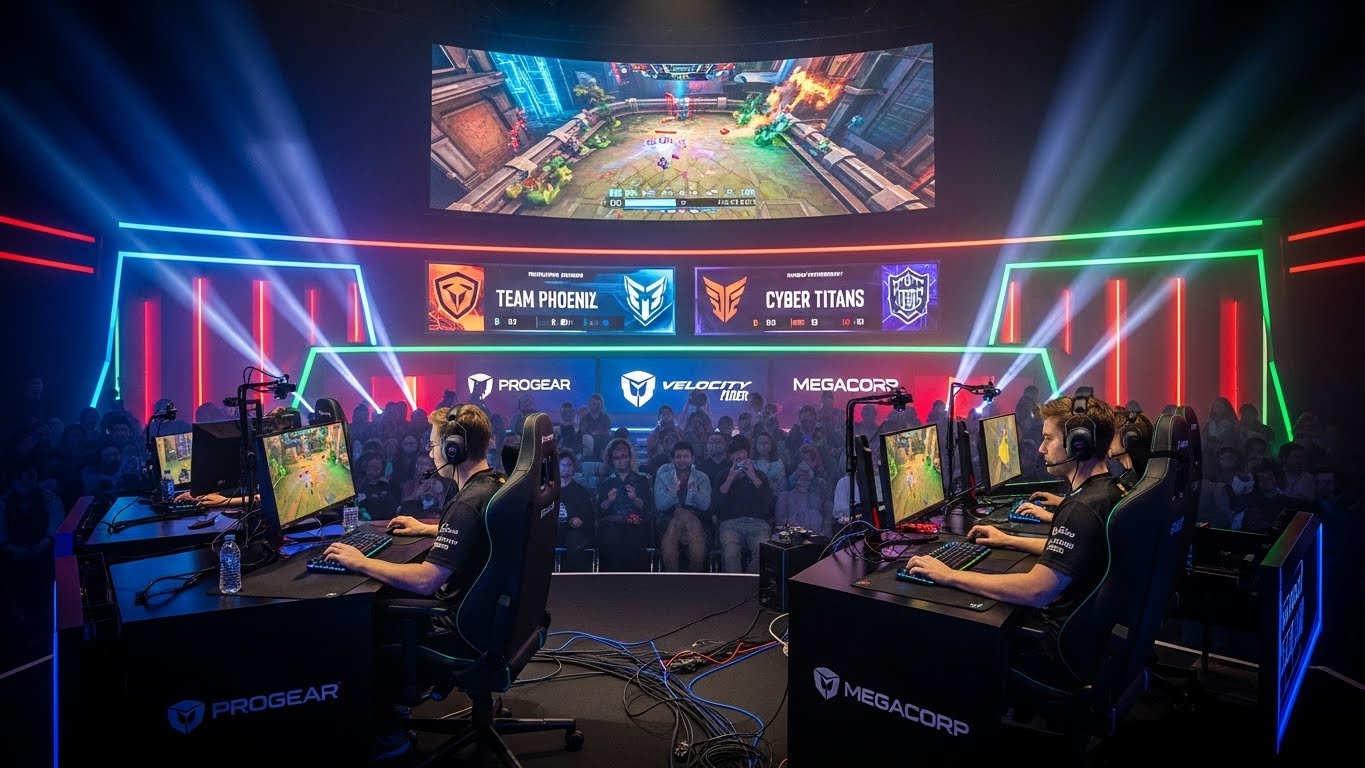
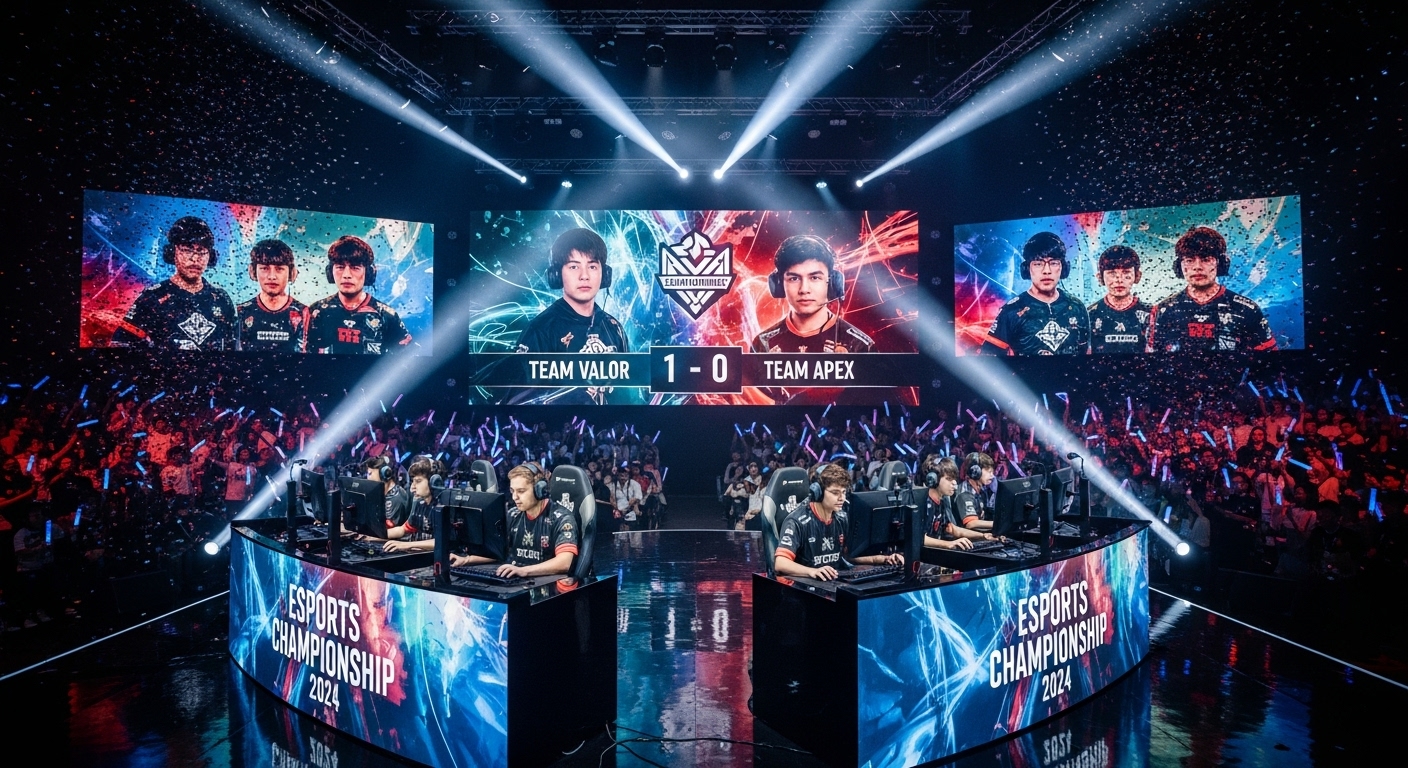
Esports has rapidly evolved from a niche hobby into a multi-billion-dollar global industry. Behind every great competition, flashy highlight reel, and packed stadium, there are professional esports teams working hard both in the game and behind the scenes. But one question often comes to mind for those new to the world of competitive gaming: how do esports teams actually make money? While it may seem that success in the digital arena depends purely on gameplay, the truth is far more complex. Esports teams generate revenue through multiple channels, combining traditional sports business models with digital-age innovation.
This blog will explore in detail how esports organizations sustain themselves financially. From sponsorships and merchandise to streaming rights and tournament winnings, we will dive deep into the various revenue sources that fuel this competitive ecosystem.
The Rise of Esports as a Global Business
To understand how esports teams make money, it’s important to first recognize how massive the industry has become. Once dismissed as a hobby, esports has transformed into a professional enterprise with millions of fans around the world. Major tournaments attract audiences comparable to traditional sports events, and professional players enjoy celebrity-like status.
According to global market research reports, esports revenue exceeds billions annually, with consistent year-over-year growth. The surge is fueled by widespread access to the internet, the popularity of competitive games like League of Legends, Dota 2, and Counter-Strike, and the rise of streaming platforms such as Twitch and YouTube Gaming.
However, just like traditional sports, esports organizations face high operational costs—player salaries, travel, training facilities, and marketing expenses are all part of the picture. To remain profitable, teams must strategically tap into a diverse range of income streams.
Sponsorships and Brand Partnerships
One of the biggest sources of income for esports teams is sponsorships. Brands recognize the marketing power of esports’ young, tech-savvy audience. As a result, companies from both gaming and non-gaming industries are eager to associate their names with top-tier teams and players.
Sponsors provide financial support in exchange for advertising opportunities, such as having their logos featured on team jerseys, gaming peripherals, and even within digital broadcasts. Popular brands like Red Bull, Monster Energy, Intel, and Adidas have invested heavily in esports sponsorships.
These deals often include exclusive content collaborations, social media promotions, and product endorsements. A team’s visibility and success in tournaments directly impact its sponsorship value. The more followers and viewership a team has, the more valuable its brand becomes to sponsors.
For many organizations, sponsorships make up the majority of their annual revenue. Large teams often manage multiple sponsorships simultaneously, ensuring a steady cash flow even outside of competition seasons.
Tournament Winnings
Tournament prize pools are another significant source of income, especially for the most competitive teams. Major esports tournaments, such as The International (for Dota 2) or the League of Legends World Championship, can feature multi-million-dollar prize pools.
For instance, Dota 2’s The International has awarded over $40 million in total prize money in some years, with the winning team taking home several million dollars. This level of prize money has attracted global attention and has made esports a viable career path for many professional players.
However, tournament winnings are not a consistent or reliable income source. Only a handful of teams consistently win or place high enough to secure major prizes. Moreover, winnings are usually divided among players, coaches, and the organization itself. This means that while tournament victories can provide a big financial boost, they are rarely the primary or most stable revenue stream for an esports team.
Merchandise and Apparel Sales
Much like traditional sports franchises, esports teams rely on merchandise sales to strengthen their brand and generate revenue. Fans love to support their favorite teams by purchasing jerseys, hoodies, hats, and accessories featuring team logos and colors.
Merchandise not only provides a direct source of income but also promotes brand visibility. Every time a fan wears a team’s shirt or cap, they are essentially advertising for that organization. The rise of online stores has made it easy for fans from all over the world to purchase team gear, expanding the reach beyond local events or tournaments.
Many teams collaborate with major clothing brands to create stylish and limited-edition apparel collections. These partnerships help teams tap into broader markets, reaching both gaming enthusiasts and streetwear fashion followers.
In recent years, some teams have even launched lifestyle brands, blurring the line between esports merchandise and mainstream fashion. This evolution shows how esports teams are thinking creatively to diversify their income.
Media Rights and Streaming Revenue
Media rights have become a crucial aspect of esports monetization. As esports tournaments draw millions of viewers, streaming platforms and broadcasters compete for exclusive rights to air these events.
When a major tournament or league signs an exclusive deal with a streaming platform, part of that revenue is distributed to participating teams. Similarly, individual organizations that manage their own streaming channels earn money through ads, subscriptions, and donations.
Many esports teams encourage their players to stream their practice sessions, scrims, or personal gameplay on platforms like Twitch or Kick. This not only increases fan engagement but also generates revenue through ad impressions, viewer subscriptions, and sponsorship activations within streams.
Some organizations also produce documentary-style content, match highlights, or behind-the-scenes videos on platforms like YouTube, monetizing through ad revenue and brand deals. The more engaging and consistent their content, the more loyal their fanbase—and consequently, the higher their earnings.
Franchise Leagues and Revenue Sharing
A growing trend in esports is the franchise model, similar to traditional sports leagues like the NBA or NFL. In this system, teams buy franchise slots in major leagues, such as the Overwatch League or the Call of Duty League.
These franchise slots can cost millions of dollars, but they offer financial stability in return. Teams that are part of franchised leagues benefit from revenue-sharing agreements, where profits from media deals, sponsorships, and merchandise are distributed among the league’s participating organizations.
This model provides teams with predictable income and a structured competition format. It also attracts long-term investors who see esports as a sustainable business opportunity rather than a short-term gamble.
Franchising has helped professionalize the esports ecosystem, leading to more stable contracts for players and stronger brand loyalty among fans. Although the initial investment can be high, the long-term returns from revenue sharing make it an appealing path for well-funded organizations.
Investments and Venture Capital
As the esports industry continues to grow, it has attracted substantial investment from venture capitalists, celebrities, and even traditional sports teams. Many famous athletes and entertainment figures have invested in esports organizations, recognizing their potential for future growth.
Investors provide crucial capital for team expansion, infrastructure development, marketing, and player recruitment. In return, they gain ownership stakes and potential profit shares as the organization’s value increases.
Some esports organizations have grown into multi-faceted companies, managing not just teams but also content production, event hosting, and influencer management. The influx of investment allows them to diversify their operations and build long-term sustainability.
The key for investors is scalability—successful esports teams are more than just competitors; they are brands that can expand into new revenue streams like mobile gaming, entertainment, and even metaverse ventures.
Content Creation and Influencer Marketing
In modern esports, content is king. Fans no longer just want to watch tournaments; they want to see what happens behind the scenes, learn from their favorite players, and connect on a personal level. Esports teams capitalize on this by investing heavily in content creation.
Players and teams create videos, podcasts, tutorials, and vlogs that draw massive audiences. These can be monetized through advertising revenue, sponsorships, and branded content deals. Additionally, popular players often function as influencers, promoting products and brands to millions of followers across social media platforms.
Some organizations even sign professional content creators who may not compete but bring significant viewership and engagement. This strategy allows teams to expand their audience base and generate income beyond competitive gaming.
Influencer marketing has become a central pillar of esports revenue. Brands recognize that the gaming audience is highly engaged and loyal, making influencer partnerships more effective than traditional advertising.
Hosting and Organizing Events
While many esports teams participate in tournaments, some also host their own events, creating an additional source of income. Hosting a tournament, fan meetup, or exhibition match allows organizations to generate money through ticket sales, sponsorships, and media rights.
These events also strengthen the relationship between teams and their fan communities. Local tournaments and fan conventions are excellent opportunities for merchandising, brand promotion, and direct engagement with supporters.
Even online events can be profitable, especially when combined with digital ticketing or exclusive streaming access. Hosting content-driven or entertainment-based shows also adds to a team’s brand identity and revenue potential.
Team Branding and Licensing
As esports continues to merge with mainstream culture, team branding and licensing have become profitable ventures. Teams license their brand for use in gaming peripherals, apparel, collectibles, and even in-game items.
Some game developers partner with top teams to create branded skins or digital items within the game itself. When fans purchase these, a portion of the revenue goes to the team. This model not only supports teams financially but also strengthens their in-game presence.
Licensing extends beyond merchandise—teams can collaborate with other industries such as music, film, and technology to produce unique co-branded products. This kind of cross-industry collaboration boosts both visibility and profitability.
Coaching, Training, and Talent Development
Many established esports teams have expanded into education and training services. They open academies or online programs that teach aspiring players the fundamentals of competitive gaming, teamwork, and strategy.
These training programs are often monetized through tuition fees, subscriptions, or brand partnerships. They also serve as a scouting platform, helping teams discover and recruit new talent.
By developing young players, organizations secure a future pipeline of skilled competitors while creating a new source of income. Some even partner with universities or schools to integrate esports into educational systems, offering structured curriculums that combine academics with gaming.
The Role of Technology and Innovation
Technology plays a crucial role in how esports teams generate revenue. Data analytics, artificial intelligence, and performance tracking software help teams improve their competitive edge. At the same time, these technologies attract partnerships with tech companies interested in testing and showcasing their innovations through esports.
Blockchain and NFTs have also entered the scene, offering teams new ways to engage with fans and create digital collectibles. While this is still a developing area, many organizations see potential in blockchain-based fan engagement models, digital ticketing, and exclusive team tokens.
Virtual reality events, metaverse collaborations, and digital fan experiences represent the next frontier for esports monetization. Teams that embrace these innovations are likely to stay ahead in both revenue growth and fan engagement.
Challenges in Esports Monetization
Despite the growing revenue opportunities, running an esports organization is not without challenges. The industry remains highly competitive and unpredictable. Maintaining profitability requires careful management of expenses, sponsorship negotiations, and audience retention.
Player salaries are rising rapidly, and not all teams can sustain these costs. Economic fluctuations can also affect sponsorships, as brands may cut budgets during downturns. Furthermore, changes in game popularity can drastically affect a team’s value and income potential.
Another challenge is the short career span of professional gamers, which can make long-term planning difficult. Esports organizations must continually evolve, diversify, and innovate to maintain relevance and stability.
The Future of Esports Team Revenue
Looking ahead, esports teams are expected to become even more diversified businesses. Rather than relying on a single revenue source, successful organizations will combine multiple income streams, from sponsorships and media deals to content creation and tech partnerships.
The integration of artificial intelligence, augmented reality, and global streaming platforms will further expand opportunities. As esports becomes a part of mainstream entertainment, we can expect more collaborations with film, music, and fashion industries.
Teams that build strong brands, cultivate fan communities, and innovate in digital engagement will thrive in the years ahead. Esports is no longer just about winning tournaments—it’s about building sustainable ecosystems that connect fans, players, and brands on a global scale.
Conclusion
Esports teams make money through a wide range of channels: sponsorships, tournament winnings, merchandise, media rights, content creation, franchising, and much more. The industry blends elements of sports, entertainment, and technology, creating a unique and ever-evolving business model.
While success in esports requires exceptional skill and strategy inside the game, financial success depends on creativity, branding, and business innovation outside of it. Esports organizations that master this balance are not only shaping the future of gaming but also redefining what it means to be a sports franchise in the digital age.