Introduction
Over the past decade, esports has evolved from a niche hobby into a global entertainment powerhouse. What was once seen as a pastime reserved for teenagers in dimly lit gaming cafés has transformed into a multi-billion-dollar industry, attracting massive audiences, professional athletes, sponsorships, and even educational opportunities. The rise of esports is not merely a story about video games; it is a story about cultural change, technology, entrepreneurship, and an entirely new form of human competition. This blog explores the rise of esports, why it resonates with modern audiences, and where it is heading as it continues reshaping entertainment, sports, and digital culture.
The Origins of Esports
The earliest forms of competitive gaming date back to the late twentieth century when arcade tournaments and computer challenges tested the reflexes and problem-solving skills of dedicated players. Events were small, prizes were minimal, and the idea of becoming a professional gamer seemed almost unimaginable. But even in those early days, one thing was clear: competition in gaming sparked the same thrill, excitement, and drive to win that traditional sports inspired.
As technology advanced, so did the competitive scene. Multiplayer games became more sophisticated, the internet allowed for global participation, and communities formed around favorite titles. This foundation eventually paved the way for the modern esports ecosystem. Today, competitive gaming is no longer a fragmented hobby. It is a structured industry with leagues, tournaments, franchise systems, talent agencies, and millions of fans who tune in regularly to watch their favorite players battle for glory.
Why Esports Captivates Modern Audiences
One of the reasons esports has exploded in popularity is its alignment with digital-first lifestyles. Younger generations grew up with the internet, smartphones, and video games as essential parts of daily life. For them, esports is not unusual; it is simply another form of entertainment, but one that feels immediate, interactive, and relatable.
Esports offers something traditional sports cannot fully replicate: accessibility. Anyone with a gaming device and an internet connection can start competing, practicing, or spectating instantly. Players do not need expensive equipment or physical facilities to begin. This democratization of competition has opened doors to millions worldwide.
Furthermore, esports thrives on storytelling. Rivalries, player personalities, dramatic comebacks, and underdog victories are all part of the ecosystem. Teams often develop strong cultural identities, and fans form emotional attachments to players, just as they do in traditional sports. This blend of narrative and real-time action creates an entertainment experience that is both thrilling and deeply human.
The Rise of Professional Esports Athletes
A major milestone in the legitimacy of esports has been the rise of the professional gamer. These athletes dedicate countless hours to training, strategy refinement, communication building, and mental conditioning. Many teams employ coaches, analysts, nutritionists, and physical trainers to ensure peak performance.
Contrary to common misconceptions, esports requires a wide range of skills. Hand-eye coordination, reaction time, strategic thinking, teamwork, communication, and emotional control are essential for high-level play. The pressure of performing in front of massive online and in-person audiences adds a psychological dimension similar to that of traditional sports.
Professional players sign contracts, earn salaries, compete for prize pools that can reach millions, and secure sponsorships from major brands. Their careers are often short due to the intense demands of the competition, but the impact they leave on fans and the esports ecosystem is long-lasting.
Games That Shaped the Esports Landscape
The esports industry is built on a diverse roster of game genres, each offering unique competitive experiences. Real-time strategy titles challenged players to outthink opponents through resource management and multitasking. Multiplayer online battle arena games, commonly referred to as MOBAs, became global sensations due to their complexity and the teamwork they require. First-person shooters brought adrenaline-fueled action and fast reflexes into the spotlight.
Each major game developed its own competitive scene, ruleset, and fanbase. Some titles turned casual players into household names within the gaming world. Others created international tournaments that rival traditional sports championships in scale and excitement. The diversity of genres ensures that esports appeals to a broad audience, catering to different tastes and styles of competition.
The Business Behind Esports
Behind the excitement of tournaments lies a powerful business engine. Esports generates revenue through sponsorships, merchandise, ticket sales, media rights, and advertising. Major technology companies, lifestyle brands, and even automotive manufacturers invest heavily in esports teams and events.
Organizations compete not only in tournaments but also in brand building. Many operate like traditional sports franchises, with training facilities, structured management teams, and long-term strategic planning. The business side of esports is also fueling job creation. Roles in marketing, event production, broadcasting, coaching, analytics, content creation, and community management are growing rapidly.
Educational institutions have joined the movement as well. Universities now offer esports programs, scholarships, and degrees related to game design, management, and digital communication. These initiatives signal a shift in how society views gaming, turning what was once dismissed as a hobby into a valid academic and professional pathway.
The Global Community and Cultural Impact
Esports has become a phenomenon that transcends borders, languages, and cultures. Players from different continents compete on the same virtual battlefield, uniting fans from all corners of the world. Cultural differences fade as audiences cheer for skill, strategy, and sportsmanship.
Streaming platforms have played a significant role in this global unification. Communities form around players, games, and events, creating conversations and friendships that span countries. Esports has given rise to digital celebrities whose influence extends far beyond gaming. Their impact on fashion, music, technology, and even mental health awareness is significant.
This cultural influence is also reshaping entertainment. Traditional sports organizations collaborate with esports teams. Musicians perform at esports events. Fashion brands release collections inspired by gaming culture. Esports is not isolated; it is deeply embedded in modern pop culture.
The Evolution of Esports Events
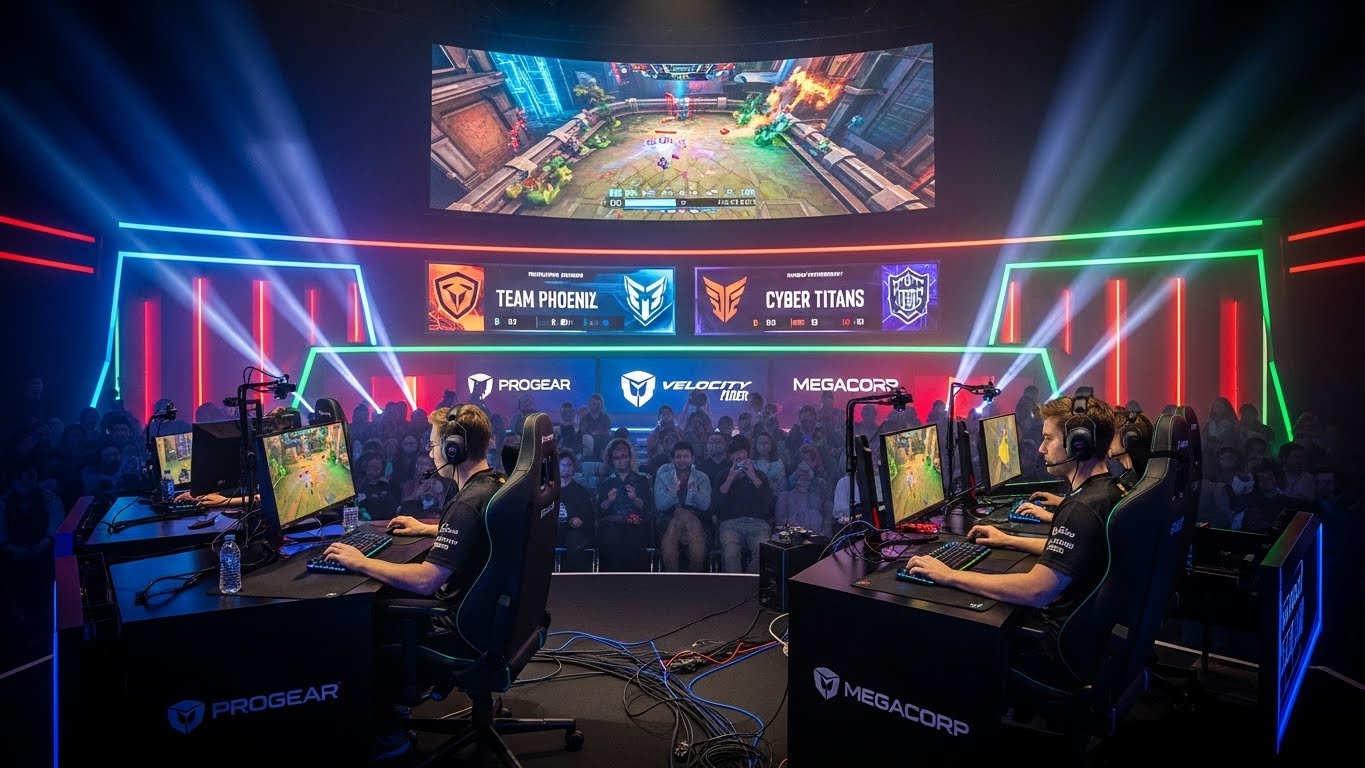
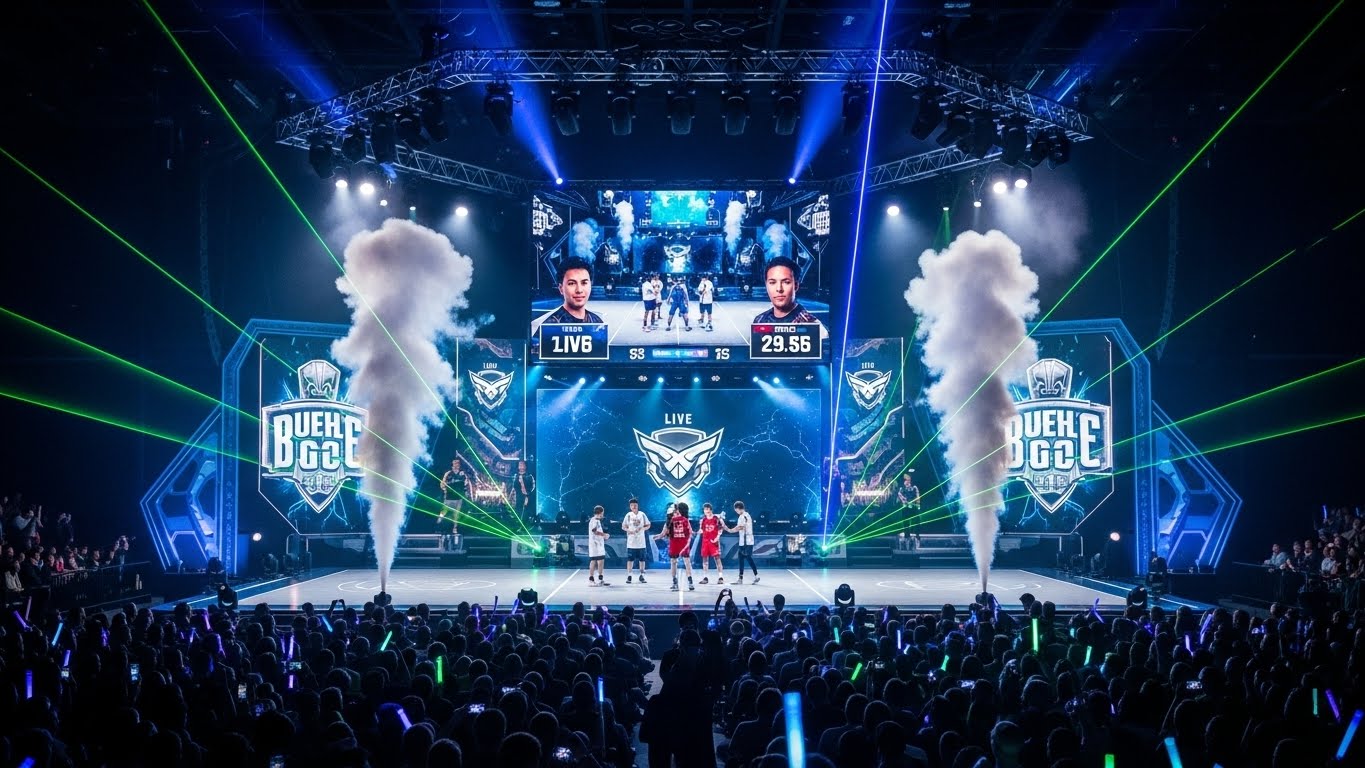
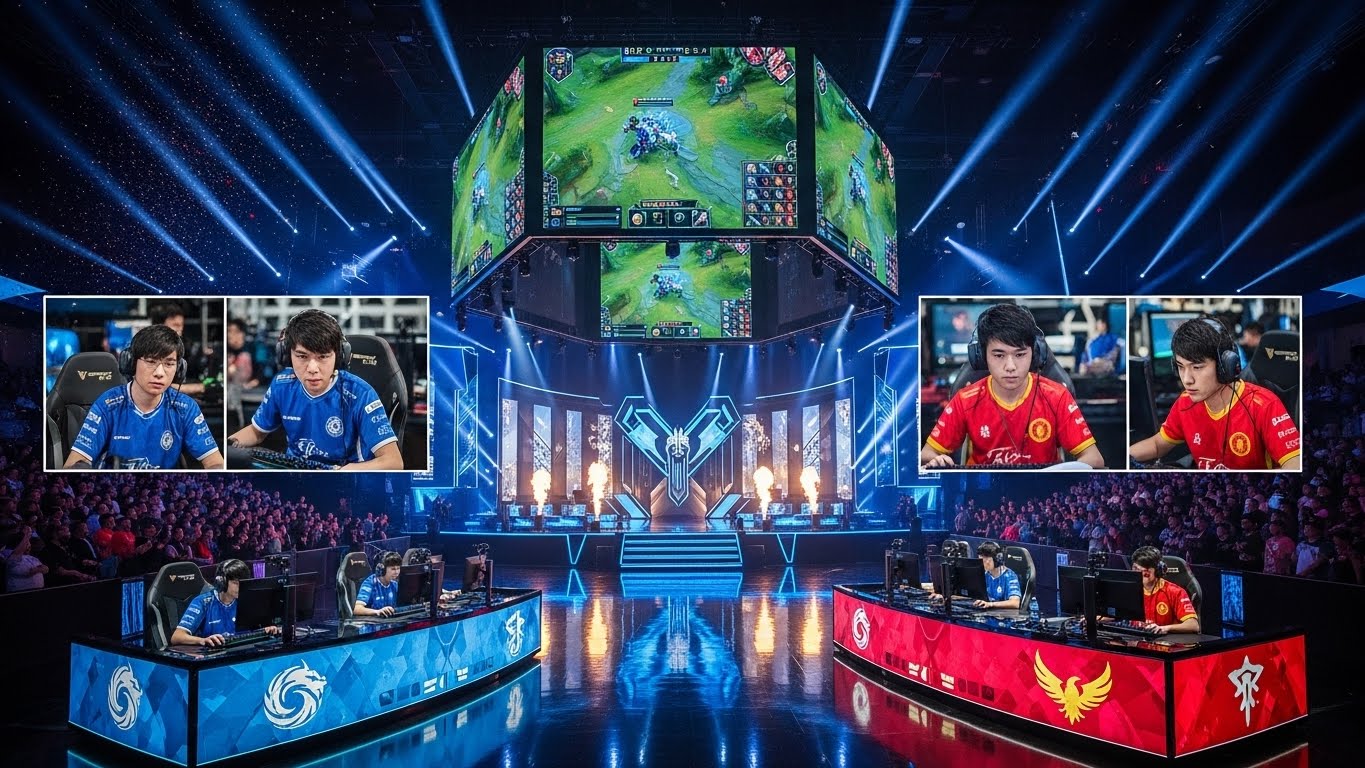
Esports tournaments have grown from small gatherings to arena-filling spectacles. Large competitions feature elaborate stage designs, live commentary, interactive fan experiences, and high-level production quality that rivals major sporting events. Fans travel long distances to support their favorite teams, creating a festival-like atmosphere.
What makes esports events unique is their blend of virtual and physical worlds. While the competition happens on digital screens, the emotions, reactions, and community experiences are very real. Spectators become part of a shared moment, celebrating victories and feeling the tension of close matches. This hybrid experience is one of the reasons esports events continue to grow in popularity.
Esports as a Career Path
The rapid growth of the esports industry has created numerous opportunities beyond professional play. Careers in broadcasting, coaching, game development, tournament organization, graphic design, journalism, and social media management are all part of the ecosystem.
Aspiring individuals no longer have to choose between passion and practicality. Esports offers viable, diverse career paths where creativity, technical skills, and communication are highly valued. The rise of content creation has also empowered individuals to build personal brands, reach large audiences, and monetize their passion for gaming.
The industry encourages innovation and entrepreneurial thinking. New platforms, technologies, and business models emerge regularly, creating an environment where individuals can make significant contributions regardless of their background.
The Future of Esports
The future of esports looks brighter than ever. Advances in technology, such as virtual reality, augmented reality, and artificial intelligence, may redefine how games are played and watched. Viewers could experience matches from the perspective of players, creating immersive and personalized spectating experiences.
The integration of esports into mainstream entertainment will continue expanding. More companies will invest, more players will rise to fame, and more fans will join the rapidly growing community. Esports could also become a stronger part of educational systems, providing new ways for students to collaborate, compete, and learn digital skills.
As society becomes increasingly digital, esports stands at the intersection of entertainment, competition, and culture. Its future is not just about gaming; it is about how humanity adapts to a world where digital experiences carry the same emotional weight as physical ones.
Conclusion
Esports is more than a trend. It is a cultural movement that reflects the values, interests, and creativity of the digital generation. It has created opportunities, built communities, and redefined what it means to compete on a global stage. As technology continues to evolve and the world becomes more interconnected, esports will remain a dynamic and influential force in shaping the future of entertainment, sports, and digital culture.