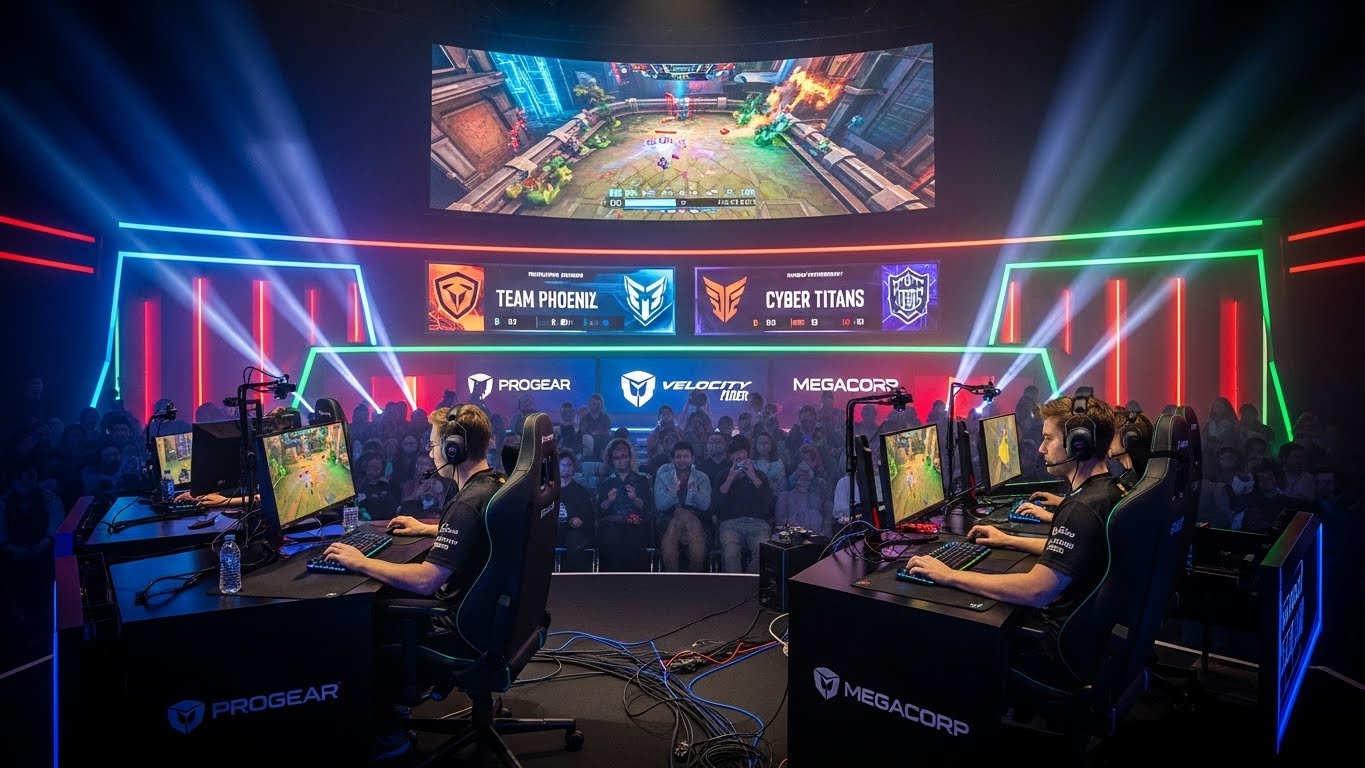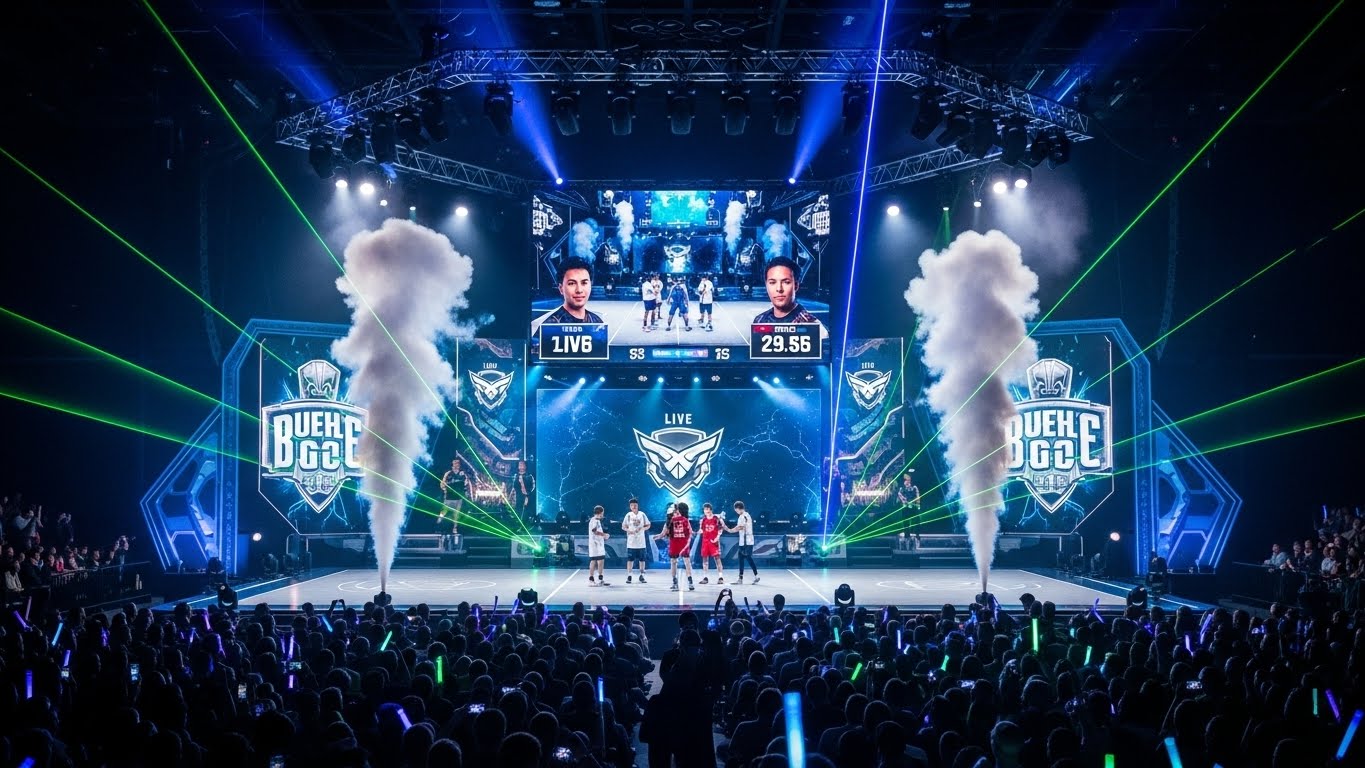

Esports, short for electronic sports, has emerged as one of the most influential and rapidly growing sectors in modern entertainment. Once considered a niche hobby reserved for gamers, esports has transformed into a global phenomenon, attracting millions of viewers, massive sponsorship deals, and professional players whose fame rivals traditional athletes. Competitive gaming has evolved from small local tournaments to large international events broadcast to audiences worldwide, demonstrating the cultural and economic significance of this industry.
In this blog, we will explore the history, growth, and impact of esports, examining the key games, players, tournaments, and technologies that have shaped this dynamic world. We will also analyze its influence on society, media, and traditional sports, as well as the future trends that promise to take esports to even greater heights.
The Origins of Esports
The roots of esports can be traced back to the late 1970s and early 1980s when video games became a source of competitive play. Early arcade games like Space Invaders and Pac-Man attracted local players who competed for high scores, often displayed on arcade leaderboards. These simple competitions laid the groundwork for organized gaming events.
In the 1980s, the rise of home consoles and personal computers expanded the gaming landscape. Competitions began to emerge, such as the first national video game championship held in the United States. These early tournaments were primarily focused on skill-based games, but they demonstrated the potential for gaming as a competitive activity.
The 1990s saw the emergence of multiplayer PC games, which allowed players to compete in real-time over local area networks. Games like Doom, Quake, and StarCraft became the foundation of early esports communities. LAN parties and small tournaments created a sense of camaraderie and competition, fostering the social and strategic elements that define esports today.
The Growth of Competitive Gaming
With the advent of the internet in the late 1990s and early 2000s, esports expanded rapidly. Online multiplayer games enabled global competition, connecting players across continents. Titles such as Counter-Strike, Warcraft III, and StarCraft: Brood War became the pillars of competitive gaming.
Professional organizations and leagues began forming, establishing standardized rules, ranking systems, and organized tournaments. South Korea emerged as a central hub for esports, with professional players gaining celebrity status and televised competitions becoming common. The country’s investment in esports infrastructure, including gaming centers and professional coaching, helped legitimize competitive gaming as a career path.
By the mid-2000s, esports had begun to attract significant attention from sponsors and media networks. Prize pools grew, and companies recognized the potential of reaching younger, tech-savvy audiences through esports marketing. The establishment of leagues such as Major League Gaming in the United States marked the transition from casual competition to professional esports.
Iconic Games in Esports History
Certain games have had a defining impact on the growth and popularity of esports. StarCraft, particularly the Brood War expansion, played a crucial role in establishing professional gaming leagues in South Korea. Its complex strategy, fast-paced gameplay, and skill-based mechanics made it ideal for competitive play.
Counter-Strike became another landmark title, emphasizing teamwork, strategy, and precision. Its tactical gameplay and popularity in internet cafes led to international tournaments and a devoted player base. The Counter-Strike series remains a staple in competitive gaming today.
Other influential games include League of Legends, Dota 2, Overwatch, and Fortnite. Each game brought unique gameplay mechanics, large communities, and extensive competitive ecosystems. League of Legends pioneered the modern esports league model with franchised teams and structured seasons. Dota 2 became renowned for its massive prize pools, especially through events like The International, which set records for esports earnings. Fortnite and Call of Duty introduced battle royale and first-person shooter formats to wider audiences, bringing esports into mainstream culture.
Professional Players and Celebrities
Esports has produced a new kind of celebrity: professional gamers. These players dedicate countless hours to perfecting their skills, often rivaling the training regimes of traditional athletes. Players such as Faker (League of Legends), s1mple (Counter-Strike: Global Offensive), and N0tail (Dota 2) have become household names within the gaming community.
Professional gamers are celebrated not only for their in-game abilities but also for their personalities, content creation, and influence on the community. Streaming platforms like Twitch and YouTube allow players to connect with fans directly, building personal brands and monetizing their skills beyond tournament winnings.
Training in esports is intense and structured. Professional teams employ coaches, analysts, nutritionists, and psychologists to optimize player performance. The industry has adopted a holistic approach, emphasizing mental and physical health to maintain peak performance under competitive pressure.
Major Esports Tournaments
Esports tournaments have grown from small local gatherings to global spectacles watched by millions. The International (Dota 2), the League of Legends World Championship, and the Fortnite World Cup are among the most prestigious events in the industry. These tournaments offer multimillion-dollar prize pools, elaborate production values, and live broadcasts across streaming platforms.
Events like these demonstrate the scale and professionalism of esports. Stadiums fill with fans, commentators provide in-depth analysis, and sponsors showcase their brands alongside high-quality entertainment. Esports tournaments now rival traditional sports events in terms of viewership, engagement, and media attention.
Regional leagues and qualifiers feed into global competitions, creating a comprehensive competitive ecosystem. This structure mirrors traditional sports, allowing players to progress from amateur to professional status while fostering fan loyalty and community engagement.
Esports and Media Coverage
Media coverage has played a crucial role in the growth of esports. Early coverage was limited to gaming magazines and niche websites. However, as esports gained popularity, mainstream media outlets began reporting on major events and player achievements.
Streaming platforms such as Twitch, YouTube Gaming, and Facebook Gaming revolutionized how audiences access esports. Viewers can watch live tournaments, follow their favorite players, and interact in real-time through chat features. This interactive model has created a highly engaged and dedicated audience, making esports one of the most viewer-driven forms of entertainment.
Television networks have also embraced esports. Channels dedicated to gaming content broadcast live tournaments, documentaries, and analysis shows, further legitimizing esports as a mainstream industry. The integration of esports into traditional media demonstrates its growing cultural and commercial relevance.
Sponsorships and Business Growth
Esports has become a major business ecosystem. Sponsorships, advertising, merchandising, and ticket sales generate billions of dollars annually. Companies recognize the opportunity to reach a young, engaged, and globally connected audience through esports partnerships.
Major brands such as Coca-Cola, Nike, and Intel have invested heavily in esports, sponsoring teams, tournaments, and events. This financial support has fueled the professionalization of the industry, enabling players and organizations to sustain long-term careers.
Additionally, the rise of franchised leagues, media rights deals, and in-game monetization has created multiple revenue streams. Esports is no longer a hobby or niche market; it is a sustainable and growing global industry.
The Social and Cultural Impact of Esports
Esports has had a significant cultural impact, shaping social interactions, community building, and digital identity. Online gaming communities foster collaboration, competition, and friendship among people from different countries and backgrounds. These communities provide social spaces where players share experiences, strategies, and cultural exchange.
Esports has also challenged traditional notions of sports and athleticism. The physical exertion may differ from traditional sports, but mental acuity, reflexes, strategy, and teamwork are essential for competitive success. Society is gradually recognizing esports as a legitimate form of competition, with some countries granting professional gaming visas and formal recognition to players.
Moreover, esports has influenced other forms of entertainment. Games inspire films, music, merchandise, and live events, creating a multimedia ecosystem that reaches beyond gaming itself. The integration of esports into mainstream culture reflects its growing significance in modern society.
The Future of Esports
The future of esports promises continued growth, innovation, and global expansion. Emerging technologies such as virtual reality, augmented reality, and cloud gaming will create more immersive and accessible experiences. AI-driven analytics and training tools will further enhance player performance and strategy.
Esports is also likely to expand into education and youth development. Schools and universities are establishing esports programs, scholarships, and competitive leagues, providing opportunities for young players to pursue careers in gaming. This institutionalization will strengthen the talent pipeline and professional infrastructure of the industry.
Globalization will continue to shape esports, bringing together players and audiences from diverse regions. Cross-cultural collaboration, multilingual content, and international competitions will further solidify esports as a universal form of entertainment.
Sustainability and ethics will also play a role in the industry’s evolution. Fair play, inclusivity, diversity, and player well-being will be critical considerations as esports continues to professionalize and expand.
Conclusion
Esports has evolved from humble beginnings in arcades and LAN parties to a global industry with millions of viewers, professional athletes, and international tournaments. It combines skill, strategy, technology, and entertainment into a unique form of competition that resonates with diverse audiences.
The growth of esports demonstrates the power of digital culture and technological innovation. It has transformed how people interact, compete, and consume entertainment while creating new opportunities for careers, business, and cultural exchange.
As esports continues to mature, it will become an even more integral part of global entertainment, blending traditional sports values with the limitless potential of digital technology. Its future is bright, promising greater accessibility, creativity, and excitement for players and audiences alike.
Esports is not just a game—it is a cultural movement, a professional pursuit, and a reflection of humanity’s enduring passion for competition, storytelling, and connection.