Introduction: The New Age of Competition
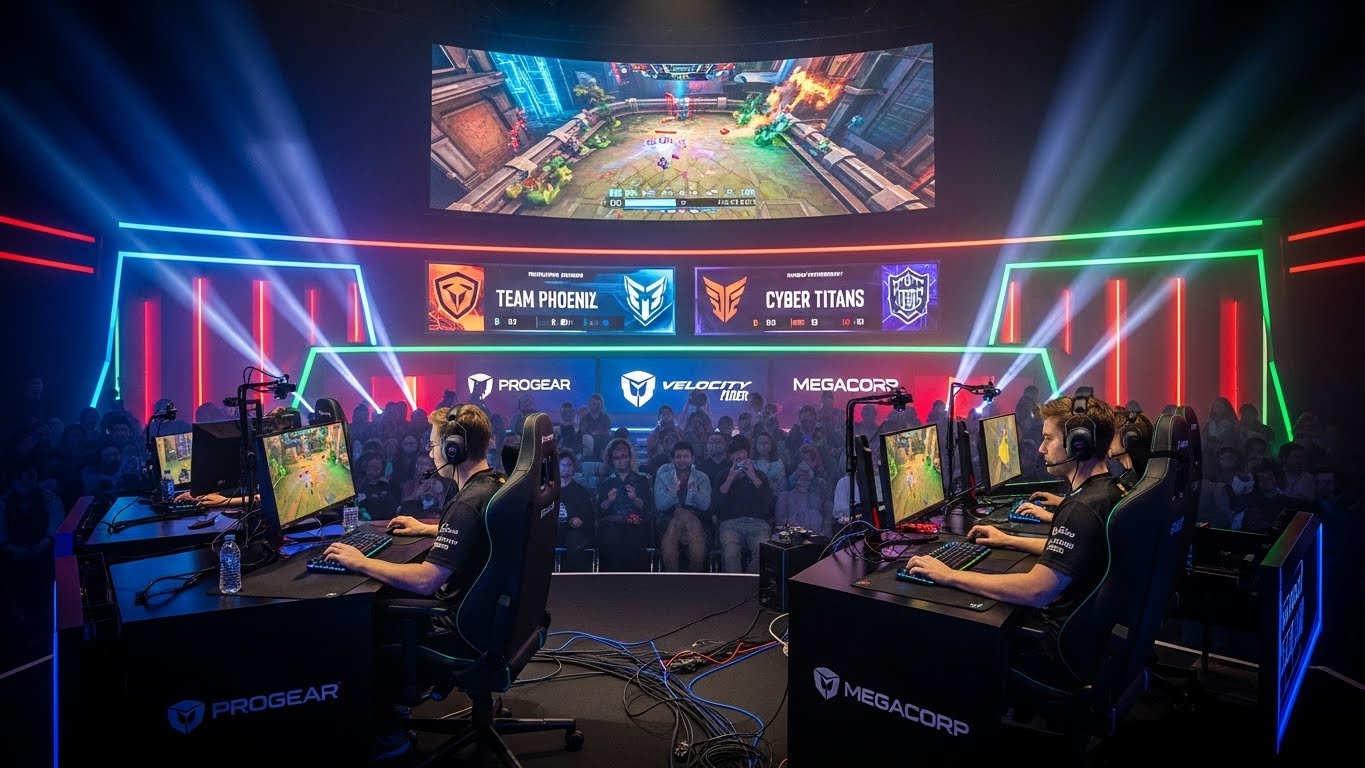
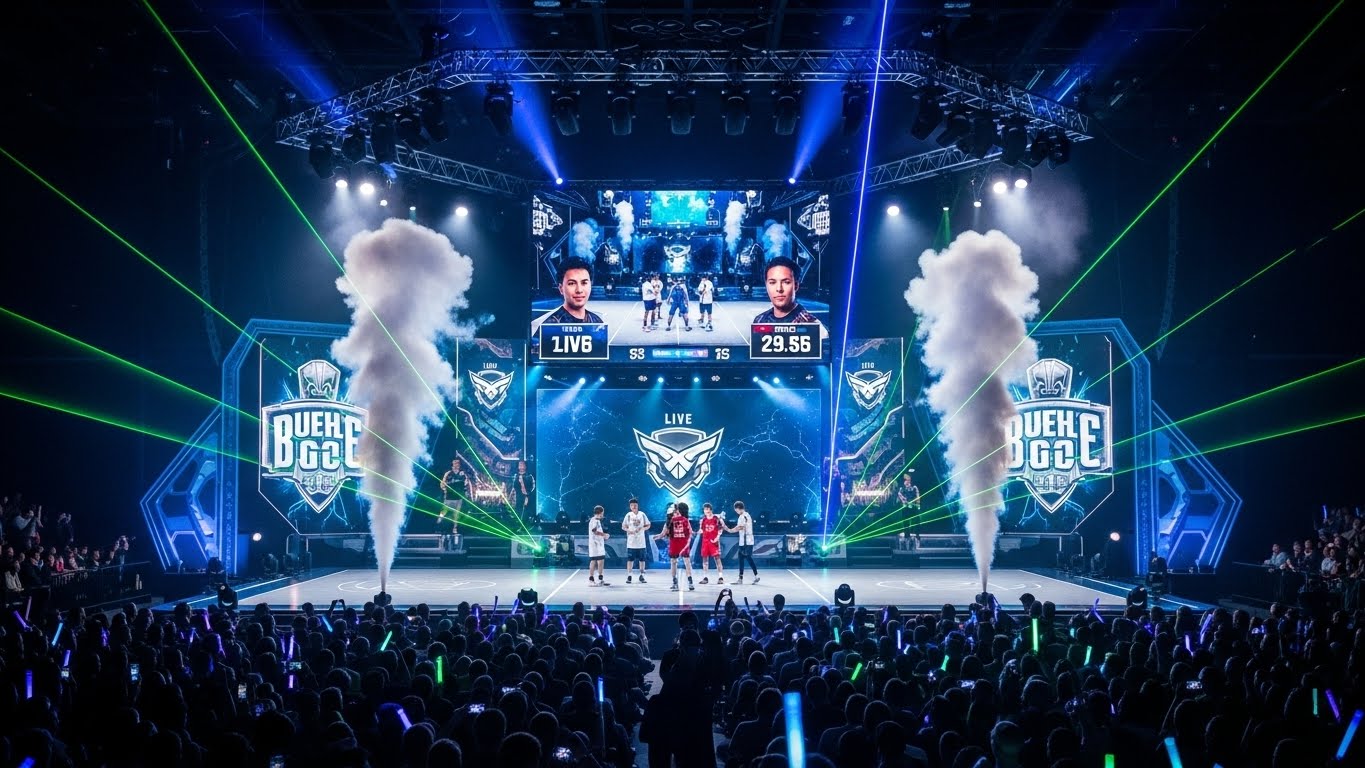
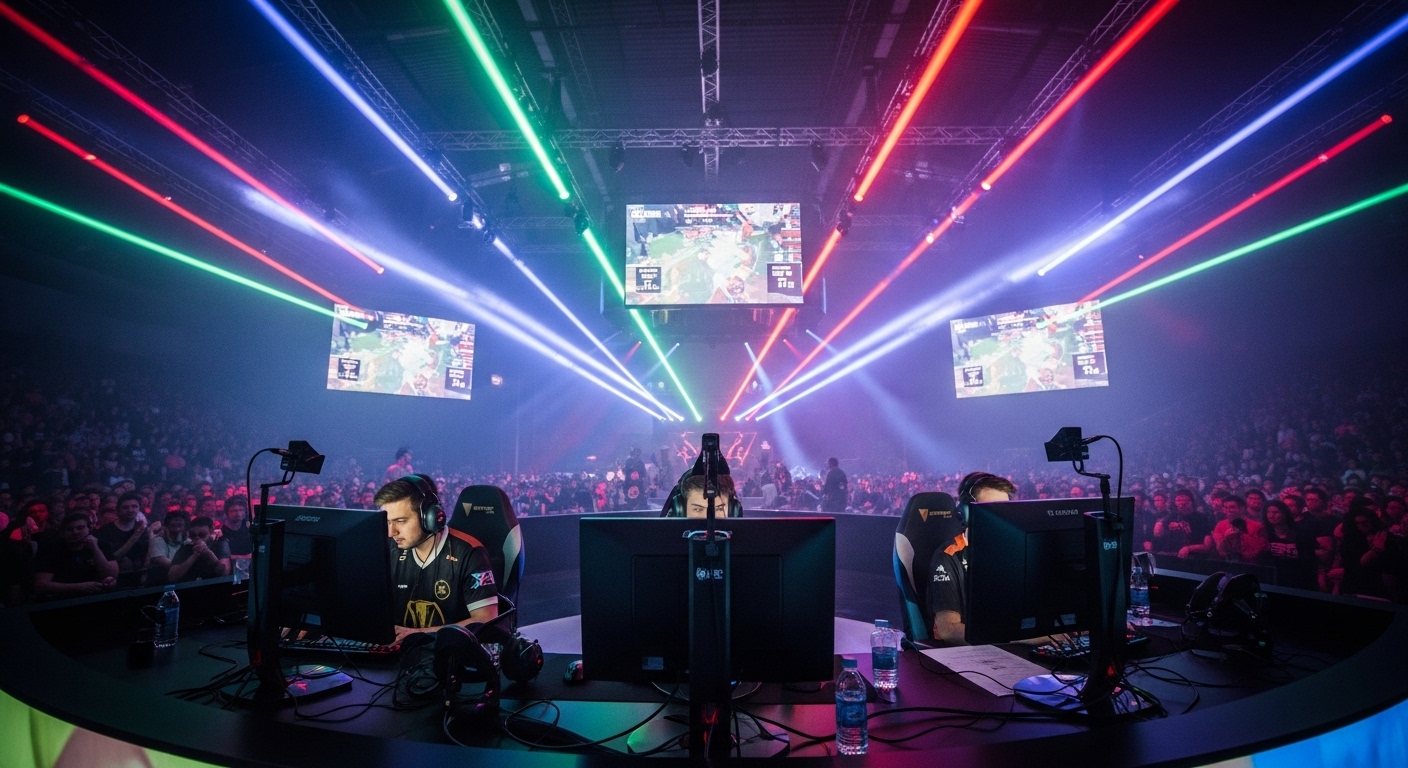
In the last two decades, the world has witnessed the birth of a new kind of sport—one that doesn’t rely on physical strength or traditional athleticism but on reflexes, strategy, teamwork, and digital skill. This phenomenon is known as Esports. Once considered a niche hobby for gamers, Esports has evolved into a billion-dollar global industry that attracts millions of fans, sponsors, and investors. Tournaments fill stadiums, players sign contracts with professional teams, and streaming platforms turn gamers into celebrities.
The story of Esports is not just about gaming; it’s about technology, community, and cultural transformation. It represents how entertainment, competition, and connectivity have merged in the digital age. Understanding Esports means understanding how the modern world consumes and interacts with media, competition, and even identity.
The Origins: Gaming Before Esports
The concept of competitive gaming dates back to the earliest days of video games. In 1972, students at Stanford University organized a competition for the game Spacewar!, and the winner received a year’s subscription to a magazine. It was small, but it marked the beginning of organized video game competition.
By the 1980s, arcade machines became a cultural phenomenon. Games like Pac-Man, Donkey Kong, and Space Invaders created the first generation of competitive gamers. The Space Invaders Championship in 1980, organized by Atari, drew over 10,000 participants across the United States—a staggering number for that era.
The 1990s saw the emergence of local tournaments and the rise of multiplayer games on personal computers. Titles such as Doom, Quake, and StarCraft began fostering online competition through local area networks (LAN). These LAN parties became the social and competitive hubs for early Esports enthusiasts. The competitive gaming scene, though underground, was slowly gaining momentum.
The Early 2000s: The Internet Changes Everything
The early 2000s marked a turning point. With the internet becoming more accessible, gamers no longer needed to be in the same physical location to compete. Broadband connections allowed for smooth online multiplayer experiences, and games like Counter-Strike, Warcraft III, and Halo built communities around competitive play.
In South Korea, the rise of high-speed internet and internet cafes (PC bangs) helped create one of the earliest and most organized Esports cultures. Television channels started broadcasting matches, professional teams formed, and players became national celebrities. The Korean eSports Association (KeSPA) was even founded in 2000, supported by the South Korean government. This was a major step toward legitimizing gaming as a professional pursuit.
Meanwhile, in the West, competitive gaming found its roots through grassroots tournaments and early organizations like Major League Gaming (MLG). Founded in 2002, MLG helped shape the Esports structure seen today—professional circuits, sponsored teams, and big cash prizes.
These developments collectively laid the foundation for the global Esports explosion that would follow in the 2010s.
The 2010s: Esports Goes Mainstream
By the 2010s, gaming was no longer a subculture—it was mainstream entertainment. Streaming platforms like Twitch and YouTube Gaming changed how fans consumed Esports. Instead of watching tournaments on TV, viewers could watch players live from their own devices. This gave rise to a new kind of celebrity—the streamer, who combined entertainment with skillful gameplay.
Games like League of Legends, Dota 2, Call of Duty, and Counter-Strike: Global Offensive became cornerstones of competitive gaming. Massive tournaments like The International for Dota 2 offered multi-million-dollar prize pools, funded partly by fan contributions. League of Legends World Championship events filled stadiums and attracted tens of millions of online viewers.
Esports was no longer just a pastime—it was an ecosystem. Professional teams had coaches, analysts, and nutritionists. Sponsors from major brands like Coca-Cola, Intel, and Nike entered the space. Universities began offering Esports scholarships, and sports organizations like the NBA invested in Esports franchises.
By the end of the decade, Esports had achieved what once seemed impossible: it was competing with traditional sports in viewership and popularity.
Popular Esports Titles and Their Unique Appeal
Esports is not one unified sport—it is an umbrella term for many different competitive games, each with its own style, audience, and strategies. Below are some of the most influential and enduring titles that shaped the industry.
League of Legends
Developed by Riot Games, League of Legends (LoL) is a team-based multiplayer online battle arena (MOBA) that has dominated Esports for over a decade. Its global league system, consistent updates, and structured competitive scene make it one of the most stable and popular games in the industry.
Dota 2
Valve’s Dota 2 is another MOBA giant, known for its complexity and enormous prize pools. The International, Dota 2’s annual championship, is often regarded as the Super Bowl of Esports.
Counter-Strike: Global Offensive
A tactical first-person shooter by Valve, CS:GO emphasizes precision, teamwork, and strategy. It has one of the most passionate fanbases and is known for its historic rivalries and legendary moments.
Fortnite
Epic Games’ Fortnite brought battle royale games to the forefront of competitive gaming. Its combination of shooting and building mechanics, coupled with massive crossover events, attracted both casual players and professionals.
Overwatch
Blizzard’s team-based shooter blends fast-paced action with unique character abilities. The Overwatch League (OWL) was among the first to adopt a city-based franchise system similar to traditional sports leagues.
FIFA, NBA 2K, and Rocket League
Sports simulation games have also found a place in Esports, offering familiar competition in digital form. Rocket League, which combines soccer with rocket-powered cars, is particularly loved for its accessibility and excitement.
Each of these games contributes to the diverse identity of Esports, appealing to different audiences but sharing the same spirit of competition.
The Culture of Esports
Beyond tournaments and sponsorships, Esports is a vibrant cultural phenomenon. It represents a merging of technology, art, entertainment, and community.
The Community and Fandom
Esports fans are as passionate as those of any traditional sport. Online forums, social media, and streaming platforms serve as digital stadiums where fans discuss strategies, share memes, and celebrate victories. Cosplay, fan art, and highlight montages are integral to the fan culture.
Unlike traditional sports, fans often have direct access to players through chat, social media, and live streams. This closeness fosters a strong sense of belonging and engagement.
Esports Celebrities
Professional players are often as famous as traditional athletes within their circles. Figures like Faker (League of Legends), s1mple (CS:GO), and Ninja (Fortnite) have become icons. Their skill, personality, and presence influence millions, and their careers inspire young gamers worldwide.
The Role of Streaming and Content Creation
Streaming is perhaps the most transformative cultural element of Esports. It turns gaming into a shared experience, blurring the line between competition and entertainment. Streamers provide commentary, tutorials, and a sense of connection that traditional sports broadcasting rarely achieves.
The rise of Esports has also birthed a massive content ecosystem—highlight reels, analysis shows, documentaries, and even reality-style team content that builds personal narratives around players and organizations.
The Business of Esports
Behind the scenes, Esports is a sophisticated business ecosystem involving developers, tournament organizers, sponsors, teams, and broadcasters.
Revenue Streams
The main sources of revenue in Esports include sponsorships, media rights, merchandise, ticket sales, and in-game purchases. Sponsorships form the backbone of the industry, with brands investing in teams, events, and individual players for exposure to the coveted young digital audience.
Teams and Organizations
Top-tier teams like T1, Team Liquid, FaZe Clan, and Cloud9 operate much like traditional sports clubs. They recruit players, hire coaches, and sign endorsement deals. Many have diversified into lifestyle branding, apparel, and entertainment, expanding beyond gaming.
The Role of Developers
Game developers hold immense power in Esports. Unlike traditional sports, where the game itself is public domain, Esports titles are owned by companies. This gives developers control over league structures, rules, and broadcasting rights. Some, like Riot Games, have built comprehensive global leagues, while others allow independent organizers to run tournaments.
The Global Market
Esports has a massive international presence. Asia remains the largest market, particularly China and South Korea, followed by North America and Europe. Each region has its own cultural flavor, but global tournaments bring them all together, creating a truly international scene.
Challenges Facing Esports
Despite its rapid growth, Esports faces several challenges that could impact its future stability.
Player Burnout and Career Longevity
Esports careers tend to be short. The intense training, constant travel, and competitive pressure can lead to early burnout. Many players retire in their early twenties. Organizations are now focusing on mental health, proper training schedules, and life after Esports to combat this issue.
Financial Sustainability
While top tournaments boast enormous prize pools, many teams and players outside the elite tier struggle financially. Some leagues have seen instability, with teams unable to sustain operations due to high costs and limited returns.
Cheating and Match-Fixing
Like any competitive industry, Esports faces issues with integrity. From cheating software to betting scandals, maintaining fair play is an ongoing battle. Developers and organizations have invested heavily in anti-cheat systems and strict regulations to protect the credibility of competitions.
Representation and Diversity
Esports still struggles with inclusivity, particularly in gender representation. Female gamers and marginalized groups often face discrimination or underrepresentation. However, efforts are being made to create safer spaces and inclusive leagues that encourage broader participation.
Regulation and Governance
Because Esports is global, there is no single governing body. This lack of regulation leads to inconsistencies in contracts, player rights, and tournament standards. As the industry matures, the need for a standardized framework becomes increasingly evident.
The Future of Esports
The trajectory of Esports shows no signs of slowing down. As technology continues to evolve, new forms of competition and engagement are emerging.
Integration with Education
Many schools and universities have recognized Esports as a legitimate extracurricular and academic pursuit. Collegiate leagues are expanding rapidly, offering scholarships and degrees in Esports management, game design, and broadcasting.
Virtual Reality and the Next Frontier
With advancements in virtual and augmented reality, the future of Esports may expand beyond screens. Immersive experiences could redefine how games are played and watched, creating new genres of competitive entertainment.
Traditional Sports Collaboration
Traditional sports organizations are increasingly investing in Esports. The NBA, Formula 1, and soccer clubs around the world have launched Esports teams to engage younger audiences. This crossover is helping legitimize Esports even further.
Global Events and Recognition
Esports may soon achieve full recognition on the world stage. There is ongoing discussion about its inclusion in international multi-sport events. Whether or not it becomes part of the Olympics, Esports has already proven its global cultural and economic significance.
Conclusion: A New Definition of Sportsmanship
Esports is not merely a digital distraction—it is a testament to human innovation, creativity, and competitiveness. It bridges cultures, connects people across continents, and redefines what it means to be an athlete in the 21st century.
The rise of Esports reflects the evolution of entertainment itself. As technology continues to intertwine with our daily lives, the boundaries between physical and digital competition will only blur further. Esports stands as one of the most powerful examples of how the digital age has transformed not just how we play, but how we connect, create, and dream.
From humble beginnings in university basements to grand stages packed with cheering fans, Esports has written one of the most remarkable success stories of modern times. Its journey is far from over—if anything, it’s just getting started.