Introduction: A New Era of Competitive Entertainment
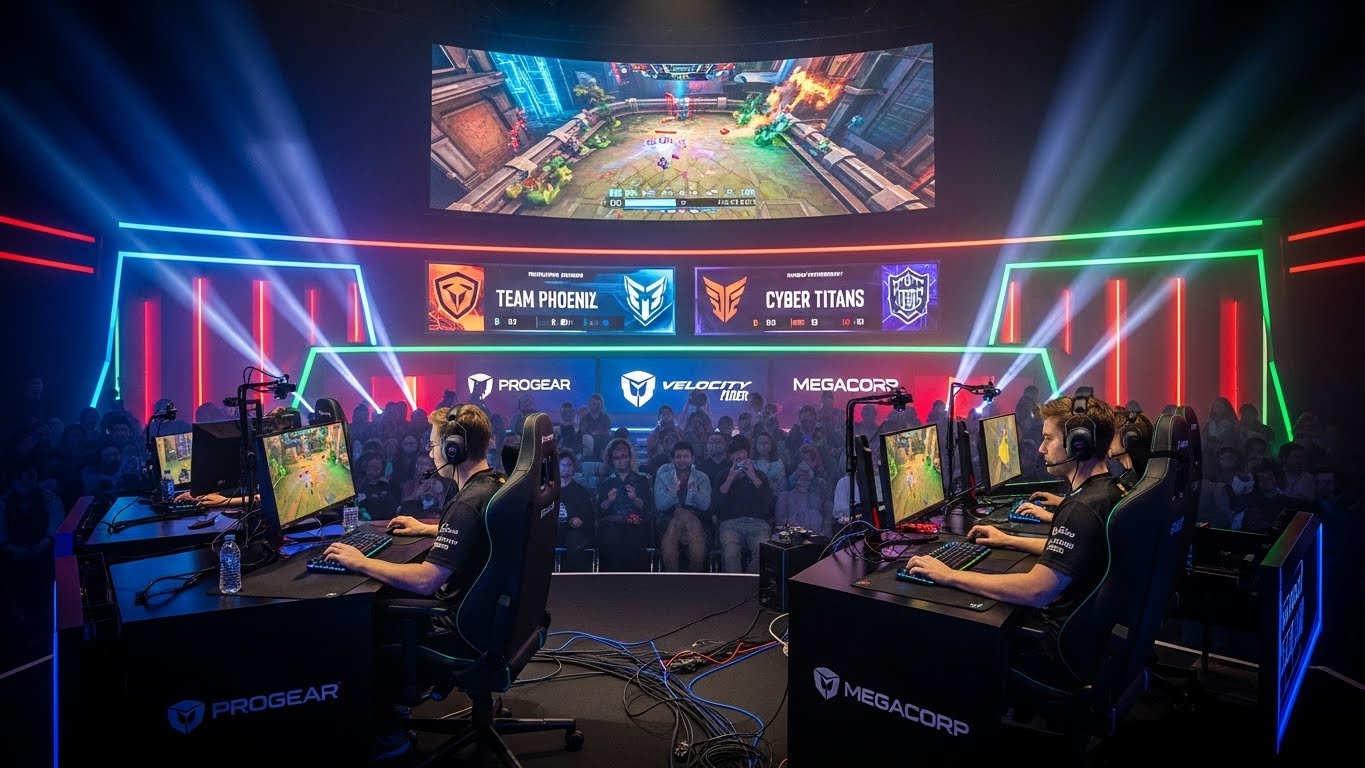
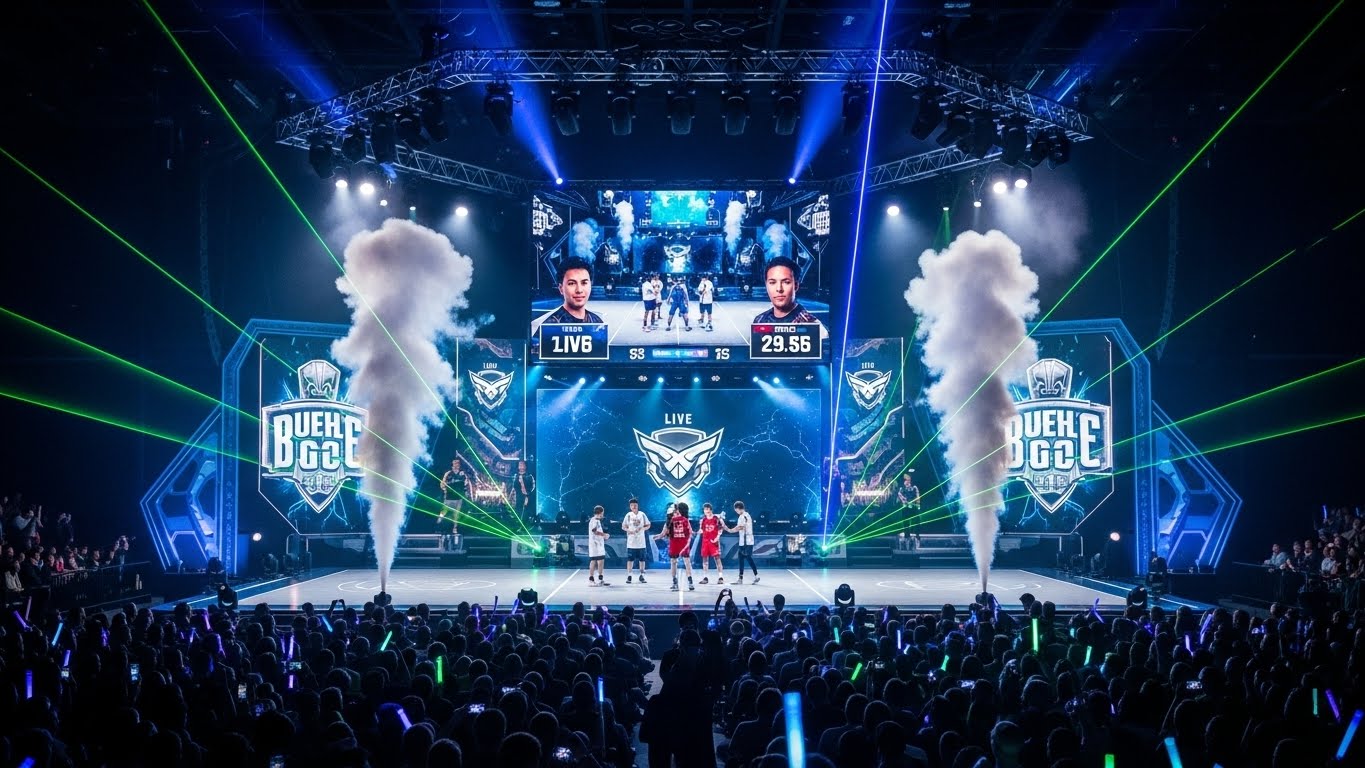
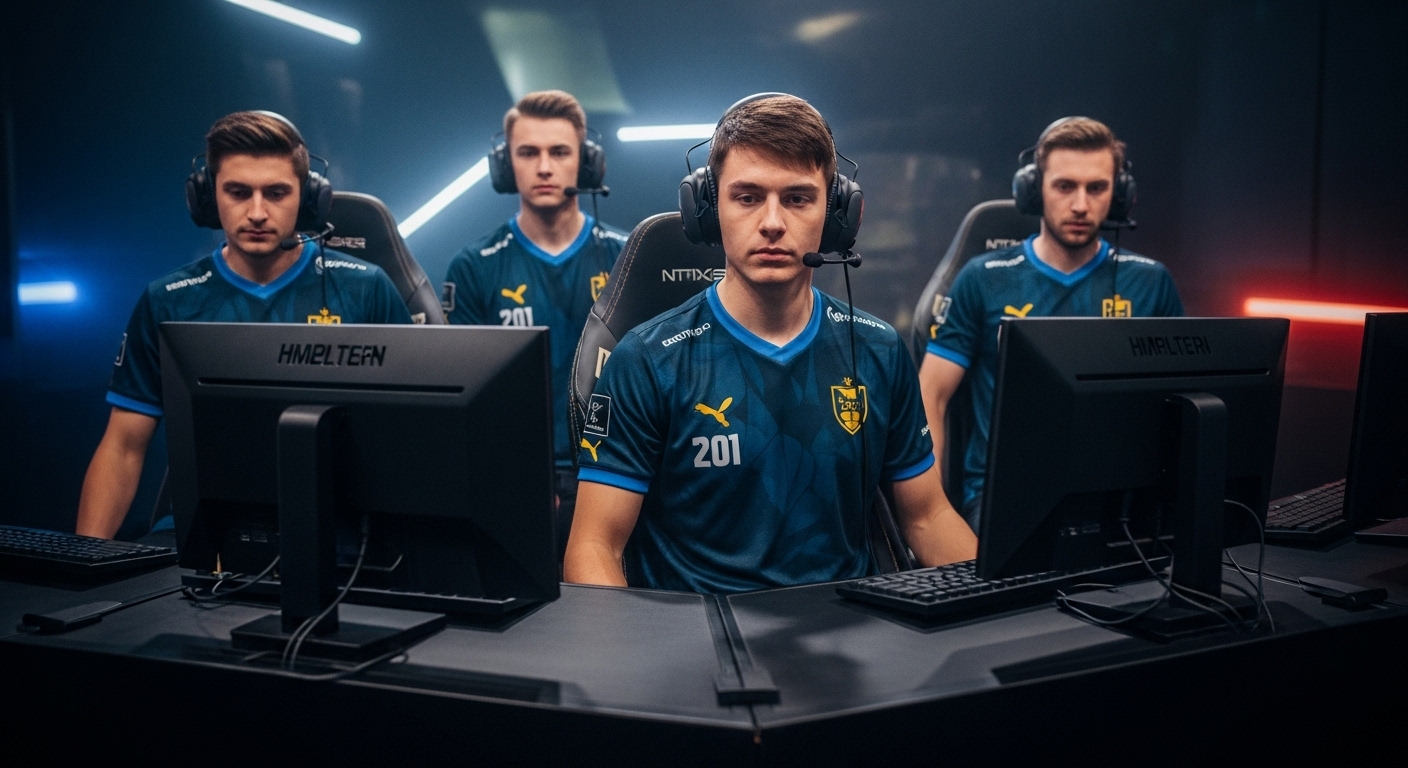
In the past decade, esports has transformed from a niche pastime into a global entertainment powerhouse. What was once considered “just gaming” has now evolved into a multi-billion-dollar industry that attracts millions of viewers worldwide. From casual players to professional athletes, esports has redefined what competition means in the digital age.
The Evolution of Esports
Esports, short for electronic sports, began in the late 1990s with small-scale tournaments for games like StarCraft, Counter-Strike, and Quake. These early competitions set the stage for the massive global events we see today. As internet access improved and streaming platforms emerged, esports found a new home online. Players could now broadcast their skills to global audiences, inspiring a new generation of competitive gamers.
Today, major titles such as League of Legends, Dota 2, Valorant, and Fortnite dominate the scene. Each game has its own leagues, world championships, and superstar players who are celebrated like traditional athletes.
The Global Impact of Esports
Esports is more than just gaming—it’s an ecosystem that includes players, coaches, analysts, sponsors, event organizers, and millions of passionate fans. Countries like South Korea, the United States, and China have become esports powerhouses, investing heavily in infrastructure, education, and training programs.
The industry has also created new career paths. Beyond players, there are opportunities in broadcasting, content creation, marketing, and event management. Universities around the world now offer scholarships for esports athletes, recognizing it as a legitimate competitive field.
The Role of Technology and Streaming
Technological innovation has been the backbone of esports growth. High-speed internet, advanced gaming hardware, and live streaming platforms have made it easier for fans to watch their favorite teams and players in real time. Streaming has blurred the line between players and audiences, fostering a community-driven culture that thrives on interaction and engagement.
Virtual reality and artificial intelligence are now starting to influence esports as well, offering more immersive experiences and analytical insights into gameplay strategies.
Esports and Traditional Sports: A Growing Connection
Interestingly, traditional sports organizations have begun to invest in esports teams and tournaments. Football clubs, basketball leagues, and even Olympic committees are exploring esports partnerships, recognizing the growing popularity among younger audiences. This crossover demonstrates how digital and physical sports can coexist and even complement one another.
Challenges in the Esports Industry
Despite its success, esports faces several challenges. Issues such as player burnout, lack of regulation, cyberbullying, and uneven pay structures remain concerns. Maintaining a healthy balance between competition and well-being is essential for long-term sustainability. Additionally, the industry must ensure fair play and integrity through proper governance and anti-cheating measures.
The Future of Esports
The future of esports looks brighter than ever. With increasing investments, growing audiences, and evolving technologies, esports is set to become one of the most influential forms of entertainment in the world. The boundaries between gaming, media, and sports continue to blur, creating endless opportunities for innovation and creativity.
As more people recognize the skill, strategy, and dedication behind esports, it’s clear that competitive gaming is not just a trend—it’s the future of entertainment.
Conclusion: More Than Just a Game
Esports represents the spirit of competition in a digital world. It brings people together, breaks geographical boundaries, and celebrates talent in new and exciting ways. Whether you’re a player, a fan, or a curious observer, one thing is certain—the world of esports is here to stay, and it’s only just getting started.