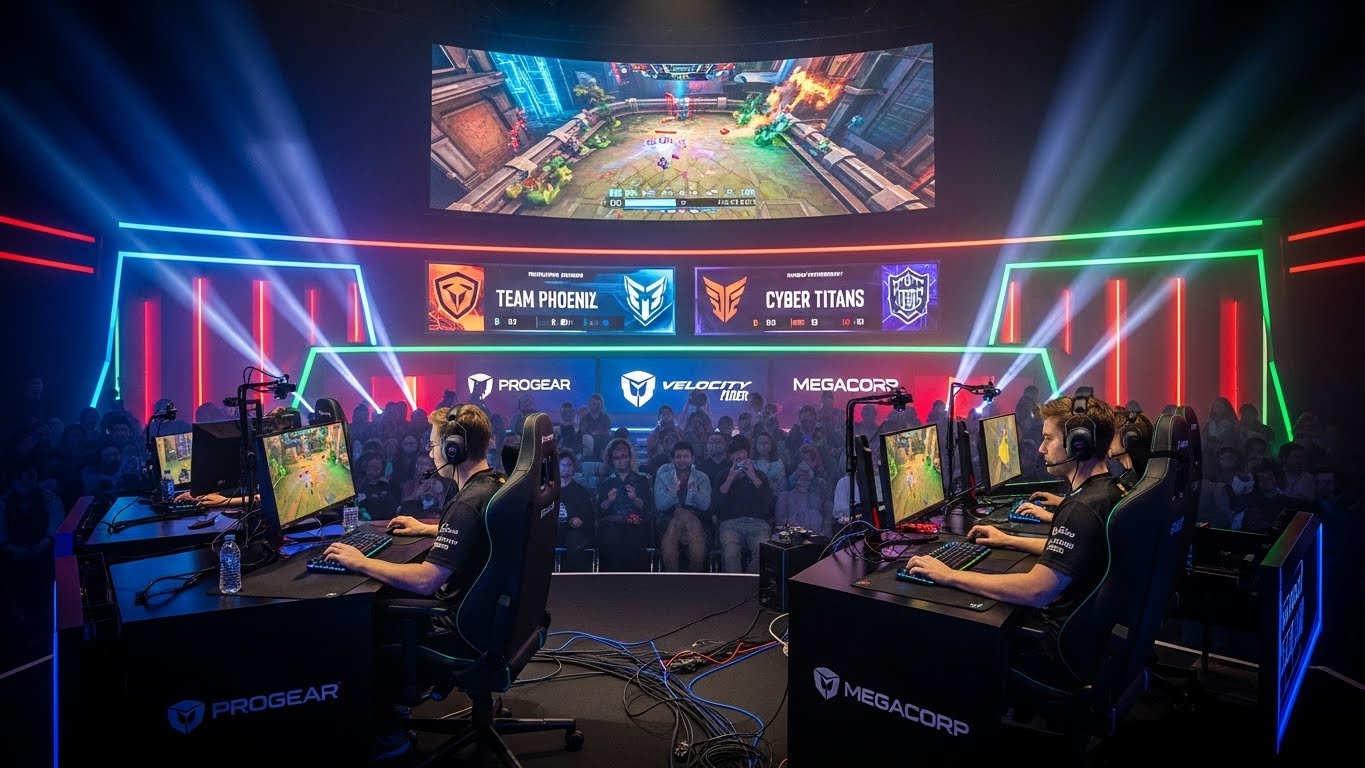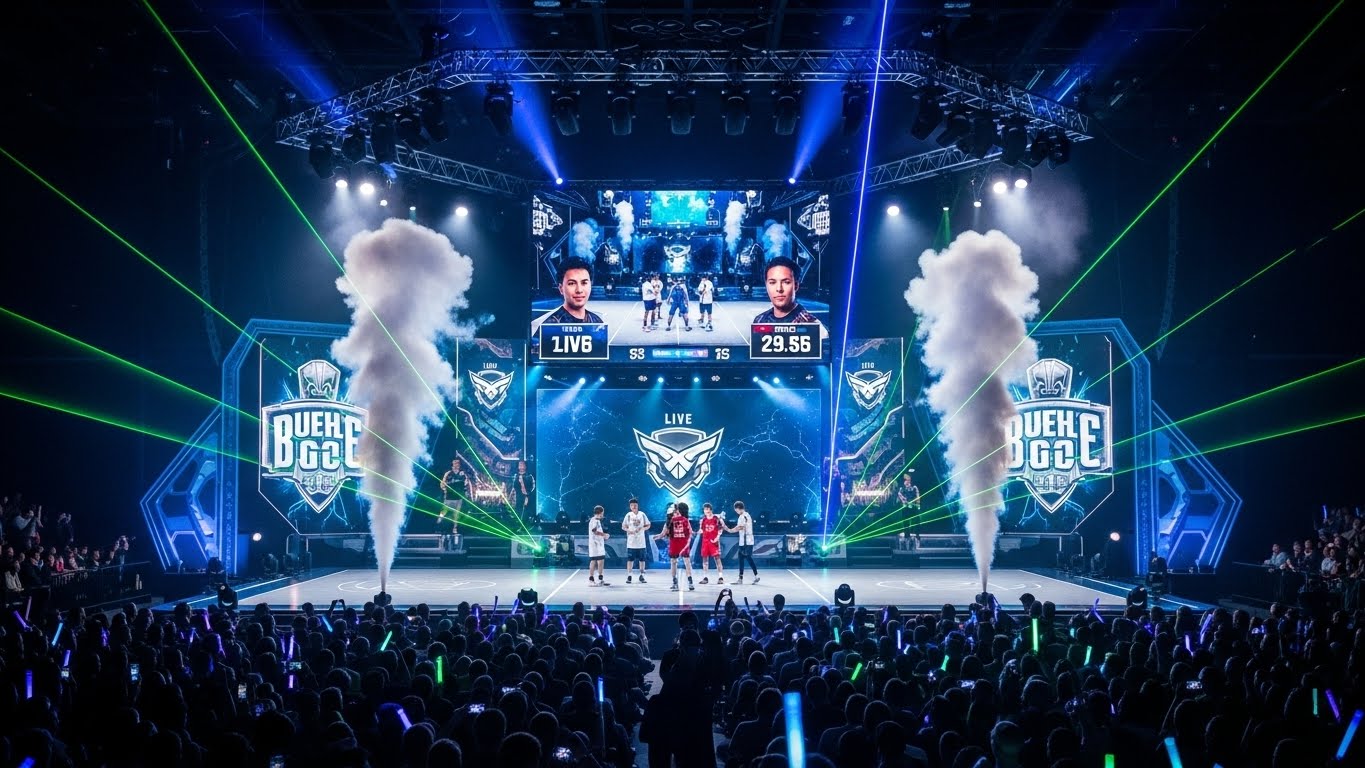
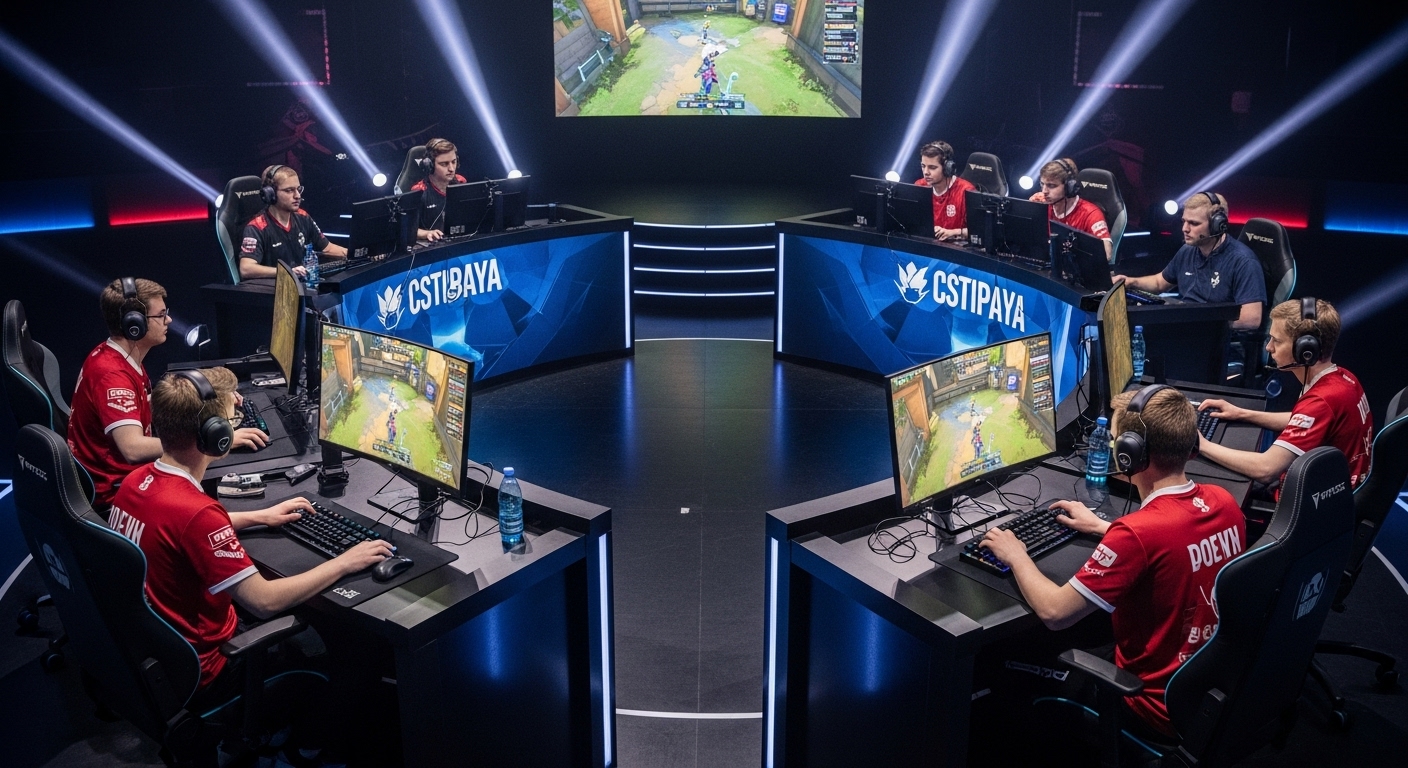
Esports has rapidly transformed from a niche hobby into a worldwide competitive industry. What began as casual gaming among friends has evolved into organized tournaments, professional teams, and millions of fans tuning in to watch live events. This blog explores the rise of esports, its impact on players and audiences, and its role in shaping the future of competitive entertainment.
The Rise of Esports
Esports, or electronic sports, refers to competitive video gaming where players or teams compete in organized matches. The phenomenon gained momentum with the growth of online multiplayer games and streaming platforms. Games like League of Legends, Dota 2, and Counter-Strike laid the foundation for professional esports, offering players opportunities to showcase skill, strategy, and teamwork on a global stage.
Popular Esports Genres
Esports encompasses a wide variety of game types, each appealing to different audiences:
1. Multiplayer Online Battle Arenas (MOBA)
MOBA games involve strategic team play and complex decision-making. Popular titles in this category have massive fan bases and host some of the largest esports tournaments worldwide.
2. First-Person Shooters (FPS)
FPS games focus on precision, reflexes, and tactical strategy. These games attract competitive players who thrive under high-pressure conditions.
3. Real-Time Strategy (RTS) Games
RTS games require players to plan, manage resources, and execute strategies in real time. These games test analytical thinking and adaptability.
4. Sports Simulation and Racing Games
Games that simulate real-world sports and racing offer immersive experiences for both players and spectators, bridging traditional sports with digital gaming.
The Professional Esports Industry
Esports has grown into a multi-billion-dollar industry. Professional teams, sponsorships, and broadcasting deals have created viable careers for players, coaches, and content creators. Tournaments now offer large cash prizes, and events are held in stadiums with thousands of live audiences while millions more watch online. Esports is no longer just entertainment—it is a legitimate career path for skilled players worldwide.
The Impact on Players and Fans
Esports provides both players and fans with unique experiences. Players develop teamwork, strategy, and problem-solving skills, while fans engage with communities that share their passion. Streaming platforms allow fans to follow favorite players, watch live matches, and interact in real time, creating a sense of connection and excitement that rivals traditional sports.
Challenges in Esports
Despite its growth, esports faces challenges such as player burnout, mental health issues, and the pressure to perform at high levels consistently. Regulatory issues, cheating, and maintaining fair competition are ongoing concerns. Addressing these challenges is essential for sustaining the industry and ensuring the well-being of players.
The Future of Esports
The future of esports looks promising, with technology and innovation expanding its reach. Virtual reality and augmented reality may offer even more immersive experiences, while AI could revolutionize training and gameplay analysis. Esports is also likely to continue integrating with mainstream entertainment and traditional sports, further solidifying its position in global culture.
Conclusion
Esports has come a long way from its early days, evolving into a professional, competitive, and highly engaging industry. It entertains, challenges, and connects millions of players and fans worldwide. As technology advances and the community grows, esports will continue to redefine the meaning of competition, teamwork, and entertainment in the digital age.