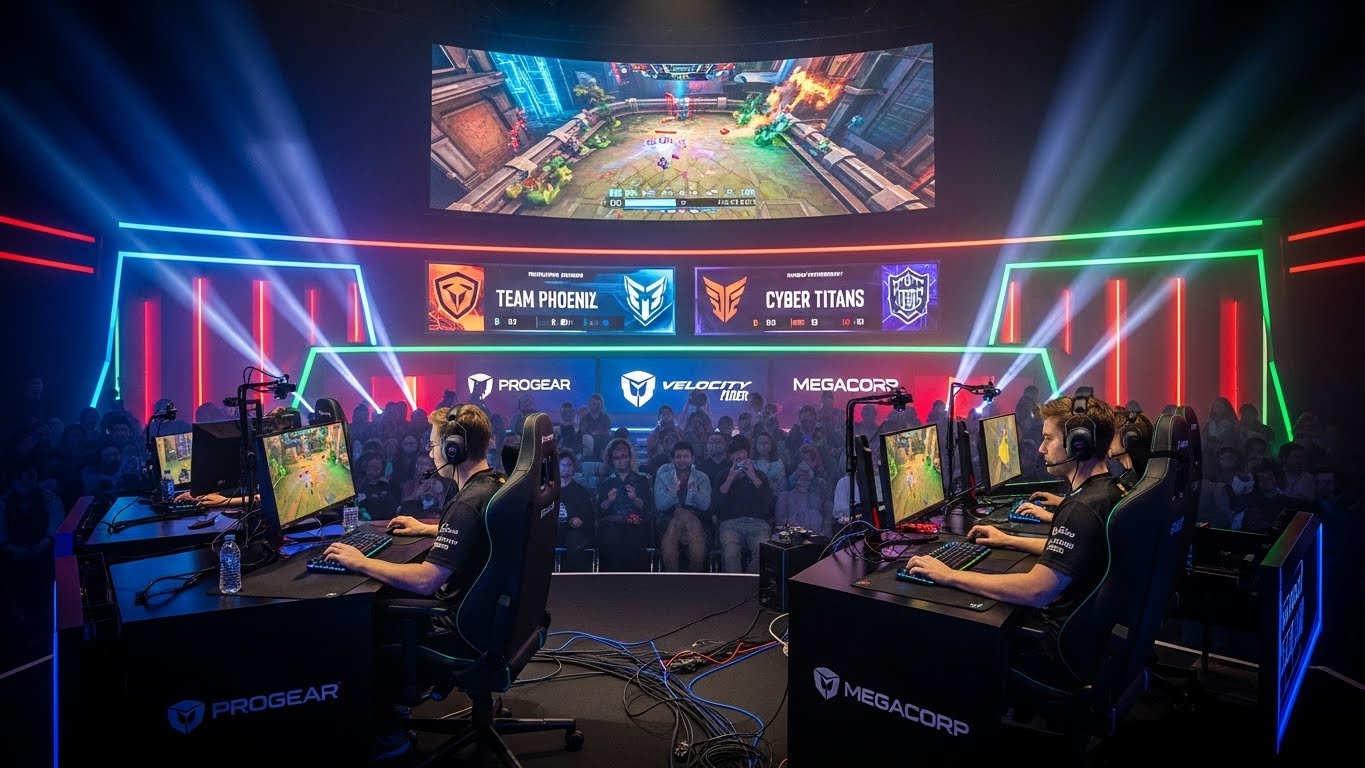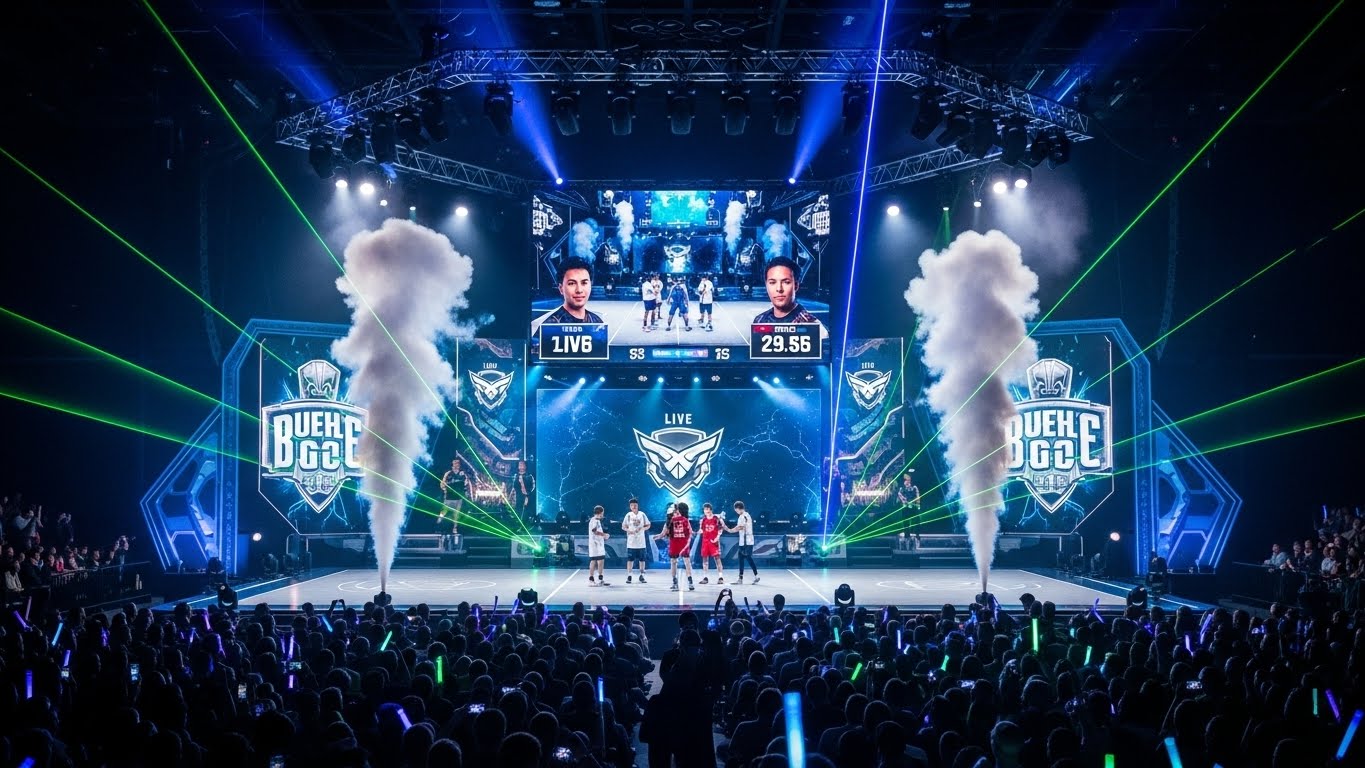
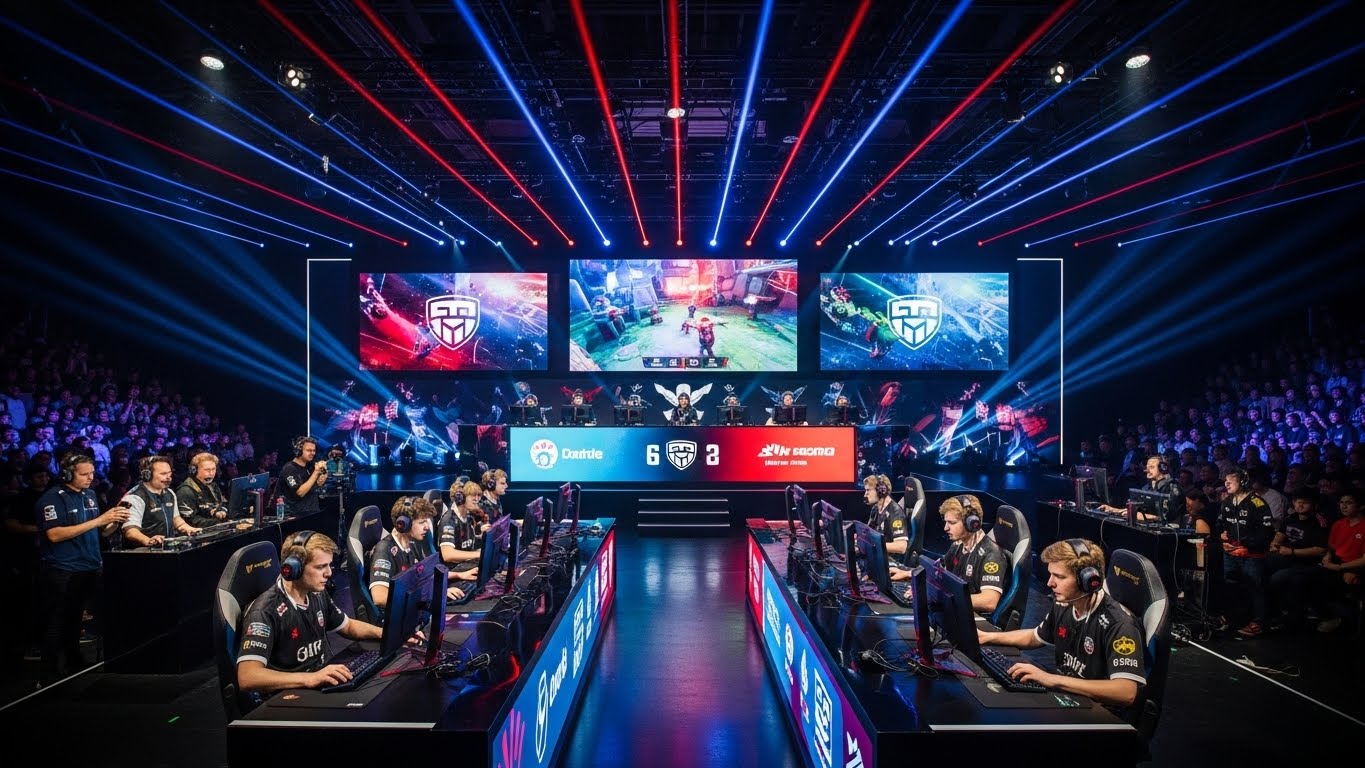
In the last decade, one of the most surprising phenomena in the world of entertainment and sports has been the explosive growth of esports. What started as a niche hobby for a small group of passionate gamers has evolved into a global industry worth billions of dollars, attracting millions of fans and creating new opportunities for players, teams, and organizations. From the flashiness of professional tournaments to the dedication of amateur players, esports has firmly cemented its place in modern culture, reshaping how we think about competition, entertainment, and even careers in gaming.
In this post, we will explore the rise of esports, the factors that have contributed to its incredible growth, and how this industry has transformed not only the gaming world but also the broader entertainment landscape. We’ll take a closer look at the major esports titles, the players and teams that have become household names, the impact of streaming platforms, and the future of competitive gaming.
The Evolution of Esports: From Casual Gaming to Global Phenomenon
Esports, short for “electronic sports,” refers to organized, multiplayer video game competitions, particularly between professional players, teams, or individuals. Though competitive gaming has existed for decades, the modern form of esports began to take shape in the early 2000s.
In the beginning, esports was primarily limited to local tournaments or small-scale events, often hosted by gaming communities or LAN (Local Area Network) cafes. Games like “Quake,” “StarCraft,” and “Counter-Strike” were some of the first titles to garner significant competitive followings. However, the scale of these early competitions was modest, and they were often confined to the gaming subculture. It wasn’t until the late 2000s and early 2010s that esports began to experience rapid growth, thanks in large part to the rise of online streaming platforms, sponsorships, and a new wave of game titles designed with competitive play in mind.
The release of games like “League of Legends” (2009), “Dota 2” (2013), and “Overwatch” (2016) played a pivotal role in propelling esports into the mainstream. These games not only became immensely popular among players but also set the stage for the creation of professional leagues and international tournaments with multi-million-dollar prize pools.
As esports gained in popularity, it began to mirror traditional sports in many ways. Professional teams formed, sponsorships poured in, and tournaments evolved into large-scale events held in massive arenas, often broadcast live on television or online. In 2018, the League of Legends World Championship, one of the most prestigious events in the esports calendar, attracted over 100 million viewers worldwide, rivaling traditional sports like the Super Bowl in terms of viewership.
Key Esports Titles: The Games that Defined a Generation
While esports encompasses a broad range of games, several titles have stood out over the years, becoming the pillars of the competitive gaming scene. These games not only have strong player bases but also feature sophisticated mechanics that allow for professional-level play, strategy, and team dynamics. Let’s take a closer look at some of the key titles that have defined esports over the years.
1. League of Legends (LoL)
Since its release in 2009, Riot Games’ “League of Legends” has become one of the most dominant and influential games in esports. As a multiplayer online battle arena (MOBA) game, LoL features two teams of five players competing to destroy the enemy’s Nexus, a core building located in their base. What sets LoL apart from other games is its deep strategic elements, intricate team compositions, and the need for precise coordination among players.
The success of LoL is largely attributed to its regular updates, commitment to balancing the game, and the competitive ecosystem that Riot Games has carefully nurtured over the years. The League of Legends World Championship, held annually, is a marquee event in the esports world, with teams from all over the globe vying for the title. The prize pool for the 2021 championship exceeded $2 million, and the tournament consistently attracts millions of viewers.
2. Dota 2
“Dota 2,” developed by Valve Corporation, is another cornerstone of esports. As a highly competitive MOBA, Dota 2 has earned a reputation for its complexity and steep learning curve. The game’s massive player base and intricate strategies make it a favorite for hardcore gamers and esports enthusiasts. Dota 2 has one of the highest prize pools in the esports industry, with “The International” (TI), the game’s annual world championship, boasting prize pools exceeding $40 million in recent years.
The game’s enduring popularity can be attributed to its dynamic nature, constant updates, and the incredible skill required to master the game. Teams such as OG, Team Liquid, and Secret have become household names in the Dota 2 community, earning millions in prize money and becoming global superstars.
3. Counter-Strike: Global Offensive (CS:GO)
“Counter-Strike: Global Offensive,” or CS:GO, is a first-person shooter (FPS) game developed by Valve and Hidden Path Entertainment. First released in 2012, CS:GO has become one of the longest-running and most influential esports titles. The game pits two teams—Terrorists and Counter-Terrorists—against each other in a variety of modes, most notably the classic bomb-planting mode.
CS:GO’s appeal lies in its simplicity and intense tactical gameplay. Every match is a test of precision, coordination, and strategy. The game has a deeply ingrained professional scene, with tournaments like the CS:GO Major Championships being among the most prestigious and widely watched esports events in the world.
4. Overwatch
Blizzard Entertainment’s “Overwatch” burst onto the esports scene in 2016 with its colorful, team-based gameplay and unique characters. Unlike traditional FPS games, Overwatch incorporates elements of strategy and hero abilities, where players control distinct characters (heroes) with different abilities. The game’s emphasis on teamwork, coordination, and diverse playstyles quickly garnered attention, leading to the creation of the Overwatch League (OWL), a professional esports league modeled after traditional sports leagues like the NFL.
Overwatch’s popularity continues to grow, with a dedicated fan base and an exciting professional scene. OWL’s format, which involves city-based teams competing in regular seasons, has helped bring esports into mainstream sports media and created a sense of regional pride among fans.
5. Fortnite
While “Fortnite” is primarily known as a battle royale game, its impact on esports cannot be overstated. Released by Epic Games in 2017, Fortnite quickly became a cultural phenomenon. The game’s free-to-play model, combined with its cartoony graphics, building mechanics, and fast-paced action, attracted millions of players worldwide. As esports began to rise in prominence, Fortnite capitalized on its massive player base by hosting a series of high-profile tournaments, including the Fortnite World Cup, which boasted a $30 million prize pool in its inaugural 2019 event.
Fortnite’s success can be credited to its unique blend of competitive gameplay, accessibility, and its regular updates, which introduce new content and features. Its large-scale tournaments and media coverage have also helped bring esports into the broader cultural conversation.
The Impact of Streaming: How Platforms Like Twitch and YouTube Changed Esports
One of the most significant drivers behind the growth of esports is the rise of streaming platforms like Twitch and YouTube. These platforms have not only made it easier for players to broadcast their gameplay to a global audience, but they have also enabled fans to engage directly with their favorite streamers, teams, and players.
Twitch, in particular, has become synonymous with live streaming, especially in the gaming community. With millions of active users and thousands of live broadcasts every day, Twitch offers a direct, interactive way for fans to experience esports events, watch professional players in action, and even participate in live chats with other viewers. The platform has allowed esports to reach new audiences, create virtual communities, and turn streamers into celebrities in their own right.
The connection between esports and streaming has helped elevate the competitive gaming scene, as fans can now watch tournaments live, engage in real-time, and support their favorite players through donations, subscriptions, and sponsorships. Additionally, YouTube has played a significant role in this transformation by providing on-demand access to esports content, including match highlights, interviews, and full tournament replays.
The Business Side of Esports: Sponsorships, Brands, and Career Opportunities
Esports is not only a form of entertainment but also a booming business. The industry has attracted a wide range of sponsors, investors, and brands, all eager to tap into the rapidly growing gaming demographic. Major companies, including Coca-Cola, Intel, Nike, and Red Bull, have all partnered with esports organizations to promote their products and increase brand visibility.
These sponsorships have enabled esports teams and tournaments to thrive, often providing financial backing for players, infrastructure, and even prize pools. For instance, the global electronics company Alienware has become a major sponsor for esports tournaments, providing players with high-performance gaming equipment. Similarly, esports organizations like Team Liquid, Cloud9, and FaZe Clan have secured significant sponsorship deals that contribute to their success both on and off the battlefield.
As the esports industry has expanded, so have career opportunities. Professional players can now earn lucrative salaries and prize money, and there are also opportunities for commentators, analysts, coaches, and even event organizers within the esports ecosystem. Many players have turned their esports careers into long-term opportunities, including brand endorsements, streaming, and even content creation. The rise of esports has given birth to a new generation of gaming influencers who have built personal brands and careers that extend far beyond the games they play.