
Introduction
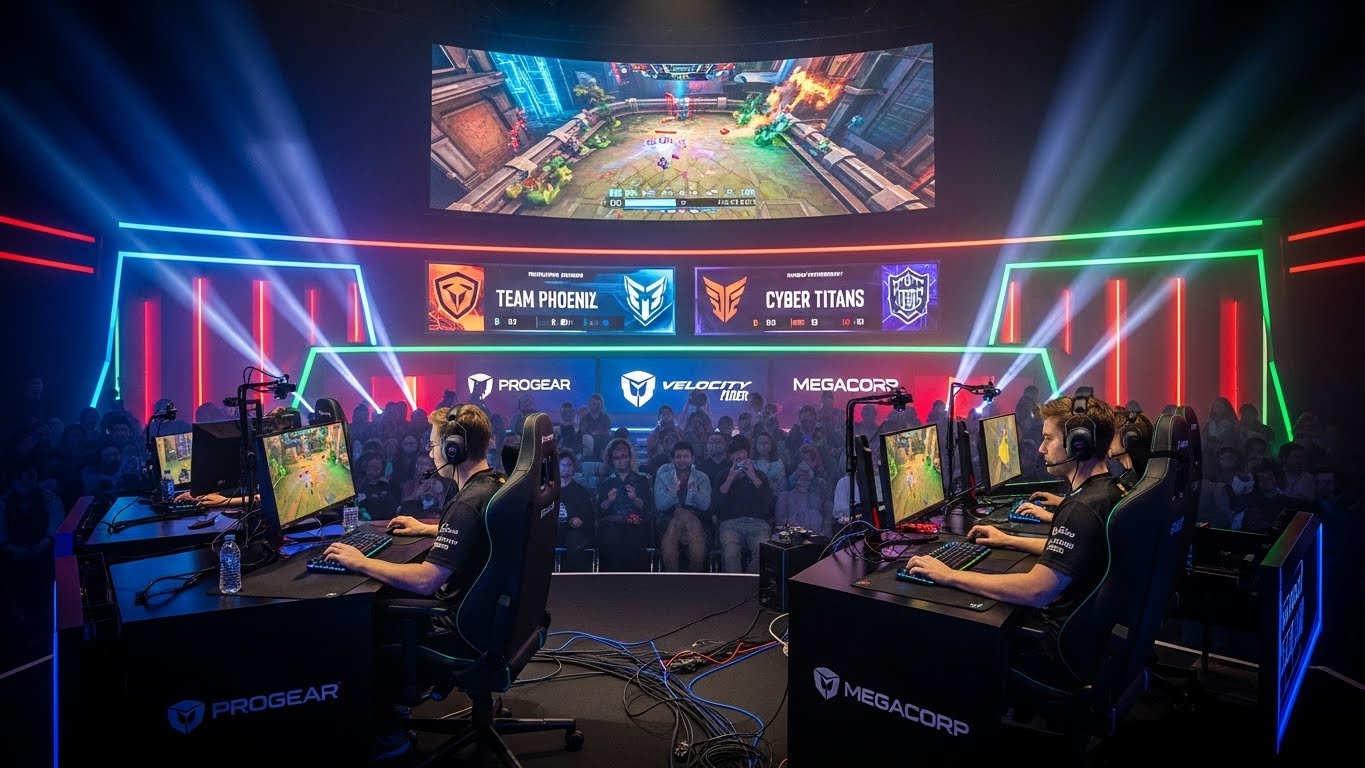
Esports, or electronic sports, has transformed the gaming industry from casual entertainment into a global phenomenon. What once began as small, local tournaments among friends has evolved into a billion-dollar industry with professional teams, international competitions, sponsorships, and a massive fan base. The term “esports” encompasses competitive video gaming across multiple genres, including first-person shooters, real-time strategy, multiplayer online battle arenas, and sports simulations.
The growth of esports is more than just a reflection of gaming culture—it represents a cultural and economic shift. With millions of players and fans worldwide, esports is influencing media, marketing, technology, and even education. This blog explores the history of esports, its current landscape, its cognitive and social impact, and the factors driving its unprecedented growth.
The Evolution of Esports
Esports traces its origins to the early 1980s, when arcade competitions and local tournaments began emerging. Classic titles like Space Invaders and Pac-Man offered competitive experiences, though they were limited by geography and technology.
The 1990s saw the rise of networked gaming and the internet, which expanded competition to a global scale. Games like Quake, StarCraft, and Counter-Strike became iconic in competitive gaming, providing the foundation for organized esports leagues.
By the early 2000s, esports had evolved into a structured industry with professional teams, sponsorship deals, and online streaming platforms. South Korea became a pioneer with the establishment of professional leagues for StarCraft, making esports a recognized profession and cultural phenomenon.
The last decade has witnessed explosive growth thanks to live streaming platforms, mobile gaming, and major international tournaments. Today, esports attracts millions of viewers worldwide, rivaling traditional sports in audience size and engagement.
Key Genres in Esports
Esports covers a wide variety of genres, each offering unique challenges, gameplay mechanics, and audience appeal.
1. First-Person Shooters (FPS)
FPS games like Call of Duty, Counter-Strike: Global Offensive, and Overwatch emphasize reflexes, precision, and teamwork. Competitive FPS tournaments test players’ hand-eye coordination, strategy, and communication.
2. Multiplayer Online Battle Arena (MOBA)
MOBA games such as League of Legends and Dota 2 involve teams working together to achieve objectives while countering opponents. These games demand strategic planning, multitasking, and adaptive thinking.
3. Real-Time Strategy (RTS)
RTS games like StarCraft II challenge players to manage resources, build units, and execute strategies in real-time. These games enhance decision-making under pressure and long-term planning skills.
4. Sports Simulations
Titles such as FIFA, NBA 2K, and Madden NFL replicate real-world sports in a digital environment. These games combine strategy, timing, and knowledge of the actual sport, appealing to traditional sports fans and gamers alike.
5. Fighting Games
Competitive fighting games like Street Fighter and Super Smash Bros. focus on precision, timing, and understanding opponent patterns. Tournaments in this genre often feature intense, fast-paced matches that captivate audiences.
Each genre cultivates different skills while providing diverse entertainment value, contributing to the broad appeal of esports.
The Structure of Esports Competitions
Esports competitions are highly organized, often resembling traditional sports leagues. They range from small online tournaments to massive international events with stadium-sized audiences.
Local and Online Tournaments
Local tournaments often serve as entry points for aspiring players. Online platforms allow players from different regions to compete remotely, facilitating global access and discovery of talent.
Regional and National Leagues
Professional leagues operate on regional or national levels, offering consistent competition and structured seasons. These leagues provide financial stability for players, sponsorship opportunities, and media exposure.
International Championships
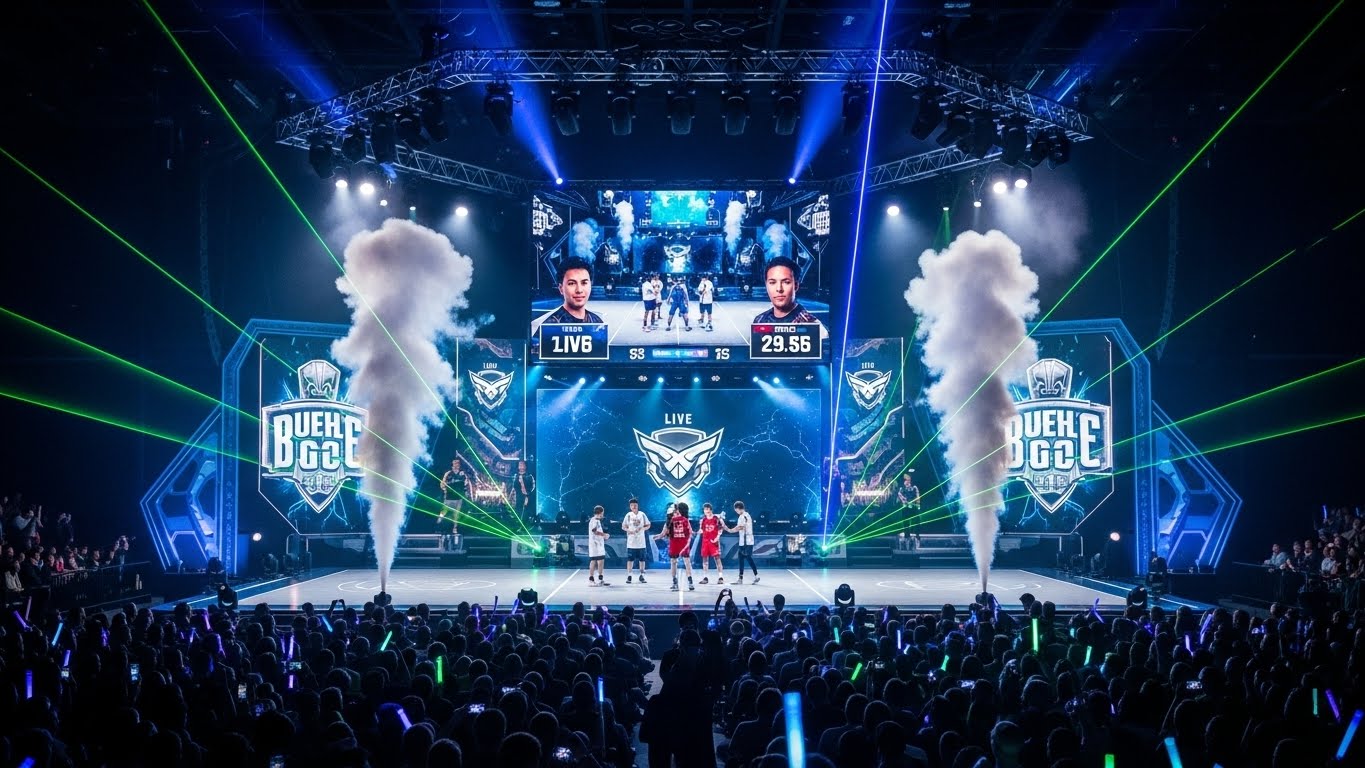
Global tournaments, such as The International for Dota 2 or the League of Legends World Championship, attract millions of viewers and offer multimillion-dollar prize pools. These events often include elaborate productions, live audiences, and sponsorship from major brands.
The tournament ecosystem encourages skill development, fan engagement, and industry growth, transforming esports into a sustainable profession.
The Economic Impact of Esports
Esports is now a multi-billion-dollar industry, encompassing not only competitive gaming but also media, sponsorships, merchandising, and streaming platforms.
Sponsorships and Branding
Major brands, including tech companies, sports apparel, and consumer goods, sponsor teams and events. Sponsorships provide financial support for players while enhancing brand visibility among younger, digitally-native audiences.
Streaming and Media Rights
Platforms like Twitch, YouTube Gaming, and Facebook Gaming monetize content through ads, subscriptions, and donations. Media rights for major tournaments further fuel revenue streams, creating an ecosystem similar to traditional sports broadcasting.
Merchandising and Ticket Sales
Professional teams sell merchandise, while live events generate ticket sales and concessions. These streams strengthen the connection between players, teams, and fans, fostering community and loyalty.
The economic influence of esports extends beyond gaming, impacting technology, entertainment, marketing, and tourism sectors.
Cognitive Benefits of Esports
Competitive gaming is not merely entertainment; it provides cognitive benefits that enhance mental acuity, problem-solving skills, and social intelligence.
1. Strategic Thinking and Planning
Esports requires players to develop complex strategies, anticipate opponents’ moves, and adapt dynamically. This fosters long-term planning and strategic foresight.
2. Multitasking and Decision-Making
Many games demand simultaneous management of multiple objectives, units, or resources. Players must make rapid, high-stakes decisions, enhancing cognitive flexibility and reaction time.
3. Teamwork and Communication
Team-based games emphasize coordination, communication, and collaboration. Effective teamwork in esports translates into improved social skills and collaborative problem-solving.
4. Concentration and Focus
Long matches require sustained attention and focus. Esports players develop the ability to concentrate for extended periods, filtering distractions and maintaining peak performance.
5. Adaptability and Resilience
Competitive gaming involves frequent setbacks and unpredictable outcomes. Players learn resilience, emotional control, and adaptability—skills that extend beyond the game into real-life challenges.
Social and Cultural Influence of Esports
Esports has created global communities, transcending language and geography. Online platforms allow players and fans to connect, discuss strategies, and celebrate victories together.
Community Building
Forums, social media groups, and streaming chats foster interaction between fans and players. These communities provide support, friendship, and shared experiences, turning gaming into a socially enriching activity.
Representation and Inclusivity
Esports is increasingly inclusive, with tournaments and organizations promoting gender diversity and accessibility. Initiatives encourage participation from historically underrepresented groups, broadening the appeal and cultural impact of competitive gaming.
Pop Culture Integration
Esports has permeated mainstream entertainment, influencing music, television, movies, and fashion. Celebrities and influencers often participate in tournaments or streaming events, further cementing esports in global popular culture.
Challenges in Esports
Despite its growth, esports faces challenges that affect players, teams, and the industry as a whole.
Player Health and Well-Being
Professional gaming demands long hours of practice, often leading to physical strain, eye fatigue, and mental health challenges. Organizations are now emphasizing wellness programs, exercise routines, and mental health support for players.
Regulation and Standardization
Unlike traditional sports, esports lacks a universal regulatory body. Rules, tournament structures, and player contracts vary widely, sometimes leading to disputes or unfair practices.
Cheating and Integrity
Cheating through software hacks, account manipulation, or match-fixing threatens the credibility of esports. Anti-cheat software, monitoring systems, and strict enforcement policies are critical for maintaining fairness.
Financial Sustainability
While top-tier esports players earn significant salaries, many aspiring professionals struggle to find stable income. Sponsorship deals, team contracts, and prize money often favor elite players, leaving lower-tier participants financially vulnerable.
The Role of Technology in Esports
Technology underpins every aspect of esports, from gameplay mechanics to audience engagement.
High-Performance Hardware
Competitive gaming requires fast, reliable computers, consoles, and peripherals. High refresh rates, low-latency monitors, and responsive controllers provide players with a competitive edge.
Streaming Platforms
Live streaming has revolutionized esports by allowing fans to watch, interact, and support players globally. Real-time chat features, donations, and subscription models create a direct connection between content creators and audiences.
Analytics and Data
Teams increasingly use analytics to monitor player performance, develop strategies, and refine training programs. Data-driven approaches optimize performance and provide insights that improve team cohesion and competitive outcomes.
Virtual and Augmented Reality
Emerging VR and AR technologies promise to create immersive esports experiences, offering new ways to engage fans and redefine competitive gameplay.
The Future of Esports
The future of esports looks bright, with continued growth in participation, viewership, and professional opportunities. Several trends are likely to shape the industry:
Expansion into Mainstream Sports
Traditional sports organizations are increasingly investing in esports. Football clubs, basketball teams, and global sports brands now have dedicated esports divisions, bridging the gap between conventional sports and digital competition.
Educational Integration
Esports is being introduced in educational programs, offering scholarships, curriculum development, and extracurricular opportunities. Schools and universities recognize esports as a tool for skill development, teamwork, and career readiness.
Global Market Growth
Emerging markets in Asia, Latin America, and Africa are experiencing rapid growth in esports participation and audience engagement. Mobile gaming, in particular, is driving accessibility and inclusivity.
Technological Innovation
Advances in AI, cloud gaming, VR, and AR will redefine how games are played and experienced. Esports will become increasingly immersive, strategic, and globally interconnected.
Conclusion
Esports has transformed from a niche pastime into a global industry with cultural, economic, and cognitive significance. Competitive gaming enhances mental acuity, teamwork, and strategic thinking, while also fostering global communities and professional opportunities.
As technology evolves and the industry matures, esports will continue to challenge traditional notions of sport, entertainment, and competition. With millions of fans, dedicated players, and growing investment, esports is not just a trend—it is a defining aspect of modern digital culture. The rise of esports represents a new era in entertainment, where skill, strategy, and community intersect to create experiences that are both engaging and transformative.